
Women Travelers in Xinjiang: A Practical Safety & Planning Guide
Women travelers in Xinjiang will find a region that is generally calm and welcoming, yet requires the same practical planning that any solo trip demands. This article is compiled from official travel advisories, traveler forums, and published reports from women who have visited the region. The author is male and has not traveled as a woman, so nothing here claims personal female first-person experience. The goal is to give a clear, honest picture of what solo women should expect, based on what others have documented rather than on the author’s own footsteps.

Research Basis and Boundaries
This guide is assembled from three kinds of sources. Official guidance states the baseline legal and security situation, including checkpoint rules, permit requirements, and the general advice issued to foreign visitors. Forum accounts describe day to day encounters that women travelers report on platforms such as travel boards, review sites, and social media threads. Published reports from women who have traveled the region add detail on comfort levels, unwanted attention, and cultural friction that short official lines often miss.
The author has not personally traveled as a woman and does not present invented anecdotes, names, dates, or dialogue. Where a claim is uncertain, the text says so rather than asserting a personal fact. Readers should treat this as a compiled briefing, not a diary. The value lies in patterns that repeat across many accounts, not in any single story.
What you need up front
Xinjiang is the largest provincial level region in China, spanning desert, mountains, and grassland across a distance equal to several European countries placed end to end. Women travelers report that major cities such as Urumqi, Kashgar, Turpan, and Yining are well patrolled and feel orderly during normal hours. Distances between towns are long, so transport planning matters more than in compact destinations. The region mixes Uyghur, Han, Kazakh, Kyrgyz, and other cultures, and local norms shift as you move from north to south and from city to countryside.
Key facts worth noting before booking:
- Police checkpoints exist on many highways and at some hotels. Carry your passport at all times, since scans are routine.
- Mobile payment through WeChat Pay or Alipay is near universal. A Chinese SIM helps with maps, rides, and translations.
- Public transport connects major cities by train and long distance bus, but remote scenic areas need a driver or organized tour.
- English is limited outside top hotels. A translation app and screenshot of place names in Chinese reduce friction.
- Internet access for foreign visitors requires the right SIM and sometimes a VPN for blocked global services; plan offline maps.
Women travelers in Xinjiang often note that the scale of the place is the first surprise. A plan that looks short on a map can mean a full day of travel, and that reality shapes every safety decision that follows.
Safety Realities: What Women Travelers Report
Safety realities differ by setting. Women travelers in Xinjiang describe a pattern that repeats across many accounts: street harassment is generally less frequent than in some other tourist regions of Asia, but it is not absent. Forum accounts describe occasional unwanted attention in crowded night markets and on late buses, usually verbal rather than physical. Official guidance states that violent crime against tourists is rare and that the region maintains a visible security presence in transport hubs and city centers.
The table below compares common concerns as women travelers report them, against the typical official position. This is a summary of repeated accounts, not a guarantee for any individual trip.
| Concern | What women travelers report | Official guidance states |
|---|---|---|
| Street harassment | Occasional, mostly verbal, low in major cities | Rare; security presence is high |
| Night travel | Prefer taxis after dark, avoid empty stretches | Use licensed transport; checkpoints operate at night |
| Checkpoints | Routine, passport scans, some wait time | Mandatory for security; carry ID always |
| Solo hiking | Not advised without local contact | Stay on marked routes, register where required |
| Photography | Avoid military and some government sites | Restricted near sensitive facilities |
| Lodging alone | Choose 24 hour reception hotels | Register guests per regulation |
Women travelers report that dressing modestly reduces unwanted attention in conservative areas, and that a confident, planned approach to transport lowers stress. For a broader risk picture, see Is Xinjiang safe for tourists. Forum accounts also stress that most negative moments are minor and that help from locals, including other women, is common when someone looks lost or uncomfortable.
Getting Around Solo
Getting around solo is feasible but demands structure. Women travelers report that trains between Urumqi, Turpan, and Kashgar are comfortable and safe, with assigned seating and regular patrols. Soft sleeper cars on overnight routes let you sleep through long legs. Long distance buses are cheaper but can be crowded and slow, and forum accounts advise boarding early to pick a seat near other women or families when possible.
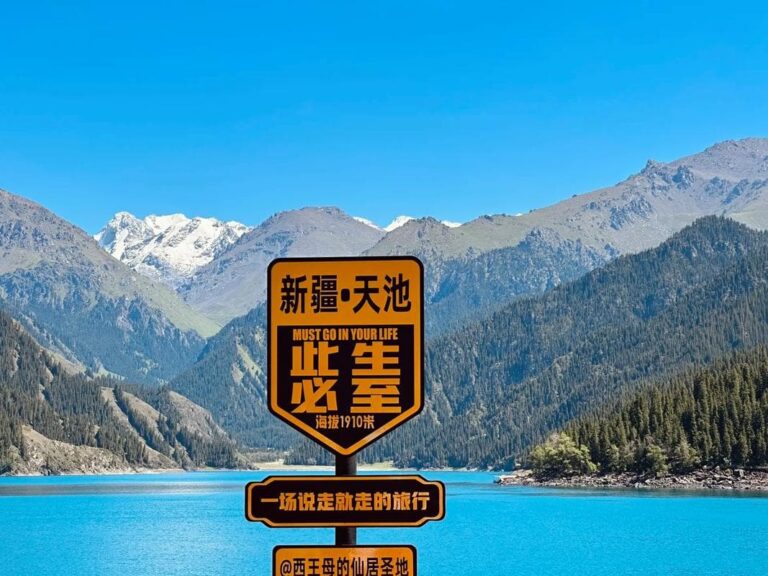
Ride hailing apps work in cities, and licensed taxis are the norm after dark. Women travelers report that saving the hotel name card with a Chinese address makes taxi return easy when language fails. For remote sites such as Karakul Lake or the grassland near Nalati, forum accounts describe hiring a local driver for the day. This costs more but removes the gap between bus stops and trailheads.
Women travelers report that sharing a driver with other verified travelers via hostel boards is a common, lower cost option that also adds company on quiet roads. Plan each transfer the night before. Screenshots of routes in Chinese characters help when asking for help, since English is limited. The resource solo female travel in Xinjiang covers transport choices in more depth, including which routes are easiest for first timers.
Dress, Culture, and Local Norms
Dress, culture, and local norms shape daily comfort. Women travelers report that in Urumqi and tourist towns, Western clothing is normal and unremarkable. In more conservative southern areas near Kashgar and Hotan, covering shoulders and knees is respectful and reduces stares. A light scarf serves both as sun protection and as a cover near mosques. Forum accounts describe carrying a packable long sleeve layer for exactly this reason.
Women travelers report that showing basic respect for local customs opens doors. Removing shoes at homes, asking before photographing people, and lowering your voice near prayer times are small acts that locals notice. Official guidance states that religious sites have their own dress rules, often posted at the entrance, and that some require head covering for women. Alcohol is available in many hotels but not in all rural guesthouses, so check ahead if it matters to you.
Food culture is a bright spot. Women travelers report warm invitations to share tea and bread, especially in family run spots. Learning a few greetings in the local language, even roughly, is mentioned across forum accounts as the single most welcomed gesture a solo visitor can make.

Accommodation and Where to Stay
Accommodation and where to stay is a central planning point. Women travelers report that international brand hotels in Urumqi and Kashgar offer familiar security and English front desks. Mid range Chinese chain hotels are clean, cheap, and widespread, and forum accounts note that many now include secure entry and in room locks that work. Hostels appear in traveler hubs and are useful for meeting verified companions, though forum accounts advise checking recent reviews for cleanliness, location, and whether the area feels safe after dark.
Booking the first two nights before arrival reduces late night searching, which women travelers report as the most stressful moment of a solo trip. Women travelers report preferring hotels with 24 hour reception and elevator access, and avoiding ground floor rooms that open to street level where possible. In remote towns, guesthouses may lack heating in early spring, so confirm season readiness. The guide at Xinjiang travel tips lists booking steps and the ID rules you will meet at the front desk.
Best Time to Travel
Best time to travel depends on comfort and crowds. Women travelers report that late spring and early autumn offer the safest weather window, with mild days and low risk of road closures from snow. Summer is busy and hot in the basins but green and cool in the mountains, which draws domestic tourists in large numbers. Winter is stark and cheap, yet some high passes close and a few guesthouses shut for the season.
The seasonal table below summarizes the trade offs as women travelers report them, balanced against what official guidance states about access.
| Season | Weather | Crowds | Solo comfort |
|---|---|---|---|
| April to May | Mild, some wind | Low | High |
| June to August | Hot basins, cool mountains | High | Medium |
| September to October | Clear, golden leaves | Medium | High |
| November to March | Cold, some closures | Low | Medium |
For month by month detail, see best time to visit Xinjiang. Women travelers report that shoulder seasons also mean better availability of the safer, well reviewed hotels, since you are not competing with peak holiday crowds.
Day-by-Day Planning for a First Solo Week
Day-by-Day Planning for a First Solo Week helps structure the unknown. Women travelers report that a fixed first week reduces anxiety about transport and lodging. The timetable below is a sample rhythm, not a promise of conditions, and you should adjust for weather and open routes.
| Day | Time | Plan |
|---|---|---|
| Day 1 | 09:00 to 12:00 | Arrive Urumqi, hotel check in, SIM card and map download |
| Day 1 | 14:00 to 18:00 | Walk Xinjiang Museum, map the city on foot |
| Day 2 | 08:00 to 13:00 | Train to Turpan, book guesthouse from the platform |
| Day 2 | 15:00 to 19:00 | Visit Jiaohe ruins with a group tour |
| Day 3 | 09:00 to 17:00 | Grape valley and local market, early return |
| Day 4 | 07:00 to 20:00 | Overnight train to Kashgar, sleep on board |
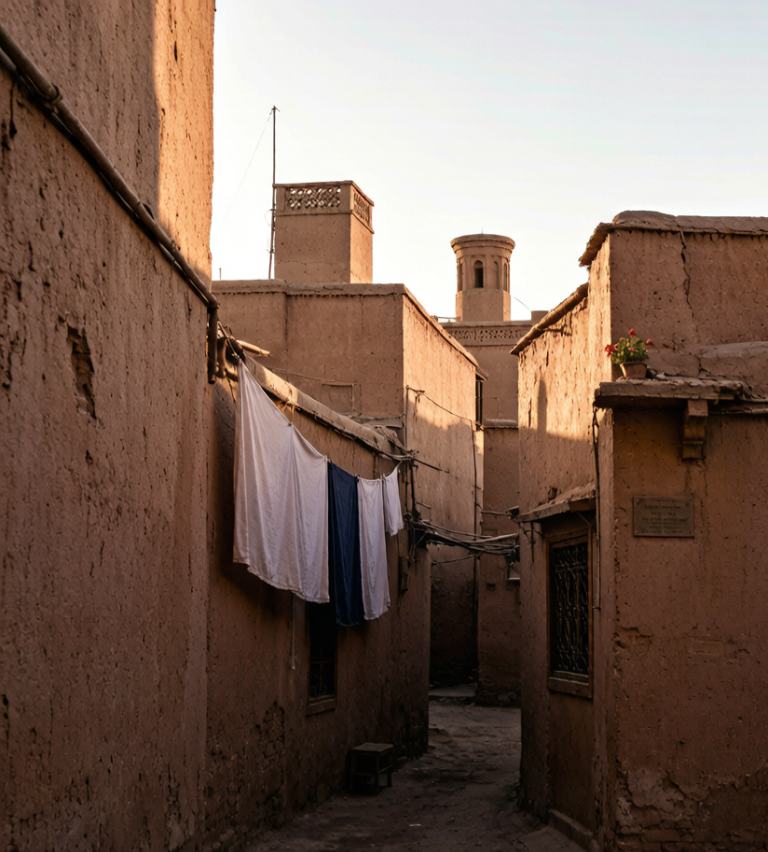
| Day 5 | 10:00 to 18:00 | Old town walk, mosque exterior, cafe breaks |
| Day 6 | 08:00 to 16:00 | Day trip to Karakul Lake with verified driver |
| Day 7 | 09:00 to 12:00 | Buffer day, laundry, plan next leg calmly |
Forum accounts describe keeping one buffer day per week for delays caused by weather or checkpoints. Women travelers report that this cushion prevents the stress of missed connections and gives time to rest, which matters more solo than in a group. The sample above keeps every travel block in daylight where the route allows it, a pattern women travelers report as reassuring on first visits.

Practical Tips for Visitors
Practical tips for visitors pull the thread together. Women travelers report that these steps helped them most, and official guidance supports several of them directly:
- Carry your passport and a paper copy at all times for checkpoints and hotel registration.
- Install a translation app and download offline maps before rural legs where signal drops.
- Use licensed taxis or ride apps after dark; avoid empty bus stops late and quiet side streets.
- Share your daily route with a trusted contact back home and check in when you reach each stop.
- Keep small cash for guesthouses and markets that do not take cards or foreign phones.
- Dress in layers; deserts swing from hot noon to cold night and wind picks up fast.
- Ask before photographing people, especially in rural areas and near religious sites.
- Learn a few local greetings; forum accounts describe this as the warmest icebreaker.
Official guidance states that registering with local police where required is standard and not a cause for concern. Forum accounts describe the process as quick and routine, usually handled by the hotel rather than by the traveler directly. Women travelers report that knowing this ahead of time removes a common worry.
The questions that come up
Is Xinjiang safe for a woman traveling alone?
Women travelers report that major cities feel orderly and that violent crime against tourists is rare. Standard solo precautions still apply, especially at night and in remote areas where help is farther away.
Do I need a special permit as a foreign woman?
Official guidance states that most tourist areas need only a passport. Some border zones and certain lakes require extra permits, so check your specific route before travel.
Will I face harassment on public transport?
Forum accounts describe occasional staring or comments but rarely confrontation. A confident manner, assigned seating, and traveling during daylight lower the chance of issues.
What should I wear to be respectful?
Women travelers report that covering shoulders and knees in southern conservative towns reduces attention. Cities are relaxed about Western dress, but a scarf is handy near mosques.
Can I use ride apps in Xinjiang?
Yes in cities with a Chinese SIM and the local app. In remote areas, hire a driver through your hotel or a verified traveler board rather than flagging one roadside.
Is it okay to travel in winter solo?
Women travelers report winter is quiet and cheap, but some passes close and guesthouses may lack heat. Plan indoor focused days, confirm lodging, and keep buffer time for delays.
How do I handle checkpoints calmly?
Official guidance states checkpoints are routine. Have your passport ready, follow instructions, and expect short waits. Forum accounts describe them as uneventful and quick once documents are shown.
Should I book hotels in advance or on the go?
Women travelers report booking the first two nights ahead reduces stress, then using reviews to choose later stops. In peak season, booking ahead everywhere is safer for both comfort and availability.