The Knives of Ingesha: Xinjiang’s Famous Blade Worth Knowing
I bought my first Ingesha knife knowing I could not take it on the plane. That is the first thing to understand about these blades: they are real tools and real art, and the law treats them as weapons the moment you reach an airport. The craft is worth knowing anyway.
What makes them distinct
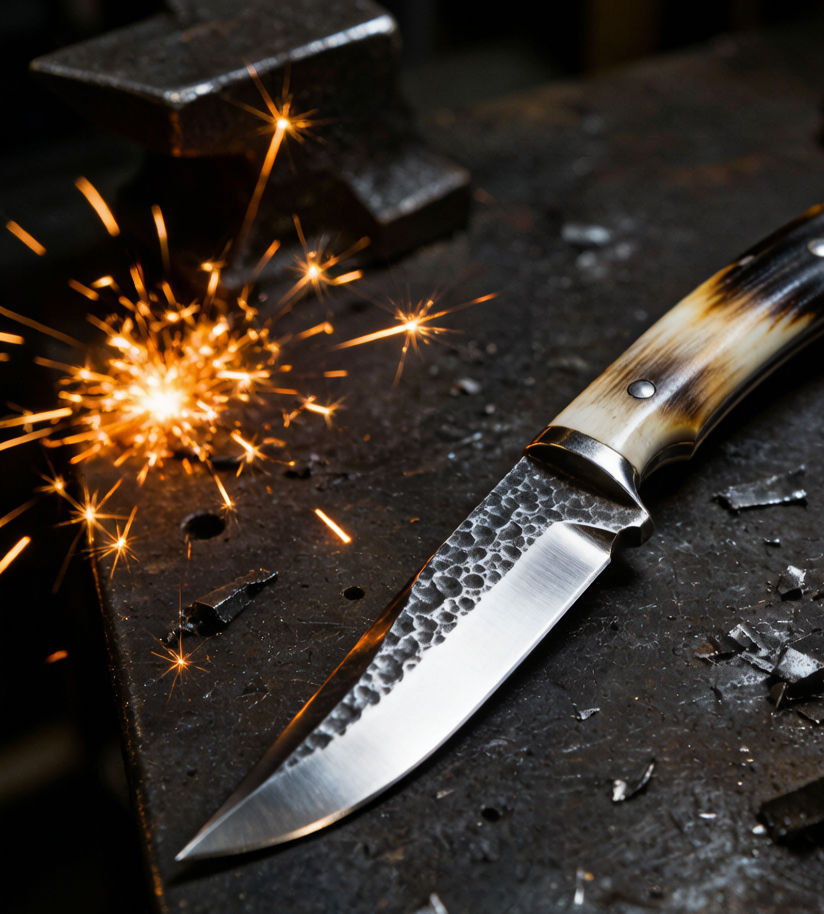
Ingesha (英吉沙小刀) knives come from Shule county near Kashgar, with a tradition stretching back over a century. The handles are often inlaid horn or wood, the blades are pattern-welded steel, and no two are quite alike. They sit alongside the broader handicraft world of the region, but the knife has its own reputation that travels beyond Xinjiang.
Buying without getting fooled
Fakes are everywhere, especially in tourist shops. The real ones come from makers in and around Shule, and the old town and the bazaars are where you find both the genuine and the costume. I learned to look at the fit of the handle and the evenness of the pattern rather than the price tag, because a high price is no proof.
The rules you cannot bend
Carrying one in public is a bad idea, and shipping it home means using cargo, never carry-on, often never checked baggage either. I have seen travelers lose a prized blade at security and the loss stings because the thing was honest. Buy it as a kept object or a mailed one, not a souvenir in your bag.
Why it matters as craft
Like the jade of Hotan, the knife is a piece of the region’s self-image, a working object that became a symbol. I respect it more now than when I thought it was just a pretty blade. It is steel with a century behind it, and that is rarer than the stalls suggest.
What goes in the day pack
The light here is serious and the shade is intermittent, so the sunscreen goes on before you leave the hotel, not at the gate. A wind shell. The temperature drops fast once you stop moving and the drop is not hypothetical on an exposed pass. Water, more than you think, a power bank and some cash. A fleece covers most of the year, a real jacket covers shoulder season. Sunscreen and a brim. Cards work at the gate and in the shops, but the stalls on the approach road and the drivers waiting at the turnoff want cash, and coming up short at the moment you want a lift is the classic way to lose an hour.
The mistake I made the first time
It was, in the sense that I saw everything, and it was ruined in the sense that I saw everything at the same hour with the same crowd, and I spent the drive home meaning to come back and never did. I assumed two hours would be plenty. What I would tell the version of me who planned it: put the slow hours in, not the fast ones. The whole point of coming this far is to have the place to yourself for a while, and that only happens if you are willing to be there when it opens or when it is nearly shut. The other mistake is about distance on the map.
I did come back the following trip, at seven in the morning, and it was a different site. The gate is not the site. There is a shuttle, a walk, sometimes another shuttle, and the stretch everybody underestimates is between the second gate and the thing you crossed the country to see. So: work out how far it is from where the vehicle drops you to the feature, then double it. That is the number of hours the visit needs.
If the timing is the question, our [[how-to-go-to-xinjiang|How to Get to Xinjiang: Entry Requirements…]] goes through it properly.
Meeting a maker
If you can, find a workshop rather than a stall. I watched a maker in Shule grind a blade against a wheel, the sound filling the room, and then inlay a horn handle with a patience that explained the price better than any tag. The fakes are cleaner and deader; the real ones carry the slight unevenness of a hand that has done this thousands of times. Ask to see the pattern in the steel and the fit of the handle, and do not haggle so hard you insult the work. As an object it is a keeper; as a story it is better. Just remember the airport rule from the start, because a blade you cannot bring home is a lesson you pay for twice.
Taking it home, legally
The rule is simple and firm: never carry it on your person or in carry-on, and usually not in checked baggage either. The realistic path is shipping by cargo, declared, through a service that handles blades, and even then some carriers refuse. I have seen travelers lose a prized knife at airport security, and the loss stings because the object was honest. Buy it as something to keep at home via the post, not something to wave at a checkpoint. Within Xinjiang itself, carrying it openly in public is unwise and unnecessary. The craft deserves respect, and part of that respect is moving it the right way. A knife you cannot bring home is a lesson paid for twice, so plan the exit before the purchase.