Xinjiang Eagle Hunting: Watching the Kazakh Golden-Eagle Hunters of the Altai
I had been told the eagle was tame, but nothing about a golden eagle with a two-metre wingspan looks tame. In a frozen clearing outside a village in the Altai foothills of northern Xinjiang, a Kazakh hunter named Askar slipped a leather hood off the bird’s head, and the temperature in the valley seemed to drop. The eagle launched from his glove, swept low over the snow, and landed on a fox pelt the handlers had dragged on a rope — a training run, not a kill, but close enough to understand why this tradition has survived for centuries. This is berkutchi: the art of hunting with golden eagles, and Xinjiang’s Altai region is one of the last places on earth where you can still see it practiced by living masters.
The berkutchi tradition in Xinjiang
Golden-eagle hunting is a Central Asian heritage carried in Xinjiang chiefly by the Kazakh communities of the Altai Mountains, around Qinghe (Chinggis), Fuhai (Burultokay), and the higher pastures near the Kazakhstan border. A hunter typically takes a young eagle from the nest, raises it for years, hunts with it through the winter, and — in the old ethic — releases it back to the wild once it is mature enough to breed. The bond is the whole point: the bird is not a pet but a working partner, trained with remarkable patience and mutual respect. UNESCO has recognized this knowledge as intangible cultural heritage, and the Altai Kazakhs are among its keepers.
How the eagles are trained
Training begins with trust. A chick is fed by hand, hooded to stay calm, and gradually introduced to the glove, the horse, and the simulated chase. Over months the bird learns to return to the handler for food and to strike a dragged lure. It is not brutal — a starved or beaten eagle will not hunt well — but it is demanding, and a master spends more time on the relationship than on any trick. Visitors who meet a hunter one-on-one usually come away struck less by the spectacle than by how quietly the man talks to the bird.
Where to actually see it
You will not stumble on a hunt by accident. Eagle hunting happens in winter, on snow, far from the tour buses. The realistic options are festivals and pre-arranged village visits.
| Place | Best season | What you’ll see |
|---|---|---|
| Qinghe / Altai Kazakh villages | Dec-Feb | Training demonstrations, village homestays |
| Koktokay area (Fuhai side) | Jan-Feb | Snow-field eagle shows |
| Regional eagle festivals | Late winter | Multiple hunters, races, costumes |
Festival calendar (approximate)
Dates shift year to year and are often confirmed only weeks ahead, so treat this as a planning skeleton rather than a fixed timetable.
| Event | Typical timing | Notes |
|---|---|---|
| Local Altai eagle festival | February-March | Weather-dependent; book via a Xinjiang tour operator |
| Village demonstrations | December-February | Smaller, more intimate, often with a homestay |
| Cross-border festivals (Kazakhstan side) | Autumn | Requires crossing into Kazakhstan separately |
Why this tradition is worth protecting
Berkutchi is not a performance handed down from a museum; it is practical knowledge that has to be relearned by each generation, and the chain is getting thin. Younger Kazakhs in the Altai have easier livelihoods than their grandfathers — wage work, migration to the cities, cheap imported goods — and learning to raise an eagle properly takes years of deferred income. The hunters you meet are often the last in their family line to do it. That is precisely why visiting, paying, and telling the story matters: a living tradition needs an economy, and responsible tourism is now part of how it survives. The UNESCO listing helps with prestige, but what keeps it alive is a teenager deciding the eagle is worth the trouble because visitors keep showing up to learn.
What the eagles actually hunt
In the wild the birds target foxes, hares, and the occasional marmot across the snow-covered steppe — prey that is abundant in winter and that the hunters’ own livestock do not compete with. A well-trained eagle works only a few times a season; this is not factory hunting, and a good berkutchi releases a female (they are larger and stronger than males) back to breed once she is mature, usually after seven or eight years. If a demonstration promises a live kill for your camera, that is a red flag — ethical hunters show the skill, not the carcass.
How to visit respectfully
This is a living tradition, not a zoo. A few rules make the difference between a welcome guest and a nuisance. Hire a local guide who works with the hunters rather than turning up unannounced. Ask before photographing the eagle up close, and never touch the bird without explicit permission — a golden eagle can injure a person seriously. Pay the family directly for their time; the demonstration is their winter income, so tip in cash and hand it to the hunter, not a middleman. Learn two words before you go — rahmet (thank you) in Kazakh opens more doors than any phrasebook — and keep your distance during a live chase. Dress for real cold, because you will be standing still in minus twenty for a while.
The Altai beyond the eagles
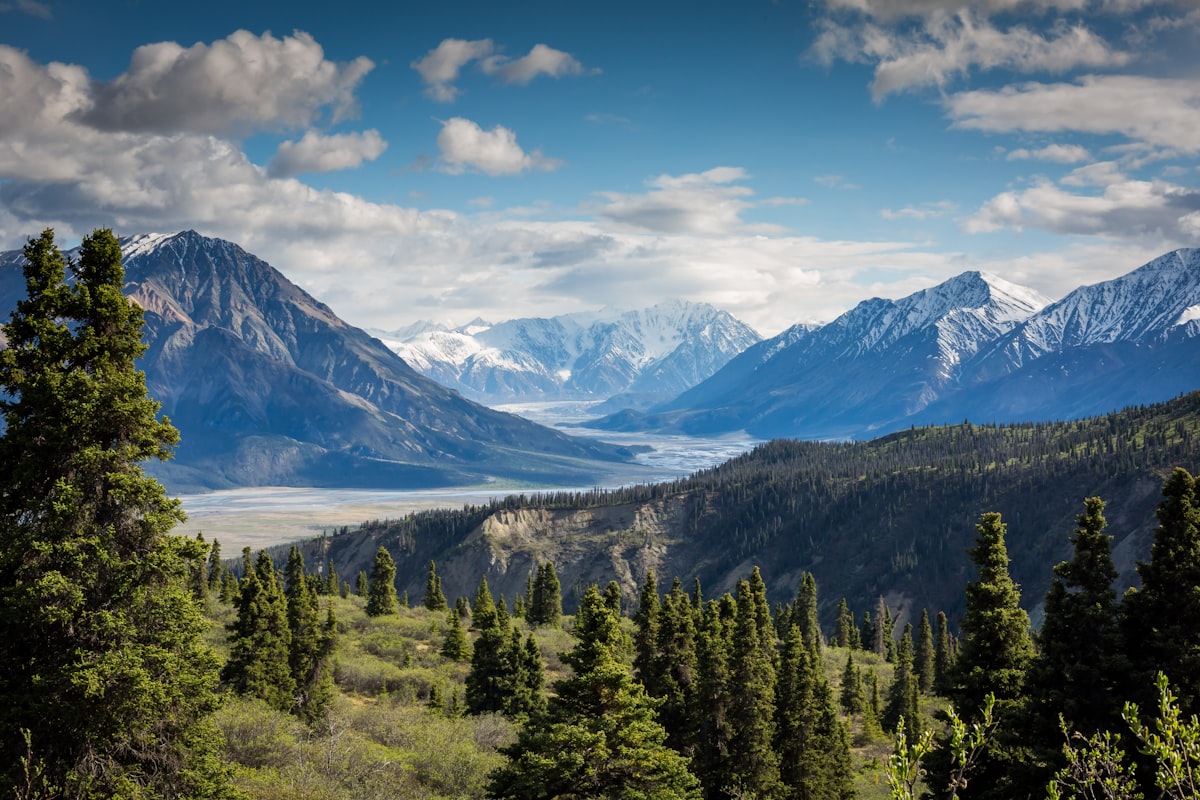
The eagle country is also some of Xinjiang’s most beautiful winter landscape: birch forests, frozen rivers, and the same mountains that feed the Kanas and Hemu lakes in summer. If you build a winter trip around the hunt, pair it with the Koktokay (Keketuohai) Altai range and, in warmer months, the grasslands where the same Kazakh families move their yurts. The hunting is the headline, but the Kazakh hospitality — yurts, guests, and feasts is what you will remember. Time your visit for January or February if you want both deep snow and the best chance of a festival, and leave a buffer day in case a blizzard closes the mountain road.
Choosing your weeks
Spring and early summer
Both coexist. Festivals and demonstrations are arranged for visitors, but the skill is genuine and many participants are hereditary hunters. Ask for a village homestay to see the practice, not just the show.
Winter
Deep winter, roughly December to February, when the eagles are hunting fit and the snow makes the demonstrations possible. Late winter festivals are the most reliable group events.
When done through local guides who pay the hunters fairly and respect the birds, yes — it supports a heritage and a winter income. Avoid anyone offering to handle the eagle roughly or pose with it unsafely.
Minus 15 to minus 30 Celsius is normal. Layer aggressively, bring real winter boots, and carry hand warmers — you will stand still for long stretches.
Yes, the demonstrations are low-exertion, but the cold is severe and facilities are basic. Dress children and seniors very warmly and keep visits short.
Autumn
The Altai counties are generally open to foreign visitors, but border-zone rules change; confirm current permit requirements with a Xinjiang travel operator before you go.