Ulungur Lake (Fuhai): Xinjiang’s Inland Sea of Fish, Beaches and Winter Ice
Where a fact depends on a variable price, a season, or an event date that changes year to year, I say so and suggest you confirm locally. The goal is a practical, honest briefing you can plan around, not a travelogue dressed up as experience.
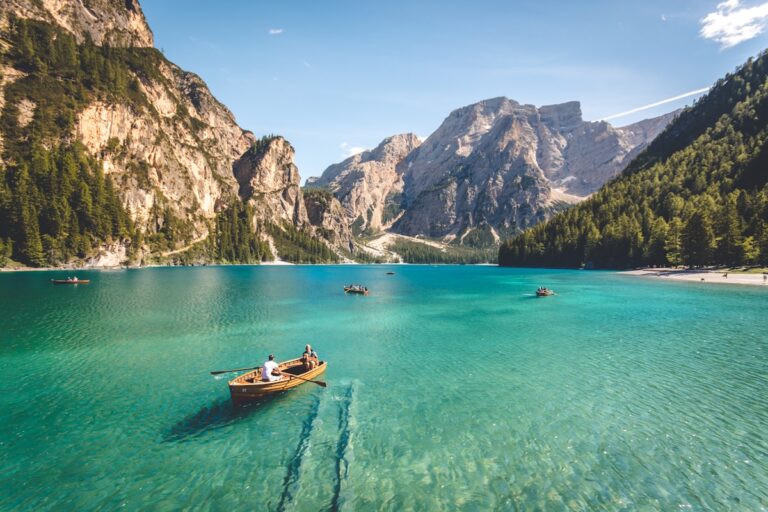
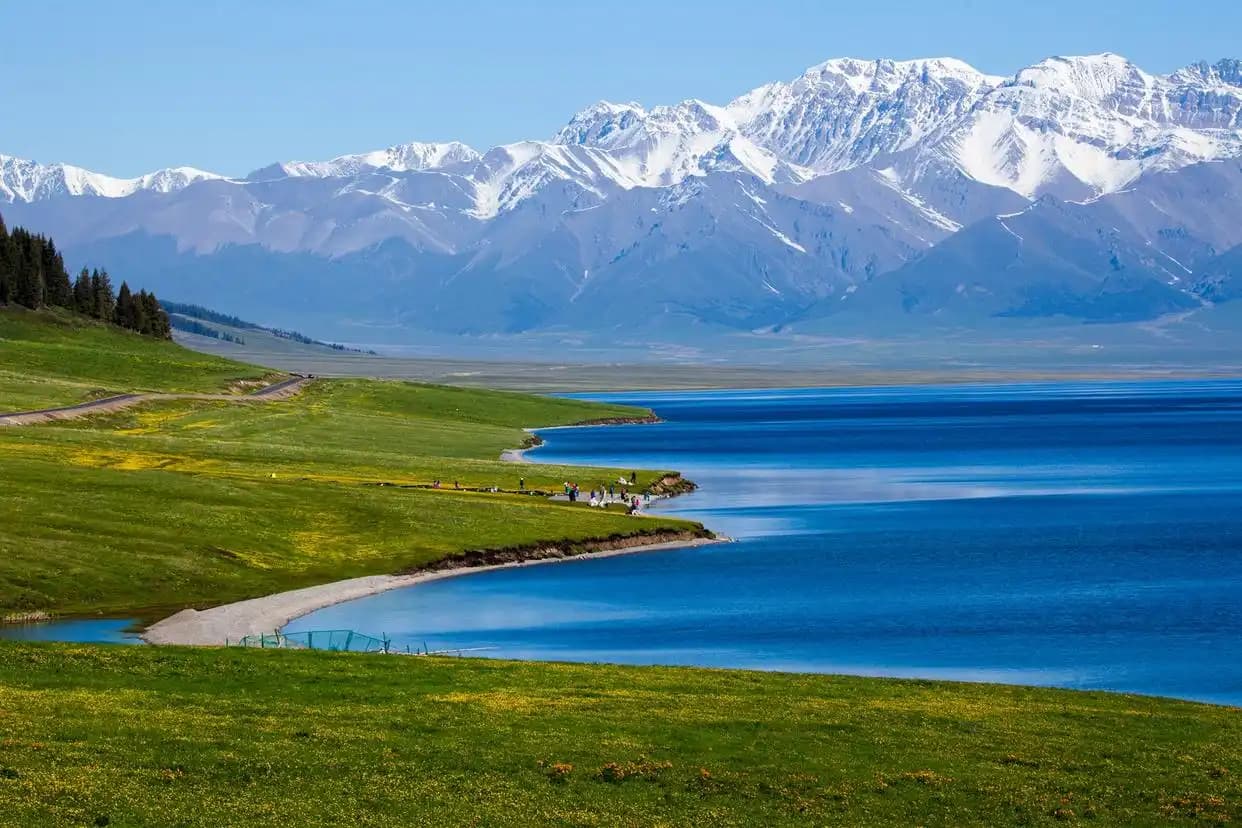
What the sources agree on is straightforward. Ulungur Lake (乌伦古湖) sits in Fuhai County (福海县), Altay Prefecture, in the far north of Xinjiang, not far from the borders with Kazakhstan, Russia and Mongolia. It is one of China’s larger inland lakes, with a surface area commonly cited around 827 square kilometers, fed mainly by the Ulungur River. Local tourism material describes it as an “inland sea” and promotes a sandy stretch of shore called Golden Beach (黄金海岸). It is known for a substantial freshwater fishery, for summer beach tourism, and for a winter ice fishing tradition where nets are pulled through holes cut in the frozen surface.
The setup
Ulungur Lake is unusual in Xinjiang because most of the region’s famous lakes are alpine and glacial: Kanas is a forested fjord lake, Sayram sits high on a mountain pass. Ulungur is different. It is a low, broad, shallow basin lake with a long sandy shoreline, which is why local tourism material describes it as a “sea” rather than a mountain lake. The lake is actually split into two connected parts in many descriptions: the larger main body (Ulungur Lake proper) and the smaller, more reed-filled Buluntuo Lake (布伦托海), also called the Small Sea. Travelers report that the open water, the wind off it, and the sand make it feel more like a coast than like the high-country lakes further south.
The fishery is the economic backbone. Official sources state that Ulungur is one of Xinjiang’s most important freshwater fishing grounds, producing cold-water and warm-water species including perch, bream, carp and several native fish. For decades the lake supplied a large share of Xinjiang’s market fish. That fishing heritage is what the winter festival celebrates.
Key facts at a glance:
- Location: Fuhai County, Altay Prefecture, northern Xinjiang.
- Surface area: commonly cited around 827 km² (sources vary slightly).
- Main water source: the Ulungur River.
- Nicknames: “inland sea,” “Golden Beach” (黄金海岸) for the sandy shore.
- Known for: freshwater fish, summer beaches, winter ice fishing.
- Nearest gateways: Fuhai town, Beitun, Altay City, and Burqin to the west.
Getting There: Reaching Ulungur Lake and Fuhai County
Ulungur Lake is in the north, so most foreign travelers reach it as part of a northern Xinjiang loop rather than as a standalone stop. The practical hub is Altay City, which has an airport (Altay Xuedu Airport) with flights from Urumqi and some other cities. From Altay City, Fuhai town is roughly a two-hour drive southeast, and the lake’s developed shore (including Golden Beach) is a further short hop. Travelers report that Beitun, a railway and logistics town, is another common base and is well positioned for onward travel toward Burqin and Kanas.
By road, the lake is reached from the G216 and connecting county roads. If you are coming from Urumqi by car or bus, expect a long northern drive of many hours, often broken with an overnight in Altay or Beitun. Many visitors arrive from the Burqin side, because Burqin is the gateway to Kanas and the Burqin to Kanas route is already on most northern itineraries. Pairing Ulungur with a Kanas or Koktokay trip is the most efficient way to see it.
Public transport exists but is limited compared with southern Xinjiang. Travelers report that getting to the lake’s developed beaches is easiest with a private car, a driver, or a rental, since the shoreline spots are spread out and not all are served by frequent buses. Plan your logistics before you arrive rather than hoping to piece it together on the spot.
Tickets, and what they run to
Prices at Chinese scenic areas change, and Ulungur’s shoreline developments (Golden Beach and similar spots) are managed separately from the open lake, so confirm at the gate. Traveler reports put entry to the developed beach areas in the modest range, with some citing around 30 RMB as of 2025 for a basic ticket, while other shoreline and activity areas may be priced differently. Treat that as a planning estimate, not a quote.
Other costs to budget:
- Transport: a private car or driver for a day from Altay or Beitun will be the largest line item; public buses are cheaper but slower and less flexible.
- Food: lake fish is the local specialty and is reasonably priced at lakeside restaurants, though tourist-zone pricing applies at the most developed beaches.
- Activities: boating, beach access, and festival-area entry may be charged separately during peak season and during the winter event.
- Accommodation: Fuhai and Beitun have budget and mid-range hotels; lakeside stays cost more in summer.
As with any Chinese attraction, the safest move is to check the latest price on the official scenic-area channel or a current traveler review before you go, then confirm at the ticket window. Ulungur offers two very different seasons, and they barely overlap.
Summer (roughly June through August) is the beach season. Local tourism material describes Golden Beach as a swimming and sunbathing destination, with warm shallows, sandy shore, and water sports. This is when the lake looks most like a seaside resort and when family travel peaks. Days are long and the northern Xinjiang climate is milder than the desert south. If you want open water, sand, and fish dinners by the shore, come in summer.
Deep winter (around December through January) is the ice season. Official sources and traveler reports describe the winter fishing festival (冬捕节) as the headline event, when the lake freezes solid and fishermen cut holes in the ice to haul nets of fish. The spectacle is the net-pulling, the volume of fish, and the cold-open-air atmosphere. Dates are announced annually and are not fixed, so if the festival is your goal, check the current year’s schedule before booking. For background on traveling the region in the cold months, see our guide to Xinjiang in winter.
Spring and autumn are transitional: quieter, colder water, fewer services at the beach developments, but good for travelers who want the lake without crowds. The shoulder seasons also suit a broader northern loop, and our best time to visit Xinjiang guide covers the regional picture.
The comparison below sums up the choice.
| Season | What Ulungur Offers | Crowds | Notes |
|---|---|---|---|
| Summer (Jun–Aug) | Beach, swimming, water sports, fresh fish | High at Golden Beach | Family season; book stays ahead |
| Winter (Dec–Jan) | Ice fishing festival, net-pulling spectacle | Event-focused | Dates announced yearly; confirm |
| Spring / Autumn | Quiet shoreline, birdlife, few services | Low | Best for solitude, weak for beach amenities |
The itinerary I would follow
Ulungur works best as a one- or two-day addition to a northern Xinjiang route. Below is a timed two-day plan that pairs the lake with the Burqin and Kanas direction, which is the realistic way most travelers fit it in. Timings are illustrative based on reported drive times; adjust for your own transport.
Day 1: Arrive and explore the shore
- 07:30: Depart Altay City or Beitun by private car after an early breakfast.
- 09:30: Arrive Fuhai town; brief stop for supplies and a local breakfast if missed.
- 10:30: Reach Golden Beach (黄金海岸); walk the sandy shore and take in the open water.
- 12:30: Lakeside lunch of freshly cooked fish at a shore restaurant.
- 14:00: Boat ride or lakeside walk; visit a fishing village or harborside area if open.
- 16:30: Drive to Burqin (west) or back toward Beitun; settle into your base for the night.
- 19:30: Dinner in Burqin’s riverside night market if you chose the Burqin side.
Day 2: Festival or onward loop
- 08:00: If visiting in winter, travel to the festival site early for the net-pulling demonstration.
- 11:00: Watch the ice fishing and sample or buy fresh-caught fish sold on site.
- 13:00: Lunch near the event area, then begin the drive west.
- 15:00: Continue toward Kanas via Burqin, or return to Altay for your flight.
- 18:00: Arrive at next base; if Kanas is the goal, see our Kanas Lake guide for the next steps.
For a fuller northern loop that includes this area, our 7-Day North Xinjiang Itinerary lays out a route across the region’s lakes and grasslands.

Where the beds are
Accommodation near Ulungur is practical rather than luxurious. Fuhai town has the widest range of ordinary Chinese hotels at reasonable prices, and it is the sensible base if you want easy access to the lake by day and normal town amenities by night. Beitun is another solid base, especially if you are traveling by train or continuing east or west by road.
At the lake itself, the developed beach areas offer lakeside stays in summer, from basic guesthouses to resort-style rooms at Golden Beach. Travelers report these fill up in July and August and during any festival period, so book ahead in peak season. Altay City is the best choice if you are flying in and out and want airport proximity plus more hotel variety.
Burqin, to the west, is the strong pick if you are combining Ulungur with Kanas, because you can sleep in Burqin and use it as the launch point for both the lake and the Burqin to Kanas drive. In winter, staying closer to the festival site or in Fuhai saves a cold pre-dawn drive.
What & Where to Eat Nearby
The food story at Ulungur is simple and strong: fish. Local tourism material and traveler reports both emphasize the lake’s freshwater catch, cooked in ways that suit a cold northern climate. Expect whole fish boiled or steamed to keep the meat sweet, fried small fish as a snack, and hearty fish soups and stews. Perch, bream and carp are the common menu items; cold-water species are prized for firmer flesh.
Where to eat:
- Lakeside restaurants at Golden Beach and other developed shores: freshest fish, tourist-zone prices, busy in summer.
- Fuhai town: more everyday restaurants, lower prices, and a chance to eat where locals eat.
- Burqin night market: a lively riverside food scene if you base on the west side; good for grilled fish and snacks.
- Festival site in winter: vendors often sell fish cooked on the spot near the ice holes.
Outside fish, northern Xinjiang food around Altay leans toward lamb, noodles and dairy, reflecting the region’s Kazakh and other local cultures. Summer days at the shore can be warm but the wind off the open water is cold; winter is severe, with deep cold on the ice.

Small questions, straight answers
Is Ulungur Lake the same as Kanas Lake?
No. Ulungur Lake is a broad, shallow, sandy-shore lake in Fuhai County, while Kanas is a deep alpine forested lake further west near Burqin. They are different in character, altitude and season, and are usually visited as separate stops on a northern loop.
When is the Ulungur winter fishing festival held?
Official sources and traveler reports place it in the deep winter period, typically around December through January, but the exact dates are announced annually. If the festival is your main reason to come, check the current year’s schedule before booking transport and stays.
Can you swim at Ulungur Lake?
Local tourism material promotes Golden Beach as a summer swimming and beach destination, and travelers report warm shallows in summer. Conditions and lifeguard coverage vary by developed area, so follow on-site guidance and avoid unmanaged stretches of shore.
How do I get to Ulungur Lake without a car?
Fly to Altay City, then use buses or a hired driver to Fuhai and the lake. Public transport to the developed beaches is limited, so a driver or rental is the most reliable option for reaching the shoreline spots.
What fish is Ulungur Lake known for?
Official sources describe it as a major Xinjiang freshwater fishery producing perch, bream, carp and other species. Lake fish is the signature thing to eat there, cooked boiled, steamed, fried or in soup.
Is Ulungur worth visiting if I am already going to Kanas and Sayram?
It offers something the others do not: a sandy, sea-like shore and a working fishery with a winter ice-fishing tradition. If your route already passes Burqin or Altay, it is an easy add. If you must choose among lakes, compare the trio below.
| Lake | Character | Crowds | Best Season | Access |
|---|---|---|---|---|
| Ulungur Lake | Broad, sandy, “inland sea,” fishery | Moderate at beaches | Summer beach / winter ice | Near Fuhai, Altay, Beitun |
| Kanas Lake | Alpine, forested, fjord-like | High in autumn | Autumn colors, summer green | Via Burqin, far west Altay |
| Sayram Lake | High mountain pass lake, windswept | Growing, ring-road access | Summer flowers, clear water | Ili highway ring road |
How long should I spend at Ulungur Lake?
Most travelers give it half a day to a full day from a nearby base, or two days if pairing the shore with the winter festival or an overnight lakeside stay. It rarely needs more than that unless you are deliberately slowing down.
Similar Posts
Aksu, Xinjiang: A Traveler’s Guide to the Southern Silk Road’s Oasis Gateway
Aksu Xinjiang: A Traveler’s Guide to the Southern Silk Road’s Oasis Gateway Aksu Xinjiang sits at the northwestern edge of the Tarim Basin, where the snowmelt-fed Aksu River carves a green ribbon of farmland out of the Taklamakan Desert. Prices, opening hours, and road conditions change frequently in this part of Xinjiang, so every figure…
Chaiwopu Lake: Urumqi’s Saline Lake and the Tianshan Backdrop
Chaiwopu Lake is a saline lake about 45 kilometers southeast of Urumqi in the Dabancheng district, sitting at the northern foot of the Tianshan range. This guide is compiled from tourism bureau materials, visitor reports, and geographic sources rather than a personal visit, and it aims to give independent travelers a realistic picture of what…
The Dolan People: Xinjiang’s River-Bank Culture of Music and Grit
A look at the Dolan, a community of the Tarim riverbanks known for a raw musical tradition and a resilient way of life.
Korla (Kurla): The Pear City Gateway Between the Tianshan and the Taklamakan
A research-based Korla travel guide to the Pear City: flights, trains, Bosten Lake, Tiemenguan, the Taklamakan Highway start, costs and a 3-day plan.
Kizil Caves: The Oldest Buddhist Cave Art in China — A Complete Guide
Discover Kizil Caves (克孜尔石窟) in Xinjiang—the earliest Buddhist cave art in China, with 236 caves dating from 300-1200 AD. Complete visitor guide with tickets, transport, and cultural context.
Tashkurgan: Stone City, Golden Grass Beach & Tajik Heritage
At 3,090 meters on the wind-scoured edge of the Pamir Plateau, Tashkurgan — the name means “Stone Tower” or “Stone Fortress” in Persian/Uyghur — is the las…