Layering for Xinjiang: Packing Clothes for Desert Heat and Mountain Cold
Why bother coming
Xinjiang is a land of violent temperature swings that catch first-time visitors completely off guard. In a single day you can bake in 38°C desert heat near Turpan and then shiver at a 3,000-meter pass where the wind cuts like a blade. Packing for this region is less about a generic checklist and more about a system: the art of layering. Get it right and you stay comfortable from the Flaming Mountains to the glacier-fed lakes of the Tianshan. Get it wrong and one wrong turn in altitude or weather turns a dream trip into a miserable one.
Climate varies wildly by region, too. The Tarim Basin in the south is bone-dry and hot; the Ili Valley in the west is green and temperate; the Altai in the north is cold and forested. A jacket that works in Kashgar in April may be useless in Kanas the same week. This guide focuses on one practical question: how do you pack clothes that handle both desert heat and mountain cold without hauling three suitcases? The answer is layering, smart fabric choice, and a handful of Xinjiang-specific items most travelers forget.
The principle behind good layering is simple to state and harder to do well. Your body generates heat as you move and loses it as you rest; your environment swings from blazing to freezing within hours. A single thick coat cannot adapt, but three thin pieces can be added and removed a dozen times a day. That adaptability is the whole game in Xinjiang, where the difference between a good day and a bad one is often whether you dressed for the pass you will cross at 4 p.m., not the city you left at 9 a.m.
The drive in
Most international and domestic visitors fly into Urumqi Diwopu International Airport, the region’s main hub, then connect by air or long-distance train to outlying bases like Kashgar, Yining, Altay, or Korla. If you are flying in from another Chinese city, pack your layers in your carry-on rather than checked luggage. Domestic hops are reliable, but a delayed suitcase in a city that swings 20°C between noon and midnight is no joke, and replacement shopping for technical gear is limited outside Urumqi. Keep a full set of base and mid layers within reach so you can assemble an outfit the moment you land.
For those arriving by rail, the same rule applies: keep a light layer and a warm layer accessible at the top of your bag. Train stations and airports are climate-controlled, but the walk to the taxi rank at 6 a.m. in October can be near freezing even in the south. If you are self-driving from Urumqi toward the mountains, you will gain altitude quickly, so dress for the destination’s elevation, not the departure city’s temperature. A compact down jacket stuffed in your daypack earns its weight on every mountain detour, and a pair of lightweight gloves takes no space at all.
When the months work
Late spring, from May to June, and early autumn, from September to October, are the sweet spots for scenery, but they are also the most demanding for layering. Days are warm and sunny; nights drop sharply. In the mountains, even July nights can fall below 10°C, and at passes like the Duku Highway summit you may meet snow any month except high summer. The contrast between a hot valley floor and a cold ridge an hour’s drive away is the defining packing challenge of the region, and it is exactly why a rigid suitcase of single-purpose clothes fails here.
Winter, from November to March, brings extreme cold but stable, dry conditions where a proper down jacket and insulated pants solve everything. Spring and autumn are trickier precisely because the range is so wide. The key takeaway is simple: there is no single best season for light packing in Xinjiang. Every season demands a system you can add to and strip down as the day unfolds. Plan your wardrobe around the coldest moment you will face, usually dawn at altitude, and peel off from there as the sun climbs. If you pack for the morning, the afternoon takes care of itself.
The places worth your time
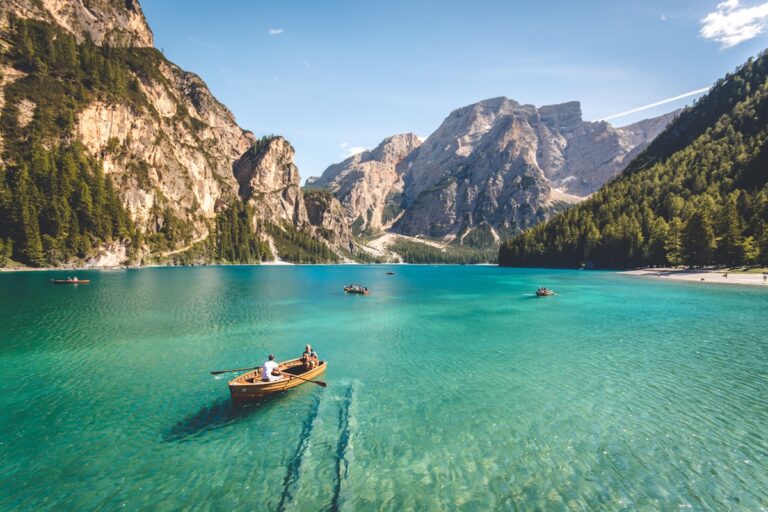
The places where layering matters most are the high passes and the desert basins, often visited on the same trip. Drive the Duku Highway and you will start the morning in alpine meadows near Nalati, where frost sits on the grass, and end the afternoon in the red heat of the Tianshan Grand Canyon. Stand at the edge of Sayram Lake at dawn and your breath will fog in the cold; by midday you may be in a t-shirt walking the lakeshore. Few places on earth ask your closet to work so hard in one day, and the road rewards those who planned for both ends of the thermometer.
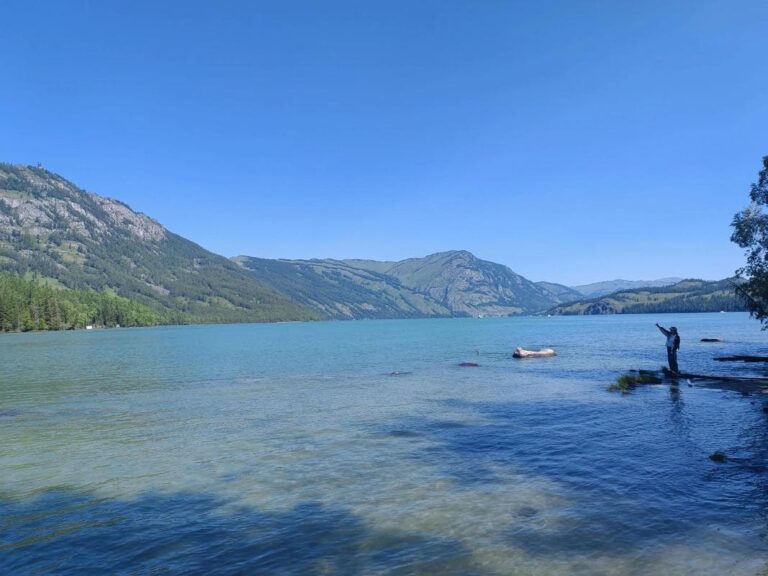
In Turpan’s basins the reverse is true: midday is brutal, but the evening breeze after visiting the Flaming Mountains cools fast, and the overnight drop into the low teens is a shock if you dressed only for noon. Kanas and Hemu in the far north are the ultimate layering test, with golden birch mornings that begin near freezing and warm by lunch, then cool again as fog rolls through the valley. Each microclimate is a separate item on your packing list, not a footnote, and travelers who ignore this end up buying a second jacket they could have brought from home.
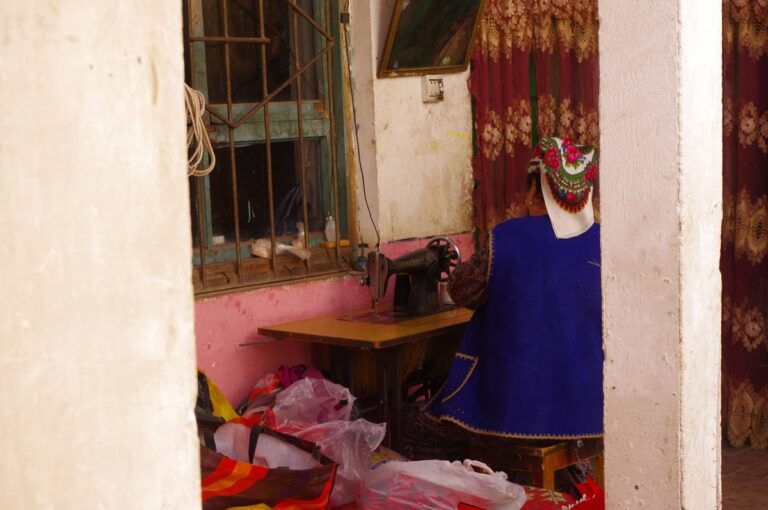
Spend time in local markets and you will notice Uyghur, Kazakh, and Hui residents themselves dress in layers year-round, a quiet reminder that this is survival dressing, not fashion. Watch how a herder pairs a heavy coat with a thin inner layer, or how a market vendor keeps a jacket draped ready for the evening. Their instinct is your best teacher, refined over generations in exactly this climate, and copying it costs nothing but attention and a willingness to watch.
Practical shortcuts
Build your system in three parts. First, a moisture-wicking base layer in merino wool or synthetic fabric; cotton is the enemy because it holds sweat and chills you once the sun drops. Second, an insulating mid-layer such as a fleece or a light down jacket that compresses small enough to live in your daypack. Third, a shell that blocks wind and dust. The shell is non-negotiable in Xinjiang, where wind carries fine desert grit that gets into zippers, cameras, and lungs, and where a sudden squall on a pass can drop the felt temperature by ten degrees in minutes.
Bring a sun hat and a warm beanie in the same bag, plus a buff or neck gaiter that doubles as dust protection on desert highways and warmth on passes. Footwear should be broken-in and capable of handling both sandy paths and dewy grassland; trail shoes beat fashion sneakers. A pair of lightweight gloves weighs nothing and saves your hands at every high overlook when the wind bites, and a spare pair of dry socks is the unsung hero of long travel days spent in and out of the car.
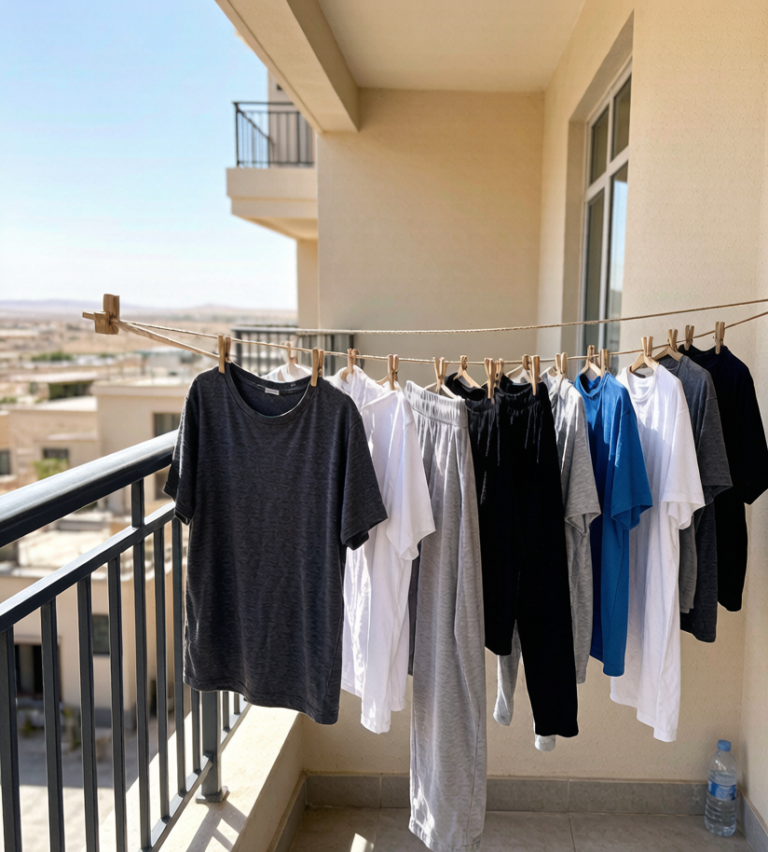
Do not over-pack bulky sweaters. Three thinner layers beat one thick one because you can adjust infinitely as conditions shift. Roll clothes to save space, and keep your rain shell and a warm layer in your daypack for any excursion above 2,000 meters. Finally, pack a small laundry line; with the right base layers you can wash and wear, cutting your total volume in half and keeping you fresh across two-week trips where laundry stops are rare and the next one may be a thousand kilometers down the road.

Day trips nearby
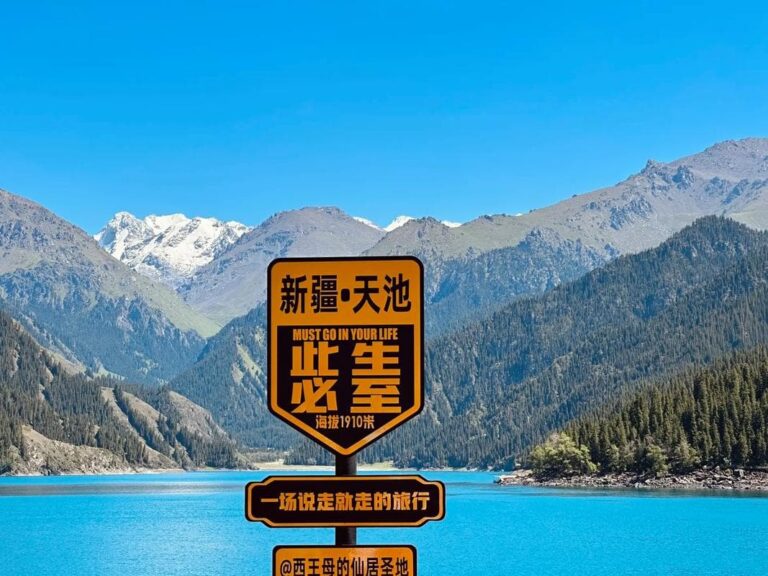
If you want to test your layering system without leaving the Urumqi area, Heavenly Lake (Tianchi) is the perfect nearby lab: a two-hour drive that climbs from city warmth to mountain chill, letting you feel the change in real time. Around Kashgar, the Karakoram Highway climb to Karakul Lake is another instant lesson in altitude dressing, where the wind off Muztagh Ata is fierce even in summer and a shell is mandatory within minutes of stepping from the car.
For a controlled experiment close to the capital, the Tianshan Grand Canyon shifts from warm trailheads to cold, shaded gorges within minutes of walking. Each of these spots is reachable on a day trip, making them ideal for fine-tuning what you actually need before a longer journey. Treat the first day as a dress rehearsal and you will pack smarter for everything that follows, and you will thank yourself when the real passes come and the wind decides to introduce itself.
What is worth carrying home
Layering is the single most useful packing skill for Xinjiang. Build a flexible system of base, mid, and shell layers, keep them accessible, and you will handle any swing the region throws at you. Pack light, dress smart, and let the landscape do the rest. The travelers who suffer most are not the ones who brought too little, but the ones who brought the wrong thing; a thoughtful three-layer kit outperforms a heavy suitcase every time, and leaves room for the souvenirs you will inevitably buy along the Silk Road.