
Xinjiang Ice Cream (Muzigao): The Sweet, Stretchy Street Treat
The draw
On a hot Xinjiang afternoon, the most refreshing thing you can buy is not a soda but a cone of muzigao. This local ice cream — the name is Uyghur for a style of frozen dairy — is denser, tangier, and more elastic than the pale tubs in a Western freezer. It eats like a cross between gelato and frozen yogurt, with a clean dairy flavor and a faint sourness that keeps it from ever being cloying.
What makes muzigao distinctive is its texture. Good Xinjiang ice cream is beaten until it turns slightly stringy, so a scoop pulled from the tub stretches a little before it breaks. That chew, combined with the natural tang of the milk, is the signature. It is usually served plain or with a scatter of crushed nuts, and it tastes of cream and sunshine rather than artificial sweetness.
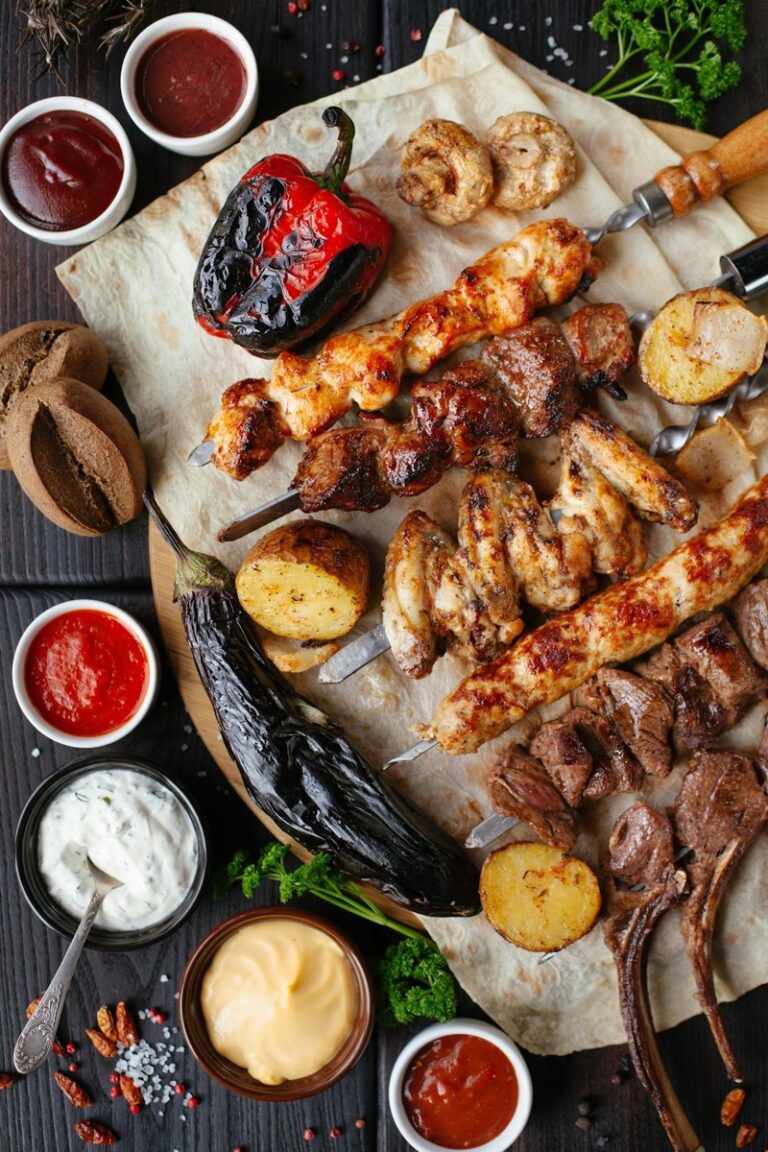
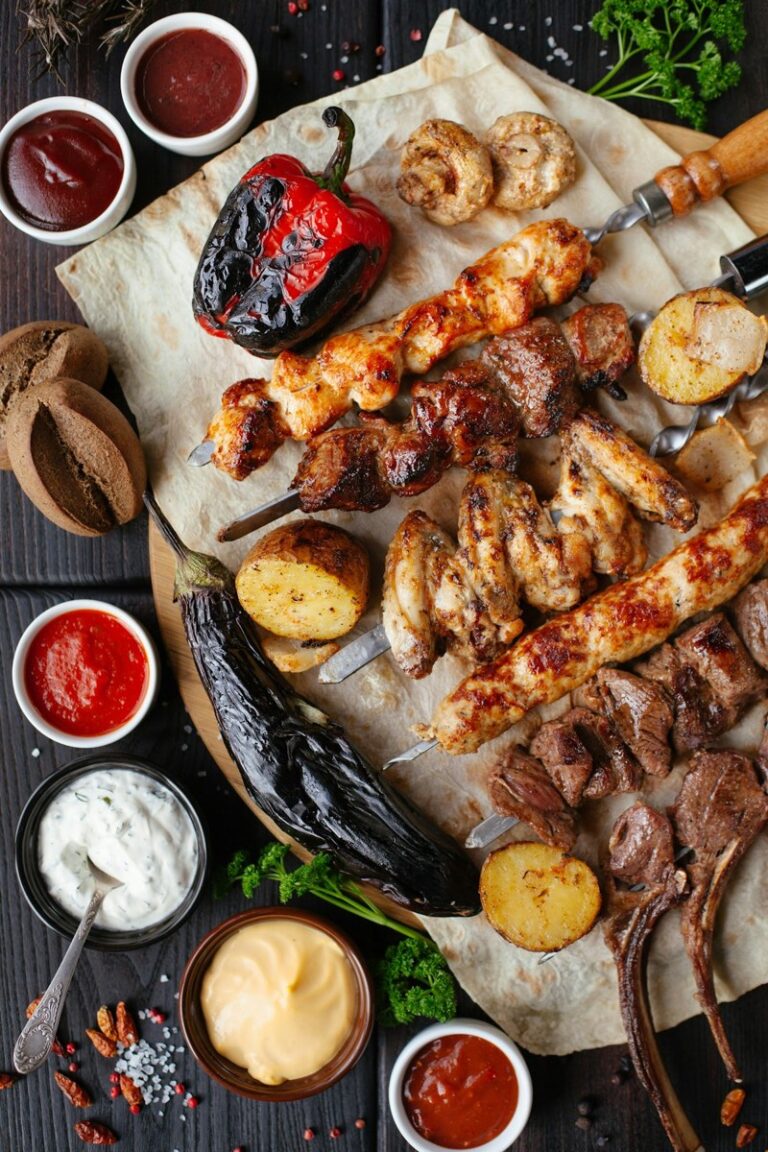
For travelers, muzigao is the perfect street dessert. It is cheap, handheld, and available from Urumqi to Kashgar, and it offers a cooling counterpoint to the region’s heavy grilled and fried foods. After a plate of lamb skewers or a tray of göshnan, nothing resets the palate like a cone of the local ice cream.
There is a regional pride wrapped up in the stuff, too. Muzigao is the dessert that local children grow up on and that adults crave in heat waves, and the best carts are often run by families who have churned the same recipe for decades. Ordering one is less a transaction than a small participation in a daily rhythm that the cities share from the Ili Valley to the Tarim Basin, and that shared habit is part of what makes it feel so authentically Xinjiang.
How you reach it
Muzigao is sold from dedicated ice cream carts and small dairies rather than ordinary restaurants, and the largest concentration is in Urumqi. Look around the International Grand Bazaar, the Erdaoqiao district, and the busy pedestrian streets of the city center, where brightly painted carts do a steady trade through the warm months. The carts are easy to spot by the stainless tubs and the queues of kids.
Kashgar and the southern towns have their own versions, often slightly different in texture — firmer in the heat, sometimes topped with local nuts or dried fruit. In Hotan and Yarkand you will find roadside vendors with hand-cranked freezers that produce a coarser, more rustic scoop. Reaching these spots is just a matter of walking the evening markets; the ice cream finds you as much as you find it.
University districts and night-market strips are the most reliable hunting grounds in any city, because students and late shoppers are the core customers. In Urumqi the area around the big pedestrian malls and the bazaar stays busy past ten, which is exactly when a cone hits hardest. Wander those strips after dinner and you will trip over a cart every few hundred meters in summer.
How the season shifts
Muzigao follows the weather. It is a warm-season treat, most abundant from May through September when the carts come out and the crowds want something cold. Summer in Xinjiang is dry and intensely hot, which makes the ice cream not just enjoyable but necessary, and the vendors respond by running later into the evening when the bazaars are busiest.
In the depths of winter the carts largely disappear, though some indoor dairies in the big cities keep a version available year-round. If your trip is in the cold months, ask at a milk tea shop or a bakery that handles dairy; you may still find a scoop. But for the full experience — cart, crowd, and heat — aim for a summer evening and let the ice cream be your dessert after dark.
Within the warm season, the late-evening window is best. Vendors stock up through the afternoon and the tubs are at their freshest after a full day of churning, while the cooler night air means the cone survives longer in your hand. A muzigao bought at nine in the evening, walking a lit bazaar lane, is the Platonic ideal of the Xinjiang street dessert — fresh, cold, and surrounded by the right noise.
Which sights earn their keep
Part of the fun is watching the churn. Traditional muzigao makers freeze the sweetened milk in a hand-cranked barrel packed with ice and salt, turning the handle until the mixture thickens to the right stretch. Some modern vendors use electric machines, but the small-cart version still relies on muscle and ice, and you can often watch the whole process from the sidewalk.
Ordering is simple: point at the tub, indicate one or two scoops, and choose your topping if offered. The classic is plain, sometimes with a dusting of crushed walnut or a few raisins. The ice cream’s natural tang means it needs no syrup, and purists take it straight from the scoop. Eat it quickly — Xinjiang’s heat melts a cone faster than you might expect, and a dripping hand is part of the ritual.
Try it as a bridge between meals. Muzigao works as a palate cleanser after a spicy kebab round or as a light finish to a night-market crawl. Because it is dairy-based and not too sweet, it sits easily after a heavy dinner in a way that cake or candy never could. Two scoops is the right portion for most people, three if you are committed.
If you find a cart that also sells a yogurt version, try both side by side. The line between muzigao and the region’s thick strained yogurt is thinner than visitors expect, and tasting them together shows how the same milk becomes two different pleasures depending on how much it is frozen and whipped. That small comparison is a tidy lesson in Xinjiang’s dairy craft, served up for the price of two cones.
Small things that help
Buy from a busy cart where the turnover is high, since fresh-churned ice cream tastes noticeably better and is safer in the heat. Watch the vendor’s hygiene — a clean scoop and a covered tub are good signs. Carry small cash; many carts do not take cards or phones, and a few yuan covers a cone. If you have a dairy sensitivity, skip it, as muzigao is pure milk with little else.
Halal status is not an issue with ice cream itself, but in conservative areas avoid eating it openly during daytime in Ramadan out of respect. Otherwise, indulge freely. The treat is family-friendly and widely loved, so it is also a great way to charm children you meet or to share a cheap delight with a local family during a homestay.
Eat it standing or walking, not as a sit-down course. Muzigao is engineered for the street: it melts fast and tastes best cold, so the moment it is in your hand is the moment to start. Trying to save it for later or photographing it at length usually ends in a puddle, which is the one reliable way to waste a perfectly good Xinjiang dessert. Move quickly and enjoy the melt.

Trips from here
In Urumqi, the International Grand Bazaar is the natural home base for a muzigao crawl, with food stalls, performances, and the ice cream carts all in one dense area. In Kashgar, the Old Town and the evening market near Id Kah Mosque are where the southern version shines, and the Sunday Bazaar makes a full day of eating and browsing. Hotan’s night market is the southernmost stop for the treat.
If you are building a food-focused route, let muzigao be the daily dessert that bookends your savory adventures. It travels well in memory if not in hand, and trying the Urumqi style against the Kashgar and Hotan versions turns a simple sweet into a small regional study. Pair each cone with a different bazaar and you will taste the subtle local accents for yourself.
For families with children, the ice cream crawl is the easiest way to win over young travelers who may be wary of the region’s bolder flavors. A cone of familiar-but-different muzigao can reset a frazzled afternoon and buy goodwill for the next mosque or museum. Treat it as strategic parenting as much as dessert, and the whole day goes smoother for everyone.
What to bring home
Xinjiang ice cream is the region’s most underrated dessert. Dense, tangy, and faintly stretchy, muzigao is what every supermarket tub wishes it could be, and it costs almost nothing from a roadside cart. It is the cool note that balances the region’s bold, fatty, grilled table.
Next time the heat bears down on a Xinjiang market, skip the bottled drink and find the ice cream cart. A cone of muzigao will cool you faster, taste better, and give you one more reason to love a region that turns even dessert into something with character.
And when you have tried it in three cities and decided, wrongly but happily, that your favorite cart makes the best one, you will have done exactly what locals do. Muzigao is not a destination; it is a daily habit, and adopting it for the length of your trip is the closest a visitor can get to eating like a local without the lamb and the languages.