Naren (Narin): Xinjiang’s Festive Hand-Pulled Noodle Dish
Why this is on the route
If laghman is the everyday noodle of Xinjiang, naren is its dressed-up cousin reserved for the moments that matter. Naren is a dish of wide, hand-pulled noodles laid under a mound of braised meat, traditionally eaten with the hands at weddings, circumcisions, and major holidays. Where a bowl of laghman is a quick solo lunch, naren is a communal centrepiece, a sign that the host is marking an occasion rather than just feeding you.
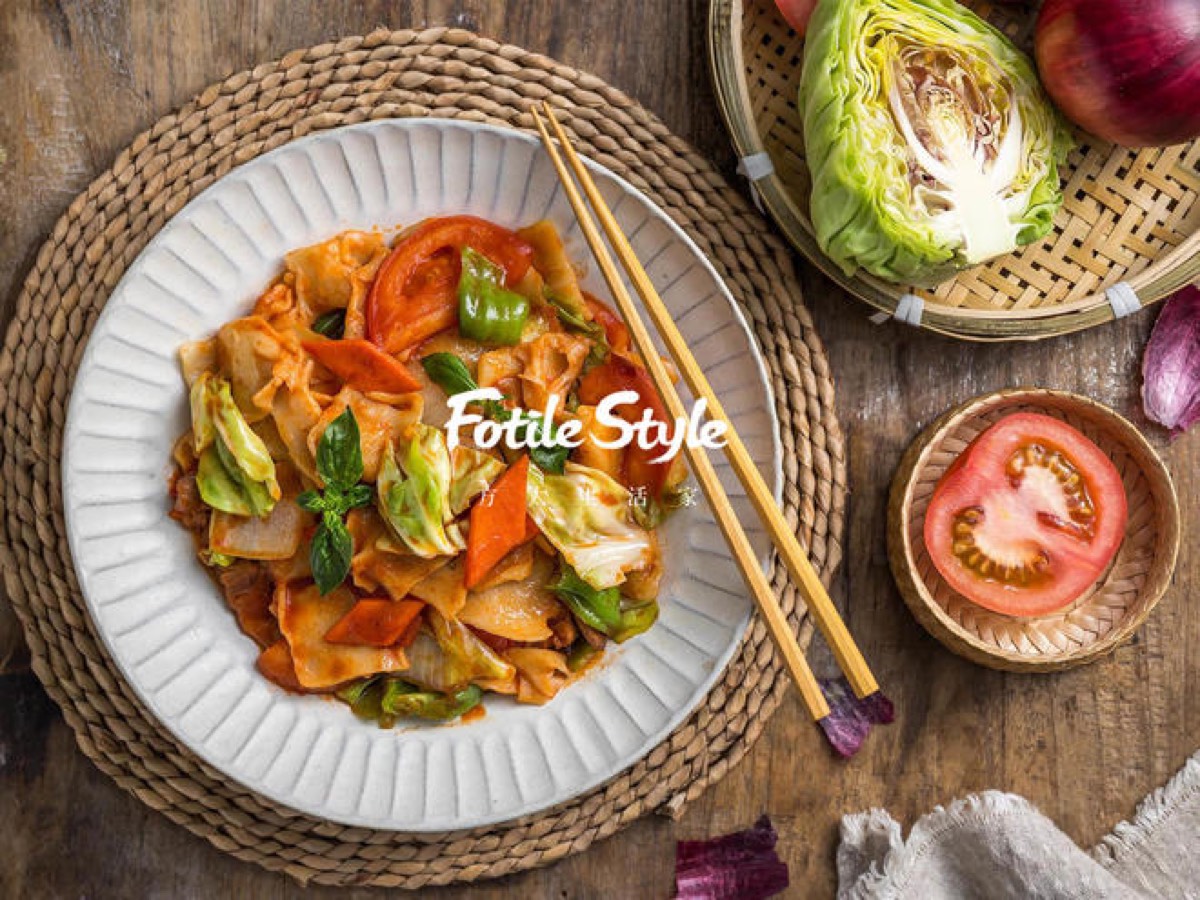
The dish goes by several spellings — naren, narin, naaryn — across the Turkic world, and each region tweaks it slightly. In Xinjiang the Uyghur version centers on hand-pulled ribbons of wheat noodle topped with lamb or beef that has been slow-cooked until it shreds. The meat is often mixed with the noodle cooking water and a little onion, then piled high so the noodles underneath stay separate and silky rather than soggy.
What makes naren special is not a secret ingredient but the context. It is the dish that appears when a family wants to show respect to guests, which means that for a traveler, being offered naren is a small honour. You are far more likely to encounter it at a village wedding or a holiday table than in a city restaurant, and that is exactly where you should go looking for it.
There is also a gendered and generational rhythm to naren that visitors rarely see written down. The pulling of the noodles and the carving of the meat are traditionally men’s work at a big banquet, while the laying of the platter and the serving of guests fall to the women of the household. Watching this quiet division of labour at a village celebration tells you more about rural Xinjiang than any guidebook paragraph, and it is one of the reasons the dish feels so alive.
The roads you are actually on
Naren is hardest to find on a normal restaurant menu, so the best strategy is to time your visit to a festival or to befriend a local family. In rural areas around Kashgar, Hotan, and the oasis towns of the Tarim Basin, wedding banquets are the reliable source. Ask at your guesthouse or a local guide; in smaller communities a foreign visitor at a celebration is usually welcomed warmly rather than turned away.
If you want a restaurant approximation, look for Uyghur houses in Urumqi or Yining that advertise hand-pulled noodle banquets, and ask whether they can prepare naren for a group. It is rare, but some kitchens will make it if you order ahead for several people. The International Grand Bazaar area in Urumqi is the most likely urban starting point, though even there it is a special request rather than a menu regular.
Another productive approach is to hire a local guide from a village near Kashgar or Yarkand for a day and simply ask to be taken to whatever family is celebrating. Guides in these areas often have kinship ties that open doors a stranger could never knock on. The cost is modest and the payoff — a seat at a real naren table — is the kind of experience that justifies the whole trip to Xinjiang.
Picking the right weeks
The prime season for naren is the spring festival calendar. Nowruz, the Persian New Year celebrated by Uyghur and Tajik communities in March, is the single best opportunity, with tables groaning under noodles and meat. Eid al-Fitr and Eid al-Adha later in the year are the other two moments when naren appears almost everywhere at once.
Wedding season in Xinjiang runs roughly from late spring through autumn, when the weather is kind and travel between villages is easy. If you are in the south during these months, ask around on a Friday — the traditional wedding day — and you may be invited to a banquet where naren is the headline act. Winter visits are quieter, and the dish is far less visible outside private homes.
If you miss the big holidays, do not give up. Birthdays, house-warmings, and the return of a relative from abroad all warrant a naren plate in village culture, so almost any weekend in the warm season holds a chance. The trick is to be present and flexible rather than to chase a fixed date; the dish comes to those who happen to be in the right courtyard at the right moment.
What not to skip
At a naren banquet the drama is in the assembly. The cook pulls the noodle dough into broad ribbons at the last minute, boils them briefly, and lays them on a large shared platter. The braised meat — usually lamb on the bone — is placed on top, sometimes with a separate bowl of the cooking broth to moisten everything. Guests gather around, and the eldest or most honoured eats first.
The eating is the part travelers remember. Traditional naren is eaten with the right hand: you pinch a clump of noodle, wrap it around a piece of meat, and dip it into the broth or a bowl of onion. Using the left hand is considered impolite, and utensils are often absent at the most traditional tables. Watching a skilled eater work through a platter of naren is its own kind of performance.
Beyond the eating, a naren banquet is a window into Xinjiang’s hospitality culture. Expect to be urged to take more, to have meat pressed onto your plate, and to be included in toasts of black tea or yogurt drink. Refusing too firmly can be read as rudeness, so the polite move is to accept a little and praise the cooking. The food is the excuse; the gathering is the point.
If you are lucky enough to be shown the kitchen, watch how the broth is reused. The liquid from braising the meat becomes the liquid for boiling the noodles, so nothing is wasted and the grain and the meat share one seasoned bath. That economy is the peasant logic beneath the festive spectacle, and it explains why naren tastes coherent rather than like separate components stacked on a plate.

Things worth pre-arranging
Etiquette matters more than technique with naren. Always use your right hand, accept food offered to you, and let elders begin. If you are a guest at a private celebration, a small gift such as fruit or sweets for the hosts is appreciated, though not required. Dress modestly, especially at religious or family events, and ask before photographing people at the table.
Do not expect a fixed price or a menu. Naren at a banquet is part of a larger spread, and you will not usually pay per plate. If you arrange a special order at a restaurant, confirm the price and headcount in advance. Vegetarians will struggle here — naren is fundamentally a meat-and-noodle dish — so flag dietary needs early or skip it for another specialty.
Bring an empty stomach and a patient attitude. A naren feast is not a thirty-minute meal but a two-hour social event with rounds of tea, speeches, and second servings. Rushing it is both impossible and rude. If your schedule is tight, tell your host when you must leave, but understand that the dish is meant to unfold slowly, and the slowness is the whole point of being there.

Nearby options
A spring Nowruz trip centered on naren pairs beautifully with Yining and the Ili Valley, where the apricot blossoms and green fields make the season vivid. In the south, the oasis towns around Kashgar and Yarkand are where village weddings are most common, and the Old Town’s lanes are worth exploring before any celebration. The Sunday Bazaar in Kashgar is also at its liveliest around festival dates.
If you find yourself at a rural banquet, treat the surrounding countryside as the attraction. Many naren feasts happen in village courtyards shaded by poplars, with the snow peaks of the Pamir or Tianshan visible in the distance. Build a half-day around the invitation rather than racing to the next landmark, and the meal will reward the slow pace.
After a banquet, a walk through the nearby fields or orchards helps digest both the food and the experience. The villages that host naren are often the same ones with the loveliest mud-brick architecture and the friendliest curiosity about visitors. Let the meal be the center of a slow day rather than a box to tick, and the whole region will open up around it.
What I would unpack from this
Naren is less a recipe than a ritual, and that is precisely why it belongs on a serious Xinjiang food list. It connects the region’s Turkic heritage, its noodle mastery, and its deep culture of hospitality into a single shared plate. You may have to work a little harder to find it than a street kebab, but the effort is the whole point.
Plan around a festival, say yes to an invitation, and eat with your hands. Naren will teach you more about Xinjiang in one messy, delicious sitting than a week of museum visits — and you will leave with a story that no guidebook can hand you.
Years from now you will forget the name of the hotel and the length of the drive, but you will remember the courtyard, the steam off the platter, and the hand that pressed the first piece of meat onto your plate. That is the true souvenir of naren, and it travels better than anything you could buy at the bazaar.