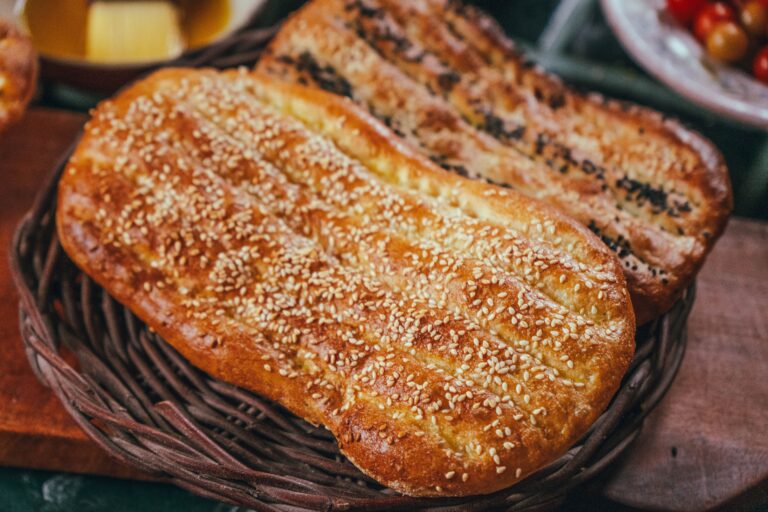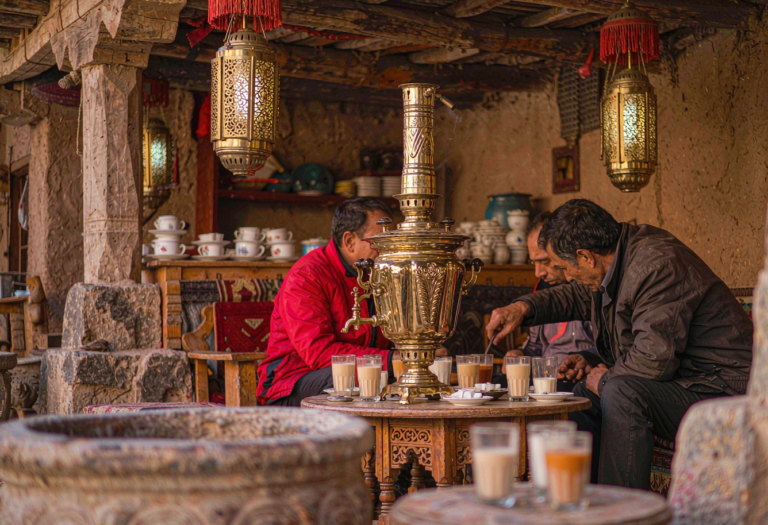
Xinjiang Big Plate Chicken (Dapanji): The Dish Every Traveler Should Try
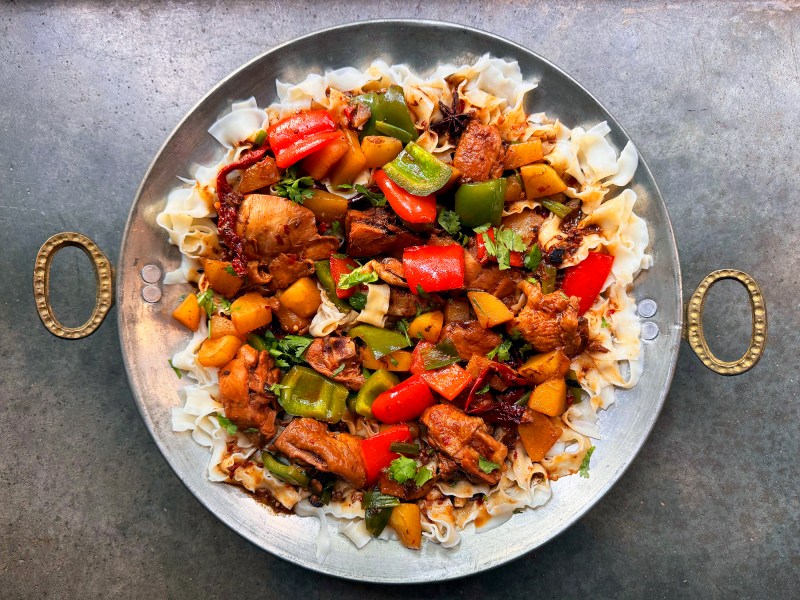
On my first night in Urumqi, a friend pushed a sizzling metal platter across the table and said, “This is Xinjiang on a plate.” It was dapanji — big plate chicken — and within two bites I understood why this dish is the default comfort food across the region. Chunks of bone-in chicken braised with potatoes, capsicum, and whole dried chili, then finished with wide, hand-pulled belt noodles that soak up the gravy. It is loud, communal, and unapologetically rich in the best way. If you eat one local dish in Xinjiang, make it this one.
What Exactly Is Dapanji?
The name says it plainly: da (big) pan (plate) ji (chicken). It arrived in the 1980s, born in Shawan, a small town on the road between Urumqi and Karamay, where long-haul truck drivers needed a filling, one-dish meal. A local cook stir-fried chicken with the potatoes and peppers that grew nearby, added the chili and cumin carried west along trade routes, and served it on a platter meant for sharing. The dish spread down the railway and across the region within a decade, and today you would struggle to find a Xinjiang town without at least one dapanji house.
What makes it distinct from a generic Chinese chicken stew is the layering: the chili gives warmth rather than fire, the cumin and star anise do the heavy lifting, and the potatoes are cooked until they almost dissolve into the sauce. Then come the belt noodles — freshly pulled laomian — added at the end so they drink the gravy instead of diluting it. The result is less a recipe than a ritual, and the ritual is the part travelers remember long after the flight home.
The Core Ingredients
A proper dapanji is built from a short list of ingredients, but the quality of each matters. Here is what you are eating:
| Component | What it adds | Typical region of origin |
|---|---|---|
| Free-range chicken, bone-in | Deep flavor and texture | Local farms across Xinjiang |
| Potatoes | Starchy body, softens into sauce | Zhungaer Basin, Ili |
| Green and red capsicum | Sweetness and crunch | Turpan, Hami greenhouses |
| Whole dried red chili | Aroma and gentle heat | Hami, imported Sichuan pepper |
| Belt noodles (laomian) | Carb base that catches gravy | Hand-pulled at the restaurant |
About the Belt Noodles
The noodles are not a side — they are the point. After the chicken and potatoes are nearly done, the cook drops in a portion of wide, chewy noodles, covers the pan, and lets them steam for two minutes. They come out glossy and elastic, and the table fights over the last one. If a restaurant serves dapanji without the noodle option, it is a tourist shortcut; ask for “jia mian” (add noodles) and they will know what you mean. The noodles are made fresh throughout the day, rolled and pulled to order, which is why a busy dapanji house always has a cook with dough-caked hands working the window.
Where to Eat Dapanji
You can find a version of this dish in nearly every city, but a few places do it with real pride. Urumqi’s university-district eateries serve enormous portions to students on a budget. Kashgar’s old-town restaurants add a smokier edge from their tandoors. Shawan, the birthplace, still runs dedicated dapanji houses where the recipe has barely changed since the 1980s, and locals will tell you with total seriousness that only Shawan gets the balance of potato-to-chicken exactly right.
Prices are remarkably consistent. A standard plate for two runs roughly 50–70 yuan; a “small” plate for one is around 35 yuan. Add noodles and you are looking at another 8–12 yuan. It scales well for groups, which is exactly the point — dapanji is engineered for the table of six, not the solo diner.
| City | Standard plate (2 people) | Add noodles |
|---|---|---|
| Urumqi | ¥50–65 | ¥8–10 |
| Kashgar | ¥55–70 | ¥10–12 |
| Shawan (origin) | ¥45–60 | ¥8 |
| Ili / Yining | ¥50–65 | ¥8–10 |
Ordering and Sharing Etiquette
Dapanji is a shared dish by design. Order one plate per two to three people, plus separate flatbreads or the noodles, and a few cold side dishes — pickled cabbage, smashed cucumber, or a plate of naan — to cut the richness. In smaller restaurants the cook may ask how spicy you want it; “zhong la” (medium spicy) is the safe default, and “wei la” (mild) is available if you are cautious about heat.
How Locals Actually Eat It
There is a rhythm to a dapanji table that newcomers miss. The platter arrives bubbling, and everyone reaches in with their own spoon or a piece of naan used as a scoop. You do not wait for it to cool; you chase the gravy with bread while it is hot. When the chicken and potatoes are gone but the sauce remains, that is the signal to call for the belt noodles, which arrive separately and are tipped into the pan to finish cooking. The noodles are not a side — they are the second half of the meal, and refusing them is the only real faux pas at the table.
In Urumqi I learned to order a “zhong pan” (medium plate) for two and then add noodles twice; the table of four next to us did the same and still argued over the last strand. Portions are generous to the point of theatrical. If you cannot finish, ask for a takeaway box — wasting dapanji is rarer than finishing it, but nobody judges the box, and the leftovers make a fine midnight snack.
Dapanji Across the Regions
The recipe is a constant, but the accent changes by city. Northern Xinjiang versions lean heavier on potatoes and cumin, reflecting Ili and Karamay tastes. Southern cooks near Kashgar add more tomato and a deeper char from tandoor-adjacent woks. Around Turpan the capsicum is sweeter and the chili milder, suited to the oasis climate. None of these is “more authentic” than another — dapanji is barely forty years old, so regional dialects are still forming, which is part of its charm as a living dish rather than a museum recipe frozen in time.
Vegetable and Regional Variations
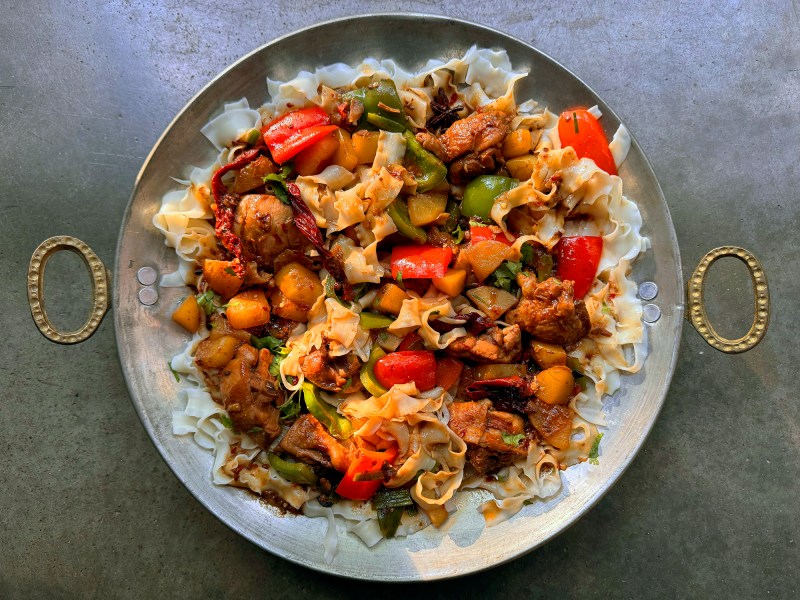
Around Turpan and Hami you will see a “qing zhen” halal version that is identical in method but stricter on sourcing. In Ili some kitchens swap potatoes for local mushrooms in spring, when the mountain forests flush with morels and agarics that lend the gravy an earthy depth. A few modern spots in Urumqi offer a “qing suo” (clear) version with less oil for health-conscious diners, though purists wrinkle their noses at it. The constant is the chili-cumin base and the belt noodles — change those and locals will tell you it is not really dapanji.
If you want to understand Xinjiang food beyond the kebabs, this dish is the gateway. It sits at the crossroads of Han, Uyghur, and Hui cooking, which is the story of the whole region. For the breads that always accompany it, see our guide to Xinjiang naan, and for the wider pantry including dairy drinks and dried fruit, our Xinjiang cuisine guide maps it all out.
When the plan falls apart
If this happens: Dapanji very spicy
Usually no. The dried chili is there for aroma and a mild warmth, not heat. You can ask for it mild (“wei la”) and most kitchens will oblige. The numbing spiciness of Sichuan cooking is not part of the flavor profile.
When it goes sideways: Geting it without bones
Some city restaurants offer boneless versions, but purists argue the bones are what give the broth its depth. If you are short on time, boneless is fine; if you want the real thing, embrace the bones.
If you run into this: Dapanji halal
Yes. Nearly all dapanji restaurants in Xinjiang are halal (qing zhen), using officially sourced chicken. Look for the green halal sign at the door.
On the ground: People does one plate feed
A standard plate comfortably feeds two hungry people with noodles, or three if you order side dishes. A “small” plate is enough for one.
If this happens: Drinking goes with it
Locals pair it with black tea, cold yoghurt drinks, or beer. Avoid anything too sweet; the dish is rich and savory and wants a sharp or neutral companion.
When it goes sideways: Cooking dapanji at home
You can. The key is patience with the potatoes and fresh belt noodles. Many overseas cooks use thigh fillets and store-bought wide noodles, which works well enough to satisfy a craving until the next trip.