Nalati Grassland: Riding into Xinjiang’s Most Famous Alpine Meadow
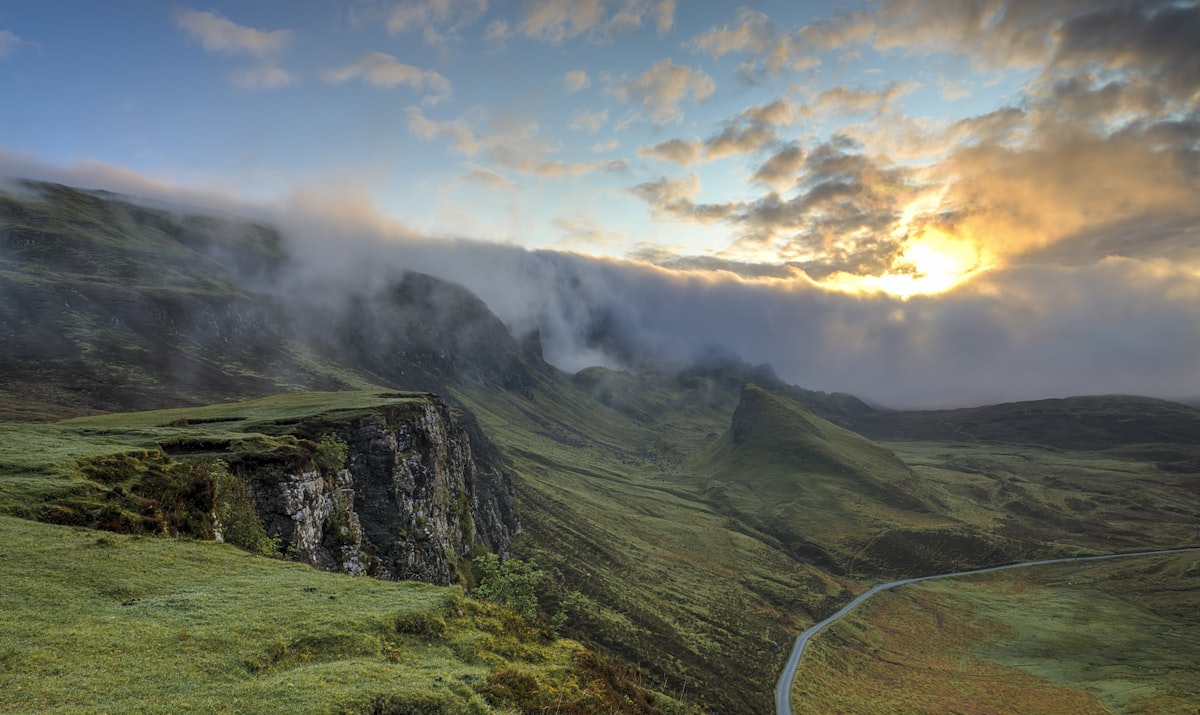
If you have seen a single photograph of Xinjiang’s ‘grassland sea’ (caoyuan), it was probably Nalati. Set in the Ili Valley of the far northwest, Nalati is the most developed and most visited of the region’s alpine meadows — a sweep of green that climbs from river flat to snow-line, dotted with herds, hawks, and the white dots of Kazakh yurts. It is also the easiest beautiful grassland to reach, which is exactly why it gets crowded and exactly why most travelers still love it.
Nalati sits at about 1,600–2,000 m where the Nalati River meets the Gongnais River, sheltered by the Tianshan. The microclimate is unusually wet for Xinjiang, which is why the grass grows chest-high and the wildflowers run riot in early summer.
What to Do
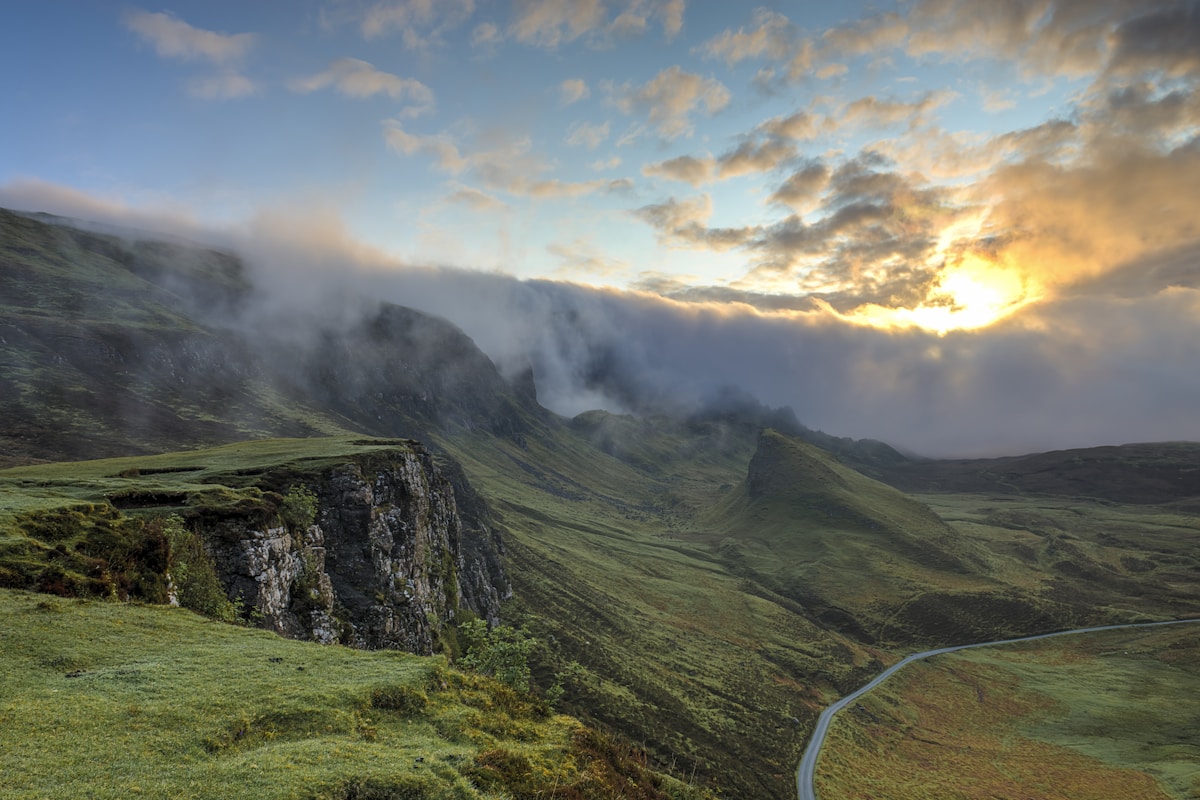
The sky meadow (kongzhong caoyuan). The high pasture reached by the park shuttle or cable car, where the view opens to layered ridges. This is the classic Nalati photo.
Horse riding. Local Kazakh herders rent horses by the hour. You do not need experience — a herder leads the way along the valley. It is the best way to feel the scale of the place.
Yurt visit. Some households open their yurts to visitors for milk tea, fresh cream, and a look at pastoral life. Ask before entering; a small payment or a purchase is expected.
Walking. Boardwalks and dirt trails fan out from the lots. Even a 30-minute walk away from the car parks changes the experience from ‘scenic spot’ to ‘mountain.’
Worth pairing with
The stops most people miss are the small ones between the big names. Nalati Grassland Riding Into sits naturally into a longer Nalati day. With a car the combination that worked for us was the site in the morning, a long lunch somewhere with shade, and the other place in the late afternoon, so two half-days covered a full one. Ask at the hotel desk the evening before what opened this week, because several of these places shift their hours with the season and the leaflet in the lobby is a year out of date. The short version, with the numbers, is in our [[naraty-grassland-xinjiangs-most-visited-alpine-meadow-and-how-to-time-it|Naraty Grassland: Xinjiang’s Most Visited…]].
Getting there without a car of your own
Leave two hours of slack on the return. The last vehicles back leave in the early evening, and after dark on a mountain road the local buses stop running entirely. Nalati Grassland Riding Into sits an hour or two from the nearest town, which sounds close until you work out there is no reliable public bus to the gate. We came twice. What does exist is an intercity coach leaving the Nalati long-distance station early, a taxi share at the stand that costs a few tens of yuan a head if you are patient, and the tour vans that pick up at hotels.
The second a driver on a return leg dropped us at the entrance and waited in the car park, which is the cheap way to do it if you do not mind setting your own clock. The first time we chartered a car for the round trip and it was worth every yuan. The trick is finding the vehicle rather than the timetable. In Nalati the drivers wait where drivers always wait, in the little offices a few hundred metres off the main terminal, and they will put together a half-day for a price the meter would never quote. That stretch of the trip is described in our [[jiangbulake-jiangbulake-grassland-a-travelers-guide-to-eastern-xinjiangs-alpine|Jiangbulake (Jiangbulake Grassland): A…]] too.
Who should think twice about {P}
Who it does suit: someone wanting one strong memory, someone driving the Nalati loop anyway, someone willing to be out before breakfast. Who it does not: anyone whose main goal is a relaxed few days, and anyone who has already done this same thing twice here. If you are short on days, this is the thing to cut, and no guidebook will tell you that. Nalati Grassland Riding Into is superb, but it is also an hour or more in each direction from everything else you planned, and the drives are what eat the schedule. It suits people who like landscape and can walk a few kilometres at their own pace. It suits a traveller with a car and a flexible morning.
It does not suit a family with a small child who needs a shade stop every forty minutes, and it does not suit anyone in week two of a high-altitude trip still feeling it. The honest version: take half a day if that is all the arithmetic allows, and save the full day for the thing that is genuinely once in a lifetime. There is a lot of unshaded ground, the altitude is real if you came from a low-altitude city, and the swing between the car and the viewpoints is enough to give you a headache on an empty stomach. I am not going to pretend this is gentle. That stretch of the trip is described in our [[kalajun-grassland-a-complete-guide-to-xinjiangs-unesco-world-heritage-alpine-mea|Kalajun Grassland: A Complete Guide to…]] too.
When to Go
June and July are peak: emerald grass, full wildflower bloom, and the most yurts open. August stays green but warms. September turns the meadows gold and is far quieter — many consider it the best month for photography. May and October are marginal; some facilities close.
Nalati is part of a grassland trio in Ili — alongside 那拉提 (Nalati), 喀拉峻 (Kalajun), and 巴音布鲁克 (Bayanbulak). If you have time for only one, Nalati is the most accessible; if you have three days, do all three for very different feels.
Logistics
Base in Yining (1.5–2 hours away) or stay in a yurt or guesthouse near the gate. The park runs internal shuttles on a ticket; private cars enter but are routed. Arrive early to beat the tour buses, and bring a layer — even summer evenings are cool at altitude.
For the nature half of a Xinjiang Travel Guide, Nalati is the gateway to the whole Ili grassland system. Pair it with Sayram Lake and the 果子沟 gorge for a northern loop that balances water, mountain, and meadow — and remember that the meadow is at its best before the midday coach crowds arrive.