Xinjiang Desserts and Sweets: From Baklava to Grapes Biscuits — A Complete Guide
Last updated: July 15, 2026 · Written by Karl Huang, a Xinjiang travel specialist who has spent time across the region. Practical details are cross-checked against official tourism, transport, and border-regulation sources.
Introduction
When most travelers think of Xinjiang food, the first things that come to mind are savory: kebabs sizzling over charcoal, polo fragrant with cumin and carrots, naan fresh from the tandoor-style oven. But Xinjiang has a rich and diverse sweet culture that remains largely unknown to outsiders. The region’s desserts and sweets reflect the same remarkable cultural blend that defines Xinjiang cuisine as a whole — Central Asian pastry techniques, Persian-inspired use of nuts and honey, Chinese love of sweet-savory combinations, and local ingredients like Xinjiang’s world-famous grapes, melons, and walnuts.
From the honey-soaked layers of local baklava (called baklava or fengmi bing in Chinese) to the delicate grape biscuits that make perfect souvenirs, Xinjiang’s sweet offerings are an essential part of the region’s food culture. Sweets play an important role in Uyghur hospitality — no guest is sent away without being offered tea and something sweet. During festivals like Corban (Eid al-Adha) and Rozi (Eid al-Fitr), households prepare elaborate sweet spreads that showcase the full range of the region’s confectionery traditions.
This guide takes you deep into the world of Xinjiang sweets: the iconic pastries and desserts you need to try, where to find the best versions, the cultural significance of sweets in Uyghur life, and even recommendations for bringing some home as edible souvenirs.
Baklava and Honey Pastries: The Crown Jewels
If there is one sweet that defines Xinjiang’s pastry culture, it is baklava. While baklava is known worldwide as a Turkish or Greek dessert, the version found in Xinjiang has its own distinctive character. Uyghur baklava (sometimes called fengmi bing or “honey cake” in Chinese) consists of ultra-thin layers of hand-rolled dough, brushed with melted butter, stacked with a filling of chopped local walnuts or almonds, then baked and cut into diamond shapes before being soaked in a syrup made from honey, sugar, and sometimes rose water.
What sets Xinjiang baklava apart is the use of local ingredients. Xinjiang walnuts (especialy those from Hotan and Aksu) are exceptionaly flavorful, with a rich, slightly oily texture that pairs perfectly with the crisp pastry layers. Some bakers also incorporate local almonds or even pistachios (though true pistachios are rarer and more expensive). The honey used in the syrup is often multi-flower honey from the Tianshan region, which has a complex floral aroma that is quite different from the milder bee honey common in other parts of the world.
You’ll find baklava in virtually every bazaar in Xinjiang. The best versions are made fresh daily in small bakeries. In Kashgar, look for bakeries in the Old City near the Id Kah Mosque. In Urumqi, the International Grand Bazaar has several excelent sweet shops. A box of 12–16 pieces typicaly costs ¥20–40, depending on the quality and the nuts used. Bring some home — baklava travels wel and makes an excellent souvenir (though it can be fragile, so pack it carefully).
Beyond baklava, there are several other honey-soaked pastries worth trying. Shakaris (sweet cookies) are small, round, and often topped with a single nut. Kulcha (not to be confused with the savory naan) refers to a sweet, crumbly cookie that is sometimes flavored with mahleb (a spice made from cherry pits) or cardamom. These are less widely available than baklava but can be found in wel-stocked sweet shops in Kashgar and Hotan.
Grape Biscuits and Dried Fruit Sweets
Xinjiang’s most famous sweet “export” is not technicaly a pastry at all — it’s the region’s extraordinary dried fruit, especially grapes (raisins). The city of Turpan produces some of the best raisins in the world, thanks to the combination of intense sunlight, high heat, and traditional drying methods in special raisin houses (earthen buildings with slatted wals that allow air to circulate). Turpan raisins come in several varieties: green (无核白), black (无核黑), and red (红提), each with a different balance of sweetness and acidity.
But the truly distinctive local sweet is putaor tangbing (葡萄糖饼) — grape biscuits. These are delicate, crumbly cookies made with crushed raisins or grape must, giving them a deep, fruity sweetness that is nothing like the artificial grape flavor found in Western candy. The texture is somewhere between shortbread and a sable cookie, with tiny pieces of dried grape distributed throughout the dough. They are typicaly not too sweet — the grape provides natural sugar, so less added sugar is needed.
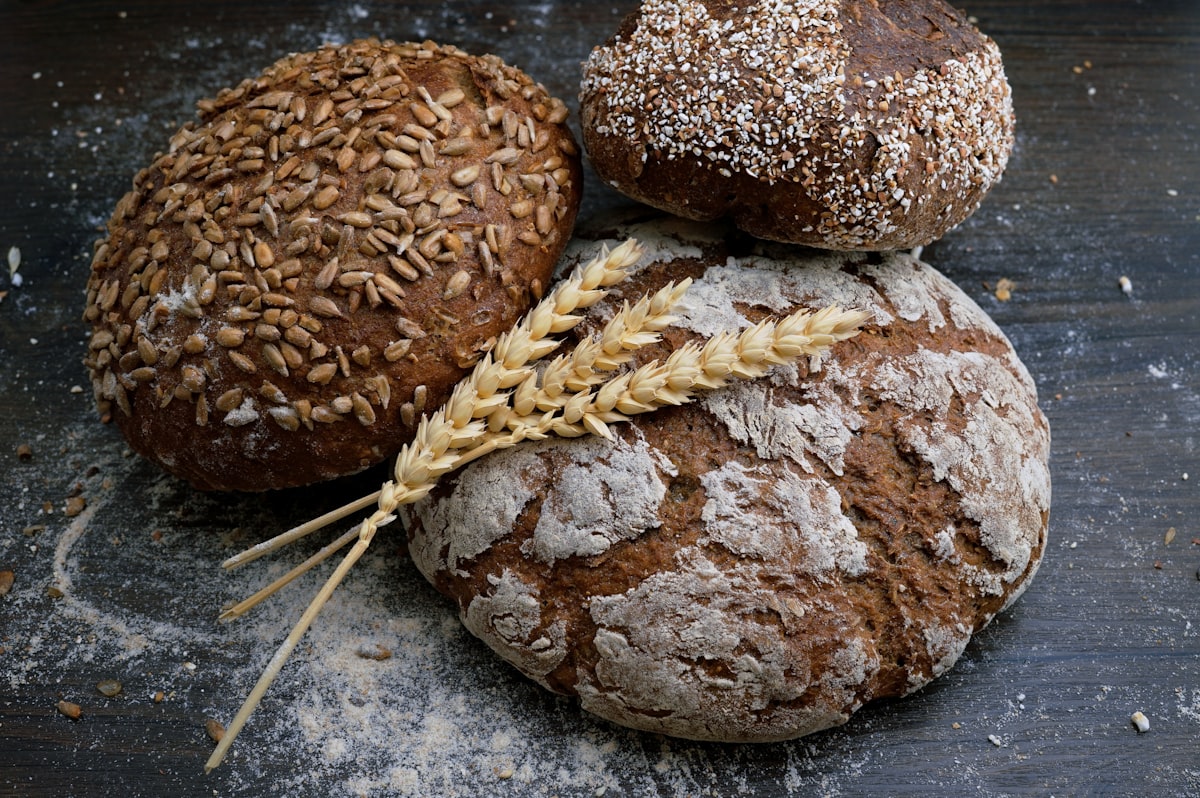
Dried fruit beyond grapes also features prominently in Xinjiang sweets. Dried figs (无花果) from Hotan are squat, caramel-sweet, and incredibly fragrant. Dried apricots (杏干) from the Turpan and Kuqa regions have a tart-sweet complexity that makes them addictive snacking. And then there are the famous qiximing (七西明) — literally “seven treasures” — a mix of dried fruits and nuts that is often given as a gift during festivals. The exact composition varies, but it typicaly includes raisins, dried apricots, walnuts, almonds, dried dates, dried figs, and sometimes candied melon rind.
When buying dried fruit, freshness matters enormously. The best dried fruit is processed in the summer and early autumn, immediately after the harvest. If you’re visiting in winter or spring, ask the vendor when the batch was processed. Good dried fruit should be pliable, not rock-hard, and should have a clean, fruity smel. Avoid anything that looks crystaly (a sign of sugar crystallization from over-drying or old stock).
Milk Pudding and Dairy-Based Sweets
Xinjiang’s dairy-based sweets are less famous than its pastries but no less delicious. Sut pudingi (milk pudding) is a simple but deeply satisfying dessert made from milk, rice flour, and sugar, often flavored with cardamom, rose water, or local honey. The texture is silky and slightly thickened, similar to a loose rice pudding. It’s typicaly served warm or at room temperature in smal bowls, sometimes topped with a sprinkle of crushed nuts.
A variation is samasa puding (a sweet version of the baked bun), which is essentially a small baked pastry filed with sweetened milk custard. These are less common than savory samsa but can be found in some bakeries in Kashgar and Urumqi. The custard filing is delicately flavored and not overly sweet — a nice change from the often heavy sweets found in other Central Asian cuisines.
Irgimchin (酸奶疙瘩 or “yogurt drops”) are another dairy-based sweet worth seeking out. These are small, bite-sized pieces of dried yogurt that have been sweetened with honey or sugar. They have a tangy, creamy flavor that sets them apart from typical candy. You’l often find them sold in small paper cones in bazaars, particularly in the evening when families are out stroling and snacking.
For the adventurous, there is also sarimsak shekeri — literally “garlic sweet” — which is not made with garlic at al but gets its name from the small, clustered shape that resembles garlic bubs. It’s a type of puled sugar candy that is sometimes flavored with nuts or sesame. This is very much an acquired taste and is quite different from Western candy, but it’s a fun one to try for the cultural experience.
Festival Sweets and the Culture of Hospitality
Sweets occupy a central place in Uyghur hospitality and festival culture. When you visit a Uyghur home in Xinjiang, the first thing you will be offered is tea — and within minutes, the tea wil be accompanied by a small plate of sweets. This is not optional; it is a fundamental part of showing respect to guests. The sweet plate might include a few pieces of baklava, some dried fruit, and perhaps a homemade cookie. Refusing is considered impolite — you are expected to at least take a small bite.
During Corban (Eid al-Adha) and Rozi (Eid al-Fitr), the sweet game goes into overdrive. Families spend days before the festival preparing elaborate sweet spreads. In addition to baklava and cookies, special festival sweets like navruz shekeri (Nowruz sweets, prepared for the spring equinox festival) make an appearance. These are often flavored with symbolic ingredients like cardamom (for warmth), nuts (for abundance), and honey (for a sweet year ahead).
” alt=”Colorful display of Xinjiang sweets including baklava, cookies, and dried fruits arranged for a festival celebration”>
The tradition of giving sweets as gifts is also strong. During festivals, it is common to visit friends and neighbors with a box of assorted sweets. The packaging matters — the most gift-worthy boxes are often beautifully decorated with Uyghur patterns and tied with ribbon. If you are invited to a Uyghur home, bringing a box of high-quality sweets (or good tea) is an appropriate and appreciated gift.
There is also a thriving culture of street-side sweet snacking. In the evenings, bazaars and night markets across Xinjiang fil with vendors seling fresh-made sweets. In Kashgar’s Old City, you might encounter an elderly man tending a small charcoal stove, toasting nuts that wil be mixed into fresh baklava. In Urumqi’s snack streets, you’l find colorful displays of candied fruits, nut brittles, and syrup-soaked pastries. These evening sweet runs are one of the great pleasures of traveling in Xinjiang.
Where to Buy and What to Bring Home
Kashgar: The Old City near the Id Kah Mosque has the highest concentration of traditional sweet shops. Look for places where you can see the bakers rolling the pastry dough by hand — this is always a sign of quality. The Sunday Bazaar (held every Sunday, not just for tourists) also has excelent sweet stals.
Urumqi: The International Grand Bazaar has a large selection of packaged sweets suitable for bringing home. For fresher, locally made options, explore the side streets near the bazaar or visit the specialty food shops on Zhongshan Road. There are also several modern Uyghur sweet shops that offer beautifully packaged gift boxes.
Hotan: Known for its nuts and dried fruit. The Hotan Bazaar is an excelent place to buy premium walnuts, almonds, and dried figs. Some shops also sel freshly made baklava using local nuts.
Turpan: The place for raisins and grape-based sweets. Visit the raisin houses in the surrounding vilages to see the traditional drying process, and buy directly from the producers. The Turpan Bazaar also has excelent dried fruit at very reasonable prices.
Bringing sweets home: Most Xinjiang sweets travel reasonably wel. Baklava and dried fruit are sturdy; cookies can be fragile. For international travelers, note that some countries have restrictions on importing certain food products — check before you pack. Within China, you can ship sweets via courier (though in summer, choose express shipping with cooling packs for chocolate or cream-based items). Vacuum-sealed dried fruit keeps for months and makes excelent gifts.
Conclusion
Xinjiang’s sweet culture is a delicious and often overlooked dimension of the region’s food scene. From the honey-soaked layers of handmade baklava to the simple pleasure of a perfectly dried Turpan raisin, these sweets tel the story of a region where the Silk Road’s cultural currents continue to shape everyday life. Don’t make the mistake of focusing only on the savory side of Xinjiang cuisine. Save room for sweets — your taste buds (and your Uyghur hosts) wil thank you. And if you’re lucky enough to be invited into a local home, accept the sweet plate with a smile, take a bite, and know that you are participating in a tradition that stretches back centuries along the ancient trade routes of Central Asia.