Xinjiang Travel Costs: A Detailed Budget Breakdown for 2026
Planning a trip to Xinjiang in 2026? You’re probably staring at a map the size of Western Europe and wondering: how much is this actually going to cost me? The short answer — it depends on how you travel. The long answer is exactly what this guide is here to give you.
Last updated: July 15, 2026 · Written by Karl Huang, a Xinjiang travel specialist who has spent time across the region. Practical details are cross-checked against official tourism, transport, and border-regulation sources.
Xinjiang isn’t a cheap destination in the way that, say, Southeast Asia is cheap. But it also isn’t Switzerland. With the right planning, a 10-day Xinjiang itinerary can be done on a range of budgets — and knowing the real numbers before you land is the difference between a relaxed trip and a stressful one.
If you’re in the early stages of planning, our Xinjiang Travel FAQ covers the practical basics you should know before budgeting.
Getting to Xinjiang: The First Big Line Item
Your largest single expense is almost always the flight to Xinjiang. For 2026, here’s the reality:
- International → Urumqi (URC): There are no direct international flights from most countries. You’ll connect through Beijing, Shanghai, Guangzhou, or Xi’an. Total airfare from Europe or North America: $800–$1,800 round-trip depending on season and booking lead time.
- Domestic China → Urumqi: From Beijing: ¥1,200–2,800 ($170–$400). From Shanghai: ¥1,500–3,200 ($210–$460). From Guangzhou: ¥1,400–3,000 ($200–$430). Book 30–45 days out for the best rates.
- Urumqi → Other Cities: Urumqi to Yining (Ili): ¥400–800 ($55–$115). Urumqi to Kashgar: ¥500–1,100 ($70–$155). Urumqi to Karamay: ¥300–600 ($40–$85).
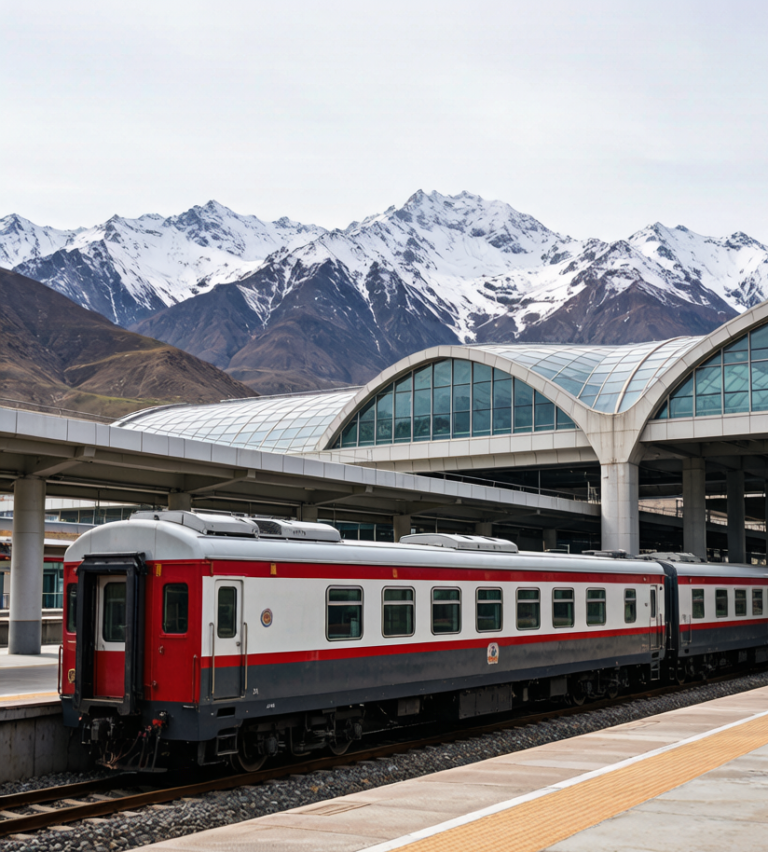
Money-saving tip: If you’re already in China, consider the overnight train to Urumqi from Beijing (¥600–900 for a sleeper) or from Xi’an (¥400–700). It’s not fast, but it saves one night of accommodation and is an experience in itself.
For a full breakdown of route options, see our month-by-month travel guide which also covers how seasonality affects flight pricing.
Local Transport: The Real Budget Driver
Here’s the thing about Xinjiang that most first-time visitors underestimate: the distances. Urumqi to Kashgar is 1,500 km. Urumqi to Kanas is 800 km. You cannot rely on public transport to see Xinjiang efficiently. Here’s what the options actually cost in 2026.
Private Car Charter (The Standard Choice for Foreigners)
This is what most foreign travelers end up doing — and for good reason. A licensed driver who knows the routes, handles checkpoints, and speaks some English or has a translator app is worth every yuan.
- Standard SUV (4×4, up to 4 passengers): ¥1,200–1,800 per day (≈ $170–$255). This includes the driver’s fee, fuel, and basic insurance. You cover the driver’s meals and accommodation.
- Minivan (7–12 passengers): ¥1,800–2,800 per day (≈ $255–$400). Better for groups.
- Premium Land Cruiser or similar: ¥2,500–3,500 per day (≈ $355–$500). Recommended for remote routes like the Karakoram Highway or Duku Highway.
A typical 7-day north Xinjiang loop (Urumqi → Tianchi → Kanas → Hemu → Burqin → Urumqi) with a private SUV: budget ¥9,000–12,000 ($1,280–$1,700) for the vehicle alone.
Self-Drive (Not Recommended for First-Timers)
You can rent a car in Urumqi, but foreign drivers need an international driving permit plus a temporary Chinese driving permit — and that’s before you account for the fact that many scenic areas restrict private vehicles. Add in the checkpoint paperwork and the occasional road closure, and self-drive becomes more hassle than it’s worth for most visitors. Cost: ¥300–600/day for the car + ¥100–200/day for insurance + fuel at your own expense.
Long-Distance Buses (Budget Option — Limited Routes)
Urumqi has long-distance buses to major cities, but they’re slow (12–18 hours) and not especially comfortable. Cost: ¥150–350 per leg. Only recommended if you’re on a very tight budget and have unlimited time.
Accommodation: What to Actually Expect
Xinjiang’s accommodation market has matured significantly post-2023. You can find everything from ¥60 hostel dorms to ¥3,000-per-night luxury lodges. Here’s the 2026 pricing reality by tier.
| Tier | Price Range (per night) | What You Get | Example Locations |
|---|---|---|---|
| Budget | ¥120–280 ($17–$40) | Clean, basic, private bathroom, WiFi, sometimes breakfast | Yining, Urumqi, Turpan, Kashgar (old town guesthouses) |
| Mid-Range | ¥300–700 ($42–$100) | 4-star standard, good location, reliable hot water, Western breakfast options | Courtyard by Marriott (Urumqi), local 4-star in Yining |
| High-End | ¥800–2,500 ($115–$355) | Luxury hotels, spa, premium locations, concierge for tour booking | Shanri-La Urumqi, luxury yurt camps (Kanas), boutique in Kashgar Old City |
| Scenic Area Lodging | ¥200–1,200 ($28–$170) | Inside-park hotels or yurt stays — convenient but seasonal | Kanas Village wooden lodges, Bayanbulak yurt camps |
Key note: Prices spike during peak season (June 15 – October 7). Booking 3–4 weeks ahead is essential. A room that’s ¥400 in May jumps to ¥900 in August — and sells out anyway.
Food & Dining: The Best Value in Xinjiang
If there’s one area where Xinjiang is genuinely affordable, it’s food. A filling meal costs a fraction of what you’d pay in Europe or North America — and the quality is exceptional.
- Street food / snacks: ¥3–8 ($0.40–$1.15) per item. A Xinjiang baked naan bread lasts all day as a hiking snack.
- Mid-range restaurant meal: ¥40–80 ($5.70–$11.40) per person for a proper meal with meat, carbs, and tea.
- Upscale Xinjiang cuisine: ¥120–250 ($17–$36) per person. Think banquet-style lamb feasts, stuffed naan with nuts and honey, and locally brewed beer.
- Western/Chinese hotel breakfast: Often included with mid-range and above accommodation. If not: ¥25–50 ($3.50–$7) at a café.
Daily food budget per person:
- Budget: ¥80–120 ($11–$17)
- Mid-range: ¥150–250 ($21–$36)
- High-end: ¥300+ ($43+)
Don’t miss the food lover’s guide to Xinjiang’s 10 must-try dishes — it includes price expectations for each dish so you don’t get overcharged.
Attraction Tickets: The Hidden Cost That Adds Up
Xinjiang’s scenic areas almost all charge entrance fees — and many require mandatory shuttle buses. Unlike some destinations where you can wander freely, Xinjiang’s major sites are managed. Here are the 2026 reference prices:
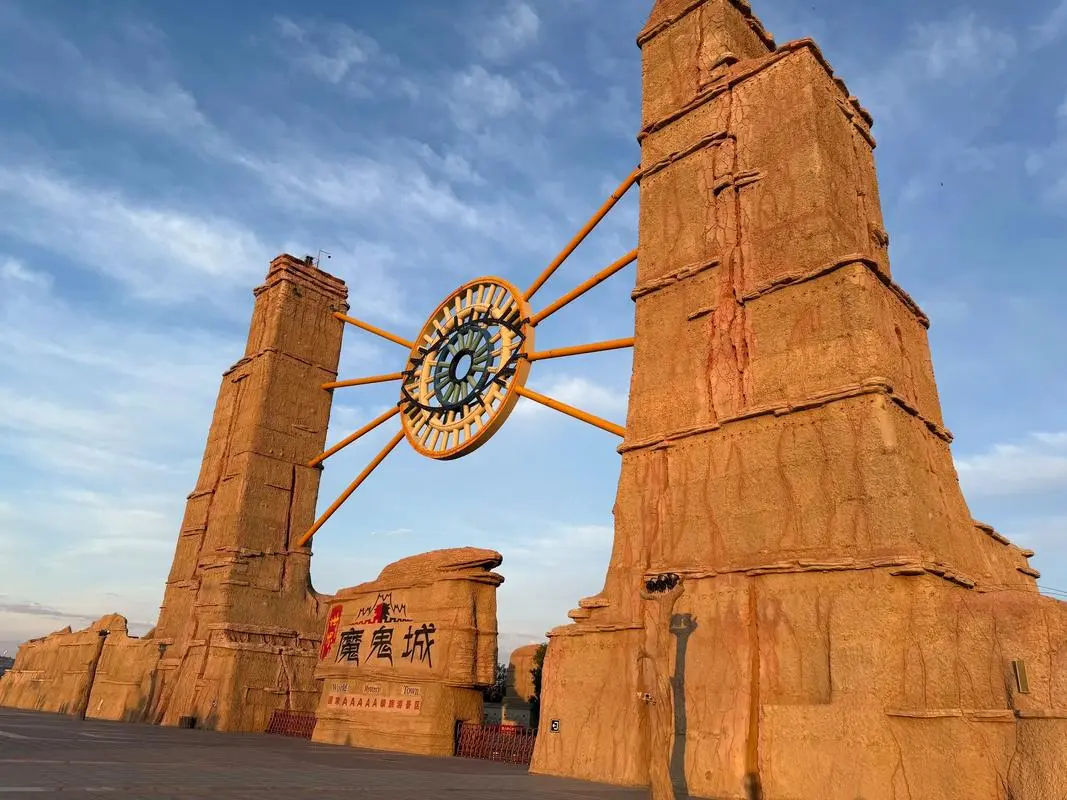
- Kanas Scenic Area (combined): ¥160–195 (peak season dynamic pricing) + ¥180 for the scenic shuttle bus (mandatory, multi-day valid)
- Sayram Lake: ¥70 + ¥75 shuttle (self-drive pass fees vary by season)
- Heavenly Lake (Tianchi): ¥155 + ¥60 mandatory shuttle
- Nalati Grassland: ¥95 + ¥40–60 zone shuttle (multiple zones = multiple fees)
- Jiaohe Ancient City (Turpan): ¥70 + ¥25 shuttle
- Karakul Lake: ¥40–50 (collected at checkpoint)
- Muztagh Ata Glacier Park: ¥92 (includes shuttle)
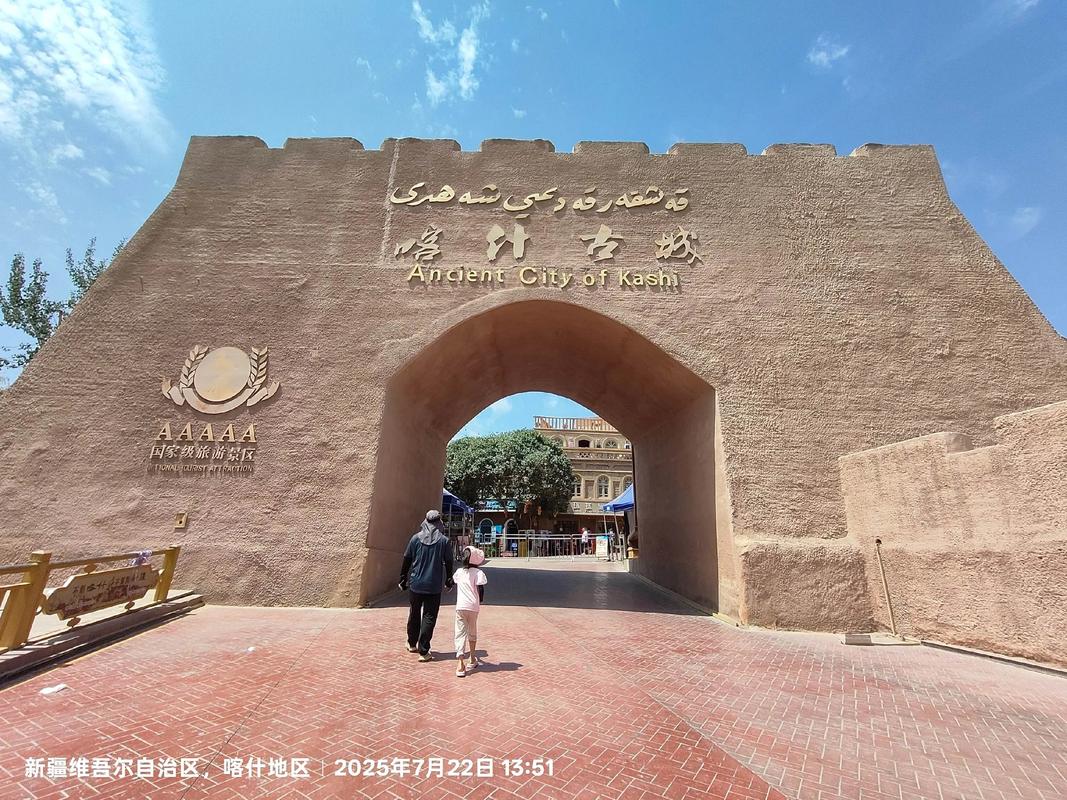
- Id Kah Mosque (Kashgar): ¥45
A 10-day trip hitting 6–8 major scenic areas: budget ¥800–1,400 ($115–$200) per person just for entrance fees.
Sample Daily Budgets (Per Person, Based on 2 Travelers Sharing Costs)
Here are three realistic daily budget scenarios for 2026, assuming two people sharing a private car and mid-range accommodation.
Budget Traveler: ¥450–650 per day ($64–$93)
- Transport: Public bus/train + occasional private car splits (¥150)
- Accommodation: ¥180–250/night/person (sharing)
- Food: ¥80–120/day
- Tickets: ¥40–100/day (average across the trip)
- Best for: Solo travelers, students, those with 3+ weeks to explore slowly
Mid-Range Traveler: ¥800–1,200 per day ($115–$170)
- Transport: Private SUV charter split 2–3 ways (¥400–600/person/day)
- Accommodation: ¥350–500/night/person (sharing)
- Food: ¥150–200/day (mix of restaurants and occasional splurge)
- Tickets: ¥60–120/day average
- Best for: Couples, friends, first-time visitors who want comfort without excess
High-End Traveler: ¥1,800–3,500 per day ($255–$500)
- Transport: Premium 4×4 or minivan, flexible itinerary, driver-guide (¥800–1,200/person/day sharing)
- Accommodation: ¥800–1,500/night/person (sharing luxury)
- Food: ¥250–400/day (fine dining, private dinners)
- Tickets & experiences: ¥100–200/day (including yurt stays, guided experiences)
- Best for: Short on time, high comfort expectations, photography-focused trips with flexibility
Miscellaneous Costs You Shouldn’t Forget
These are the costs that don’t show up in most budgets — until they show up on your credit card statement.
- Border Zone Permit (PSB): Free if arranged through your hotel in Kashgar. Some agencies charge a ¥50–100 service fee. Required for Karakul Lake, Tashkurgan, and Baihaba.
- SIM card / data: China Mobile / China Unicom tourist SIM: ¥50–100 for 30 days of data. Buy at Urumqi airport.
- Travel insurance: ¥100–300 ($14–$43) for 15 days of coverage including altitude sickness. Worth every penny.
- Cash: Many yurt camps, small restaurants, and rural markets don’t take cards or WeChat Pay from foreigners. Budget ¥500–1,000 ($70–$140) in cash for rural areas.
- Tipping: Not customary in China, but if a driver or guide goes above and beyond, ¥50–100 per day of service is appreciated.
- Laundry: ¥30–60 per load in hotels. At scenic areas: hand-wash or pay ¥80–150 for same-day service.
10-Day Xinjiang Budget Summary (2026)
Here’s what a realistic 10-day Xinjiang trip actually costs in 2026, per person, based on two people traveling together:
| Expense Category | Budget | Mid-Range | High-End |
|---|---|---|---|
| International flights (round-trip) | $800–$1,200 | $1,200–$1,600 | $1,800–$2,500 |
| Domestic flights (China → Xinjiang) | $170–$285 | $285–$400 | $400–$500 |
| Local transport (10 days, shared) | $280–$425 | $640–$855 | $1,140–$1,710 |
| Accommodation (10 nights, shared) | $225–$355 | $640–$855 | $1,280–$2,135 |
| Food (10 days) | $110–$170 | $285–$425 | $570–$855 |
| Attraction tickets | $115–$170 | $200–$285 | $285–$355 |
| Miscellaneous | $70–$140 | $140–$285 | $285–$425 |
| Total (excluding int’l flights) | $870–$1,425 | $1,990–$2,845 | $3,660–$5,625 |
| Total (including int’l flights from US/EU) | $1,670–$2,625 | $3,190–$4,445 | $5,460–$8,125 |
3 Smart Ways to Reduce Your Xinjiang Travel Cost
Once you know the numbers, here’s how to bring them down without ruining the experience:
1. Travel in shoulder season. May and late September offer the same scenery as July–August for 30–50% less on accommodation and transport. The light is often better, too.
2. Group up. Private car costs split 3–4 ways drop your per-person transport cost dramatically. If you’re a solo traveler, ask your hotel in Urumqi to connect you with other solo travelers doing similar routes — it’s common and safe.
3. Prioritize. You don’t need to see everything. A well-planned 7-day trip focused on one region (north or south) is more satisfying — and cheaper — than a rushed 10-day loop trying to cover the entire region.
For help deciding which region to focus on, our 7-day Silk Road itinerary guide breaks down the most efficient route options.
The Bottom Line
Xinjiang in 2026 is not a budget destination in the global sense, but it delivers exceptional value for what you get. A ¥1,000 ($140) daily budget (mid-range, excluding international flights) gets you comfortable hotels, delicious food, private transport, and access to some of the most spectacular landscapes on Earth. There are few places left where that kind of money buys this much awe.
Plan realistically, book ahead for peak season, and don’t skimp on the private car — it’s the single expense that determines whether your trip feels like an adventure or an ordeal.
Frequently Asked Questions About Xinjiang Travel
What is the best time to visit Sayram Lake?
June through September offers the best weather with temperatures between 15-25°C and wildflowers in full bloom around the lake.
How do I get to Sayram Lake from Urumqi?
Sayram Lake is about 450km from Urumqi. You can drive via the G30 highway (5-6 hours), take a bus from Urumqi West Bus Station (6-7 hours), or hire a private driver for the most flexibility.
Is there an entrance fee for Sayram Lake?
Yes, the entrance fee is approximately 70 RMB per person. Additional fees may apply for the lake island boat tour (about 100 RMB) and the scenic area shuttle bus.
Can I camp near Sayram Lake?
Camping is allowed in designated areas around the lake. The best spots are on the eastern shore where you can wake up to stunning sunrise views over the water.
What should I pack for a trip to Sayram Lake?
Even in summer, temperatures can drop significantly at night. Bring layers, a windproof jacket, sunscreen (UV is strong at high altitude), and comfortable walking shoes.
For money-saving tips and detailed planning resources, visit our main Xinjiang travel guide hub.