Xinjiang Cuisine: A Food Lover’s Guide to the Silk Road’s Best Flavors
Last updated: July 15, 2026 · Written by Karl Huang, a Xinjiang travel specialist who has spent time across the region. Practical details are cross-checked against official tourism, transport, and border-regulation sources.
Xinjiang is not just China’s largest province — it’s one of the world’s great culinary crossroads. Sitting at the junction of the Silk Road, it draws on Uyghur, Kazakh, Kyrgyz, Hui, and Han Chinese traditions to produce a food culture that is bold, aromatic, and completely unlike anywhere else in China. If you’re planning a solo or independent trip to Xinjiang, eating your way through the region is as important as the landscapes.
Why Xinjiang Cuisine Deserves Its Own Itinerary
The first thing that hits you when you sit down to a Xinjiang meal is the spice profile. This isn’t the mild, subtly seasoned food of northern China, nor the fiery heat of Sichuan. Xinjiang cuisine builds on cumin, black pepper, red chili, and sheep fat — ingredients that reflect the province’s Central Asian and Persian-influenced heritage. Every dish tells you where you are.
For the independent traveler, the practical upside is immediate: Xinjiang’s best food doesn’t hide inside hotel restaurants. It’s on the street, in the night market, and in the courtyard kitchens of family-run guesthouses. You don’t need a guide or a tour group to eat well here — you just need to know what to order.
If you’re mapping out your route, our Xinjiang travel planning guide can help you position food stops around your driving days, especially if you’re covering the Kashgar–Turpan–Urumqi circuit.
The Icon: Lamb Skewers (Chuanr / 烤肉串)
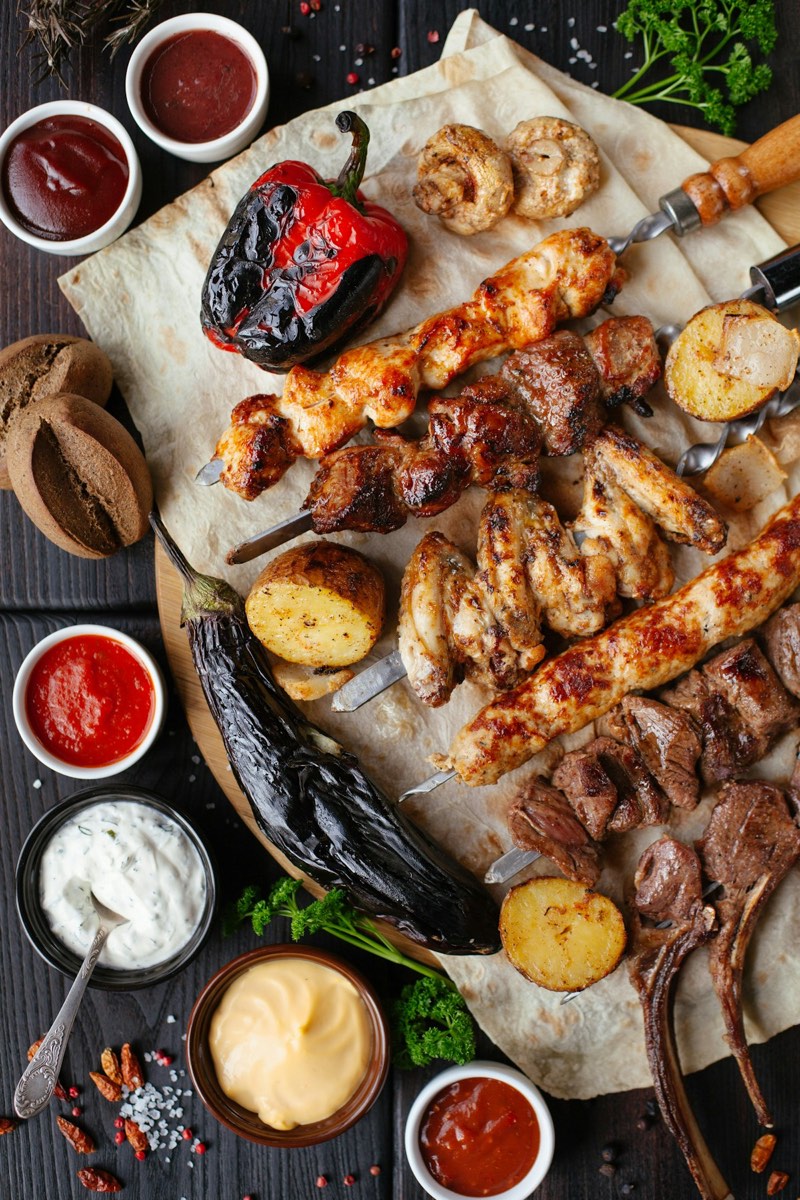
No food is more synonymous with Xinjiang than the lamb skewer. Sold from roadside charcoal braziers from Kashgar to Urumqi, these are nothing like the pale, overcooked kebabs you might have encountered elsewhere. Xinjiang skewers use cubed lamb shoulder or leg, threaded onto flat metal swords (not round sticks), rubbed with a mixture of cumin, red pepper flakes, salt, and sometimes a dash of black pepper, then grilled over intense heat until the fat renders and the edges crisp.
{ Xinjiang naan bread from tandir oven” />}
The result is a balance of textures: charred outside, tender inside, with the cumin providing a warm, earthy aroma that cuts through the richness of the fat. In Kashgar’s Old City night market, a row of skewer stalls along the main drag will typically charge ¥3–8 per skewer depending on the meat cut and location. Don’t skip the ones with tails of fat interspersed with lean meat — that’s where the flavor lives.
For context on where to base yourself to access the best skewer spots, our Xinjiang accommodation guide covers the main hubs where night markets run late into the evening.
Naan: The Daily Bread
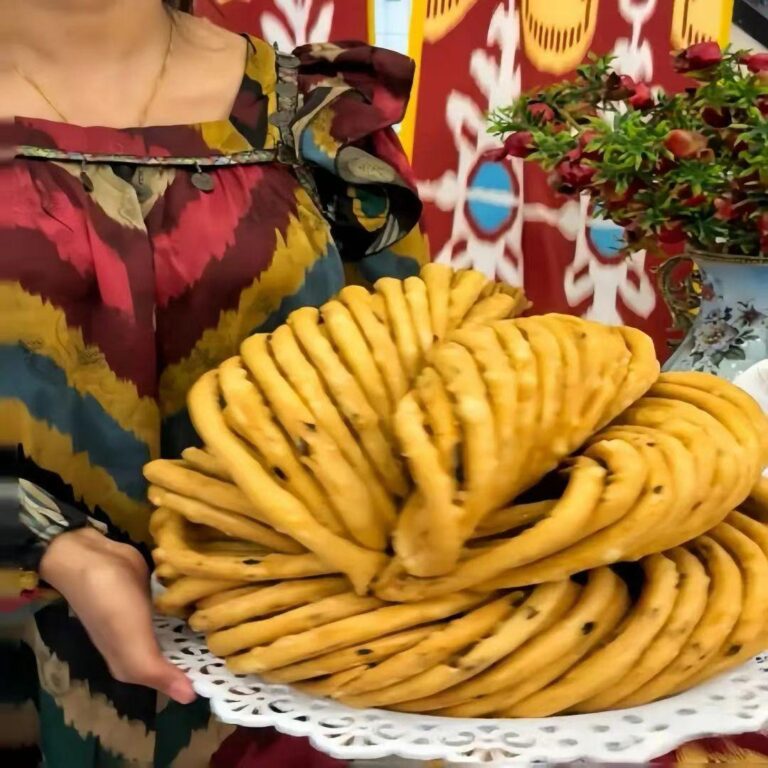
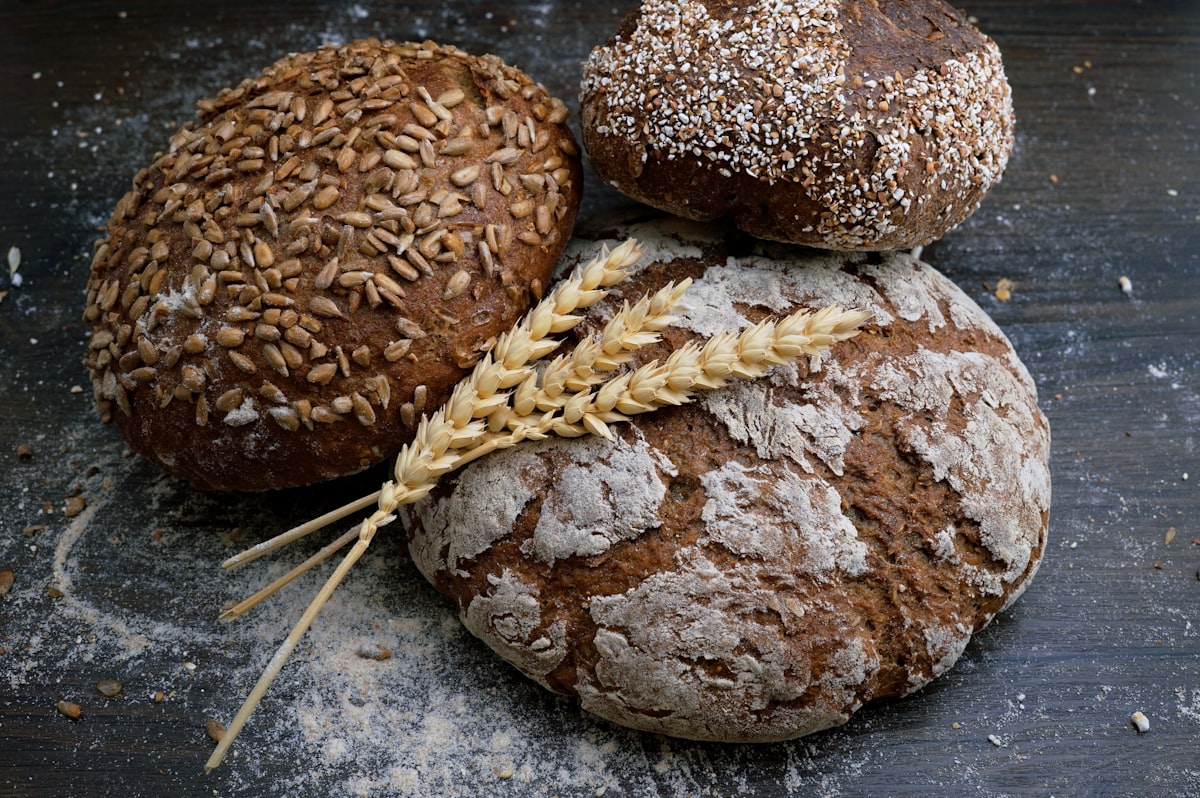
If lamb is the soul of Xinjiang cuisine, naan (烤馕) is its backbone. This round, flat oven bread is baked inside a tandir — a cylindrical clay oven fired with apricot wood. The result is a chewy, slightly smoky bread with a blistered top and a bottom that’s crisp from contact with the oven wall.
{ Big plate chicken with hand-pulled noodles” />}
There are variations. The standard “Sichuan naan” (sìchuān náng) is plain, sprinkled with sesame seeds, and eaten with every meal. “Onion naan” (yángcōng náng) folds chopped scallions and sometimes minced meat into the dough. “Honey naan” (fēngmì náng) is softer, slightly sweet, and often served at breakfast with tea. A single naan costs ¥3–8 and can keep for two days wrapped in cloth — making it the ideal traveling food for long drives across the Taklamakan or the Dzungarian Basin.
In Turpan and Kashgar, you’ll see naan stacked in pyramids outside bakery shops. Buy one warm, tear it open, and eat it with chunks of sheep cheese or a bowl of laghman. It’s one of the simplest pleasures of the region, and it costs less than a bottle of water.
Big Plate Chicken (Da Pan Ji / 大盘鸡)
Despite its name, da pan ji is not an ancient Silk Road relic — it was invented in the 1990s in Shawan County, north of Urumqi, and spread across Xinjiang by long-haul truck drivers who needed a filling, communal meal. Today it’s arguably the most popular Han–Uyghur fusion dish in the province.
{ Xinjiang polo pilaf with lamb and carrot” />}
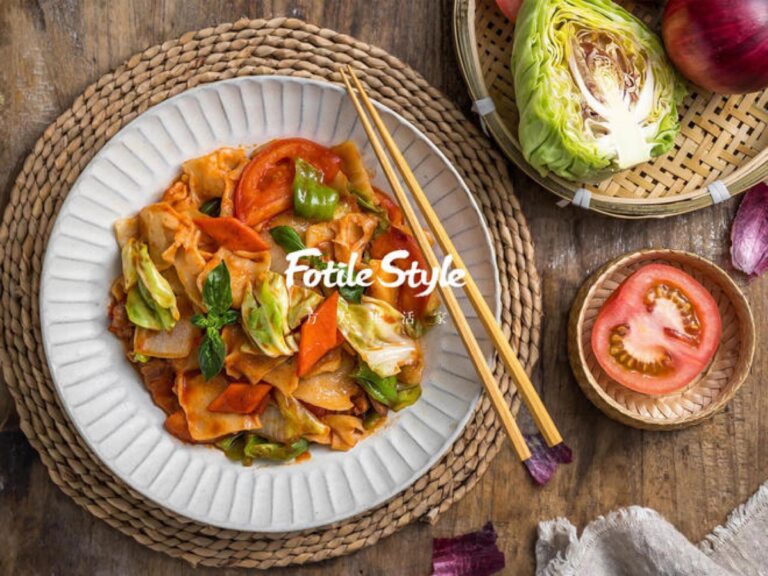
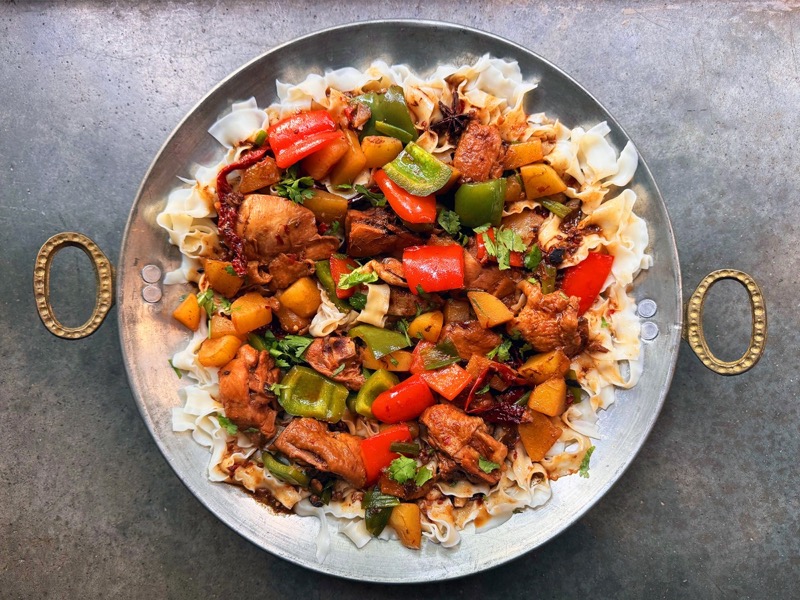
A proper da pan ji starts with chicken pieces (usually free-range, bone-in) braised with potatoes, green bell peppers, dried chili, star anise, and ginger in a heavy soy-based sauce. The dish is served on a metal platter (the “big plate”) and comes with a separate basket of hand-pulled noodles that are added to the sauce at the table. The potatoes are the sleeper hit — they absorb the spiced sauce and become almost creamy.
One plate feeds two to three people comfortably and typically costs ¥60–100. In Urumqi and Yining, dedicated da pan ji restaurants range from hole-in-the-wall joints to multi-story establishments where you choose your chicken from a glass case. Order it with a side of pickled garlic stems (suànmiáo) to cut the richness.
Polo: The Hand-Pulled Rice
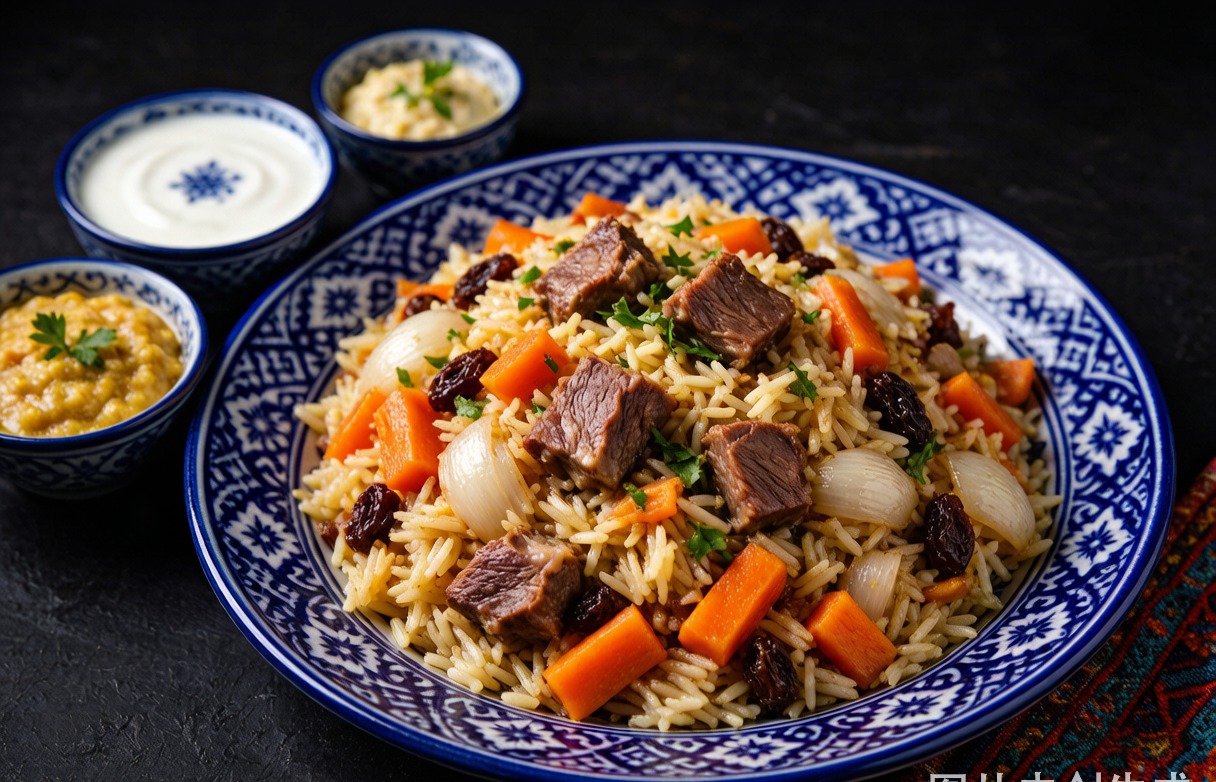
Polo (or zhuafan in Mandarin) is the Uyghur version of pilaf, and it’s the dish that will make you rethink what rice can be. The base is long-grain rice cooked with rendered sheep fat, carrot strips, onion, and chunks of lamb on the bone. The fat from the lamb infuses every grain, turning the rice a pale orange-gold and giving it a richness that plain steamed rice never achieves.
{ }
}
Traditionally, polo is eaten with the right hand — you shape a small handful of rice and meat and pop it into your mouth. In practice, most restaurants now provide spoons, but the communal aspect remains: a single large plate is often placed in the center of the table and shared.
The best polo I’ve had was in a family-run cafeteria in a village outside Yining, where the rice was cooked over a wood fire and the lamb had that grass-fed gaminess that supermarket meat never has. In Kashgar and Urumqi, dedicated polo shops serve it fresh from the cauldron (usually in the morning and early afternoon — go before 2pm or it will be sold out). A filling portion costs ¥15–25.
When you’re planning your food route, our regional travel guides note which towns have the strongest Uyghur culinary traditions versus those where Han Chinese influences dominate — useful context when you’re deciding where to eat.
Laghman: The Hand-Pulled Noodle
If there’s a dish that showcases the skill of Xinjiang’s noodle makers, it’s laghman. The name comes from the Uyghur word for “to stretch” — these are noodles that are pulled by hand to order, resulting in thick, chewy strands that have more bite than machine-cut pasta could ever achieve.
The standard laghman serving is a bowl of noodles topped with a stir-fry of lamb strips, tomatoes, green peppers, onions, and sometimes eggplant, all bound with a savory sauce. In Yining and the Ili Valley, the version tends to be lighter and more tomato-forward; in Kashgar and the south, it’s richer, with more cumin and chili.
A bowl of laghman costs ¥15–30 and is substantial enough to be a complete meal. Look for restaurants where you can see the cook stretching the dough through the open kitchen window — that’s usually the sign of a fresh batch.
Fruits and Melons: Xinjiang’s Natural Dessert
Xinjiang’s reputation for fruit is as old as the Silk Road itself. The region’s extreme day-night temperature swings, intense sunlight, and low rainfall produce fruit with concentrated sugars and intense aromatics. If you’re traveling between June and October, you’re in prime fruit season.
{{IMG6}}
Grapes from Turpan’s Grape Valley are the most famous — seedless white varieties that are crunchy, floral, and sold by the kilo in open-air markets. Hami melons (from Hami Prefecture) have a pale green flesh that’s candy-sweet and perfumed. Korla pears are small, crisp, and prized across China. And in August and September, the apricots (xìnghuā) of the Ili Valley are fleetingly available — soft, golden, and unlike any apricot you’ve had from a supermarket back home.
The best way to experience this is to stop at a roadside orchard and buy directly. In season, a bag of grapes costs ¥10–15, a whole Hami melon is ¥10–20, and the farmers will almost always insist you try a piece before you pay.
Drinks: Milk Tea and Beyond
Tea (chá) is the universal drink, but in Xinjiang it comes in two distinct styles. Han Chinese tea houses serve the standard jasmine or green tea. Uyghur tea is different: it’s black tea (usually brick tea) boiled with milk, salt (not sugar), and sometimes butter or cream, poured into bowls and drunk hot. It’s savory, warming, and exactly what you want after a day in the wind at 3,000 meters.
In Kashgar’s Old City, rooftop teahouses serve Uyghur milk tea alongside dried fruits and nuts. A pot for two costs ¥20–40 and comes with an unspoek view over the mud-brick rooftops. It’s one of the best-value meals in the region, even if it’s technically just a drink and a snack.
Yak milk tea is the high-altitude variant, available in Tashkurgan and the Pamir guesthouses. It’s thicker, slightly gamey, and deeply comforting when the wind is rattling the windows.
Practical Tips for Eating Well in Xinjiang
1. Follow the lunch rush. The best restaurants fill up between 1:30pm and 2:30pm. If a place is empty at lunchtime, it’s probably not the locals’ choice.
2. Spice levels are adjustable — mostly. In Uyghur-run places, chili is usually served on the side as a dry flakes or oil-based condiment. In Han-run places, the dish arrives as the chef intended. If you’re spice-sensitive, ask for “bù là” (not spicy) when ordering.
3. Cash is still king in small towns. Outside Urumqi and the main tourist centers, many family-run places don’t take WeChat Pay or Alipay from foreign cards. Carry small bills in RMB.
4. Friday lunch is special in Muslim communities. In Kashgar and other Uyghur-majority towns, Friday midday is when families gather after prayers. Some of the best home-style food is available that day at community kitchens and modest guesthouses.
5. Don’t skip the night market. Kashgar’s East Gate night market, Turpan’s evening food street, and Urumqi’s Erdaoqiao market are where you’ll find the widest range of snacks in one place. Go hungry, buy one portion at a time, and share.
A Note on Dietary Respect
Xinjiang’s Uyghur, Kazakh, Kyrgyz, and Hui communities are Muslim, and that means no pork is served in their restaurants or homes. In mixed towns, Han-run places may serve pork, but Uyghur-run places absolutely will not. If you’re invited into someone’s home (a rare and generous experience), decline alcohol and bring a small gift — a bag of fruit or a packaged sweet — as a gesture of respect.
The food culture here is welcoming and proud. Learn to say “rahmat” (thank you, in Uyghur) and “nima” (what’s this?) and you’ll find that cooks love explaining their dishes. Some of the best meals I’ve had in Xinjiang started with pointing at something I couldn’t identify and ending with a free second helping.
Xinjiang’s cuisine is as much a reason to visit as the mountains, the deserts, and the Silk Road ruins. Plan your route around the food as much as the scenery — and you’ll leave with a sense of the place that goes far deeper than the view from a tour bus window.
-
What are the must-try dishes in Xinjiang?
Must-try dishes include Da Pan Ji (big plate chicken), lamb kebabs, naan bread, and hand-pulled noodles.
-
Is Xinjiang food spicy?
Xinjiang food is flavorful but not necessarily spicy. It features cumin, pepper, and other aromatic spices.
-
Can I find vegetarian food in Xinjiang?
Yes, there are vegetarian options available, though meat dishes are more common in local cuisine.
-
Where is the best place to eat in Xinjiang?
Local night markets and family-run restaurants offer the most authentic dining experiences.