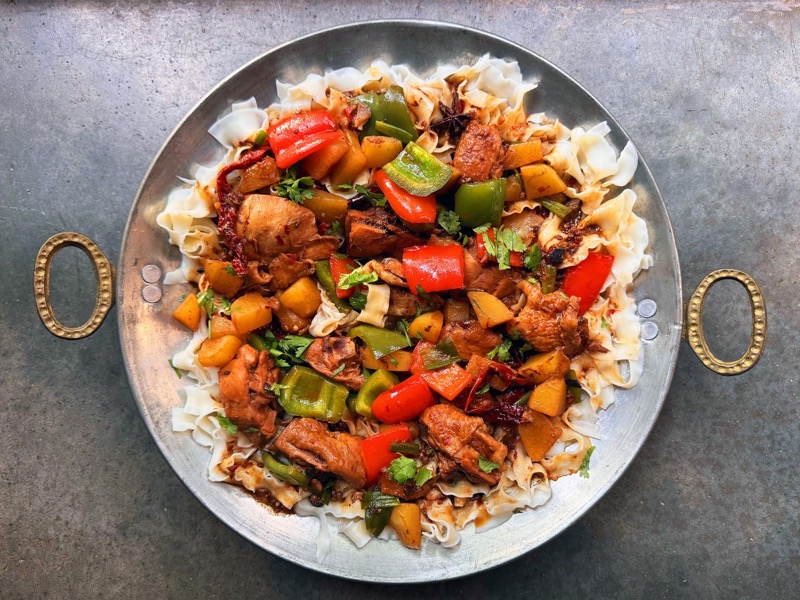
Xinjiang Pumpkin Dishes: How the Humble Gourd Became an Autumn Comfort Food
The first cold snap of October is when Xinjiang‘s tables quietly change color. The watermelons and grapes of summer give way to something rounder and heavier: pumpkin. In Uyghur, Kazakh, and Han kitchens alike, the autumn gouwa (pumpkin) is roasted, steamed, stuffed into bread, and folded into rice until the whole house smells of caramelised squash. After three autumns on the road here, I have come to think of pumpkin as the region’s most underrated comfort food — and one of the easiest local flavors for a cautious traveler to love.
Why Pumpkin Matters on the Silk Road Table
Pumpkin travelled the same routes as the melons and grapes, but it never got the marketing. It is cheap, stores through the winter, and grows in every oasis belt from Turpan to Ili. That made it a peasant staple for centuries and, later, a beloved sweet-savory note in festive rice. The Britannica pumpkin entry traces how the fruit spread from the Americas to become a global staple. Unlike the chili-heavy dishes of Sichuan, Xinjiang pumpkin cooking is gentle — built on slow heat, oil, and a little sugar or lamb fat. Its movement mirrors the longer story of crops carried along the UNESCO Silk Road routes.
The two pumpkins you will meet
There is the dense orange winter pumpkin (gouwa) used in rice and bread, and the long pale winter melon-type squash used in soups. Vendors will often just point: “this one, sweet, for naan; that one, for soup.”
The Dishes You Should Actually Try
| Dish | What it is | Where it shines |
|---|---|---|
| Pumpkin polov | Rice steamed with cubed pumpkin, carrot, and raisin | Home kitchens, Ili autumn |
| Girde with pumpkin | Round tandoor bread stuffed with sweet squash paste | Kashgar, Hotan bakeries |
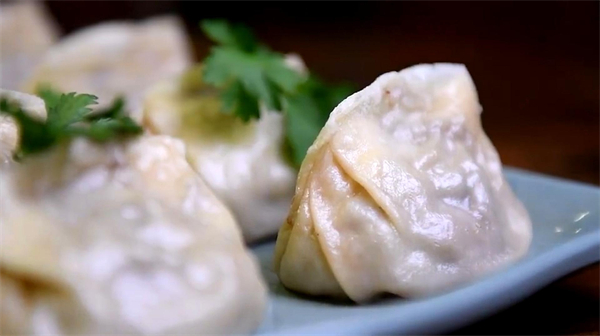
| Pumpkin manty | Steamed dumplings of pumpkin and onion | Urumqi canteens |
| Roasted pumpkin with lamb | Whole pumpkin braised with mutton | Kazakh yurt feasts |
| Pumpkin soup | Blended squash with milk or bone broth | Cold-weather restaurants |
Pumpkin Polov: The Autumn Rice
The easiest pumpkin dish to fall for is pumpkin polov. It follows the same method as the famous carrot pilaf but swaps half the carrot for pumpkin cubes that melt into the grains as they steam. The result is sweet, glossy, and mild enough for a child. In Ili I was served a version with dried apricot and walnut that tasted more like dessert than a main — and I was not complaining.
If you want to try it at home, the method is forgiving: sweat onion in lamb fat or oil, add rinsed rice, cubed pumpkin, a little carrot, salt, and just enough water to steam. Twenty minutes off the heat and you have dinner. The region’s breads make the perfect side.
Pumpkin-Stuffed Naan and Girde
Walk past a tandoor in late October and you may see round girde breads with a faint orange seam. That is pumpkin. Bakers mash roasted squash with a pinch of sugar and salt, wrap it in dough, and slap it to the oven wall. The inside stays moist and sweet while the crust blisters. It is the Xinjiang answer to a stuffed pastry, and it costs almost nothing.
Ordering without words
Point at the orange-seamed loaf and say “gouwa” (pumpkin). Most bakers understand immediately. Pair it with the salty milk tea sold next door and you have a perfect cold-morning breakfast — the slight salt in the tea is exactly what the sweet squash wants.
Pumpkin and Lamb: The Winter Centerpiece
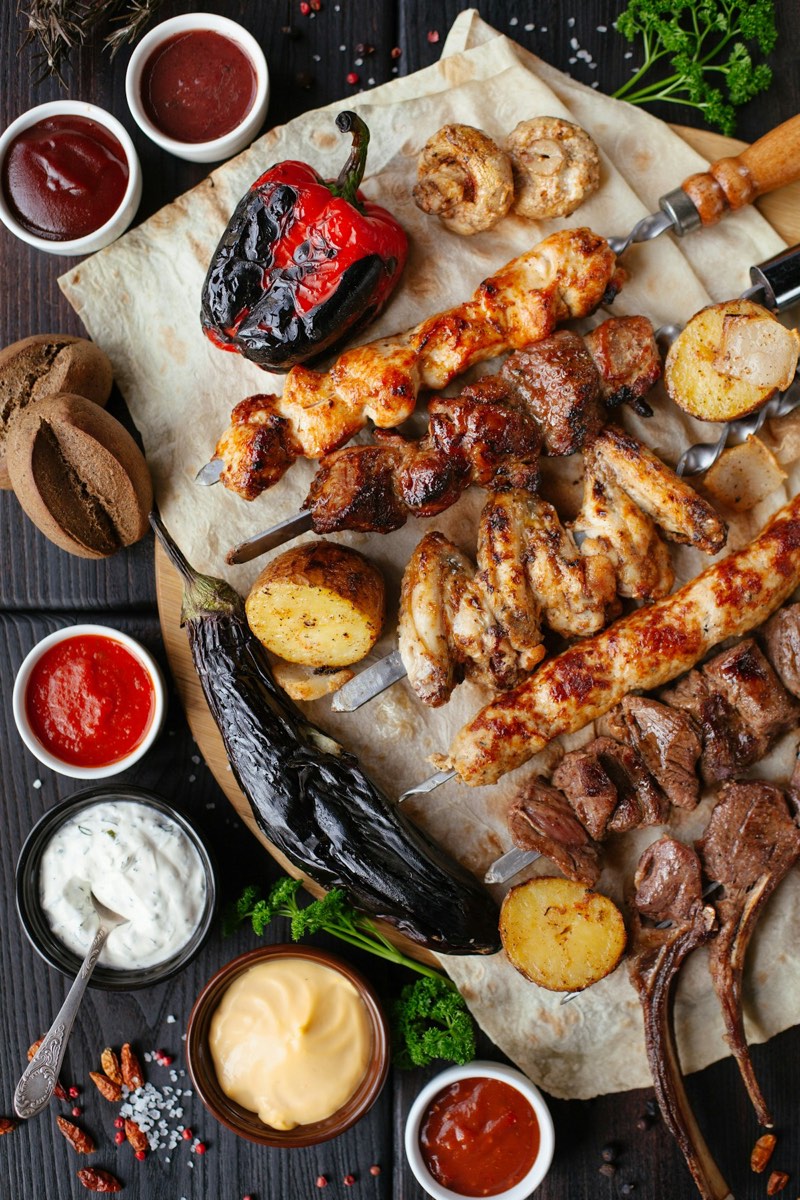
In Kazakh and Kyrgyz households around the grasslands, a whole small pumpkin is sometimes cored, stuffed with lamb chunks, onion, and a little fat, then slow-braised until the meat and squash collapse together. Served family-style from the pot, it is the kind of dish that makes a yurt feel like the warmest place on earth in November. Ask around the markets and someone will point you to a family that cooks it.
Regional differences worth noting
Hotan and Kashgar pumpkins run denser and drier, better for stuffing bread, while the Ili-valley gourds are juicier and better for soup. In Turpan the long growing season produces a super-sweet squash that shows up in festival rice. None of this matters for ordering — you will eat whatever the local harvest produced that week — but it explains why the same “pumpkin polov” tastes different in Kashgar versus Urumqi, and why a Hotan baker’s girde is heavier than an Ili one.
Roasted Pumpkin Seeds: The Snack You Get Free
Do not overlook the seeds. In Xinjiang, pumpkin seeds (guazi) are roasted with salt and sold by the paper cone at markets and on night-train platforms. They are the default sociable snack of the north — you crack them with your teeth while talking, and a small bag costs almost nothing. At a Uyghur household the host will often set down a bowl of them with the tea. They are vegan, high-protein, and the easiest local flavor to pack home, since they travel even better than the dried fruit.
How to ask for them
“Guazi” (瓜子) is understood everywhere; add “kao de” (roasted) if you want them toasted rather than raw. Avoid the heavily flavored supermarket versions and look for the plain, slightly browned market seeds for the authentic taste. I have spent more than one long bus ride in Xinjiang silently cracking guazi with the person next to me, and it is the most relaxing ice-breaker I know.
Season, Buying, and Storing
| Month | Pumpkin state | Best use |
|---|---|---|
| Sep–Oct | Fresh, peak harvest | Roast, stuff bread, polov |
| Nov–Jan | Storing, sweeter | Soup, braise with lamb |
| Feb–Mar | Last of winter stock | Manty filling, porridge |
Buy whole pumpkins at any bazaar; they keep for months in a cool room, which is exactly why they were a survival food. A 3-kilo squash costs a few yuan and feeds four. Vendors will happily halve one for you. At home, families stack them on a ventilated shelf away from the heater and work through the pile from October to March, which is why you will still see pumpkin dishes on menus deep into winter. The longer they sit, the sweeter and mealier they get — perfect for soup, less ideal for stuffing — so time your pumpkin-polov craving for early autumn and your pumpkin-soup craving for February.
What finally convinced me was a late-October afternoon in the Turpan market, where a farmer cut into a pumpkin the size of a car tyre and the whole stall turned sweet and dusty at once. Since then I order pumpkin in the simple forms and let the restaurants do the clever work. It is the one ingredient in this region that quietly improves in the last weeks of autumn, and it is worth planning a final stop around.
Frequently Asked Questions
Is Xinjiang pumpkin food very spicy?
No. Pumpkin dishes are among the mildest in the region — sweet or savory, never chili-hot. They are a safe, gentle entry point if you are wary of the lamb-heavy, pepper-forward mains.
Can vegetarians eat Xinjiang pumpkin dishes?
Often yes. Pumpkin polov and pumpkin naan are frequently cooked without meat, but always confirm — some rice is finished with lamb fat. The vegetarian guide covers how to ask.
Where is the best place to try pumpkin polov?
Family restaurants and home-style canteens in Ili and Urumqi during autumn. Bakeries across Kashgar and Hotan sell the stuffed girde year-round.
How do I say “pumpkin” when ordering?
“Gouwa” (南瓜) works everywhere. For the stuffed bread, ask for “gouwa girde” or just point at the orange-seamed loaf.
Does pumpkin appear in desserts?
Yes — pumpkin porridge with milk, pumpkin-honey preserves, and sweet pumpkin-stuffed pastries show up at festivals and in colder months.
Is pumpkin safe for travelers with sensitive stomachs?
It is one of the gentlest foods available — plain, cooked, and easy to digest. Avoid versions cooked in heavy lamb fat if you have a delicate gut, and you will be fine.