Xinjiang Public Toilets on a Road Trip: The Restroom Reality of the Silk Road
The question nobody puts in the brochure: where do you go to the bathroom on a 500 km drive across Xinjiang? I learned the hard way on the Duku Highway, three hours from anywhere, with a half-finished bottle of water and no service station in sight. Xinjiang’s toilets are a genuine part of trip planning, especially once you leave the cities. This is the practical guide I wish I had been given – what to expect, how to find the decent ones, and how to stay comfortable on the long hauls between the famous sights.
The Short Version: Plan Around the Stops
On major highways and at scenic areas, public restrooms are common and usually free. The gaps are real in between – on remote desert roads and high passes, the next toilet can be 60-100 km away. The rule that saved me: use every decent restroom you see, even if you do not think you need it. The next one might be a squat trench at a truck stop with no door and no paper, and you will regret skipping the last clean one.
Rest Stop Tiers
Not all stops are equal. I mentally sort them into three:
- Service areas (服务区) on highways – cleanest, with sinks, sometimes soap and paper. Use these whenever you can.
- Scenic-area toilets – variable; the famous spots (Kanas, Sayram) are decent, smaller ones rough.
- Village / truck stops – squat toilets, often no paper, sometimes no running water. Carry your own and lower expectations.
What You’ll Actually Find
Manage expectations so nothing surprises you halfway through a drive:
| Feature | Likely at a city / service area | Likely at remote stops |
|---|---|---|
| Toilet type | Sit or squat | Squat |
| Toilet paper | Sometimes | Rarely – bring your own |
| Soap / hand dry | Sometimes | No |
| Running water | Yes | Sometimes, cold |
| Cost | Free | Free (tip the attendant at stations) |
The Kit That Makes It Bearable
A small “restroom kit” lives in my daypack the whole trip:
- A roll of toilet paper (分卷) – the single most useful item in Xinjiang, bar none.
- Hand sanitizer and a small quick-dry towel.
- Wet wipes for the rough ones where water has run out.
- Sanitary supplies; public bins are unreliable, so carry a small disposal bag.
None of this takes space, and all of it gets used. Buy the paper at any shop in the first city you reach, then top up whenever you see a well-stocked store.
Finding Toilets on the Road
You do not need an app as much as good timing. On the long highway drives the service areas are signposted in Chinese and usually 30-50 km apart. At scenic areas, follow the crowds and the 卫生间 (weishengjian, “restroom”) signs. In towns, malls, gas stations, and fast-food chains are your reliable bet, and they almost always have paper.
When There’s Nothing
Out in the desert or on a high pass with no facility, locals simply step behind a dune or rock away from the road – discretion and distance are the etiquette. Carry out any paper; the wind spreads litter fast and locals notice, and a clean stop is a gift to the next traveler who pulls in.
Toilet Reality by Region
| Area | Restroom situation |
|---|---|
| Urumqi & big cities | Modern malls, clean, sit toilets common |
| Duku / Tian Shan passes | Sparse; use service areas and scenic lots |
| Pamir Plateau | Truck stops and yurt camps; bring kit |
| Kashgar old town | Public toilets near gates and bazaars |
| Tarim desert roads | Long gaps; plan fuel and bathroom together |
Etiquette and Small Mercies
A few habits keep things smooth: carry a small tip for the attendants who keep remote stations stocked, never assume paper is there, and park facing the exit so you can leave fast if a stop is unusable. On the northern lake routes the developed areas have good toilets, so go before you set off on the quiet side roads where the next one may be hours away.
A Typical Service-Area Stop
Worth knowing what to expect so it is not a surprise at 2 p.m. with a windows-down-and-waiting situation: pull into a highway 服务区, park, and follow the 卫生间 signs – usually a separate building with a row of squat stalls and sometimes one sit stall. There is often a sink with cold water but rarely soap, and a basket or machine for paper if you are lucky. The whole thing takes two minutes. The trick is to go even if you are fine, because the next area might be 40 km on and busy with trucks at holiday time. I time my stops to the service areas, not my bladder, and the trip is calmer for it.
Paper, Water, and Leaving No Trace
Two habits that pay off on the long drives: carry your own paper always, and carry a small bag to pack out what you bring in. Remote stops have no reliable bins, and the wind turns discarded wipes into litter across the grassland within an hour. Use the wet wipes, then pocket them. Likewise, keep a bottle of bought water in the car not just for drinking but for rinsing hands when a sink is dry – it is a small thing that makes a rough stop feel manageable, and it costs almost nothing at any town shop on the way out of the city before the empty roads begin.
Common traps at this stop
The trap here: Xinjiang toilets clean
The best (highway service areas, big malls) are clean and maintained. The worst (remote truck stops, small village lots) are squat pits with no paper. Your experience depends entirely on which tier you use – so plan stops around the good ones and you will rarely suffer.
Where people slip: Needing to carry toilet paper
Strongly yes. Assume paper is absent outside major cities. A small roll in your daypack is the difference between a non-event and a bad memory. Hand sanitizer covers the no-soap sinks, and wipes cover the no-water ones, so bring both.
The usual error: There restrooms at scenic areas like kanas
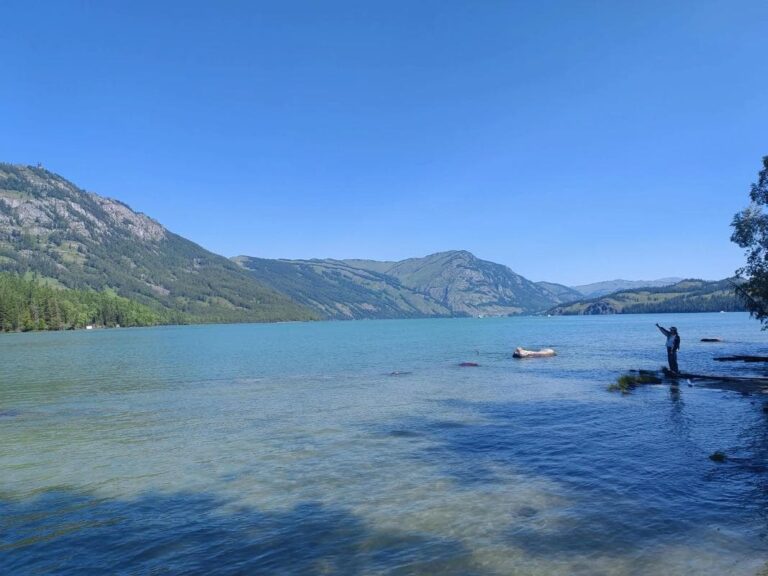
Yes, and the main ones are decent. At Kanas and Sayram Lake the park toilets near entrances and lots are maintained in season. Smaller pull-offs along the lake routes are basic, so go before you leave the developed areas and do not wait for the next viewpoint.
Easy to get this wrong: Safe to drink the tap water
Don’t. Bottled water is cheap and everywhere; buy it in towns and keep some in the car. Use it to rinse hands if a sink lacks water, and keep a spare bottle for exactly that purpose on long desert stretches.
The trap here: Night drives
Avoid relying on roadside stops after dark in remote areas – they may be closed or unlit. Use the last service area before nightfall, and keep the restroom kit in the car for emergencies, because the next open one could be far.
Where people slip: There family
Major malls and airports have accessible stalls; remote areas usually don’t. Traveling with kids or limited mobility, build extra stop time into the day and stick to the highway service areas where the facilities are predictable and the lighting is good.
Xinjiang’s toilets won’t make the postcards, but they shape your day more than the itinerary does. Carry paper, use every good stop, and treat the remote ones as an adventure. Do that, and the long Silk Road drives stay comfortable from the first kilometer to the last.