Xinjiang Uyghur Breakfast: Naan, Milk Tea, Yogurt, and the Morning Table
The single best meal I had in Xinjiang was not at a famous restaurant. It was at 8 a.m. in a Kashgar side-street cafe, when a waiter set down a basket of still-warm naan, a bowl of thick yogurt, a plate of cold watermelon, and a thermos of salty milk tea — and walked away without a menu. That is a Xinjiang breakfast, and once you know how it works, you will never want a hotel buffet again. This guide explains what Uyghur and other local breakfasts actually look like, region by region, and how to order one yourself.
What a Traditional Xinjiang Breakfast Looks Like
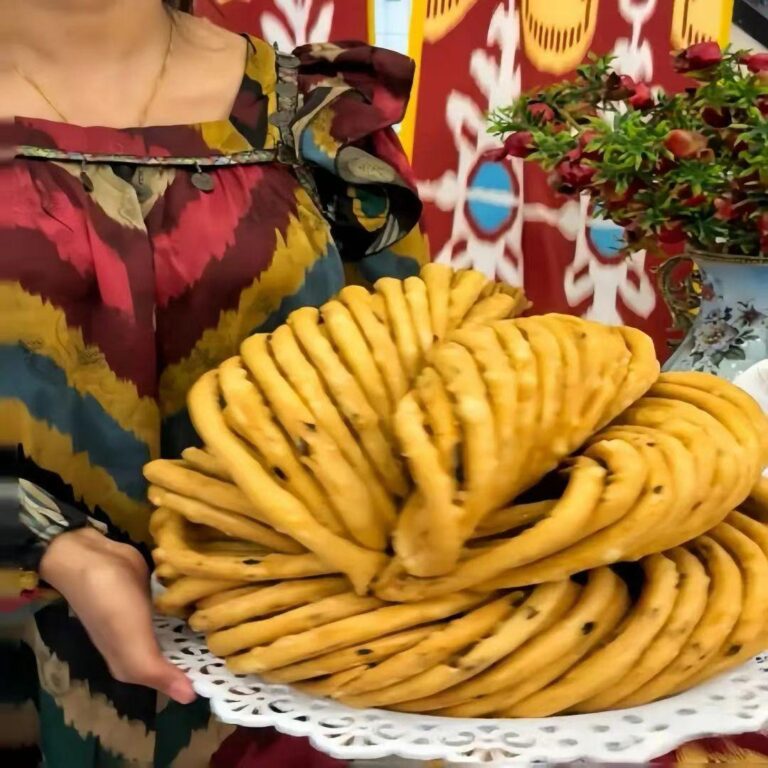
Forget cereal and coffee. A local breakfast in Xinjiang is built around bread, dairy, and fruit, with very little sugar and almost no processed food. The exact spread changes by region, but the skeleton is the same everywhere: a flatbread (naan or girda), a hot milk tea, some form of yogurt or fresh cheese, and seasonal fruit on the side. In summer that fruit is cold watermelon or grapes; in winter it is dried apricots and nuts.
The Centerpiece: Naan and Milk Tea
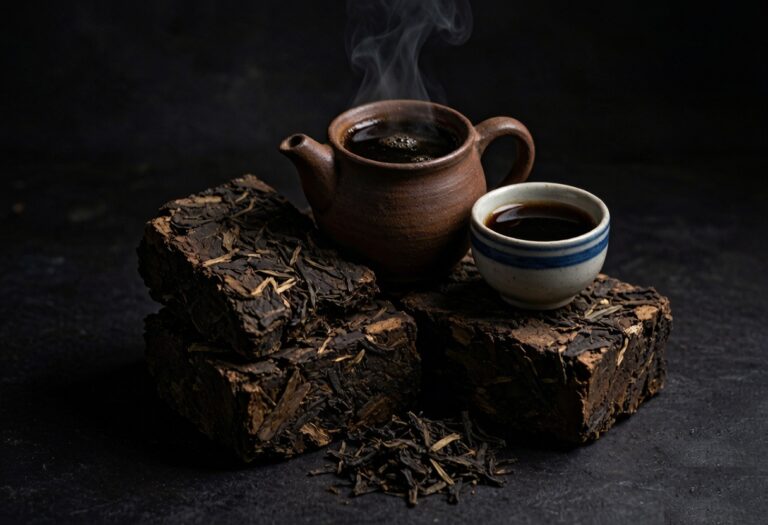
Naan (馕) is the anchor of every breakfast. Baked in a tandoor (tonur) the night before or that morning, it is chewy, slightly savory, and built to be torn and dipped. You tear a piece, dunk it in Xinjiang milk tea, and eat it hot. The milk tea here is the salty, brick-tea version — not sweet — and it is refilled constantly. For most locals this combo alone is breakfast.
Summer Sweetness: Watermelon and Grapes
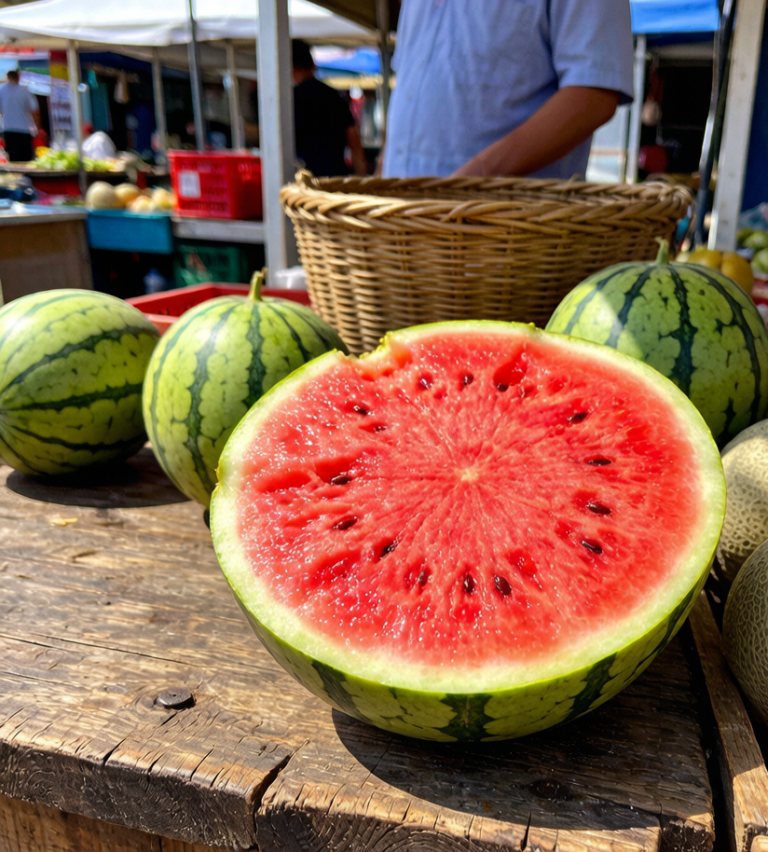
From June to September, cold watermelon is on every breakfast table in Turpan, Hami, and the Ili Valley. It sounds odd to a Western palate until you try it: the salt of the tea and the cold sweetness of the melon balance perfectly. In grape country the same role is played by straight-off-the-vine Turpan grapes. These are local Xinjiang fruits at their peak, eaten yards from where they grew.
A Typical Breakfast Table by Region
Xinjiang is huge and the breakfast shifts as you move. Here is a practical comparison:
| Region | Staple bread | Side dishes | Drink | What to expect |
|---|---|---|---|---|
| Kashgar & south | Naan, girde | Yogurt, watermelon, boiled eggs | Salty milk tea | Most traditional; sit-down cafes open 7–10 a.m. |
| Urumqi & north | Naan, toast | Cheese, tomato, cucumber | Milk tea or black tea | More Han influence; faster, café-style |
| Ili Valley | Girda, naan | Kaymak (clotted cream), honey, grapes | Salty milk tea | Richest dairy; Kazakh touches |
| Turpan | Naan | Watermelon, raisins, nuts | Salty milk tea | Fruit-forward; very early risers |

Where to Eat Breakfast in Xinjiang
Street Stalls and Hole-in-the-Wall
The best breakfasts are at small neighborhood spots, often just a few tables and a tandoor out front. Look for a stack of naan and a crowd of locals — that is your sign. Order by pointing: one naan, one bowl of yogurt, one milk tea. Total is usually under 20 yuan. These places rarely have English menus, but the food is the point.
Hotel Buffets
If you want the local spread without the language barrier, mid-range hotel buffets in Urumqi and Kashgar now lay out naan, yogurt, eggs, fruit, and milk tea alongside the Western options. It is a good, low-stress way to sample everything on your first morning.
How to Order and What to Expect
Breakfast is informal. You sit, someone brings tea, and you point at what you want. Portions are shared. Don’t expect a cheque brought to the table — you pay at the counter on the way out. Tipping is not a thing. If you are full, leave the naan uneaten; it keeps and nobody is offended.
Vegetarian and Dietary Notes
A Uyghur breakfast is naturally vegetarian-friendly: bread, dairy, fruit, eggs. The only watch-out is cross-contact with meat in shared kitchens, and that milk tea is dairy (not vegan). Gluten-free travelers will struggle — naan is wheat — but rice congee is available at Han-run spots.
Breakfast on the Go: Stations and the Road
If you are catching an early train or a long-distance bus, the station area is its own breakfast world. Around Urumqi and Kashgar stations, makeshift naan ovens and tea thermoses open before 6 a.m. so travelers can grab a loaf and a cup for the road. On multi-day drives through the south — say, the long haul from Kashgar toward the Pamir — your guesthouse will often pack you a breakfast bag of naan and hard-boiled eggs if you ask the night before. It is worth asking: the stretches between towns are long, and the next real meal may be hours away. I learned this the hard way on a dawn departure from Tashkurgan with nothing but a gas-station snack, and now I never leave a Xinjiang hotel without a naan in my daypack.

What it actually costs, line by line
| Item | What it costs | Note |
|---|---|---|
| geting coffee instead of milk tea | varies | In Urumqi and the big tourist towns, yes — chain cafes and hotel buffets have coffee. But at a traditional naan-and-tea spot, milk tea is the only hot drink on offer. Embrace it; it is the authentic experience. |
| cost | 20 yuan | A naan, a bowl of yogurt, and a milk tea at a neighborhood spot runs roughly 12–20 yuan (under $3). Hotel buffets are 40–80 yuan but include far more choice. |
The numbers above are what I paid on my own trips; add roughly a fifth for a private car and driver if you are travelling with someone else. Anything marked roughly is a bazaar price in high season, and it moves with demand.