Saffron in Xinjiang: Where the Red Gold Grows and How to Buy It
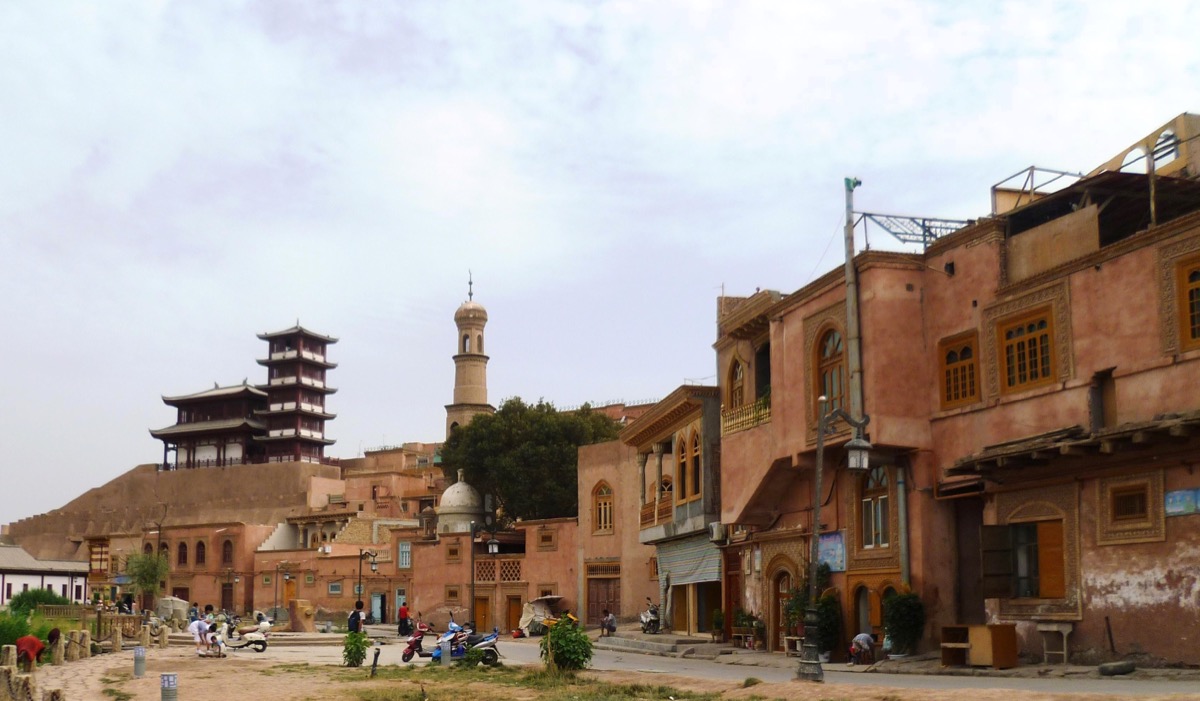
The first time I bought saffron in Xinjiang, a vendor in Kashgar’s old town tipped a small heap of deep-crimson threads onto a brass scale and let me smell them before I paid a cent. That scent, honeyed and almost leathery, is something I now associate with every winter kitchen from Hotan to Yining. Saffron is not a staple here the way naan or lamb is, but it is the quiet luxury of the Silk Road, and knowing how to buy it honestly will save you both money and disappointment on the road.
Why Saffron Matters on the Silk Road
Saffron reached Xinjiang centuries ago along the same caravan routes that carried jade, silk, and dried fruit. The climate on the southern edge of the Tarim Basin, around Kashgar and Hotan, turns out to be surprisingly kind to Crocus sativus. The threads you see piled in market trays are the dried stigmas of a small autumn crocus; it takes roughly 150 flowers to produce a single gram, which is why real saffron is priced by the thread, not by the scoop. For travelers, saffron is one of the few spices worth carrying home: it is light, it survives the flight, and a small packet gifts beautifully. But the bazaar is also where tourists overpay, so a little knowledge goes a long way.
Where Saffron Grows in Xinjiang
Most saffron sold in Xinjiang’s markets is grown domestically in the south, with the strongest reputation around two areas.
Kashgar and the Pamir Foothills
Smallholder plots near Kashgar and up toward the Pamir foothills produce threads with a strong color and a clean, slightly sweet aroma. You will see it bundled at the Sunday bazaar and in the spice rows of the old town, often still in the paper the grower wrapped it in.
Hotan (Hetian) Oasis
The Hotan oasis has the longest continuous reputation for saffron and other botanicals in southern Xinjiang. Local families often dry and grade it themselves, which means quality varies stall to stall, not brand to brand, and the best buys are the stalls where you can watch the weighing.
The Ili Valley
Around Yining you will more often find saffron used in Xinjiang’s fruit and nut confections than grown commercially, but small batches do appear at winter markets alongside dried apricots and walnuts.
How the Crocus Becomes a Thread
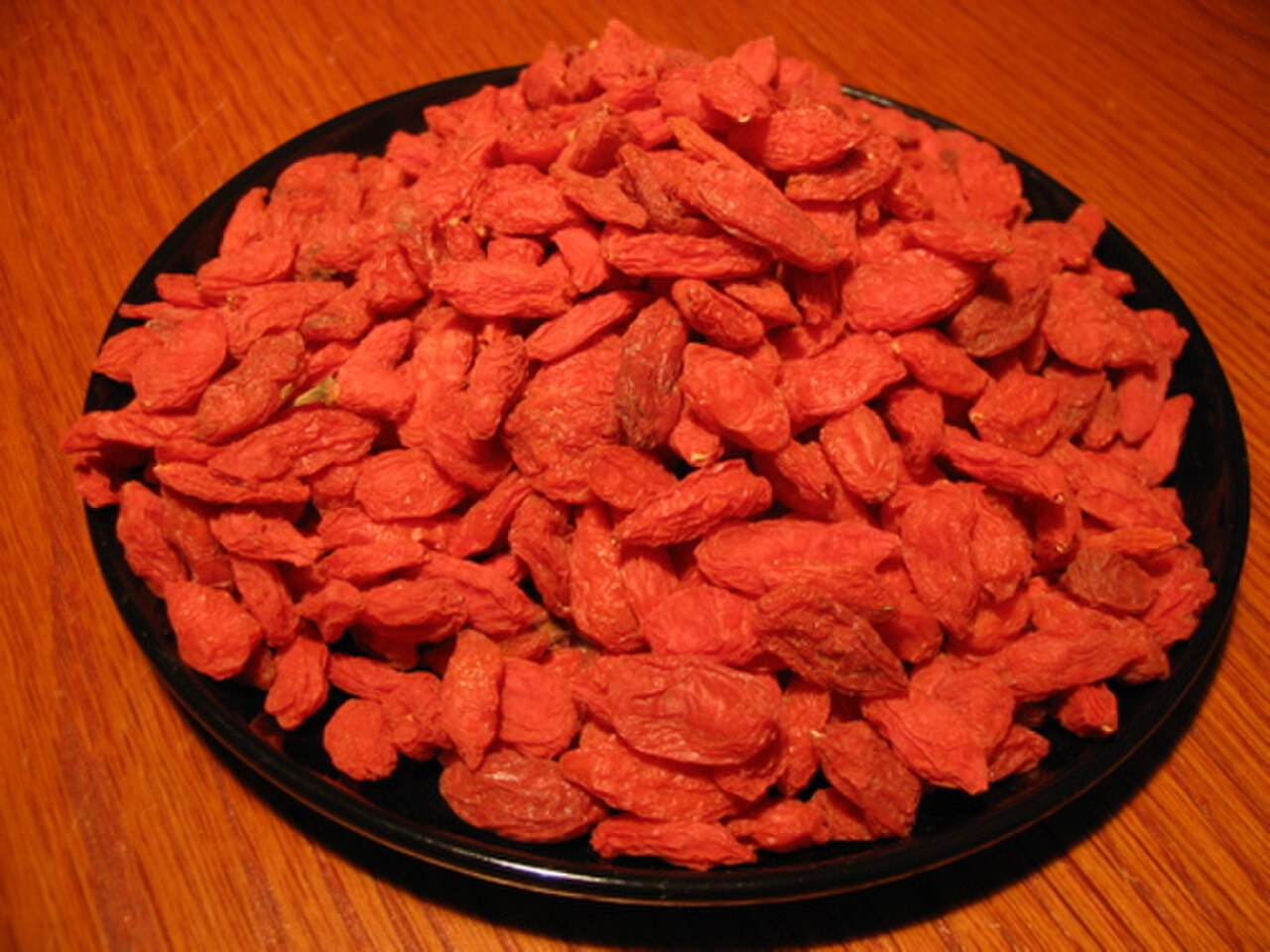
Understanding the plant helps you shop. Each crocus flower opens for a few days in late autumn and carries three red stigmas. Those stigmas are hand-picked, then dried over low heat until they snap rather than bend. Nothing else about the flower is used, which is the whole reason saffron is expensive. When a vendor shows you threads that are long, evenly red with orange tips, and brittle, you are looking at properly cured product rather than the dust that gets swept off the floor and repackaged for tourists.
How to Buy Saffron Without Getting Ripped Off
The single most useful rule: buy threads, never powder. Powdered saffron in Xinjiang is frequently cut with turmeric, paprika, or dyed grass. Real threads are trumpet-shaped, uneven, and a deep red with orange tips, never uniformly bright red.
| Grade / form | Typical market price (per gram, 2025) | Where to buy | Red flag |
|---|---|---|---|
| Whole premium threads | ¥40-90 | Kashgar old town spice rows, Hotan bazaar | Uniform bright-red color, no orange tips |
| Whole standard threads | ¥25-45 | Any city bazaar | Smells of hay only, no honey note |
| Broken / cooking grade | ¥15-25 | Grocery wholesalers | Excess yellow stem mixed in |
| Powder | ¥10-30 | Mostly avoid | Almost always adulterated |
A fair test vendors expect: drop a few threads in warm water. Real saffron bleeds a golden-yellow hue slowly and the threads stay red; fake powder or dyed threads turn the water red almost instantly. I have done this at three stalls in one afternoon and it is a perfectly normal thing to ask.
Saffron in Festivals and Weddings
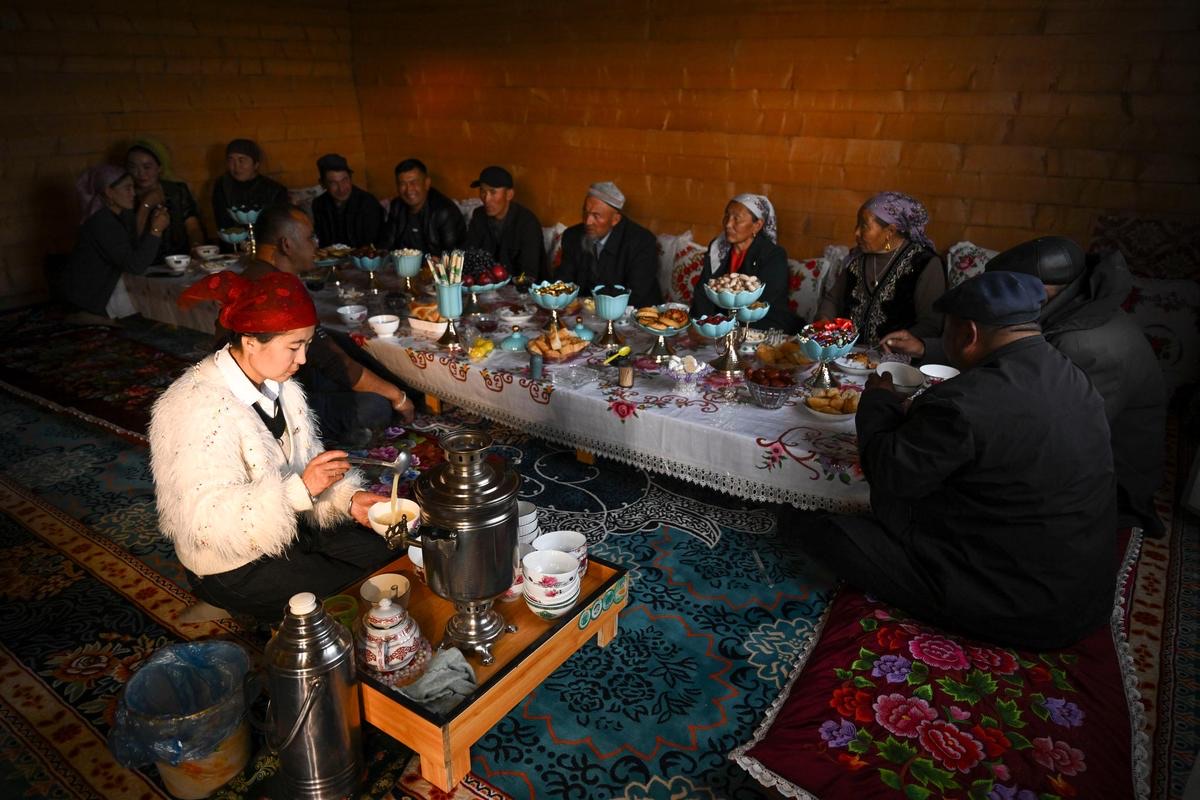
In southern Xinjiang, saffron is more than a seasoning. It goes into the sweetened milk teas served to guests during weddings, into the butter biscuits baked for Nowruz, and into the rice cooked for visiting relatives at holiday meals. If you are invited into a home, the presence of saffron in the tea is a quiet signal of a special occasion, and accepting the cup with both hands is the right response.
Using Saffron in Xinjiang Cooking
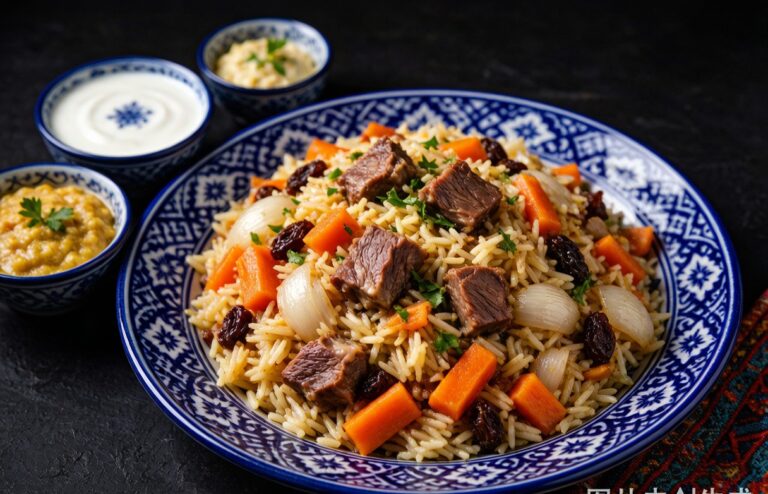
At home in Xinjiang, saffron shows up in small, deliberate ways rather than as a showpiece. A pinch goes into polo (hand-grabbed rice) for color and a rounder aroma, into festival biscuits, and into guest teas. You do not need a recipe to use it well: steep a few threads in a tablespoon of warm water for ten minutes, then stir that liquid into rice, dough, or tea right before serving.
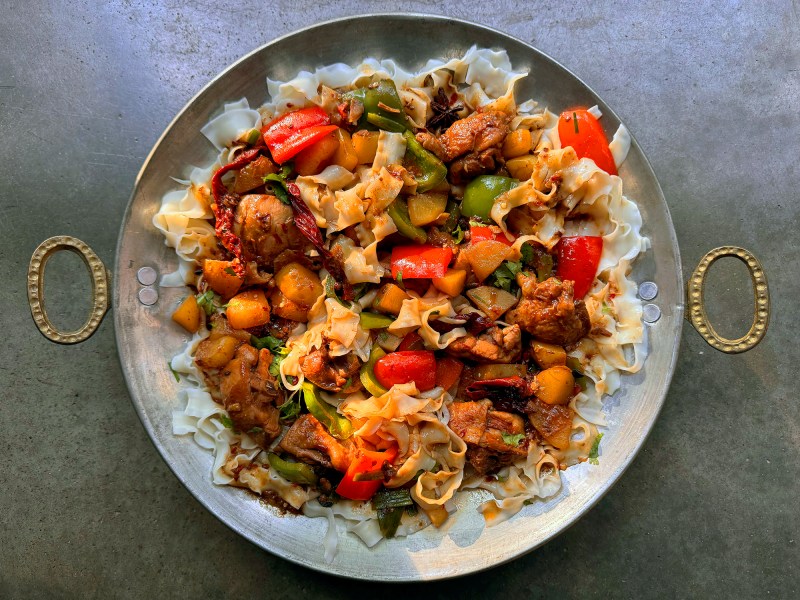
If you cook while traveling, the easiest souvenir dish is saffron polo. Bloom a generous pinch of threads in hot water, toast your rice in oil until the grains turn glassy, add carrot batons and raisins, pour in the saffron water with your stock, cover, and steam until the liquid is gone. It tastes like the bazaar smells, and it scales down to a single pot in a guesthouse kitchen.
Storing and Carrying Saffron Home
Once you buy it, keep saffron out of light and heat. A small screw-top jar in your daypack is fine for the trip; at home, a dark jar in the cupboard keeps it potent for a year or more. For the flight, carry it on rather than checking it, since hold luggage can sit on a hot tarmac and dull the aroma. A few grams is normally fine for personal use, but check your home country’s rules on plant products before you fly and keep the receipt.
Two cents a gram is a hard price to argue with, and a hard price to hear honestly. The Crocus sativus flowers only open for a few hours in the morning, which is the whole reason the spice is expensive and the village is patient. Buy it from someone who let you see the thread, and the saffron rice tastes like it cost nothing.
Frequently Asked Questions
Is saffron in Xinjiang real or fake?
Both exist. Buy whole threads from a stall you can watch weigh and smell them, avoid powder, and do the warm-water test. Premium whole threads from Kashgar or Hotan are genuine and excellent.
How much saffron can I take home?
For personal use, a few grams is normally fine, but check your home country’s rules on plant products before you fly. Keep the receipt and keep it in your carry-on, not checked luggage that may sit in heat.
What is a fair price per gram?
In 2025, expect ¥40-90 per gram for whole premium threads at a reputable bazaar stall. Stalls quoting below ¥15 per gram for premium are almost certainly selling cut or dyed product.
Can I visit a saffron farm?
Small plots exist near Kashgar and Hotan but few are set up for tourists. The practical way to see the trade is the spice section of the Sunday bazaar, where growers sell directly in autumn.
When is saffron harvested?
The crocus flowers in late autumn, so the freshest threads appear in bazaars from November through January. Buy then if you want this year’s crop.
How do I store saffron so it keeps its color?
Keep it in a small dark, airtight jar away from heat and sunlight. Properly stored threads stay potent for at least a year, and the color holds better than if you leave them in a paper packet on a sunny shelf.