Shihezi, Xinjiang: The Green Oasis City on the Urumqi-Ili Corridor
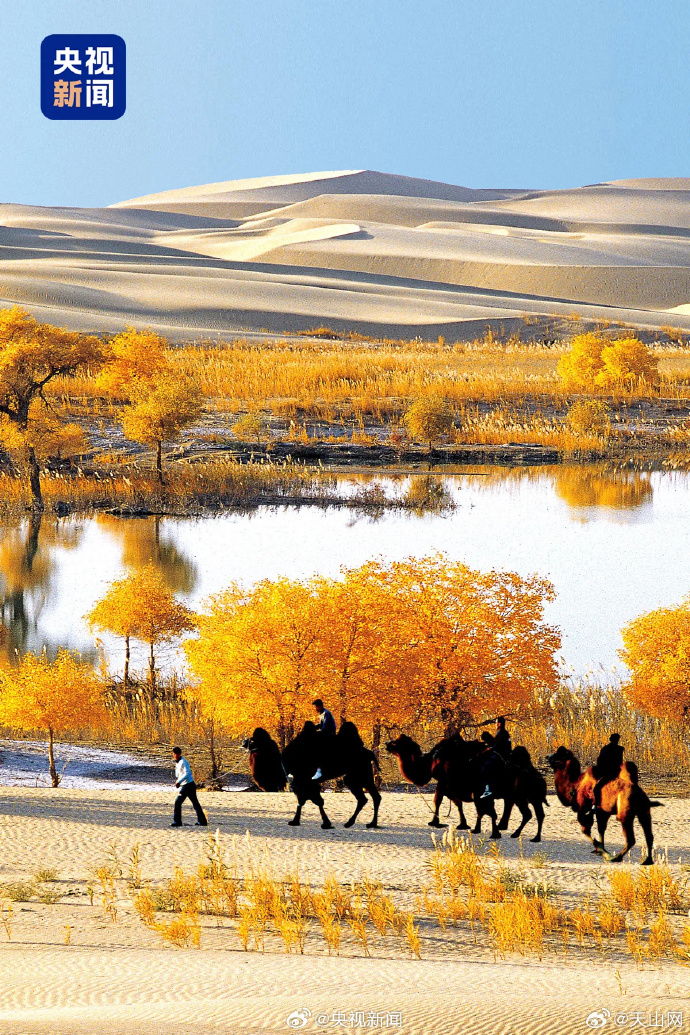
I stopped in Shihezi almost by accident, breaking a long drive between Urumqi and the Ili Valley, and ended up staying two nights. What struck me first was the trees — kilometre after kilometre of poplars and elms lining boulevards in a city that sits on the edge of the Gurbantunggut desert. Shihezi is not on most Xinjiang itineraries, and that is exactly why it works: a tidy, green, low-stress city that tells the twentieth-century half of the region’s story, and a genuinely useful base on the northern corridor.
What Shihezi Actually Is
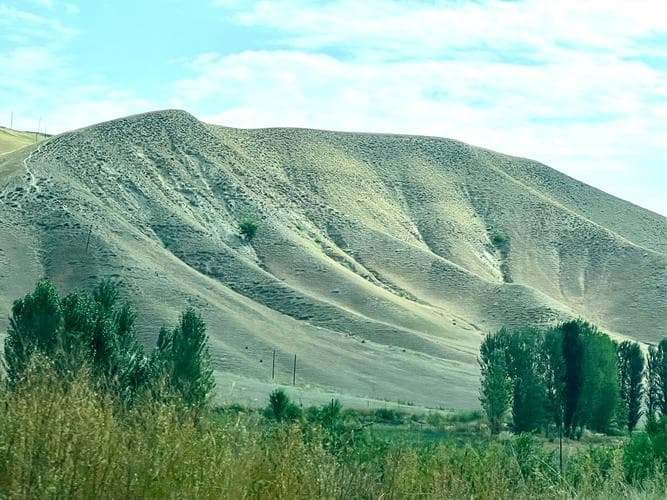
Shihezi (石河子) sits about 140km west of Urumqi on the northern slope of the Tianshan, in the belt of oasis farmland that runs along the mountains. Unlike Kashgar or Turpan, it has no ancient bazaar or Silk Road ruin. The city was built from near-nothing in the 1950s by land-reclamation settlers who turned desert-edge scrub into cotton and grain fields, and its wide grid, dense street trees and low-rise centre are the direct result of that planning.
For a traveler, that history produces something rare in Xinjiang: a mid-sized city you can walk end to end, with almost no tourist infrastructure and almost no tourist crowds.
Who should stop here
Shihezi suits three kinds of visitor. Anyone driving the Urumqi–Ili corridor who wants a comfortable overnight instead of a five-hour push. Anyone interested in modern Chinese history and how the region was farmed and settled. And anyone who simply wants a quiet, cheap, tree-shaded day off between the big-ticket landscapes.
Things to Do in Shihezi
The sights are modest and close together — you can cover the essentials in a relaxed day.
| Place | What it is | Time needed | Worth it? |
|---|---|---|---|
| Land Reclamation Museum | The city’s founding story, tools and photographs | 1.5–2 hrs | Yes — the reason to come |
| Zijin Park / city centre squares | Tree-lined public space, locals dancing at dusk | 1 hr | Yes, at 8pm |
| Shihezi University campus | Leafy 1950s planning, cheap canteens | 1 hr | If you like architecture |
| Local wine and vineyards | Northern-slope vineyards outside town | Half day | Seasonal, needs a car |
| Farmland and cotton belt | Autumn harvest landscape on the outskirts | 2–3 hrs | Sept–Oct only |
The museum is the anchor
If you do one thing, do the reclamation museum. It is unpolished by big-city standards — display cases of hand tools, canvas tents, irrigation diagrams and portraits — but it explains the landscape you have been driving through better than any scenic overlook. The canals along the highway, the poplar windbreaks, the perfectly rectangular fields: all of it is engineered, and the museum shows you how and by whom.
When to Visit
Shihezi has a sharper seasonal profile than the mountain destinations, and it changes what the visit is for.
| Season | Conditions | What it’s good for |
|---|---|---|
| May–June | Warm, green, long evenings | Walking the city, tree canopy at its best |
| July–August | Hot and dry, 30–35°C | Cheap overnight break; evenings outdoors |
| September–October | Mild, harvest under way | Best overall — cotton fields, grape season |
| November–March | Cold, often below freezing | Museum-and-food visit only |
Autumn is the clear winner. The harvest is visible from the road, the light is soft, and the temperature is ideal for walking. If you are timing a wider trip around weather, our guide to the best time to visit Xinjiang lines up the regional seasons.
Getting There and Away
Shihezi is genuinely easy to reach, which is part of its appeal as a stop rather than a destination.
By train
Trains from Urumqi take roughly one to one and a half hours on the fast services, with several departures a day. The station is a short taxi ride from the centre. This is the simplest option if you are not driving.
By road
The expressway from Urumqi is straightforward and takes about two hours by car or long-distance bus. Continuing west toward Kuitun, Jinghe and the Ili Valley is another comfortable half-day. Shihezi’s position makes it the natural first-night stop when heading from the capital toward Sayram Lake and Yining. For route and ticketing logistics across the region, see our overview of transportation in Xinjiang.
Getting around town
The centre is walkable and flat. City buses cost a couple of yuan, taxis start low, and ride-hailing works. You do not need a car unless you are heading out to the vineyards or the farmland.
Where to Stay and What It Costs
Shihezi is one of the cheapest comfortable nights in northern Xinjiang. Mid-range business hotels near the centre run roughly ¥180–320, and they handle foreign guests routinely because the city hosts a university and regular business travel. Book a centre location so you can walk to dinner and the evening squares. Budget ¥250–400 per person per day all in, including food and a museum ticket — well under what the same day costs in a scenic area.
Eating in Shihezi
The food scene reflects the settler history: strong Han and Hui cooking alongside Uyghur staples. Expect excellent hand-pulled noodles, big-plate chicken, and dumpling houses, plus night-market grills in summer. Prices are noticeably lower than Urumqi. The university district canteens and the streets around it are the best value in the city.
How to Fit Shihezi Into a Route
Two itineraries I would actually recommend. The corridor overnight: leave Urumqi in the afternoon, reach Shihezi by evening, see the museum next morning, then drive on to Sayram Lake — turning a punishing single day into two easy ones. The history detour: two nights, using day one for the museum and city, and day two for the farmland and vineyards outside town. Either way, treat Shihezi as a rest-and-context stop, not a headline destination, and it delivers well above expectations.

Practical Notes
Bring sun protection even in the shoulder seasons — the light on the northern slope is strong and the streets are exposed once you leave the tree cover. Carry a little cash for buses and small restaurants. Museum hours can be shorter than posted in winter, so go in the morning. And do not expect English signage or English-speaking staff; a translation app covers everything you will need.
What to do when it breaks
If this happens: Shihezi worth a detour
Not as a standalone destination flown into for its own sake. As a stop on the Urumqi–Ili corridor, or for anyone interested in how modern Xinjiang was farmed and settled, it is genuinely worthwhile and very low-cost.
When it goes sideways: Timing
One night and a morning covers the museum and the city centre. Two nights if you want the farmland, vineyards and a slower pace.
If you run into this: Hotels accept foreign guests
Mid-range and business hotels in the centre generally do. As anywhere in the region, confirm with the property when you book rather than assuming, and prefer 3-star and above.
On the ground: There anything for children
The parks and public squares are excellent for kids — safe, shaded, and busy with local families in the evening. The museum is text-heavy and less engaging for young children.
If this happens: Visiting as a day trip from urumqi
Yes. A fast train each way plus the museum and a walk through the centre fits comfortably into one day, though you will miss the evening square atmosphere that is one of the city’s better moments.
What stuck with me
Shihezi will never compete with Kanas or Kashgar, and it does not try to. What it offers is a green, orderly, inexpensive city where you can catch your breath mid-route and understand something about Xinjiang that no grassland or lake will tell you. Stop for a night on the way west — the trees alone are worth it.