Staying Healthy on a Xinjiang Trip: Altitude, Food, Water and Sun
The romantic version of Xinjiang travel is all snow peaks and starry lakes; the practical version includes a headache at 3,000 metres, a dodgy kebab, and sunburn by lunch. None of this is scary — the region is safe and the healthcare is decent — but a little preparation keeps a small problem from ruining a week. This is the health playbook I now run before every trip.
Altitude: The Big One
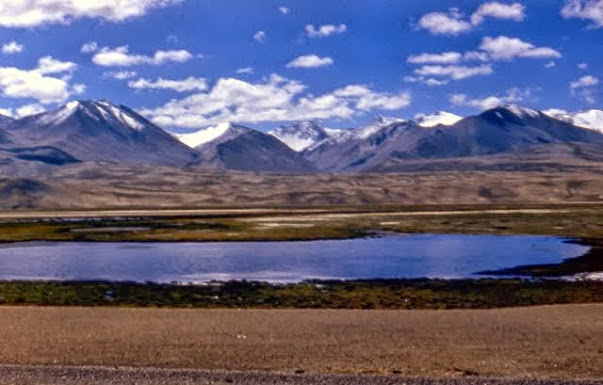
Most travellers spend time above 1,500 m and some go far higher — the Pamir Highway touches 4,000 m, and even Kashgar sits near 1,300 m. The first rule is to ascend gradually: fly or train into a mid-altitude base (Urumqi or Ili) for a night or two before pushing onto the roof of the region. Symptoms of mild altitude sickness are a headache, poor sleep, and breathlessness on small hills; they usually fade in a day or two as your body adjusts. Hydration and a slow first day are the cheapest insurance you have, and a little less alcohol in your first high nights makes a noticeable difference.
When to worry
Real altitude sickness — confusion, a dry cough that won’t quit, or breathlessness at rest — is rare but serious. Descend immediately if it appears; the Pamir and Tianshan clinics know the drill. Travellers with heart or lung conditions should clear high routes with a doctor before they leave home.
| Place | Approx. elevation | Advice |
|---|---|---|
| Urumqi | ~800 m | No acclimatisation needed |
| Kashgar | ~1,300 m | Easy for most visitors |
| Tianshan passes | 2,500–3,500 m | Pace yourself, hydrate well |
| Pamir Highway | up to 4,000 m | Acclimatise in Kashgar first |
Food and Water Safety
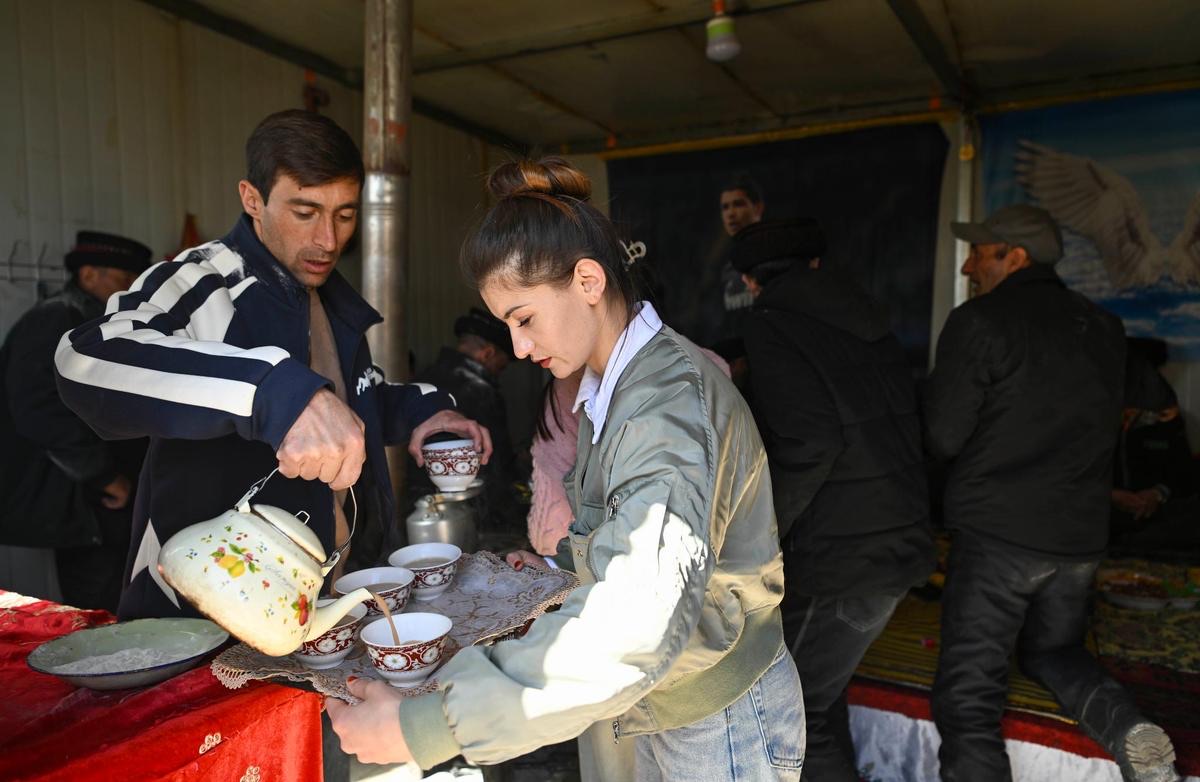
Xinjiang’s food is glorious and, for most visitors, completely safe — but a changed diet and unfamiliar bacteria will upset any stomach. The rule I follow is boring and effective: eat where locals queue, watch your food cooked in front of you, and give your gut a couple of days before you graduate from laghman noodles to a street full of unknowns. Ease in: a few days of cooked over raw, peel your own fruit, and trust busy stalls over empty ones. Tap water is not for drinking; buy sealed bottles (cheap everywhere) or carry a filter bottle and refill at your hotel.
Dealing with a dodgy stomach
Carry oral rehydration salts and a basic anti-diarrheal; most bouts pass within a day. If you see blood, a high fever, or it lingers beyond 48 hours, find a clinic. Avoid ice in uncertain places and skip unpasteurised dairy if your gut is delicate. The good news: the worst usually hits on day two and is gone before the really good meals begin.

Sun, Wind and Dry Air
The air is extraordinarily dry and the sun is fierce at altitude. A good sunscreen, lip balm, and a brimmed hat are not optional in summer; the UV will burn you through a cloudy day on a lake. Nosebleeds and cracked lips are common — a saline spray and moisturiser help. Drink more water than feels necessary; dehydration sneaks up fast in the desert climate, especially on long drives with the heater blasting.
Heat, Cold and the Two Extremes
Xinjiang swings between extremes. Turpan is the hottest place in China — regularly above 40°C in July, with shimmering heat that dehydrates you within an hour of walking. There, light long sleeves beat short sleeves: they shade the skin and the evaporation of sweat actually cools you, a hat is mandatory, and you slow down at midday. The flip side is winter, when Urumqi and the north drop well below freezing and the wind cuts to the bone. Dress in layers you can shed, and never underestimate how quickly a sunny mountain morning becomes a cold, wet afternoon at altitude. The same day can hand you both sunburn and a shiver.
A simple health kit
Beyond plasters and painkillers, I pack rehydration salts, a small tube of factor-50 sunscreen, lip balm, antiseptic wipes, and any personal medication with a spare day’s supply in my carry-on. A paper copy of my insurance and the Chinese name of key medicines lives in the same pouch. It weighs almost nothing and has bailed me out more than once on a remote road with no pharmacy in sight.
Pharmacies, Clinics and Insurance
Pharmacies (yaodian) are everywhere in cities and stock basics without drama; bring the Chinese name of any prescription medicine you rely on, since brands differ from home. For anything serious, public hospitals in Urumqi, Kashgar, and Ili are modern and affordable, though English is limited — a translation app and your hotel’s help go a long way. Always travel with insurance that covers evacuation; it is cheap peace of mind for remote routes like the Pamir or a multi-day grassland trek.
Everyday Wellness on the Road
Long travel days are the quiet health risk. Pack a refillable bottle, walk when you can, and don’t underestimate the fatigue from the region’s two-hour time shift from Beijing — shops and meals often run on Xinjiang time, but your body may not, so expect a few sleepy mornings and protect your sleep with a consistent bedtime. A small first-aid kit (plasters, antiseptic, painkiller, antihistamine) handles the minor scrapes of a hiking or yurt trip, and a couple of electrolyte sachets rescue a dehydrating bus day. Stretch at every rest stop; the straight desert highways tempt you to sit for eight hours, and your back will complain by Kashgar.
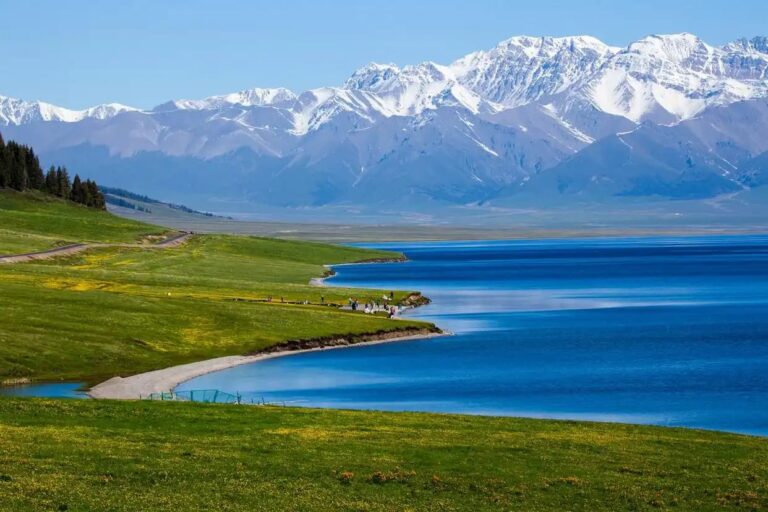
For timing your visit around the gentlest conditions — and the shoulder months when crowds and heat both drop — our best time to visit Xinjiang guide is the companion read. And if alpine lakes are on your list, the practical notes in our Sayram Lake piece cover the cold, wind, and altitude you will meet at 2,000 m.
Altitude, dry air and a change of eating pattern hit me on day three, not day one, which is why I now slow down deliberately on arrival instead of chasing the first scenic stop. Two litres of water, no alcohol that evening, and a long sleep at below 2,500 m fixed the headache before it started. Nothing about staying healthy in Xinjiang is clever; it is just early enough to matter.
Frequently Asked Questions
Do I need vaccinations for Xinjiang?
No special vaccinations are required beyond your routine ones. Talk to a travel clinic if you are coming from a yellow-fever region or have specific health conditions; they may suggest hepatitis A or typhoid as sensible precautions for any China trip.
Is the altitude dangerous for older travellers?
Not usually, if you ascend gradually and avoid the highest passes too quickly. Anyone with heart or lung issues should check with a doctor and keep Pamir itineraries flexible rather than fixed.
Can I drink the tap water?
No — stick to sealed bottled water or a filter. Ice and raw veg washed in tap water are the usual culprits behind a rough stomach, so ask before you accept either.
Are pharmacies easy to find?
Yes, in every city and most towns. Bring the Chinese name of any medicine you depend on, since Western brand names are not always stocked, and a translation app covers the rest.
What if I get sick far from a city?
Minor issues: your first-aid kit and a pharmacy stop. Anything worse: head to the nearest county hospital or return to a city clinic; evacuation insurance covers the rare serious case. Stay calm — the system works, it just runs in Chinese.
How do I handle the dry air and nosebleeds?
A saline nasal spray, lip balm, and a litre or two of extra water a day fix most of it. A small humidifier in a hotel room helps if you are staying more than a few nights in the deep winter dry season.