Xinjiang Breakfast Soups: Suyukash, Shorwa, and the Warm Morning Bowls
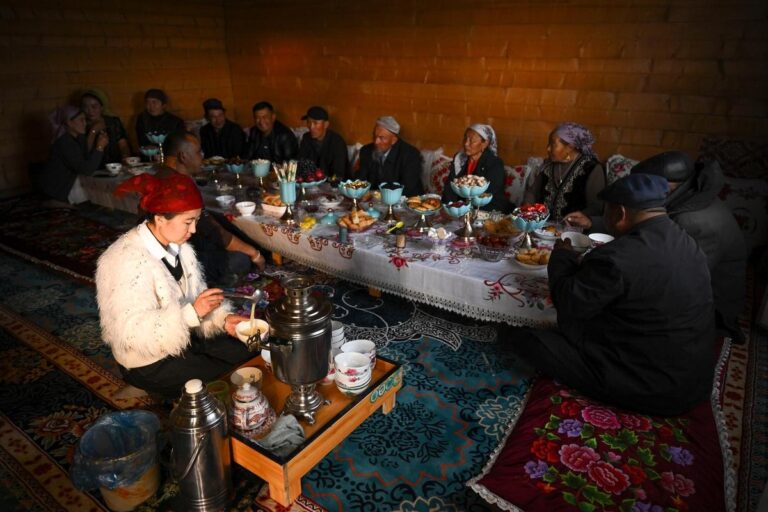
On my first cold morning in a Yili village I was handed a bowl that looked like thin porridge and told, through gestures and a smile, to drink it hot. It was suyukash — a warm milk-and-flour gruel that tastes like comfort, not breakfast cereal. I had come expecting naan and tea (which did arrive), but that bowl reset my idea of what a Xinjiang morning looks like. Xinjiang breakfast soups are a quieter, older tradition than the famous grilled meats, and they are the best way I know to start a day of winter driving in the north.
Why Soup for Breakfast
The logic is practical. Much of Xinjiang swings between desert heat and mountain cold, and a hot, calorie-dense bowl before a long ride or a day in the fields makes sense. These are not spicy broths — they are gentle, milky, or grain-thickened staples built to warm you from the inside. In Kazakh and Kyrgyz households especially, a breakfast bowl is as normal as coffee is elsewhere.
The dairy base
Most northern breakfast soups start with animal milk — cow, sheep, or mare — sometimes fermented first. The dairy is warmed (not boiled hard), then thickened with flour, grain, or small pasta. Salt is the usual seasoning; sugar appears in the more dessert-like versions. If you are lactose-sensitive, ask before the second bowl, because the base is almost always milk.
The Main Breakfast Bowls
Names shift by town and ethnicity, but these are the bowls you will actually be served. Prices are typical homestay or small-eatery rates.
| Bowl | Base & texture | Region | Price (RMB) | Best season |
|---|---|---|---|---|
| Suyukash | Warm milk + flour, thin gruel | Ili, northern pastures | 5–10 | Autumn–spring |
| Shorwa | Broth with noodles or bread bits | Uyghur towns, Kashgar | 8–15 | Year-round, best cold months |
| Talqan osh | Toasted barley flour in milk/water | Kazakh & Kyrgyz | 6–12 | Winter |
| Kacha | Wheat porridge, sometimes butter | Oasis towns | 5–9 | Winter mornings |
| Oat/congee-style | Rice or millet gruel, mild | City cafes, Han-influenced | 6–12 | Year-round |
If you only try one, make it suyukash in a northern pastoral area — the version made with fresh sheep or cow milk tastes nothing like the powdered-milk approximations in city hotels.
Where to Find Them
These are home and small-eatery foods more than restaurant foods.
Homestays and yurt camps
The reliable place to meet a real breakfast soup is a yurt homestay in the Ili valley or near a pasture. Families serve it as part of the morning spread, often before you have fully woken up. Eat it there, in the moment — it does not travel.
Town breakfast shops
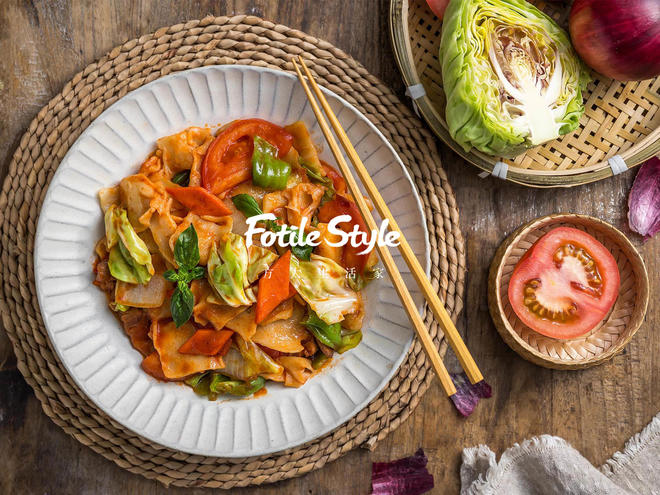
In Kashgar, Hotan, and Urumqi you can find shorwa at early-morning noodle and soup counters, especially the ones locals queue at before work. Point at the pot, hold up fingers for portions, and sit where the regulars sit.
Pairing With Bread and Tea
A bowl is rarely the whole meal. Tear naan or sip milk tea alongside — the dry bread soaks up the last of the broth, and the salty tea cuts the dairy richness. In pastoral homes you may get a bowl of kymyz (fermented mare’s milk) on the side in summer, which is an acquired taste worth one brave sip.
A Simple Suyukash You Can Make Anywhere
You do not need a tonur or a pasture to try this. I started making a lazy version in a hostel kitchen and it became my cold-morning habit. Warm 500 ml of milk (or a milk-water mix) in a small pot without boiling. In a cup, whisk two tablespoons of plain flour with a splash of the warm milk into a smooth paste, then pour it back into the pot while stirring. Keep the heat low and stir until it thickens to a thin gravy — two to three minutes. Add a pinch of salt, maybe a dab of butter, and that is it. For talqan osh, swap the flour for a few spoonfuls of toasted barley or oat flour. The result is plain on purpose: it is a warm base, not a finished dish, and it pairs with bread and tea exactly like the real thing.
When locals eat it sweet vs savory
The rule of thumb I learned: northern pastoral families lean savory (salt, butter, sometimes a little meat broth), while city and festival versions tilt sweet with sugar or raisins. Neither is wrong. Ask which style a home serves before you assume, and try both at least once — the savory one is the sleeper hit.
The awkward situations, handled
If this happens: Soups spicy
No. Xinjiang breakfast soups are mild by design — salty, milky, or grainy rather than chili-hot. The heavy spice you associate with Uyghur food shows up at lunch and dinner, not at the morning bowl.
When it goes sideways: Geting a vegetarian version
Often yes. Suyukash and kacha are usually just milk, grain, and salt with no meat stock. Shorwa sometimes contains a meat broth, so ask. The truly safe vegetarian bet is a plain milk-and-grain bowl from a homestay that cooks to order.
If you run into this: Finding them in a hotel buffet
Sometimes, diluted for tourists, but the authentic versions are in homes and local shops. If the hotel version tastes like sweet pudding, it has been adapted — seek out a real eatery for the savory original.
On the ground: Safe to drink the milk unboiled
In remote pastoral areas milk may be warmed but not fully pasteurized. If your stomach is sensitive, ask for it qaynatilghan (boiled) or stick to the city versions, which use processed dairy. When in doubt, heat it yourself.
If this happens: Time is breakfast served
Early. Rural households eat at first light, often 6–8 a.m., and the food is gone by mid-morning. In towns, soup counters run roughly 7–10 a.m. Plan around it rather than expecting an all-day option.