Kyrgyz Culture in Xinjiang: The Turkic Keepers of the Pamir’s Northern Flank
Most visitors to Xinjiang’s far west meet the Tajik blue-eyed gaze of the Pamir and stop there. But travel a little north of Kashgar, toward the grey-green hills of Kizilsu, and you enter the homeland of another Silk Road people: the Kyrgyz. Though they share the Pamir and the pastoral life with their Tajik neighbors, Xinjiang’s Kyrgyz are a Turkic-speaking, yurt-dwelling nation with their own language, epics, and sense of humor — and meeting them is one of the most rewarding cultural detours in the region.
Who Are the Xinjiang Kyrgyz?
The Kyrgyz of China live mostly in the Kizilsu Kyrgyz Autonomous Prefecture, with its main centers at Artux (Atushi), Wuqia, Akqi, and along the border valleys that climb toward the Pamir and the western Kunlun. They are part of the same Kyrgyz nation that forms the majority in neighboring Kyrgyzstan, separated by the mountain frontier. In Xinjiang they number around 200,000 — a small, proud community that has kept its nomadic heritage remarkably intact.
My own introduction came on the road from Kashgar to Tashkurgan, when a Kyrgyz family invited our car to stop at a roadside yurt near Wuqia. Within minutes there was bread, cream, and a boy showing off his father’s eagle. That afternoon taught me more about the Pamir than any museum.
Language and Identity
Kyrgyz is a Turkic language, close enough to Kazakh that the two groups can often understand each other, yet distinct in sound and vocabulary. The script used in China is based on the Arabic alphabet through Uyghur influence, while Kyrgyzstan uses Cyrillic — a small detail that tells you exactly where the mountain divides run. Most Kyrgyz in the tourist belt also speak Uyghur and Mandarin.
The Epic of Manas
No conversation about Kyrgyz identity is complete without Manas, the monumental oral epic of the hero Manas and his descendants. It is among the longest epics in the world, sung by specialist bards (manaschi) in a hypnotic chant. Hearing even a fragment performed in a yurt is unforgettable, and the tradition is recognized by UNESCO.
Kyrgyz vs Their Neighbors
On the grasslands, several Turkic and Iranic groups blur together to the untrained eye. Here is a quick field guide:
| Group | Language family | Heartland in Xinjiang | Signature marker |
|---|---|---|---|
| Kyrgyz | Turkic | Kizilsu (Artux, Wuqia, Akqi) | Manas epic, felt yurts, Pamir herding |
| Kazakh | Turkic | Ili, Altay, Tianshan pastures | Large summer camps, koumiss culture |
| Tajik | Iranic (Pamiri) | Tashkurgan | Blue eyes, eagle hunting, stone forts |
| Uyghur | Turkic | Oasis towns (Kashgar, Turpan) | Oasis agriculture, bazaars, muqam music |
Nomadic Life and the Yurt
Like other steppe peoples, the Kyrgyz live a seasonal rhythm of transhumance: winter villages in the valleys, summer pastures (jailoo) high in the hills. The boz üy — the grey felt yurt — is both home and symbol. Its wooden lattice, felt walls, and crown wheel are assembled without a single nail, and the interior layout follows tradition: the honored guest sits farthest from the door, near the zhuk (the stacked chests and bedding).
Felt and Craft
Kyrgyz women are master felt-makers. Watch for shyrdak — colorful felt carpets with bold geometric patterns — and intricately embroidered trappings for horses. These are not tourist props; they are the everyday art of a moving household.
Music of the Steppe
The Kyrgyz musical soul lives in the kobyz, a two-stringed fiddle of horsehair and wood whose sound is said to imitate wind and the neigh of a horse. Traditional players are deeply respected, and a single performance can hold a yurt silent for an hour. Combined with the chanting of Manas, Kyrgyz music is among the most distinctive sounds of the Pamir fringe — and one you will remember long after the mountains are gone.
Festivals and Horse Games
The Kyrgyz calendar turns on the seasons and on horses. Nowruz (the spring equinox) is celebrated with feasting, music, and games, while summer gatherings feature horse racing, kok-boru (the rough-and-tumble goat-grabbing sport also loved by Kazakhs), and wrestling. Many of these overlap with the wider regional celebrations covered in the Xinjiang festivals guide.
| Event | When | What you’ll see |
|---|---|---|
| Nowruz | Around March 21 | Feasts, music, horse games |
| Summer jailoo festivals | July–August | Racing, wrestling, eagle displays |
| Local bazaar days | Weekly | Livestock, felt, food trade |
Food of the Kyrgyz
Kyrgyz cuisine is the food of herders: mutton (often boiled with little more than salt and onions), beshbarmak (flat noodles under meat and broth), dairy in every form, and hearty breads baked in a tandoor or on a saj. In the Pamir cold, a bowl of mutton broth with hand-rolled noodles is less a meal than a necessity. Do not miss the cultured milk products — they are the Kyrgyz pantry. In winter the diet turns to preserved foods — dried meat, hardened cheese (kurut), and stored fats — because the pasture is buried in snow, yet a winter guest is fed from this reserve with the same pride as a summer one.
Where to Meet the Kyrgyz
The classic route is Kashgar → Artux → Wuqia → the Pamir highway toward Tashkurgan. Artux has the administrative and market life; Wuqia and Akqi open onto genuine pasture country. If your schedule allows only one stop, the Kashgar Old City is the gateway where Kyrgyz, Uyghur, and Tajik worlds mingle before the mountains begin. 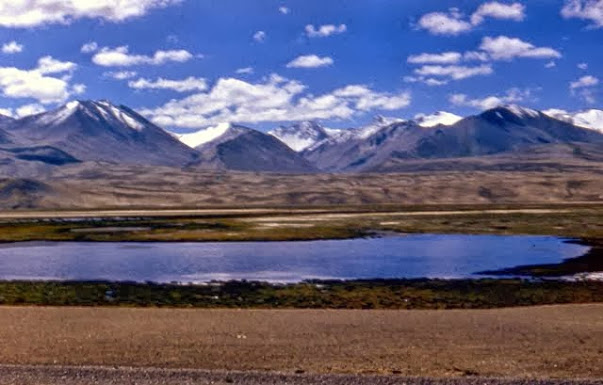
Etiquette and Respect
The Kyrgyz are famously hospitable but also proud. A few rules smooth every encounter: accept food and tea when offered, use your right hand, and ask before photographing people — especially women and elders. Learning one phrase, “Salamatsyzby?” (are you well?), opens more doors than any camera.
Photographing the Kyrgyz
The light on the Pamir is extraordinary, and the urge to photograph everything is real. But the Kyrgyz, like their neighbors, value respect over access. Always ask before taking a portrait, and show the result on your screen — the smile you get in return is worth the pause. If you are invited into a yurt, that is the moment for permission-granted shots of daily life: the churn, the bread, the children. Good travel photography starts with this basic courtesy, and it costs nothing.
The things you will probably want to know
Are the Xinjiang Kyrgyz the same as Kyrgyzstanis?
Yes, they are the same nation divided by the border. The Kyrgyz in China are citizens of China; their relatives across the line are citizens of Kyrgyzstan. The language, epics, and yurt culture are shared.
Is it safe and easy to visit Kyrgyz areas?
Kizilsu is calm and welcoming to travelers who respect local customs. Standard Xinjiang border-region rules apply: carry your passport and be prepared for checkpoints on the Pamir road.
Can I stay in a Kyrgyz yurt?
In summer, yes — family-run pasture stays exist near Wuqia and along the Pamir approach. Arrange through a trusted local operator or your Kashgar hotel rather than turning up unannounced.
What is the Manas epic about?
It follows the hero Manas and his descendants uniting the Kyrgyz people, full of battles, loyalty, and the steppe’s moral code. It is performed orally and can run for hours in the hands of a great manaschi.
Do I need a border permit for Kizilsu?
Artux and the main towns do not require a special permit, but the Pamir highway toward Tashkurgan does. Sort that permit in Kashgar before you go.
Will I hear Kyrgyz spoken or mostly Mandarin?
In villages and yurts you will hear Kyrgyz and Uyghur daily; in towns, Mandarin is common for official business. A smile and a few Uyghur or Kyrgyz greetings go a long way.
The Kyrgyz remind you that Xinjiang is not one culture but a stack of them, each shaped by the next mountain range. Slow down north of Kashgar, and the Pamir will introduce you to its other keepers.