Beshbarmak: Xinjiang’s Boiled Meat and Hand-Rolled Noodle Feast
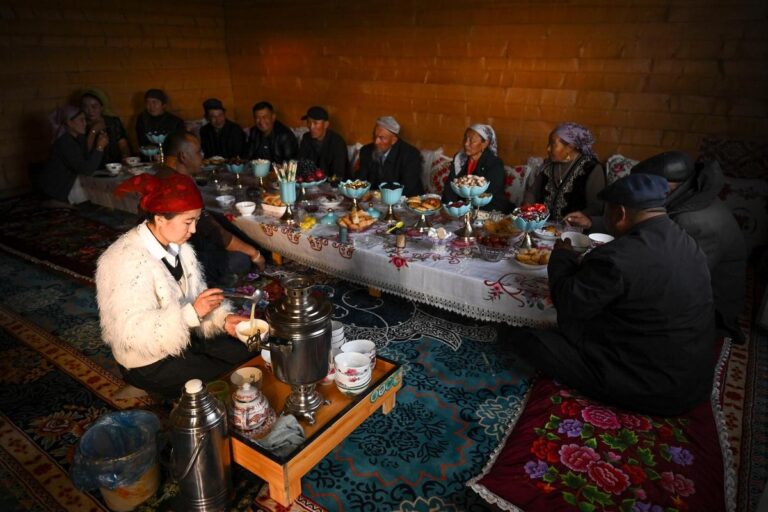
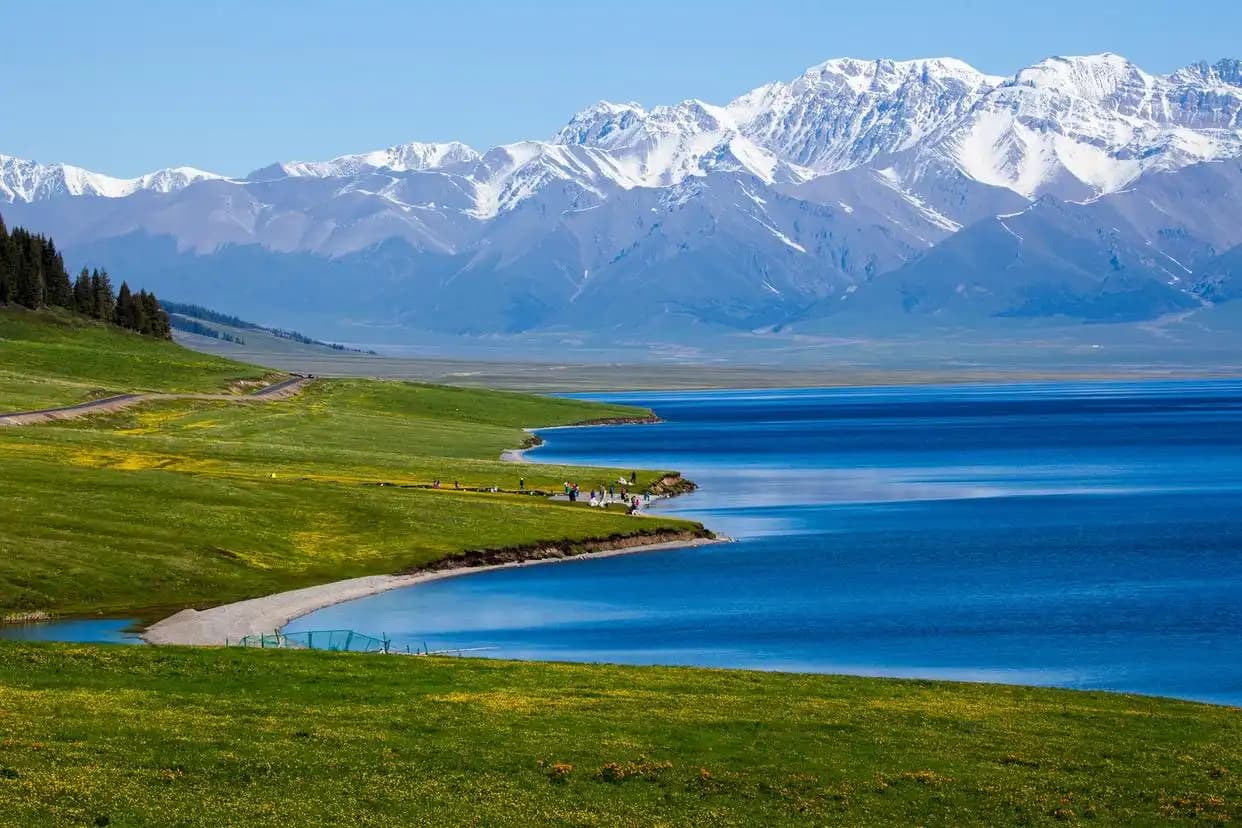
I first ate beshbarmak on a cold evening in a yurt outside Yining, seated on a felt rug with a Kazakh family I had only met that afternoon. A huge round platter arrived at the center of the floor table: wide ribbons of hand-rolled noodle underneath, then great pale slices of boiled mutton and horsemeat, and a clear broth so rich it seemed to glow. Someone pressed a broth bowl into my hand and said, simply, “eat with your fingers.” That was my introduction to Xinjiang’s true banquet dish.
What Exactly Is Beshbarmak?
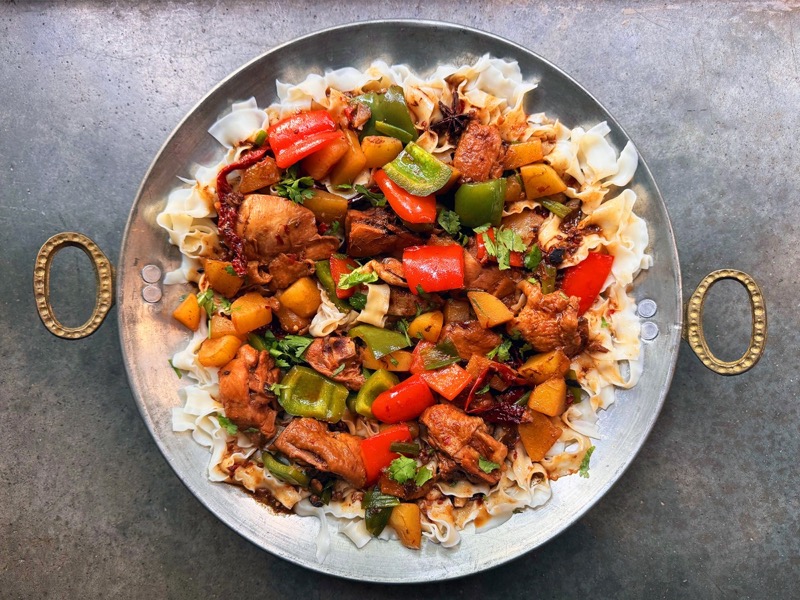
Beshbarmak means “five fingers” in Kazakh — a direct nod to the traditional way of eating it: with the right hand, no fork. It is the centerpiece feast of the Kazakh, Kyrgyz and Mongol communities across Xinjiang, served at weddings, funerals, the birth of a child, and especially at the spring festival of Nauryz. At its core it is boiled meat (usually mutton, often with horsemeat) laid over wide, flat noodles, finished with a strained meat broth called sorpa. It is not a restaurant fast-food dish; it is a hospitality ritual.
Why the “Five Fingers” Name Matters
Eating with the hand is part of the etiquette, not a quaint leftover. The host tears the softest pieces of meat and offers them to the most honored guest first. Using only the right hand, you take a noodle-and-meat bundle, dip it in the onion-vinegar broth, and eat. Doing it clumsily is forgiven for foreigners; refusing the offered piece is not.
How the Broth and the Meat Are Prepared
The meat is simmered for hours with onion, a little black pepper, and sometimes a carrot, never rushed. Good beshbarmak broth is almost fat-free and crystal clear. The cook skims constantly. The cuts matter: the rump, the ribs, and the bony shank all go in, and each guest is served a specific part according to age and status. A young guest gets tender muscle; an elder gets the prized fatty tail (qurduq) or a meaty rib.
The Hand-Rolled Noodles
The noodles are not pasta from a packet. The cook rolls a stiff dough of flour, water and salt, then stretches and folds it into wide ribbons before boiling them separately so they stay firm. They are laid across the platter first, acting as a bed that soaks up the meat juices. In some households the dough is cut into squares; in others it is pulled thin like lasagna sheets. Either way, the noodle-to-meat ratio is generous — this is a dish built to share.
A Simple Cut-and-Serve Table
| Cut | Who Gets It | Flavor Note |
|---|---|---|
| Qurduq (fat tail) | Elders, honored guests | Rich, melts on the tongue |
| Rib (qabirga) | Male guests of status | Meaty, slightly chewy |
| Shank (jilik) | Younger guests | Lean, tender |
| Horsemeat sausage (qazi) | Shared sliced | Smoky, dense |
The Etiquette of the Banquet
If you are invited to beshbarmak, a few rules keep you from embarrassing your host. Wait to be seated — the guest of honor sits farthest from the door. Let the eldest or host begin. When broth is offered, accept it with both hands and sip, do not gulp. Offer a piece of meat to the person on your left if you are handed the serving knife. And never put your left hand on the platter. These small acts signal respect more than any toast.
Drinks That Go With It
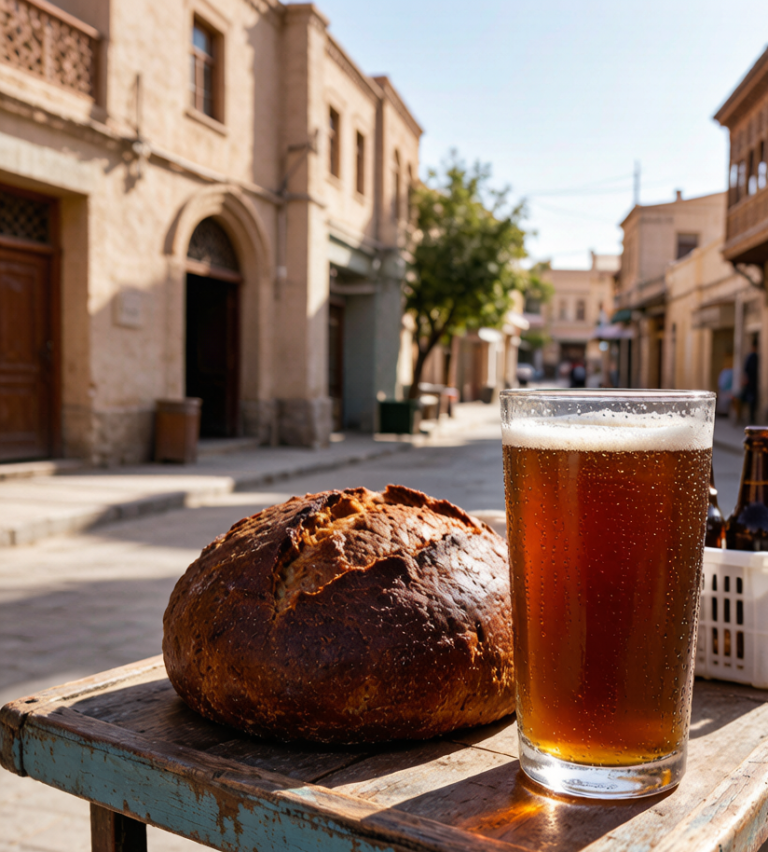
Beshbarmak is almost always followed by tea — black, milk, or the fermented mare’s milk called qymyz in summer. Strong alcohol is rare at the family table; if it appears, it is usually at a separate male gathering. For a non-alcoholic pairing, the salty milk tea cuts the richness perfectly.
Where to Eat Beshbarmak in Xinjiang
| City / Area | Best Setting | Tip |
|---|---|---|
| Yining (Ghulja) | Kazakh yurt stays in the Ili valleys | Ask homestays, not city restaurants |
| Kunes / Tekes | Pastureland ger camps | Go in summer when herders are up |
| Urumqi | Kazakh-run halal restaurants | Order a half-portion for one |
| Altay / Burqin | Family guesthouses | Combine with a Kanas trip |
Best Time to Find a Real Feast
The most authentic beshbarmak is at a Nauryz celebration around March 21, when Kazakh families open their yurts and the platter circulates for hours. Summer pasture season (June to August) is the next best window, because that is when herders are living in the mountains and cooking the full version daily. In deep winter the dish is heavier and the meat fattier — warming, but a lot for one stomach.
Regional Twists Across Xinjiang
The “same” dish tastes different depending on which valley you eat it in. In the Ili Valley the noodles are wider and the broth clearer, because herders there favor younger lamb and a lighter hand with fat. Around the Altai, where Kazakh and Mongol communities overlap, you more often find a portion of qazi (smoked horsemeat sausage) sliced over the top, and the broth may carry a hint of wild onion gathered on the summer pasture. Near the Russian-influenced towns of Yining you might even get a side of pickled vegetables, a holdover from the region’s mixed heritage. None of these is “wrong” — beshbarmak is a home dish before it is a restaurant dish, and every family has its version.
In the Ili Valley
Ili beshbarmak leans celebratory: it appears at Nauryz and at wedding feasts, and the platter is larger, often with an entire sheep’s forequarter. If you are invited to one, go hungry and go early — the best pieces are served in the first round.
In the Altai
Up north the same boiled-meat feast is heartier and the horsemeat more prominent, a practical response to a colder climate. It is the fuel that gets herders through the short, intense summer of moving animals between pastures.
Ordering and Portion Sizes
In a restaurant, beshbarmak is usually listed by weight or by “half / full platter.” A half platter (around 400 to 600 grams of meat plus noodles) is plenty for one hungry traveler and costs roughly 60 to 90 yuan. A full platter is built for two or three. If the menu offers “with qazi,” take it at least once — the smoky sausage is the part most visitors remember. Ask the waiter to point out the broth (“sorpa”) separately; a good house serves it in its own bowl for sipping between bites.
What people want to know
Is beshbarmak safe for tourists to eat?
Yes. The meat is boiled thoroughly and served hot, which kills pathogens. The only real risk is portion size — a single platter can feed four, so order accordingly or you will be offered a second helping out of politeness.
Can I eat it if I do not like horsemeat?
Ask for “qoy eti” (mutton only) when you order. Most cooks will happily prepare a mutton-only version, sometimes with a little beef, and set the horsemeat sausage aside.
Do I really have to use my hands?
In a family yurt, yes — that is the point. In a city restaurant you will be given a fork without embarrassment. Either way, eat slowly; beshbarmak is a meal measured in conversation, not minutes.
Is it halal?
It is prepared according to Islamic slaughter and served in halal settings, but note that horsemeat is standard and pork never appears. Vegetarians will find nothing for them on the platter.
How much does a portion cost?
A restaurant half-portion runs roughly 60 to 120 yuan depending on the city; a full yurt feast is usually part of a paid homestay experience and not priced per plate.
What should I read before the trip to understand the food culture?
Our Xinjiang food guide maps the wider cuisine, and the naan guide explains the bread that almost always accompanies the broth.