2026 Xinjiang Travel Itinerary Guide for Foreign Visitors
Last updated: July 15, 2026 · Written by Karl Huang, a Xinjiang travel specialist who has spent time across the region. Practical details are cross-checked against official tourism, transport, and border-regulation sources.
| Best time | May–October is the comfortable window. |
|---|---|
| How long | 8–12 (north), 10–14 (south), 16–24 (grand loop) days. |
| Difficulty | Moderate — foreign visitors need permits/documents. |
| Cost level | Mid–High with guides and permits. |
| Permit required | YES — border pass for Tashkurgan and some border zones. |
| Don’t miss | Three curated routes and the pre-trip documents checklist. |
Covering one-sixth of China’s land territory, Xinjiang stands as the ultimate bucket-list destination for global explorers. It is not only a living museum of geographic landscapes — boasting sapphire lakes of the Altai Mountains, the boundless Taklamakan Desert, towering snow-capped peaks of the Pamir Plateau, and rolling grasslands of the Ili River Valley — but also a cultural melting pot where the world’s four major civilizations converge. For international travelers planning this epic journey in 2026, a well-thought-out authentic itinerary plan is essential. This guide comprehensively breaks down every detail of traveling in Xinjiang for foreign visitors in 2026, from pre-trip preparations to route design, helping you explore this magical land effortlessly.
Part 1: Pre-Trip Essential Preparation – Your Key to a Smooth Departure
A successful Xinjiang journey starts with thorough preparation. For foreign travelers, the following priorities form the cornerstone of your 2026 Xinjiang travel plan.
1. Travel Documents & Permits
Passport & Chinese Visa
Ensure your passport remains valid for at least 6 months beyond your travel dates. Citizens of most countries need to apply for a Chinese Tourist Visa (L Visa) in advance. As of early 2026, nationals from France, Germany, Italy, the Netherlands, Spain, Malaysia, Singapore and other countries enjoy 15–30 days visa-free entry, subject to entry via designated ports and compliance with permitted stay durations.
Border Permit (Border Control Area Pass)
This is the most critical requirement for foreign visitors traveling to Xinjiang in 2026. A Border Permit is mandatory if you plan to visit border areas including Tashkurgan (Pamir Plateau), Baihaba Village, and the vicinity of Khunjerab Pass.
Important Reminder: Foreign travelers cannot apply for this permit independently. It must be processed collectively by a qualified local Xinjiang travel agency, with documents submitted at least 7 working days in advance. Be sure to inform your travel agency of any border-region attractions in your itinerary during planning for advance arrangements.
2. Choose the Best Travel Season
Xinjiang offers breathtaking scenery all year round, yet each season delivers a distinct travel experience. Select your travel window based on your preferences:
- Golden Autumn (Mid-September – Late October)The most highly recommended travel season. The weather is cool and mild; forests in Kanas and Hemu of Northern Xinjiang blaze with golden foliage like a fairyland, while poplar forests in Southern Xinjiang turn radiant gold. It is also the harvest season for melons and fruits, with perfect natural light for photography.
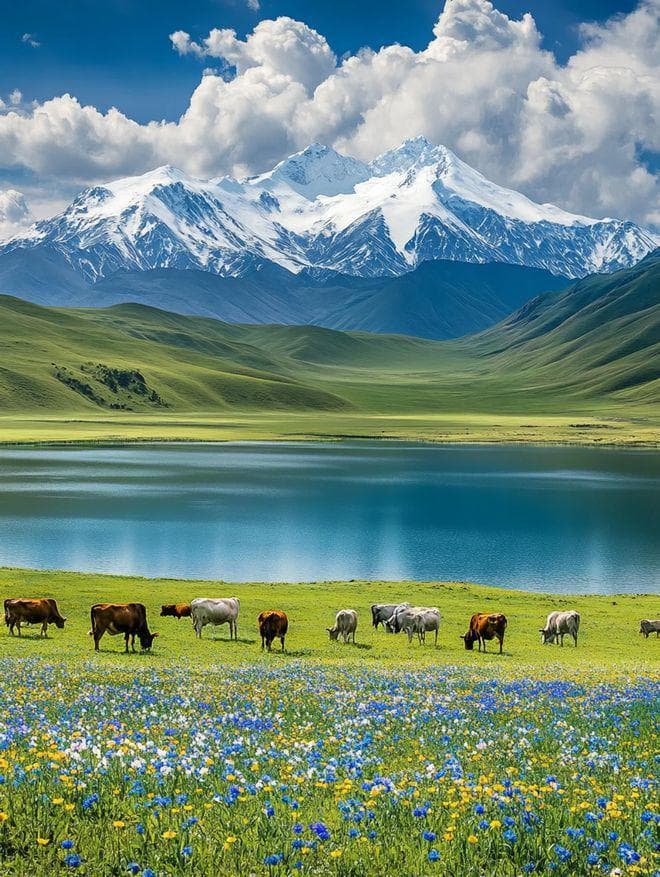
- Lush Summer (June – August)Grasslands in the Ili River Valley of Northern Xinjiang bloom into seas of flowers, and Kanas Lake boasts emerald waters with pleasant temperatures. However, regions like Turpan in Southern Xinjiang experience extreme heat. This is the peak tourist season, requiring advance bookings.
- Vibrant Spring (April – May)Apricot and peach blossoms bloom across Southern Xinjiang with mild temperatures, though occasional sandstorms may occur.
- Serene Winter (November – March)Northern Xinjiang transforms into an icy fairy-tale world with fewer crowds, ideal for travelers seeking unique off-the-beaten-path experiences and photography. Some scenic spots and mountain roads may close for the season.
3. Transportation Options: Traversing Vast Xinjiang
Xinjiang spans an enormous area with long distances between attractions, making proper transportation selection pivotal to your travel success.
- Domestic Flights: The fastest way to connect major cities including Urumqi, Kashgar, Yining and Altay.
- Luxury Tour Trains: An ideal choice for travelers pursuing comfort and in-depth travel. Premium luxury tourist trains such as the New Oriental Express and Silk Road Dream Cruise operate in 2026, providing all-inclusive services with stunning roadside scenery and eliminating the hassle of frequent luggage packing.
- Private Charter & Small Group Tour (Most Recommended for Foreigners)Flexible and independent, with experienced local drivers familiar with complex road conditions and English-speaking tour guides. It grants access to hidden scenic spots unreachable by public transport and assists with on-the-go travel arrangements.
- Self-Driving: Only recommended for highly experienced drivers. An international driver’s license paired with a notarized Chinese translation is required; additionally, foreign-registered vehicles face restrictions on some border mountain roads.
Part 2: 2026 Classic Recommended Itinerary Routes
Choose from the following classic routes based on your vacation length and travel interests.
Route 1: Northern Xinjiang In-Depth Natural Scenery Tour (8–12 Days Recommended)
This route focuses on the breathtaking natural landscapes north of the Tianshan Mountains, perfect for first-time visitors.
Core Highlights: Mysterious waters of Kanas Lake, morning mists and starry skies of Hemu Village, Sayram Lake known as the Last Tear of the Atlantic, alpine grasslands of Narat and Kalajun, and Yardang landforms of Urho Ghost City.
Itinerary Framework
D1–2: Arrive in Urumqi, adjust to the time difference, visit Xinjiang Museum and International Grand Bazaar.
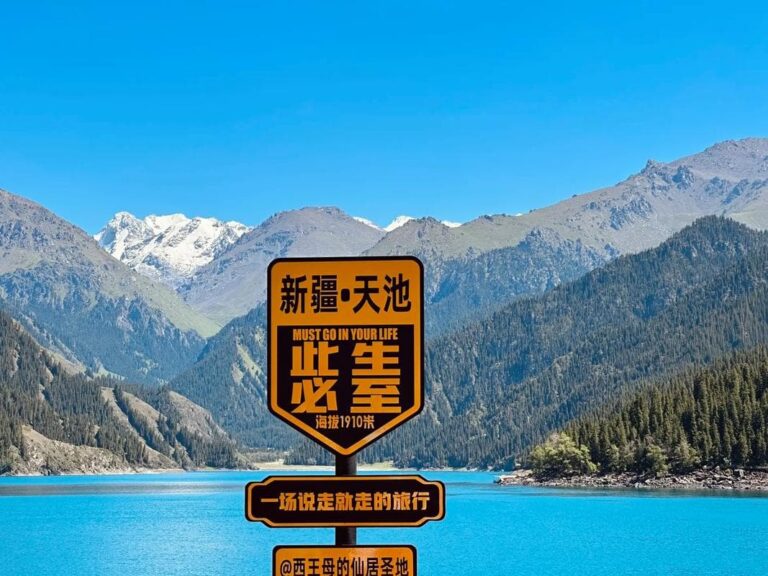
D3: Travel to Tianchi Lake (Pearl of the Tianshan Mountains); take an afternoon flight or overnight train to Altay City or Burqin County.
D4–6: Explore Kanas Scenic Area, visit its three iconic bays (Moon Bay, Fairy Bay, Wolong Bay), and climb Fish Watching Platform for a panoramic overlook. Overnight in a wooden cabin in Hemu Village to embrace the tranquil dawn of the Tuvan village.
D7: Head to Urho to admire the magnificent wind-eroded Yardang landforms of World Ghost City.
D8–9: Pass through the spectacular Guozigou Valley and set off on a lakeside loop tour of sapphire Sayram Lake. Continue to the Ili River Valley – the Jiangnan Beyond the Great Wall – to explore Narat or Kalajun Grassland.
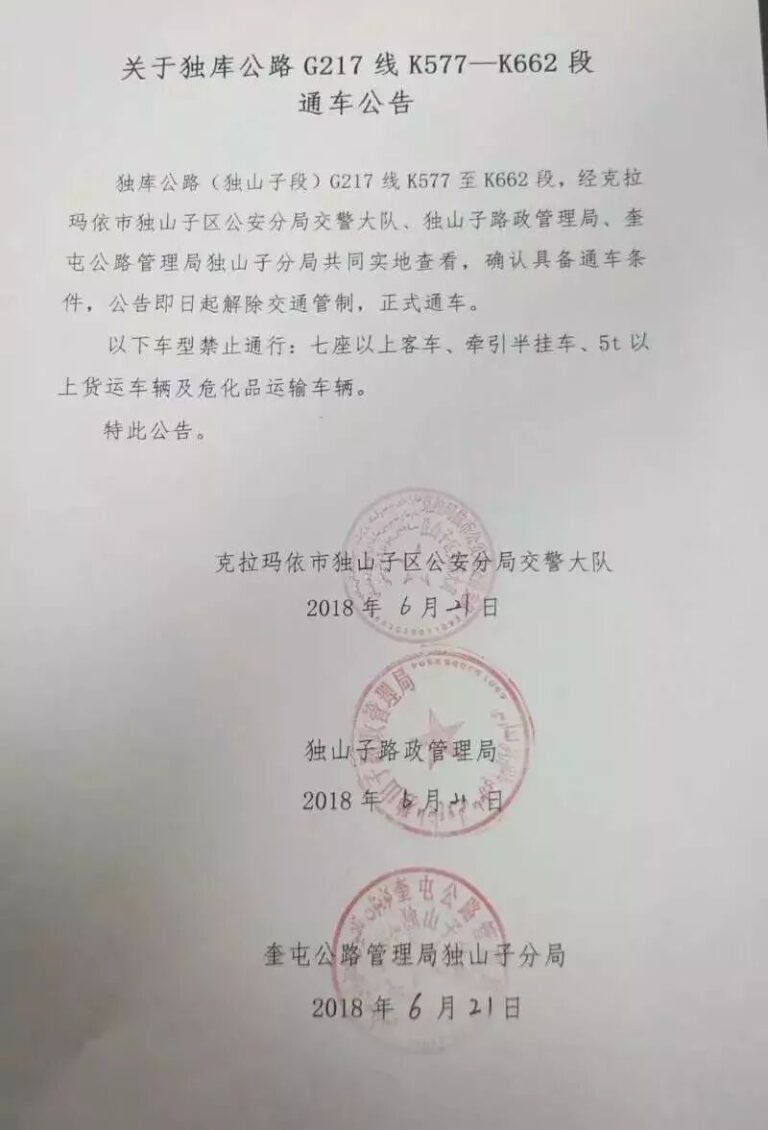
D10–12: Travel a section of the Duku Highway (China’s most beautiful mountain road, open June–September subject to weather) and return to Urumqi.
Route 2: Southern Xinjiang Cultural & Folk Exploration Tour (10–14 Days Recommended)
Follow the ancient Silk Road on this route to immerse yourself in rich ethnic culture and profound historical heritage.
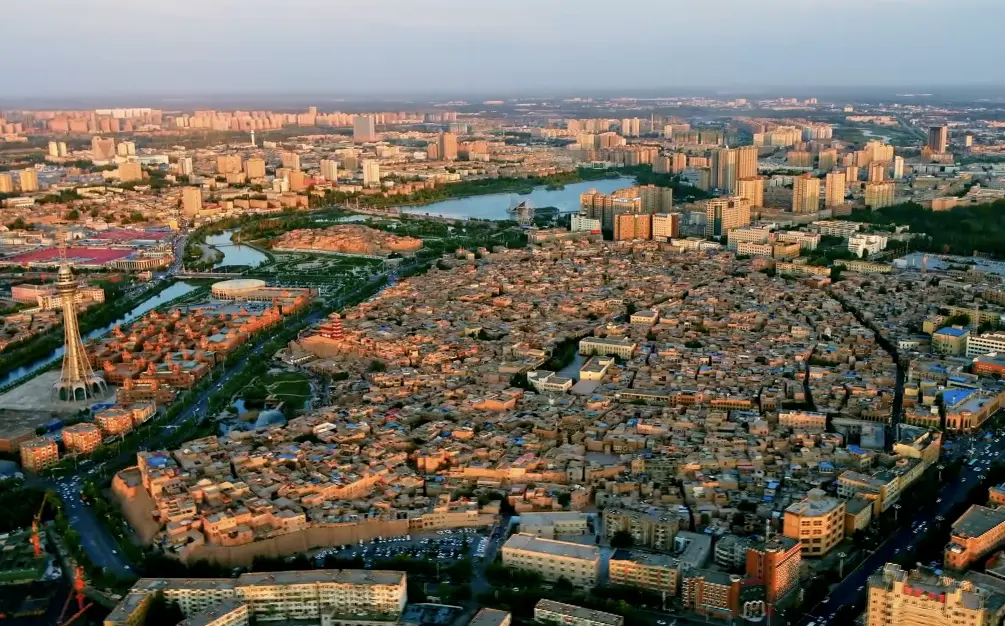
Core Highlights: Local life in Kashgar Ancient City, snow-capped peaks and sacred lakes of the Pamir Plateau, the vast Taklamakan Desert, and Buddhist art of the Kizil Thousand-Buddha Caves.
Itinerary Framework
D1–2: Fly to Kashgar and apply for the Border Permit. Wander the labyrinthine alleys of Kashgar Ancient City, visit Etigar Mosque, and experience the timeless charm of century-old teahouses.
D3–5: Travel along the China-Pakistan Friendship Highway (Karakoram Highway) toward the Pamir Plateau. Admire the dreamlike White Sand Mountain & White Sand Lake, gaze upon Muztagh Ata Peak – Father of Ice Mountains, and linger by Karakul Lake. Arrive in Tashkurgan County, explore Stone City Ruins, and experience the eagle flute culture of the Tajik people.
D6–7: Return to Kashgar and visit the famous Sunday Livestock Bazaar. Take a flight or train to Kuqa.
D8–9: Tour Kuqa Mysterious Grand Canyon and Kizil Thousand-Buddha Caves.
D10–12: Cross the Taklamakan Desert Highway to conquer the Sea of Death, travel to Hotan for jade hunting, or return via Korla.
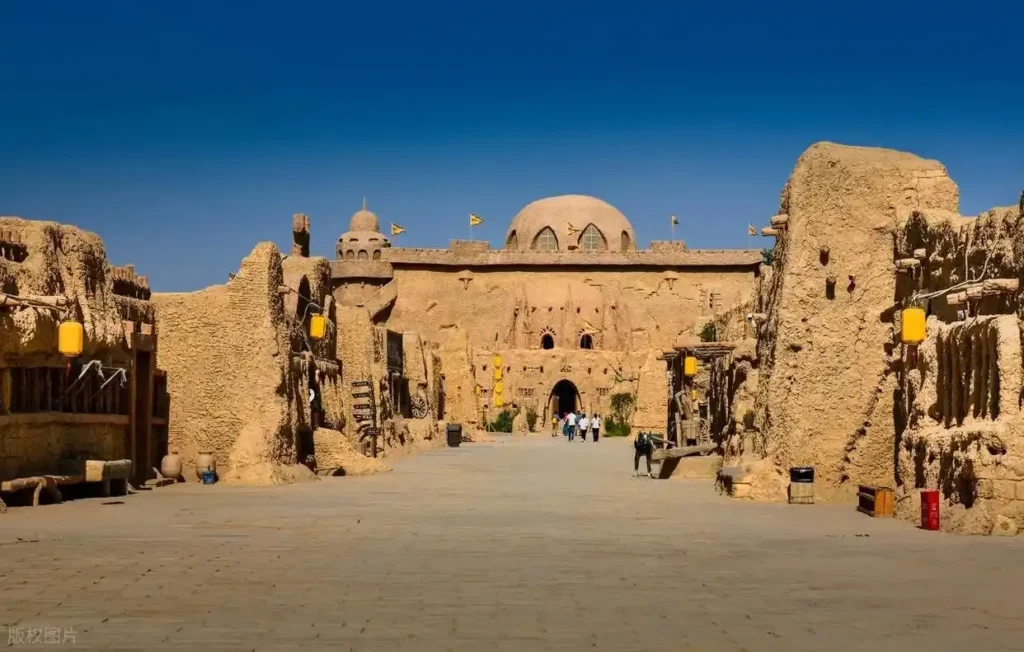
Route 3: Grand Xinjiang Full Loop Tour (16–24 Days Recommended)
Ideal for travelers with ample time who wish to experience all of Xinjiang’s essence in one trip. You may refer to luxury tour train itineraries such as the 14-day New Oriental Express tour, covering Urumqi, Koktokay, Kanas, Ili, Duku Highway, Kuqa, Kashgar, Pamir Plateau and Turpan.
Part 3: In-Depth Experiences & Practical Travel Tips Beyond Regular Sightseeing
A perfect Xinjiang travel guide is far more than just checking off scenic spots.
1. Immersive Cultural Experiences
- Learn to Cook Xinjiang Cuisine: Join a Uyghur family in Kashgar or Turpan to make baked samsa buns or hand-pulled noodles.
- Visit Nomadic Families: Step into Kazakh or Tuvan yurts in Ili Grasslands or Kanas, taste homemade milk tea, and learn about their seasonal nomadic migration culture.
- Enjoy a Muqam Performance: Watch the Twelve Muqam – a UNESCO Intangible Cultural Heritage – in Kashgar or Turpan.
2. Food Guide
From five-star hotels in Urumqi to night market street food in Kashgar, Xinjiang cuisine is an indispensable part of your journey.
Must-Try Dishes: Whole roasted lamb, spicy big plate chicken, lamb pilaf, hand-pulled noodles, lamb skewers of all kinds, kvass (honey fermented beverage), and seasonal sweet melons and fruits.
3. Photography & Packing Essentials
- Golden Photography Hours: Xinjiang has a time difference with Beijing; sunsets fall after 10 PM in summer, offering extended golden shooting time.
- Photography Gear: Wide-angle lens for landscapes, telephoto lens for portraiture and wildlife. A sturdy tripod, fully charged spare batteries and high-capacity memory cards are essential. Prepare dust-proof gear for dry desert and mountain environments.
4. Accommodation & Internet Access
- Accommodation: Foreign visitors must stay at foreigner-qualified hotels (generally 3-star and above), which assist with temporary accommodation registration. Boutique homestays are available in Hemu and Baihaba of Northern Xinjiang; always confirm their foreign reception qualification in advance.
- Network & Communication: 4G coverage is stable in major cities and scenic areas but weak or unavailable in remote mountains and deserts. Download offline maps beforehand. Note that Google, Facebook, WhatsApp and other international social platforms are not directly accessible in mainland China.
5. Cultural Respect & Safety Guidelines
- Cultural Etiquette: Dress modestly when visiting mosques (avoid shorts and tank tops). Always smile and ask for permission before photographing local residents.
- Safety Tips: Xinjiang is extremely safe for tourists, yet stay alert to natural environmental risks. Comply with local regulations and routine security checks. Slow down physical activity on high-altitude areas like the Pamir Plateau to prevent altitude sickness.
Conclusion: Set off on Your Epic 2026 Xinjiang Journey
Xinjiang’s grandeur lies in its extreme scale and stark contrasts; its charm lies in the genuine warmth and purity of its people. Planning your 2026 Xinjiang travel itinerary is more than arranging a trip — it is preparing for a profound dialogue with vast nature and ancient civilizations. Whether traveling with a professional local agency or planning independently, come with an open heart and curious eyes.
In 2026, this lesser-known stops on the ancient Silk Road awaits to share its thousand-year stories with you. Start your travel planning now, and let Xinjiang become the most unforgettable highlight in your travel memories.
-
Do I need a visa to visit Xinjiang?
Yes, you need a valid Chinese visa. Some areas near borders may require additional permits.
-
What is the best time of year to visit Xinjiang?
The best time is from May to October. July and August are peak season with the best weather.
-
How many days do I need for a Xinjiang trip?
We recommend at least 7-10 days to see the highlights of both northern and southern Xinjiang.
-
Is it safe to travel to Xinjiang?
Yes, Xinjiang is safe for tourists. The region has extensive security measures and low crime rates.