Xining Travel Guide: Top Sights, Food and a 3-Day Itinerary
Xining is the gateway to the Tibetan plateau — roughly 2,275 metres up, high enough to feel and low enough to be a sensible place to acclimatise. It is a genuinely mixed city: Han, Tibetan, Hui, Tu and Salar, with the great Gelug monastery of Kumbum half an hour southwest and Qinghai Lake two and a half hours west. Most travellers give it two nights, and a good number are here to board the railway onto the plateau.
Why Visit Xining
Xining (西宁) earns its place among China’s essential stops because the high gateway to tibet, qinghai lake, and the plateau railway.
Xining sits at about 2,275 metres — high enough to take seriously, low enough to be a sensible place to acclimatise before Qinghai Lake at 3,200 metres or the plateau further on. It is also the boarding point for the railway onto the Tibetan plateau, so a lot of travellers are here for one night before a very long, very beautiful ride.
The Story Behind Xining
Xining has been the gateway to the Tibetan plateau for centuries — a garrison town under the Han, a hub on the southern Silk Road, and today the capital of Qinghai. The Kumbum Monastery, founded in 1560 on the birthplace of Tsongkhapa, is one of the great Gelug monasteries and remains an active place of pilgrimage. The city’s population mixes Han, Tibetan, Hui, Tu and Salar communities, which you can taste on a single street.
Top Things to Do in Xining
Kumbum Monastery
Founded in 1560 on the birthplace of Tsongkhapa, the founder of the Gelug school, and one of the great monasteries of Tibetan Buddhism. The butter sculptures, the chanting halls and the stupa that gives the monastery its name are the highlights. Photography is restricted in some halls; go early and allow three hours.
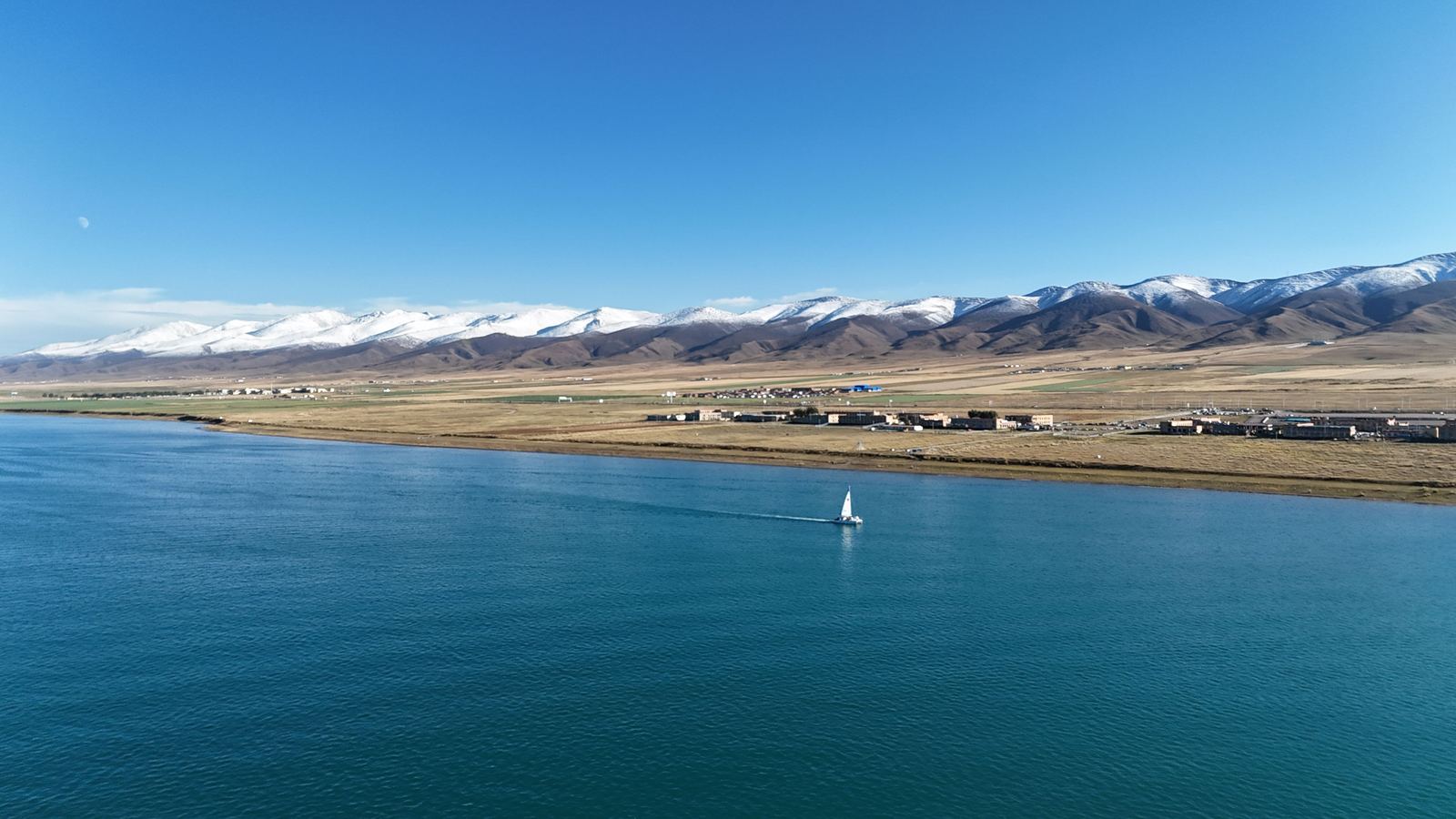
Qinghai Lake
The largest lake in China, more than three kilometres up and ringed by grassland: rapeseed yellow in July, pilgrims walking the shore at other times. Come for a long day, and do not expect a beach — the appeal is scale, altitude and emptiness.
Dongguan Mosque
One of the largest mosques in the region and the centre of Xining’s Hui community, with a Friday congregation that spills into the surrounding streets. Dress modestly and ask before photographing people.
Qinghai Museum
Free and a good introduction to the plateau: Silk Road and Bronze Age material, plus a strong collection of Tibetan Buddhist art. Worth an hour before Kumbum, so the monastery makes more sense when you get there.
Mojia Street
The Hui market street, and the easiest place to eat well: cold noodles, beef skewers, sweet fermented rice and yoghurt sold by the jar. Come hungry and go in the evening.
North Mountain temple complex
A Taoist complex cut into the hillside north of the city, with terraces and a view over Xining. Quiet, rarely visited by overseas travellers and a good half-day once you have acclimatised.
Best Time to Visit Xining
June–August for Qinghai Lake’s flowering meadows and cool weather; winters are severe and high-altitude cold.
At a Glance
| Detail | Information |
|---|---|
| Best season | Jun–Aug |
| Airport | XNN Xining |
| Must-see | Qinghai Lake |
| Altitude | ~2,300 m |
| From Lanzhou | ~4 hrs rail |
Getting to Xining
Xining (XNN) has flights and is the hub of the Lhasa-bound high-speed/regular rail; it’s ~4 hrs by train from Lanzhou and connects to Chengdu and Xi’an.
Getting Around Xining
City buses and taxis cover Xining itself, and the Kumbum Monastery is a short bus or taxi ride southwest. For Qinghai Lake, coaches run from the city’s bus stations to the eastern shore, but most travellers hire a car or join a small tour so they can stop along the way. Note that the station for plateau departures is not always the high-speed station — check which one your ticket says.
What to Eat in Xining
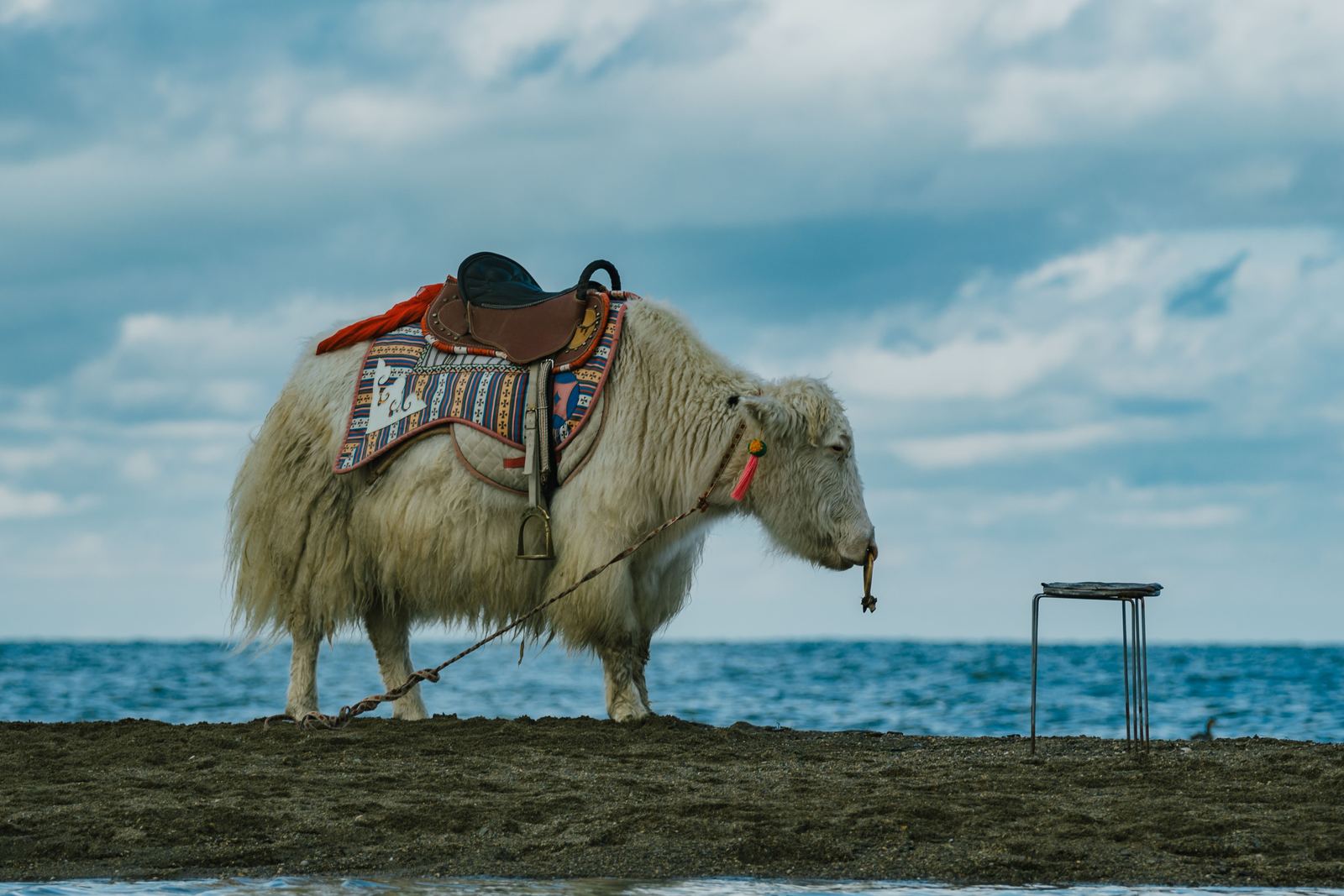
Hand-grabbed mutton
The Qinghai classic: boiled lamb ribs eaten with salt, cumin and chilli powder, no sauce and no ceremony. It is better than it sounds and it is everywhere.
Yak yoghurt
Sold in small jars across the city — thicker, tangier and less sweet than a supermarket pot, often served with a spoon of sugar on top.
Mojia Street snacks
The Hui market street: cold noodles, beef skewers, sweet fermented rice and bread pulled from tandoor-style ovens.
Where to Stay in Xining
Chengzhong, the centre
Walkable to the mosque, Mojia Street and the main bus routes. The default for two nights.
Near the railway station
Practical if you are boarding the plateau train early — but check which station your ticket names, as there is more than one.
Huangzhong
At the monastery itself, half an hour southwest. Quiet, and worth it if you want Kumbum at dawn or an unhurried visit.
A 3-Day Xining Itinerary
This 3-day plan covers the core of Xining without rushing; if you have less time, take the first day and add the parts of the second that matter most to you.
Day 1 — acclimatise gently
Arrive and take it easy: the Qinghai Museum in the morning, the Dongguan Mosque and the Hui streets around it in the afternoon, and Mojia Street for dinner. Drink water, skip alcohol and do not schedule anything strenuous.
Day 2 — Kumbum Monastery
Half an hour southwest by bus or taxi; three hours inside for the chanting halls, the butter sculptures and the stupa. Back in the city by mid-afternoon, which leaves time to collect tickets or rest before onward travel.
Day 3 — Qinghai Lake
Roughly two and a half to three hours by road to the eastern shore. Walk the shoreline, stop at the viewpoints and, if it is July, the rapeseed fields. Return in the evening or continue west if your route goes that way.
Day Trips from Xining
Qinghai Lake
About two and a half to three hours by road: the largest lake in China, ringed by rapeseed fields in July and by pilgrim paths the rest of the year.
Kumbum Monastery
Half a day, twenty-five kilometres southwest — butter-sculpture halls, chanting, and the stupa that gives the monastery its name.
Kanbula
Red Danxia cliffs above a reservoir, paired with forest and Tibetan villages. A long day, but the combination is unusual.
What a Trip to Xining Costs
| Item | Indicative cost |
|---|---|
| Kumbum Monastery | ¥70–100 |
| Qinghai Lake scenic areas | ¥50–120 depending on the entrance; some lakeside roads are free to use |
| Qinghai Museum | Free |
| Rail berth onward to the plateau | ¥500–700, about 21 hrs to Lhasa |
| Mid-range hotel | ¥200–400 per night |
| Local meal | ¥30–70 |
Figures are indicative planning ranges and move with season, exchange rate and holiday demand — confirm on the official site or your booking app before you commit.
Practical Tips for Xining
- Treat 2,275 metres as real altitude: climb slowly, go easy on alcohol the first night and do not plan a hard hike on arrival.
- Avoid deep winter for Qinghai Lake — frozen, wind-blasted and much of the infrastructure shut.
- Read the itinerary before booking the cheapest lake tour; the bargain ones often spend half the day at shopping stops.
- Agree a price before accepting any informal access to lakeside or grassland spots.
- The sun is strong at altitude and the evenings are cold even in summer — layers and sunscreen both.
- Check which station your ticket departs from; the plateau trains and the high-speed trains do not always leave from the same place.
Mistakes to Avoid
- Treating 2,275 metres as sea level — climb slowly, go easy on alcohol the first night and don’t schedule a hard hike on arrival.
- Visiting Qinghai Lake in deep winter, when it is frozen, facilities are shut and the wind is brutal.
- Booking the cheapest lake tour without reading the itinerary; the bargain ones often spend half the day at shopping stops.
- Paying informal fees at unmanaged lakeside spots without agreeing a price first.
Is Xining Right for You?
Two nights is the right minimum: one to acclimatise and see the monastery, one for the lake. Xining suits travellers heading onto the plateau, and anyone interested in Tibetan Buddhist culture who wants to see it without additional travel paperwork.
Plan Your Trip
These official and reference sources help you verify opening hours and book ahead:
Frequently Asked Questions
How many days do you need in Xining?
Two nights is the sensible minimum: one to acclimatise and see the monastery, one for the lake. Three if you want Kanbula or are waiting for a train.
Will I get altitude sickness in Xining?
Most people are fine at 2,275 metres, but headaches and poor sleep are common on the first night. Take it slowly, hydrate and avoid alcohol — and remember the lake sits about a kilometre higher again.
When is the best time to visit?
May to September. July and August bring the rapeseed bloom around the lake and the biggest crowds; May, June and September are quieter with reasonable weather.
How do you get to Qinghai Lake?
Coaches run from Xining’s bus stations to the eastern shore, but most travellers hire a car or join a small tour so they can stop along the way. A day trip is feasible; an overnight is better.