Nanning Travel Guide: Top Sights, Food and a 3-Day Itinerary
Nanning is the leafy, subtropical capital of Guangxi and the Zhuang region — a city of banyan-lined avenues and slow evenings rather than of monuments. Its value is position: Detian, the largest transnational waterfall in Asia, is three hours west on the Vietnamese border; Beihai’s beaches are about ninety minutes south by fast train; Guilin is two and a half hours northeast.
Why Visit Nanning
Nanning (南宁) earns its place among China’s essential stops because green ‘green city’ of guangxi and the base for detian falls.
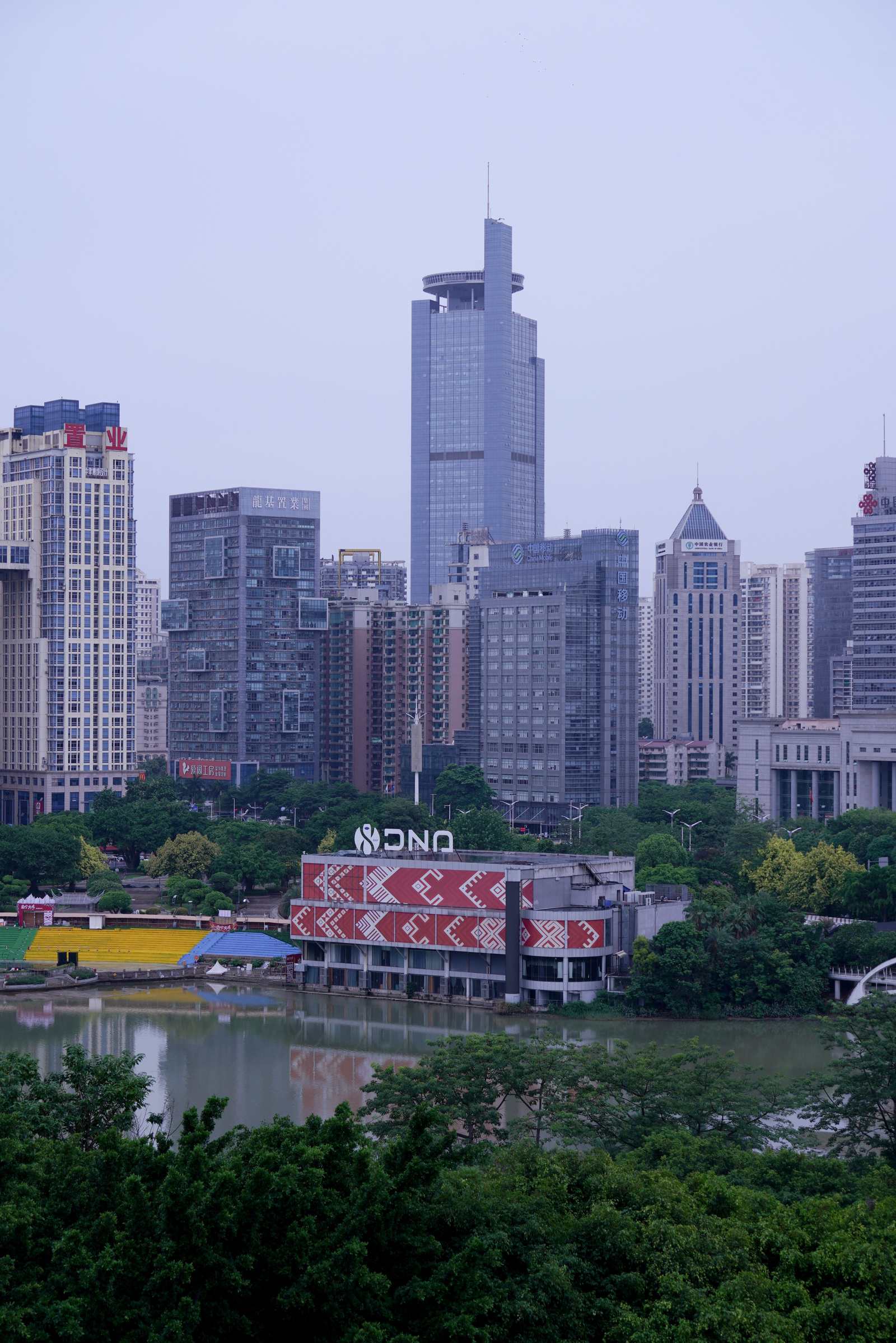
Nanning markets itself as the ‘Green City’ for its subtropical street trees, and that is fair — it is a leafy, slow, humid place rather than a sightseeing city. Its real value is position: the border waterfalls, Beihai’s beaches and Guangxi’s karst are all within a few hours.
The Story Behind Nanning
Nanning has been the capital of Guangxi since the early twentieth century and sits on the Yong River, historically a trading route into what is now Vietnam. The city’s identity is bound up with the Zhuang, China’s largest ethnic minority, whose language and customs shape the region. It opened as a treaty port in 1907 and is now the main transport and administrative hub linking China with mainland Southeast Asia.
Top Things to Do in Nanning
Qingxiu Mountain
A large wooded hill park on the south bank of the Yong River with botanical gardens, a pagoda and shaded walking paths. It is the city’s main green space and the clearest demonstration of why Nanning calls itself the Green City. Half a day, and best in the morning before the heat.
Detian Transnational Waterfall
The largest transnational waterfall in Asia, straddling the border with Vietnam: a wide, multi-tiered fall over karst, with bamboo rafts on the pool below. Go in the wet season, when it is genuinely impressive rather than a trickle.
Guangxi Museum
Free and strong on the region’s minority cultures — bronze drums, textiles, stilt-house architecture — plus the natural history of the karst. Combine it with Qingxiu Mountain in the same day; they are close together.
Nanhu Lake and the riverfront
The lakeside park and the Yong River promenade are where the city walks in the evening, and the fountain and light show over the lake is free. Come after dinner when the humidity drops.
Mingshi Pastoral area
Karst peaks over rice fields, near Detian and usually visited the same day. It is the landscape people picture when they think of Guangxi, without Guilin’s crowd levels.
The night market streets
The most reliable dinner in the city: the local sour-spicy noodle bowl, grilled seafood, sugarcane juice and tropical fruit by the bag.
Best Time to Visit Nanning
April–May and September–November. Summers are hot and wet; winters mild.
At a Glance
| Detail | Information |
|---|---|
| Best season | Apr–May, Sep–Nov |
| Airport | NNG Nanning |
| Must-see | Detian Waterfall |
| Local dish | Laoyou noodles |
| From Guangzhou | ~4 hrs rail |
Getting to Nanning
Nanning (NNG) has flights and is a high-speed rail hub — ~4 hrs from Guangzhou, ~3.5 hrs from Kunming. The metro covers the centre.
Getting Around Nanning
Nanning has several metro lines and cheap taxis, and the airport is about forty minutes out. For Detian and Beihai, high-speed rail and long-distance coaches are the practical options; Detian usually needs a coach or hired car onward from Chongzuo, and that last leg is slow.
What to Eat in Nanning
Old-friend noodles
Rice noodles in a sour, spicy black-bean broth with pickled bamboo and plenty of garlic — the breakfast bowl Nanning is known for, and a name with a story behind it.
Lemon duck
A dish from Wuming county: duck braised with pickled lemons and chillies, sharp and aromatic rather than heavy.
Tropical fruit
Mango, jackfruit, dragon fruit and durian are cheap in season, and the night markets are the best place to try them.
Where to Stay in Nanning
Qingxiu district
Central, close to the mountain park and the museum, with the best range of mid-range hotels.
Near Nanning East Station
Practical for early trains to Beihai, Guilin or Detian transfers, but further from the river.
Chaoyang, the old centre
Cheaper and more atmospheric, around the older shopping streets and close to the night markets.
A 3-Day Nanning Itinerary
This 3-day plan covers the core of Nanning without rushing; if you have less time, take the first day and add the parts of the second that matter most to you.
Day 1 — the city
Qingxiu Mountain in the morning, the Guangxi Museum after lunch, and the Nanhu lakefront and river walk in the evening. Dinner at the night market streets.
Day 2 — Detian and Mingshi
Leave by seven: roughly three hours west, then the falls and the border market, with the Mingshi karst rice fields on the way back. It is a long day, so a driver or a tour is worth the money.
Day 3 — Beihai or Guilin
About ninety minutes by fast rail to Beihai for the beach and the old colonial quarter, or two and a half hours northeast to Guilin for the Li River. Either turns Nanning into the start of a Guangxi loop rather than a stop.
Day Trips from Nanning
Detian Transnational Waterfall
The largest transnational waterfall in Asia, straddling the Vietnamese border and roughly three hours from Nanning. Combine it with the Mingshi karst rice fields nearby.
Beihai
About an hour and a half by fast rail to Guangxi’s beach city — the Silver Beach and the old colonial quarter make an easy overnight.
Guilin
Around two and a half hours by high-speed rail, so Nanning pairs naturally with the Li River if you are building a Guangxi loop.
What a Trip to Nanning Costs
| Item | Indicative cost |
|---|---|
| Qingxiu Mountain | ¥20 (approx.) |
| Detian Waterfall plus shuttle | ¥80–120, plus transport |
| Guangxi Museum | Free |
| High-speed rail to Beihai | ¥60–90, about 1.5 hrs |
| Mid-range hotel | ¥200–400 per night |
| Local meal | ¥20–50 |
Figures are indicative planning ranges and move with season, exchange rate and holiday demand — confirm on the official site or your booking app before you commit.
Practical Tips for Nanning
- Do not expect sea views — Nanning is a river city. Go to Beihai for the coast.
- Go to Detian in the wet season; between December and March the falls are thin and the fields around them are brown.
- The subtropical summer is genuinely exhausting for outdoor sightseeing — do parks early, museums at midday.
- Tropical fruit is cheap and good here: mango, jackfruit, dragon fruit and durian in season.
- Detian usually needs a coach or hired car onward from Chongzuo, and that last leg is slow; budget a full day, not a half.
- If you are heading to Vietnam, Nanning is the natural staging point — check entry requirements well before you travel.
Mistakes to Avoid
- Expecting sea views — Nanning is a river city; go to Beihai for the coast.
- Going to Detian in the dry winter months, when the falls are thin and the surrounding fields are brown.
- Underestimating the humidity, which makes outdoor sightseeing in summer genuinely exhausting.
Is Nanning Right for You?
One to two days in the city, plus one or two for the border. Nanning suits travellers building a Guangxi or Vietnam loop; taken alone it is a pleasant, leafy, low-cost stop rather than a destination.
Plan Your Trip
These official and reference sources help you verify opening hours and book ahead:
Frequently Asked Questions
How many days do you need in Nanning?
One to two in the city, plus a full day for Detian. Three days lets you add Beihai or start toward Guilin.
Is Nanning worth visiting?
As a destination in itself, mildly — it is pleasant, green and cheap rather than memorable. As a base for Detian, Beihai and the Vietnamese border, it is genuinely useful.
When is the best time to go?
April to May and September to November, outside both the worst humidity and the dry season that weakens the waterfalls.
How do you get to Detian Waterfall?
Roughly three hours by road west of the city; most travellers go via Chongzuo by coach or hired car. Book a driver or a tour rather than piecing together public transport.