Hong Kong Travel Guide: What to See, Eat and Do in the City
Hong Kong is unusual in that the city and the wild are the same trip: a twenty-minute train ride puts you at a trailhead, and a large share of the territory is protected country park. It is denser, faster and more polished than most of mainland China, with its own currency, immigration controls and power sockets. Three to four days is the practical minimum.
Why Visit Hong Kong
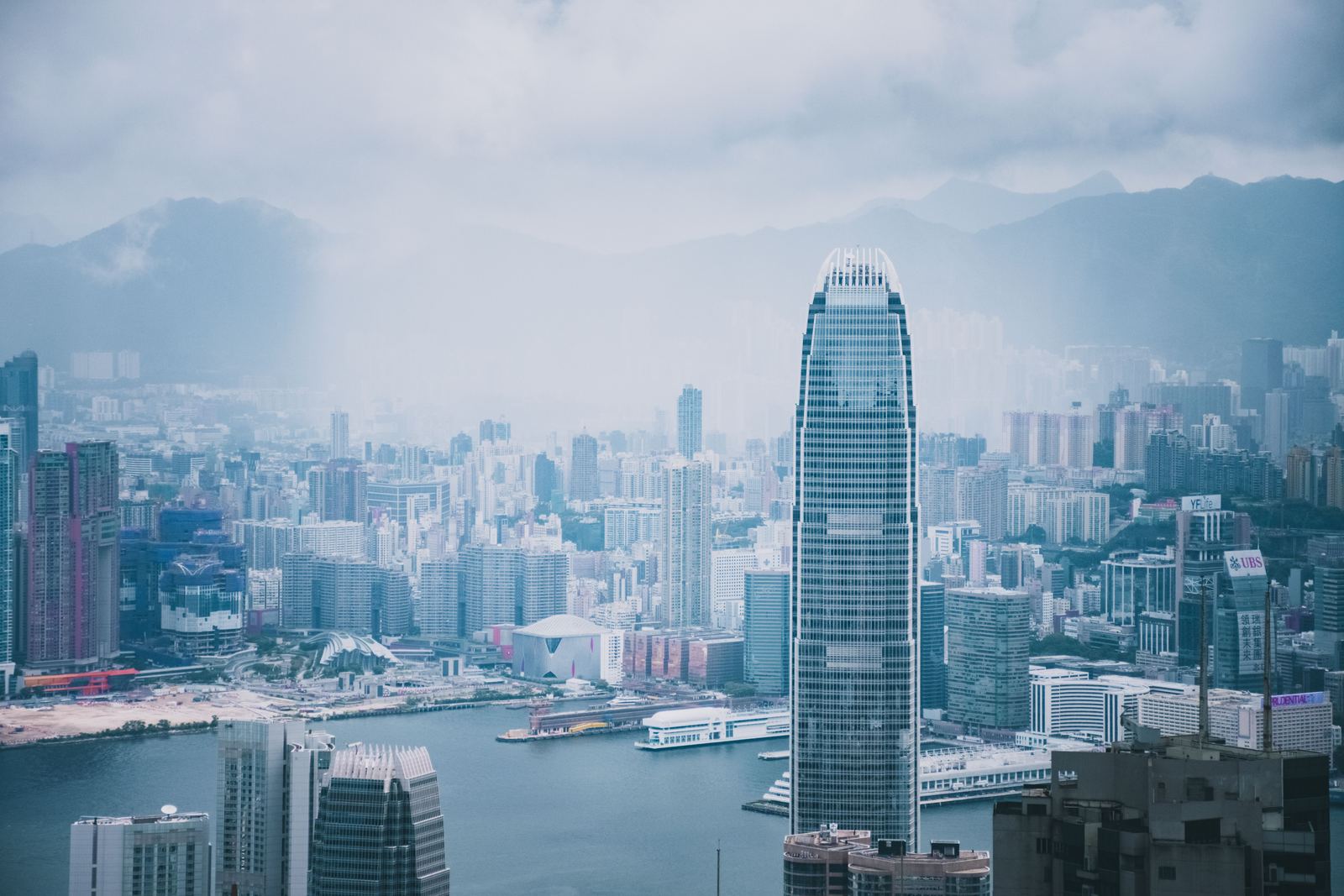
Hong Kong (香港) earns its place among China’s essential stops because a skylined harbour city where dim sum meets dragon boats.
Hong Kong is unusual in that the city and the wild are the same trip: a twenty-minute train ride puts you at a trailhead, and a large share of the territory is protected country park. It is denser, faster and more polished than most of mainland China, with its own currency, immigration controls and power sockets.
The Story Behind Hong Kong
Hong Kong was a fishing and salt settlement before the British took Hong Kong Island in 1841, later extending to Kowloon and, under a ninety-nine-year lease in 1898, the New Territories. It grew first as an entrepôt, then as a manufacturing and financial centre, absorbing successive waves of migration from mainland China, and was handed back in 1997 under the ‘one country, two systems’ framework as a Special Administrative Region of China. The Peak Tram and the Star Ferry have both run since the 1880s and still do exactly what they were built to do.
Top Things to Do in Hong Kong
Victoria Peak
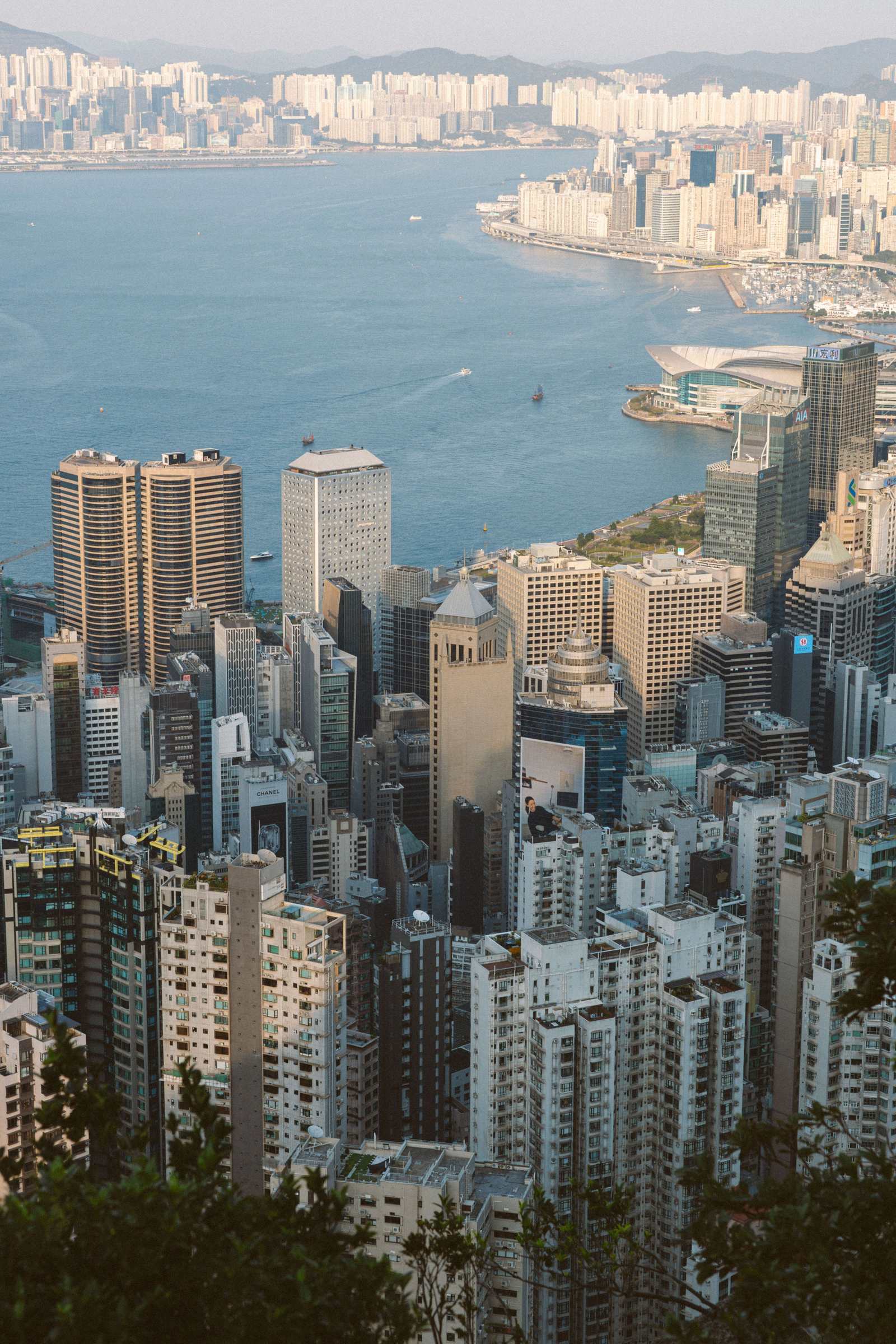
The classic, and still worth it: the funicular has climbed since 1888 and the viewing terrace gives you the harbour, the towers and the islands in one frame. Go late afternoon, walk the level path around the hill instead of paying for the terrace, and come back down after dark.
The Star Ferry and the harbour
The ferry has crossed between the island and Kowloon since the 1880s and still costs almost nothing — the cheapest harbour cruise anywhere. Take it at dusk, when the buildings on both sides light up.
Kowloon: Mong Kok and Temple Street
The dense northern side: street markets, a jade market, neon, and the busiest streets in the city. This is where the cliché of Hong Kong comes from and where it is most fun to walk.
The Big Buddha and Lantau
A cable car up to the seated bronze Buddha and the monastery on the plateau, with the option of continuing to the stilt houses of the old fishing village. A comfortable full day on the largest island.
The Dragon’s Back
A ridge walk on the island’s southeast that takes about two hours and ends at a beach — the clearest evidence that Hong Kong is not only a city. Do it in the morning and swim afterwards.
Dim sum breakfast
Not a sight but the single best-value meal in town: prawn dumplings, pork buns and rice rolls, ordered by ticking a paper sheet, in a neighbourhood hall rather than a hotel.
Best Time to Visit Hong Kong
October–December. Autumn is sunny and humid-free; summers (Jun–Sep) are hot, sticky, and typhoon-prone.
At a Glance
| Detail | Information |
|---|---|
| Best season | Oct–Dec |
| Airport | HKG |
| Must-see | Victoria Peak |
| Local dish | Dim sum |
| Transit | Octopus card + MTR |
Getting to Hong Kong
Hong Kong International (HKG) is a major hub with direct flights worldwide; the Airport Express reaches Central in 24 minutes. The MTR and Octopus card make getting around effortless.
Getting Around Hong Kong
The metro is fast, clean and colour-coded, and the stored-value card is the one thing worth buying on arrival. Add the double-decker trams along the north shore — a flat fare and the cheapest sightseeing in the city — the harbour ferry, minibuses and the urban taxis. Do not hire a car.

What to Eat in Hong Kong
Dim sum
Still the best-value breakfast anywhere: prawn dumplings, pork buns and rice rolls ordered by ticking a paper sheet. Neighbourhood halls beat hotel rooms on both price and pace.
Hong Kong-style café classics
Milk tea strained through a cloth ‘silk-stocking’ filter, pineapple buns with a slab of cold butter inside, and egg tarts straight from the oven.
Roast meats
Shops hang roast goose, duck and barbecued pork in the window; order a plate over rice. The remaining open-air stalls cook wok dishes over gas at night.
Where to Stay in Hong Kong
Central and Sheung Wan
The business and old-street core, close to the ferries and the escalator; the most expensive and the most convenient.
Tsim Sha Tsui, Kowloon
Across the harbour: better value, walkable to the museums and the waterfront, and the best views of the skyline.
Mong Kok or Yau Ma Tei
Budget guesthouses and small hotels in the densest part of Kowloon — cheap, noisy and genuinely central.
A 4-Day Hong Kong Itinerary
This 4-day plan covers the core of Hong Kong without rushing; if you have less time, take the first day and add the parts of the second that matter most to you.
Day 1 — the harbour and the peak
Dim sum breakfast, then the Star Ferry across to Kowloon and back. Lunch on the island, the Peak in the late afternoon, and dinner and drinks in the old streets above Central.
Day 2 — Kowloon and the markets
The museums and the waterfront in Tsim Sha Tsui in the morning, then north through Yau Ma Tei and Mong Kok for the street markets, ending at Temple Street at night.
Day 3 — Lantau or the outdoors
Take the day for Lantau: the cable car, the Big Buddha, the monastery and the fishing village. If you would rather walk, do the Dragon’s Back in the morning and a beach in the afternoon.
Day 4 — an island or Macao
Cheung Chau for a car-free island of seafood and lanes, Sai Kung for beaches and volcanic rock, or an hour by ferry to Macao for the day.
Day Trips from Hong Kong
Lantau Island
The cable car up to the Big Buddha and the monastery on the plateau, then the stilt houses of the old fishing village on the same day.
Cheung Chau or Sai Kung
A car-free island with seafood stalls and a small harbour, or the peninsula for beaches and the volcanic rock formations of the geopark.
Macao, China
An hour by ferry, and easy to add as a day trip or an overnight.
What a Trip to Hong Kong Costs
| Item | Indicative cost |
|---|---|
| Stored-value travel card | HK$150–200 credit to start, usable on trains, buses, trams, ferries and convenience stores |
| Peak Tram and observation deck combo | Approx. HK$148 return |
| Star Ferry crossing | HK$3–5 — still the cheapest harbour cruise in the world |
| Airport express train | Approx. HK$115 one way to the central district |
| Local meal, café or noodle shop | HK$40–80 |
| Mid-range hotel | HK$700–1,500 per night, far higher at weekends and during events |
Prices are in Hong Kong dollars. Budget travel here is entirely possible if you eat local and use a stored-value card — accommodation is the part that will hurt.
Practical Tips for Hong Kong
- Buy a stored-value travel card on arrival — it works on the metro, buses, trams, ferries and convenience stores, and single-journey tickets cost more.
- The double-decker trams along the north shore have a flat fare and are the cheapest sightseeing in the city. Sit upstairs at the front.
- Street food and neighbourhood cafés are cheap; hotels are the expensive part. Eat local and the budget balances.
- Watch tropical storm signals between roughly June and September — the higher ones shut everything down and ground flights and ferries.
- Do not hire a car. The public transport is excellent and parking is not.
- A service charge is often already added in restaurants; tipping on top is not expected.
Mistakes to Avoid
- Staying only on the island and never crossing to Kowloon or the New Territories, where the markets, temples and hiking actually are.
- Not buying a stored-value travel card on day one and paying single-journey fares.
- Assuming everything is expensive — street food and trams are cheap; hotels are not.
- Ignoring tropical storm signals between roughly June and September, which ground flights and ferries and shut the city down.
Is Hong Kong Right for You?
Three to four days minimum. Hong Kong suits travellers who want a city that also hikes, and who will accept high accommodation costs in exchange for very low friction. It is the easiest place in China to navigate in English.
Plan Your Trip
These official and reference sources help you verify opening hours and book ahead:
Frequently Asked Questions
How many days do you need in Hong Kong?
Three is the practical minimum: one for the island, one for Kowloon, one for Lantau or a hike. Four if you add an island or Macao.
Is Hong Kong expensive?
Accommodation is, and it is the main cost. Food, transport and sights are not — a neighbourhood dim sum breakfast and a ferry crossing both cost very little.
Can I visit Macao as a day trip?
Yes: about an hour by ferry each way, frequent sailings, and no need to stay over unless you want the island villages as well as the historic centre.
When is the best time to visit?
October to December is the most comfortable — clear, cooler and less humid. March to May is decent; summer is hot, humid and storm-prone.