Guangzhou Travel Guide: What to See, Eat and Do in the City
Guangzhou has been trading with the world for more than two thousand years, and it shows in the food rather than the skyline. This is the home of Cantonese cooking and of yum cha — the breakfast institution the rest of the world copied as dim sum — and the city takes both extremely seriously. Between meals there is a European concession island, one of the finest pieces of decorative architecture in southern China, and a riverfront that is genuinely good after dark.

Why Visit Guangzhou
Guangzhou (广州) earns its place among China’s essential stops because canton — the 2,200-year trading port where dim sum is a religion.
Guangzhou is a sprawling, humid, practical city that visitors consistently underestimate because they arrive for business and never eat properly. It is warmer and more chaotic than Shanghai and much less self-conscious than Beijing. The reasons to come are food, the old concession island, and the decorative arts.
The Story Behind Guangzhou
Under the Qing, from 1757 until the Opium Wars, Guangzhou was the only port where Westerners were allowed to trade, through the licensed merchant houses known as the Thirteen Hongs — a bottleneck that made the city rich and eventually made it a target. It was also the cradle of modern Chinese politics: the reformers and revolutionaries who ended the empire came largely from Guangdong. Today it is the capital of Guangdong, the engine of the Pearl River delta and the host of the twice-yearly Canton Fair, which fills every hotel in the city.
Top Things to Do in Guangzhou
Shamian Island
A sandbar in the river that was divided between the British and French concessions, with churches, consulates and banyan-shaded streets — quiet, walkable and a complete change from the city around it. The best couple of hours in Guangzhou, and free.
The Chen Clan Ancestral Hall
Built in the 1890s as a clan academy and now a museum of Guangdong decorative art: wood, brick and stone carving, ceramic roof friezes and ivory work, all at a density that is hard to take in at once. If you see one thing in the city, see this.
Yum cha
Not a sight but the reason to come: a large teahouse in the morning, trolleys or a tick-sheet, and an hour or two of dumplings, rice rolls, buns and chicken feet. Cheap, and the locals have been doing it since before breakfast was invented elsewhere.
The Canton Tower and the riverfront
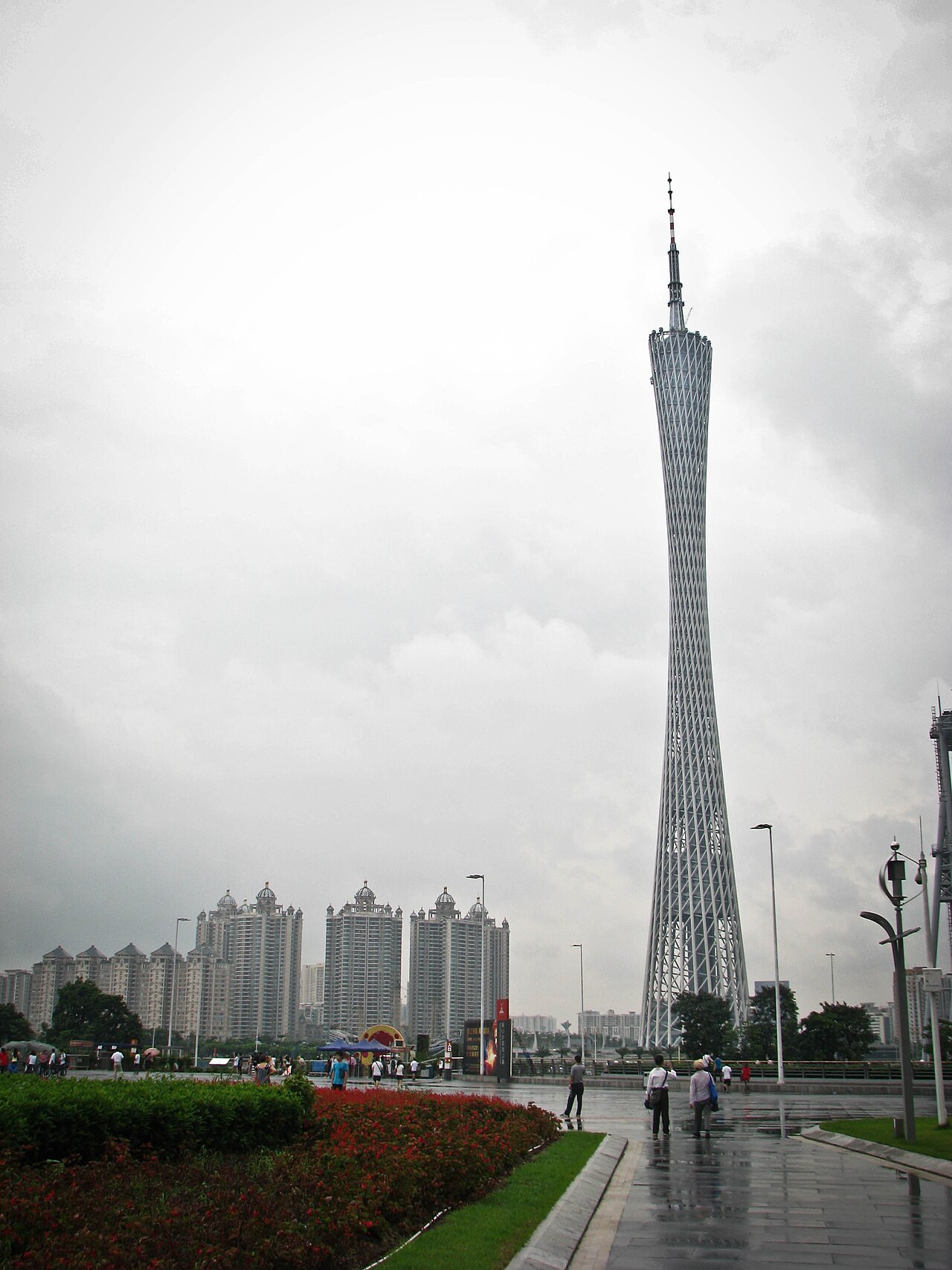
The twisted tower on the south bank, with an observation deck and a vertical drop ride for anyone so inclined. The riverside promenade below it is free and is the best place to be after dark.
The Temple of the Six Banyan Trees
A Buddhist temple in the centre whose Flower Pagoda has been rebuilt and repainted since the sixth century. Active, central and a good half-hour between other things.
Sacred Heart Cathedral
A granite Gothic church in the old city, built by the French in the nineteenth century — the size and the material are both surprising in this climate. Free and central.
Best Time to Visit Guangzhou
October to December and March to April: warm, drier and far more comfortable. Summer is hot, humid and wet; winter is mild. Avoid the Canton Fair periods in April and October unless you are going to it, because hotel prices multiply.
At a Glance
| Detail | Information |
|---|---|
| Best season | Oct–Dec, Mar–Apr |
| Airport | Baiyun (CAN) |
| High-speed to HK | ~1 hour |
| Local cuisine | Cantonese / dim sum |
| Top sight | Canton Tower & Shamian |
| UNESCO nearby | Kaiping Diaolou |
Getting to Guangzhou
Baiyun International (CAN) is a major hub 28 km north; Metro Line 3 reaches the centre in about 45 minutes, or the airport expressway by taxi in 40. Guangzhou South railway station is the high-speed-rail gateway: Hong Kong West Kowloon is roughly one hour, Shenzhen 30 minutes, and Wuhan about four. Within the city, the bilingual metro is fast and cheap; a rechargeable Yang Cheng Tong card covers metro, bus, and the ferries.
Getting Around Guangzhou
Guangzhou has one of the largest metro networks in the world and it reaches everything that matters, including the airport. Taxis and ride-hailing fill the gaps. High-speed rail puts Hong Kong under an hour away and Shenzhen about thirty minutes.

What to Eat in Guangzhou
Yum cha
The city’s defining meal. Go to a large, noisy hall in the morning, order tea, and work through dumplings, rice rolls, steamed buns and braised feet. It is cheap and it is the point of coming.
White-cut chicken and roast meats
Cantonese cooking at its most restrained: poached chicken with a scallion-ginger dip, roast goose with crisp skin, barbecued pork. The siu mei shops are the cheap version.
Late-night street food
Guangzhou eats late — congee, skewers, claypot rice and desserts well past midnight, particularly along the older streets.
Where to Stay in Guangzhou
Shamian Island
Quiet, leafy, walkable and full of old hotels — the best base in the city despite being slightly out of the way.
Yuexiu and the old centre
Close to the Chen Clan Hall, the temple and the old streets; the most convenient for sightseeing.
Tianhe
The modern business district: better hotels, no atmosphere, excellent metro connections.
A 3-Day Guangzhou Itinerary
This 3-day plan covers the core of Guangzhou without rushing; if you have less time, take the first day and add the parts of the second that matter most to you.
Day 1 — old Guangzhou
The Chen Clan Ancestral Hall in the morning, the Temple of the Six Banyan Trees and the Sacred Heart Cathedral after lunch, and the old streets and late-night food in the evening.
Day 2 — yum cha and the island
A long yum cha breakfast, then Shamian Island for the afternoon: churches, consulates, banyan shade. Riverfront and the Canton Tower after dark.
Day 3 — Foshan or Kaiping
Half an hour to Foshan for the Ancestral Temple and the garden, or a full day southwest to the Kaiping watchtower houses.
Day Trips from Guangzhou
Foshan
Half an hour away: the Ancestral Temple, a fine classical garden, and the kung-fu lineage of Ip Man and Wong Fei-hung. Easy half-day or full day.
Kaiping Diaolou
About two hours southwest: UNESCO-listed multi-storey watchtower houses built by returned emigrants, standing in the rice fields. Unusual and worth the drive.
Hong Kong or Shenzhen
Both within an hour by rail, which is why Guangzhou is usually one stop on a Pearl River delta loop rather than a standalone trip.
What a Trip to Guangzhou Costs
| Item | Indicative cost |
|---|---|
| Chen Clan Ancestral Hall | ¥10–20 |
| Canton Tower observation deck | ¥150–250 |
| Shamian Island and the churches | Free |
| Yum cha breakfast | ¥40–80 per person |
| Mid-range hotel | ¥300–700 per night; far higher during the Canton Fair |
Food and sights are cheap. Accommodation is the variable, and during the Canton Fair in April and October it can double or worse — check the dates before booking anything.
Practical Tips for Guangzhou
- Eat yum cha at least once, in the morning, in a large hall rather than a hotel.
- Check the Canton Fair dates (April and October) before booking — the city fills and prices double.
- Use the metro; it is fast, cheap and reaches the airport.
- Come between November and March if you can: the summer humidity is genuinely oppressive.
- Shamian Island is the best place to walk and the best place to stay.
- Do not judge the city by its business districts — the interesting parts are the old streets and the food.
Mistakes to Avoid
- Visiting during the Canton Fair without a booking and paying three times the normal rate.
- Never eating yum cha, and thereby missing the entire reason to come.
- Assuming Guangzhou is purely a business city — it has a long, deep old town.
- Underestimating the summer humidity and planning long outdoor days in July.
Is Guangzhou Right for You?
Two to three days. Guangzhou suits travellers who plan around food and want a real, unpolished southern Chinese city; it is less rewarding if you want headline monuments.
Plan Your Trip
These official and reference sources help you verify opening hours and book ahead:
Frequently Asked Questions
How many days do you need in Guangzhou?
Two to three. One day is enough for the old city and one good meal, but that undersells it.
What is Guangzhou famous for?
Cantonese food, above all — yum cha and dim sum started here. Beyond that: the Canton trade era, Shamian Island, and the Chen Clan Ancestral Hall’s decorative arts.
When should I avoid visiting?
The Canton Fair periods in April and October, when hotels fill and prices multiply. Summer is hot and humid; November to March is the comfortable window.
Is Guangzhou worth visiting on its own?
Yes if you are interested in food and in the port history of southern China. If you only want famous sights, it is better as one stop on a Hong Kong–Shenzhen–Guangzhou loop.