Xinjiang Public Holidays and the Crowd Calendar: When to Go and When to Avoid
I learned the hard way that Xinjiang runs on two clocks. One is the weather and the Silk Road seasons I write about everywhere else; the other is the Chinese statutory holiday calendar, which can swell a sleepy mountain town into a traffic jam overnight. On my second trip I rolled into Sayram Lake on the first day of a national holiday and watched the ring road turn into a parking lot. If you plan around the holiday calendar, Xinjiang is a dream; if you fight it, it is a lesson in patience. This guide is the practical calendar I wish I had packed.
Why Public Holidays Matter So Much in Xinjiang
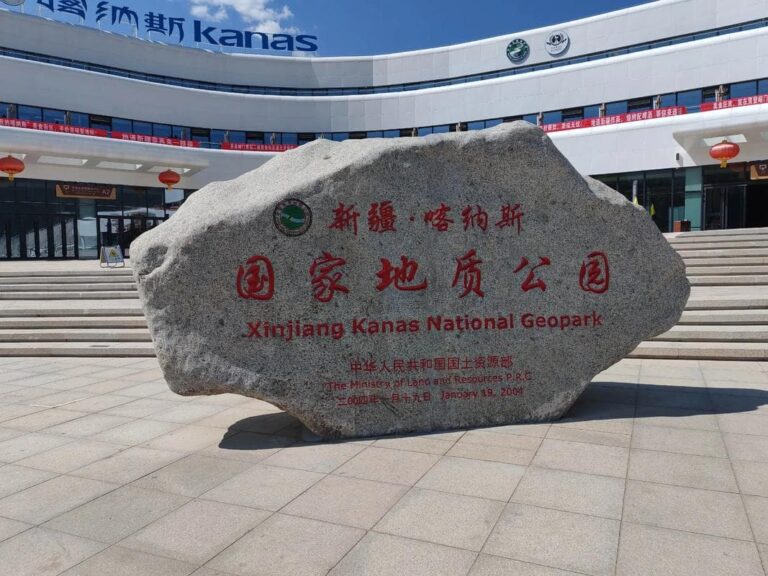
China has seven statutory public holidays, and several are bundled into week-long Golden Weeks by shifting nearby weekends. When that happens, hundreds of millions of domestic travelers move at once. Xinjiang is far, but it is also now cheap to reach by high-speed rail and a web of new airports, so the region absorbs a huge share of that surge. The effect is not subtle: hotels near Kanas or Nalati can triple in price, and scenic shuttles sell out before noon.
The flip side is just as real. Outside those windows, Xinjiang is enormous and empty in the best way. I have stood at the edge of a grassland with no other tourist in sight in late September. The calendar below is your tool for choosing which version of the trip you get.
The 2026 Chinese Public Holiday Calendar
These are the nationwide dates. Xinjiang also observes regional rhythms (see the Eid notes below), but the statutory holidays below drive the crowd spikes.
| Holiday | 2026 Dates | Length | Crowd Level in Xinjiang |
|---|---|---|---|
| New Year’s Day | Jan 1 – 3 | 3 days | Low (winter, roads closed up north) |
| Spring Festival (Chinese New Year) | Feb 17 – 24 | 8 days | High in cities, low in remote sites (cold) |
| Qingming (Tomb-Sweeping) | Apr 4 – 6 | 3 days | Moderate, early spring thaw |
| Labor Day | May 1 – 5 | 5 days | Very high, first warm peak |
| Dragon Boat (Duanwu) | Jun 19 – 21 | 3 days | Moderate |
| Mid-Autumn Festival | Sep 25 – 27 | 3 days | Moderate to high |
| National Day (Golden Week) | Oct 1 – 7 | 7 days | Peak of the year, avoid if possible |
Note: the exact bridge-working-weekend arrangements are announced late by the State Council, so confirm the year’s layout a month ahead. The point is the length: anything five days or longer is when Xinjiang’s headline sites get slammed.
Regional holidays you should also know
Xinjiang’s Uyghur, Kazakh, Hui, and other Muslim communities observe Eid al-Fitr and Eid al-Adha (Corban) on the Islamic lunar calendar. These are not statutory week-long holidays, but they reshape local life: family gatherings, full mosques, and many restaurants and shops closed for a day or two, especially in Kashgar and Hotan. They are wonderful to witness, but build flexibility into those days.

How the Crowds Actually Change Your Trip
Transport
During Labor Day and National Day, flight and train tickets to Urumqi, Kashgar, and Yining sell out weeks early, and dynamic pricing bites. The Duku Highway opens only in summer and is subject to daily vehicle caps that fill by mid-morning in peak weeks.
Hotels
Prices at Kanas, Hemu, and Nalati guesthouses can double or triple. Booking three weeks out during a Golden Week is risky; a month is safer.
Attractions
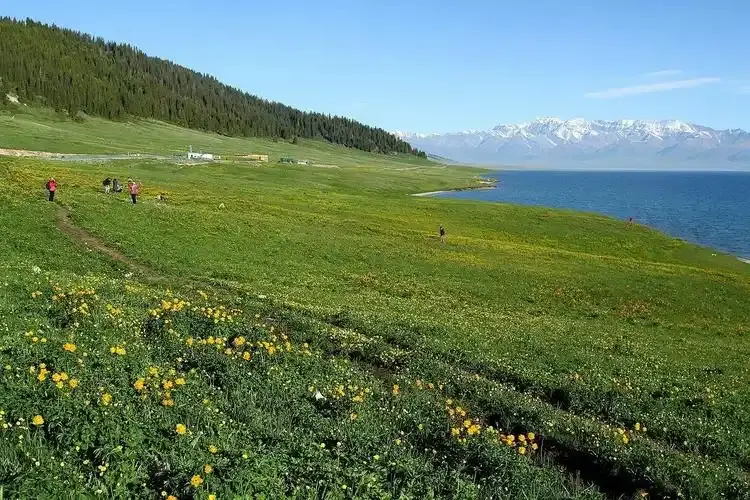
Scenic areas use timed shuttle tickets. At peak you may queue 60–90 minutes for a bus that is a 10-minute ride off-season. Popular photo spots (the Hemu sunrise platform, the Sayram lakeside) get photobombed by tour groups before 9 a.m.
Strategies if You Must Travel During a Peak Week
Sometimes the only leave you have lands on a holiday. I have done it, and it is survivable with tactics:
- Arrive a day before the holiday starts and leave a day after it ends, so you ride the shoulders of the wave.
- Shift to underrated sites. While everyone crowds Kanas, places like Keketuohai or the Guozigou gorge stay calmer.
- Book the first shuttle of the day; most crowds arrive after 10 a.m.
- Rent a car so you control timing instead of waiting on sold-out tour buses.
The Quiet Windows I Actually Recommend
| Window | Weather | Crowds | Why go |
|---|---|---|---|
| Late Sept – early Oct (non-Golden-Week) | Crisp, golden grasslands | Low | Best light, few people, harvest season |
| Mid-to-late May | Warming, some passes closed | Low–Moderate | Green valleys, before Labor Day spike |
| Early June | Dry, pleasant | Low | All passes open, schools still in session |
| Late April | Variable spring | Low | Apricot blossoms in the south, cheap rooms |
For the seasonal detail behind these windows, our best time to visit Xinjiang guide breaks down month-by-month conditions, and the first-time visitor FAQ answers the booking questions that come up most.
Regional Festivals That Move the Calendar Too
Beyond the statutory holidays, local events pull their own crowds on fixed dates. The Turpan Grape Festival in late August, the summer horse festivals across the Ili grasslands, and the Kashgar regional trade fairs all fill nearby rooms for a few days. None is a national holiday, so the rest of Xinjiang stays calm — but if your route crosses one, book that leg early and expect festive (not stressful) crowds.
How I time my own trips now
After the Sayram crowd lesson, my rule is simple: I build trips around the shoulder windows in the table above and treat any holiday week as a reason to detour to a secondary valley. The payoff is consistent — lower prices, a parking spot at the trailhead, and photos without strangers in every frame. I would rather miss a headline site in peak season and return in September than fight a shuttle queue in October.

Choosing your weeks
Spring and early summer
For the headline sites, yes. Kanas, Hemu, Sayram, and Nalati see their annual peak in the Oct 1–7 window. If your dates are fixed then, lean on the off-peak tactics above and lower your expectations for solitude.
November through March (except Spring Festival week) and the late-April / early-June shoulders. Remote guesthouses may close entirely in deep winter, so call ahead.
Summer
Partly. On Eid al-Adha especially, many family-run spots in southern Xinjiang close for a day or two for prayers and feasting. Stock snacks, and treat the closures as a chance to see the festivals rather than a nuisance.
Autumn
For holiday periods, yes — aim for 2–4 weeks. Off-peak, you can often buy a day or two out, though sleeper berths on long routes still go fast.
Winter
Absolutely, if you accept cold and some closed mountain passes. Ice lantern festivals and snowy grasslands are spectacular and empty. Just verify road and attraction status before you commit.
4
Watch the State Council announcement (usually late the prior year) and your airline or 12306 train app. The lengths in the table above are the reliable pattern; only the bridge weekends shift.