Where to Stay in Xinjiang: Yurts, Hotels, and Guesthouses Across the Region
Lodging in Xinjiang spans the full range — international-chain towers in Urumqi, clean business hotels in every prefecture capital, and felt yurts on the open grassland where the ‘room service’ is a goat. Knowing the types and the booking quirks saves money and avoids the classic mistake of assuming every town has a Western-grade hotel. It doesn’t, and that’s part of the adventure.
Here’s the lay of the land.
Cities: Hotels and Chains
Urumqi, Kashgar, Yining, and Turpan have real hotels — four-star local chains, a few internationals, and reliable mid-range options bookable on the usual apps (Ctrip, Meituan, or Agoda). Kashgar in particular has excellent mid-range hotels walking distance from the Old Town. Book ahead in summer and around the two Eids; the good ones sell out.

Grasslands: Yurts and Tents
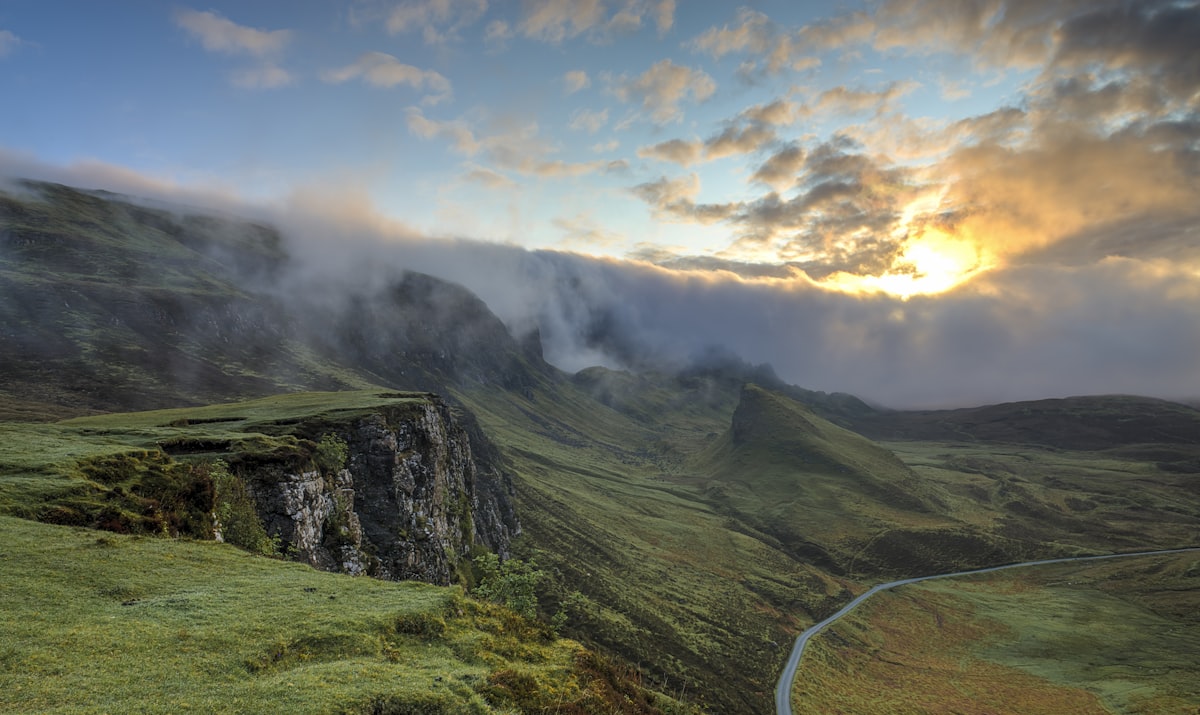
On Nalati, Kuerdening, and the Bayanbulak grasslands, the experience is a yurt (毡房) stay — a felt tent with beds, a stove, and shared toilets. Basic but unforgettable: you step out to a sea of grass and a sky full of stars. Conditions are rustic (no private bath, chilly at night even in summer), so pack a sleep layer. Book through the scenic-area office or a local host; walk-up availability drops in August.
Towns and the Road
County towns have no-frills guesthouses — clean, cheap, sometimes with limited English. On remote self-drive routes, lodging thins out; plan your overnight before you leave the last real town. The Pamir (Tashkurgan) and the desert highway stops have basic but adequate rooms. Don’t expect lifts or lobbies — expect a bed and a hot water kettle.
Worth pairing with
With a car the combination that worked for us was the site in the morning, a long lunch somewhere with shade, and the other place in the late afternoon, so two half-days covered a full one. The stops most people miss are the small ones between the big names. Ask at the hotel desk the evening before what opened this week, because several of these places shift their hours with the season and the leaflet in the lobby is a year out of date. Where To Stay In sits naturally into a longer Xinjiang day. If the timing is the question, our [[kid-friendly-hotels-xinjiang-family-stay-guide|Kid-Friendly Hotels in Xinjiang: A Family…]] goes through it properly.
What goes in the day pack
Sunscreen and a brim. The light here is serious and the shade is intermittent, so the sunscreen goes on before you leave the hotel, not at the gate. A wind shell. The temperature drops fast once you stop moving and the drop is not hypothetical on an exposed pass.
A fleece covers most of the year, a real jacket covers shoulder season. Cards work at the gate and in the shops, but the stalls on the approach road and the drivers waiting at the turnoff want cash, and coming up short at the moment you want a lift is the classic way to lose an hour. Water, more than you think, a power bank and some cash. The short version, with the numbers, is in our [[silk-road-train-travel-in-xinjiang-riding-the-rail-across-the-region|Silk Road Train Travel in Xinjiang: Riding…]].
What the ticket and the extras actually add up to
Prices at the gate are reasonable by European standards, which is exactly why they are easy to underestimate. On your own the same afternoon comes out at maybe half again as much. Ask once at the ticket office what the full circuit costs before you commit. The admission is cheap, the internal transport is what adds up, and a family of four in one car turns a small ticket into a real line in the budget. Staff there are used to it, and the answer takes ten seconds.
The headline entrance ticket is only the first line. On top of it comes a shuttle or sightseeing bus inside the site, and if you want a far viewpoint rather than the main one that is another leg. Parking, a printed map, and a guide are the other three places the number moves. Two of us covered the whole thing for well under what a single hotel night in Xinjiang costs, but only because we shared the car and shared the entry between us. I wrote the driving side up in our [[where-to-stay-kashgar-old-town|Where to Stay in Kashgar Old Town: Lanes,…]] as well.
How much time the place really needs
My own rule now: if I have to choose between this and an extra evening in Xinjiang, I keep the evening. The gates open early and the last entry tends to stop a couple of hours before closing, so the promise of coming back for sunset is not always possible. Most first-timers plan two hours and then get stranded. Budget the full morning. That covers the walk in, the slow look at the main feature, the side trails almost nobody does, and getting back to the car before the light goes flat.
Ninety minutes is enough to tick the box. Half a day is enough to understand it. The first time I rushed it and spent the whole visit looking up at the same rock from one spot. A full day is what you want when the point of coming was Where To Stay In itself rather than a stop on the way. The second I gave it a morning and a late-afternoon return and saw two completely different places, because the light moved across the surface and the crowds thinned to nothing.
Booking Reality
Foreign guests must register their stay; city hotels do it automatically, but yurts and guesthouses may not — ask, and register at a local station if needed. Prices swing hard by season: summer and National Day can triple rates; winter is quietly cheap. For the best mix of comfort and character, do two nights city hotel, one night yurt, repeat.
The One Tip
Location beats stars. A simple hotel next to the Kashgar Old Town or the Yining night market gives you more than a luxury tower far from everything. Walkable beats fancy every time in Xinjiang.