Suzhou Travel Guide: Canals, Highlights and Where to Stay
Suzhou has been the aesthetic capital of the Yangtze delta for more than two thousand years: a city of canals, whitewashed lanes and — the reason to come — the classical gardens that are on the UNESCO World Heritage List. They are not parks. They are composed arrangements of rock, water, pavilion and planting, built by scholar-officials to be walked through in a particular order. Two days is right, and it is thirty minutes by train from Shanghai.
Why Visit Suzhou
Suzhou (苏州) earns its place among China’s essential stops because the ‘venice of the east’ — scholar gardens, silk, and canal towns.
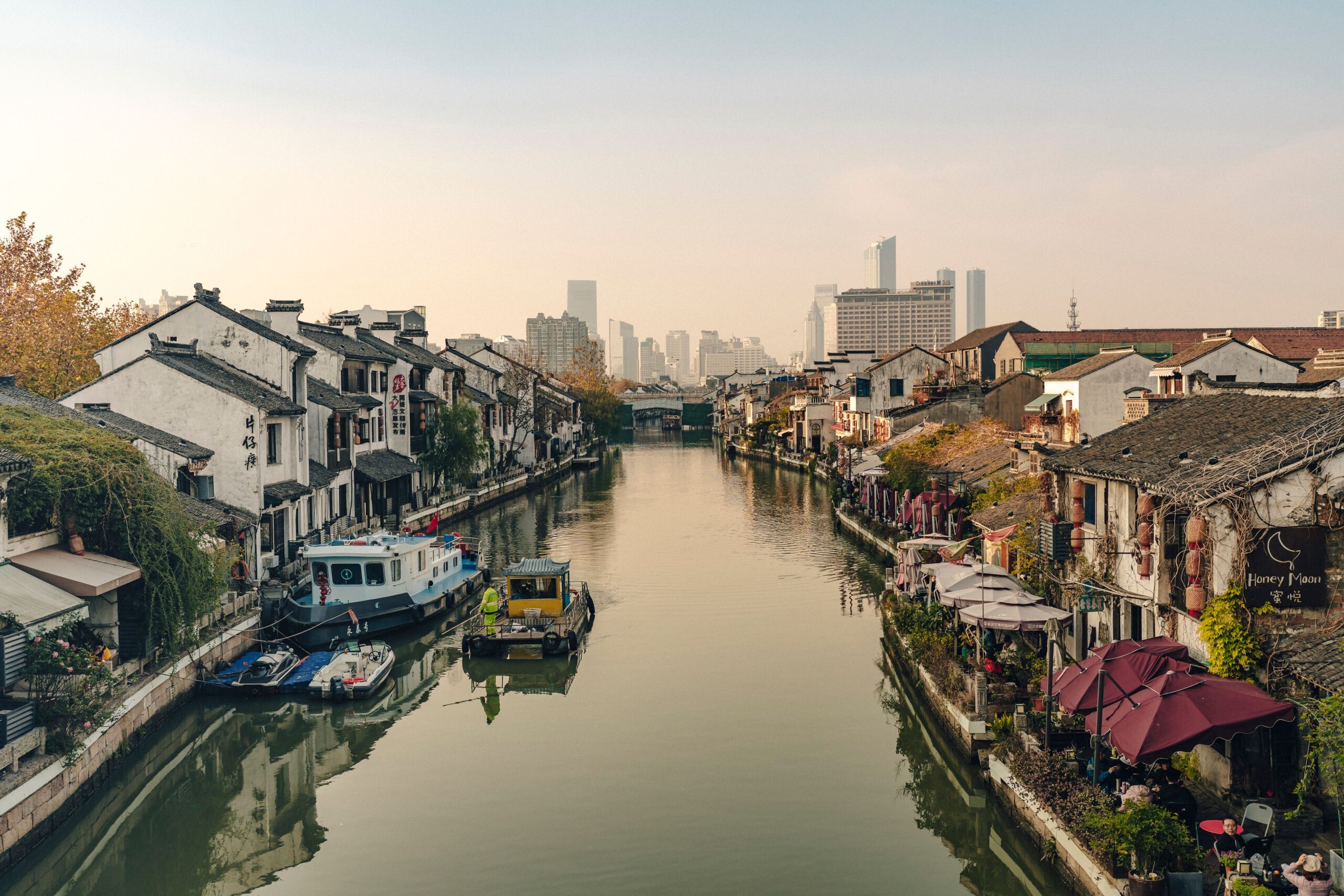
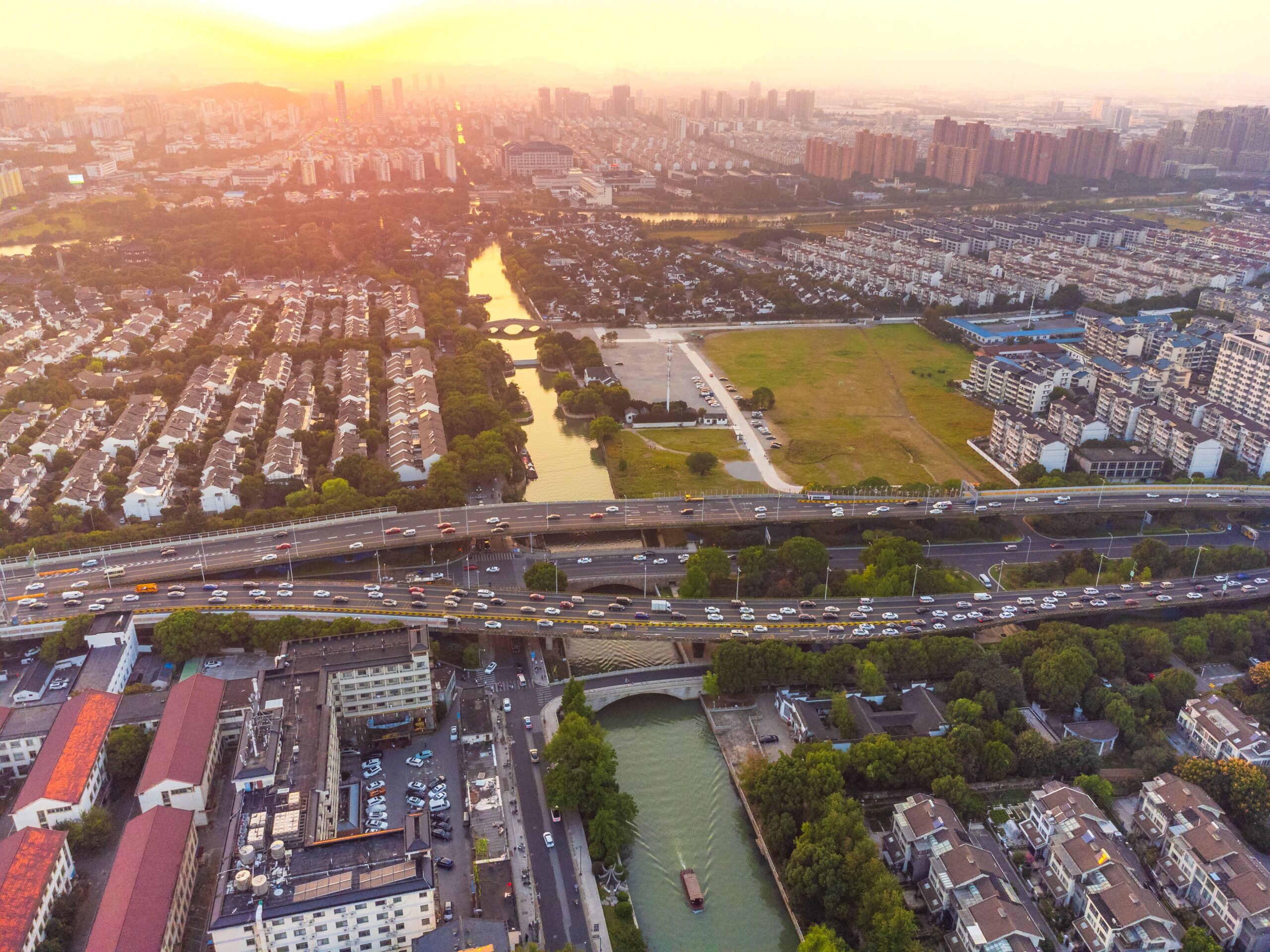
Suzhou is a working modern city wrapped around a protected old one. The old town still has canals, stone bridges and low white houses with dark tiles, and the gardens sit inside it behind walls you would walk past without noticing. The contrast — glass towers ten minutes away — is part of why the old quarter feels worth protecting.
The Story Behind Suzhou
The city was founded in 514 BC as the capital of Wu, and it grew rich on silk and on the Grand Canal, which made it one of the great commercial cities of imperial China. The gardens were built mainly between the sixteenth and eighteenth centuries by officials who had retired or been dismissed and wanted somewhere to be. Four of them — the Humble Administrator’s Garden, the Lingering Garden, the Master of the Nets Garden and the Mountain Villa with Embracing Beauty — were inscribed on the World Heritage List, and more were added later.
Top Things to Do in Suzhou
The Humble Administrator’s Garden
The largest of the classical gardens and the one most people start with: a sequence of ponds, islands and pavilions arranged so that you never see the whole thing at once. Beautiful, and also the busiest — arrive when it opens or accept the crowd.
The Master of the Nets Garden
Much smaller than the others and, for many people, the best of them. Because it is compact, the composition reads clearly: one pond, one ratio of rock to water to building, and a late-afternoon mood that the big gardens cannot manage.
The Lingering Garden
The second of the great gardens, known for its architecture and its long, deliberately compressed entrance passage that opens suddenly onto water. Pair it with the Humble Administrator’s and you have the two ends of garden design.
Pingjiang Road
A canal-side historic street in the old town — willows, stone bridges, teahouses and small shops, still residential. The best free hour in Suzhou, and the place to walk after the gardens close.
Tiger Hill
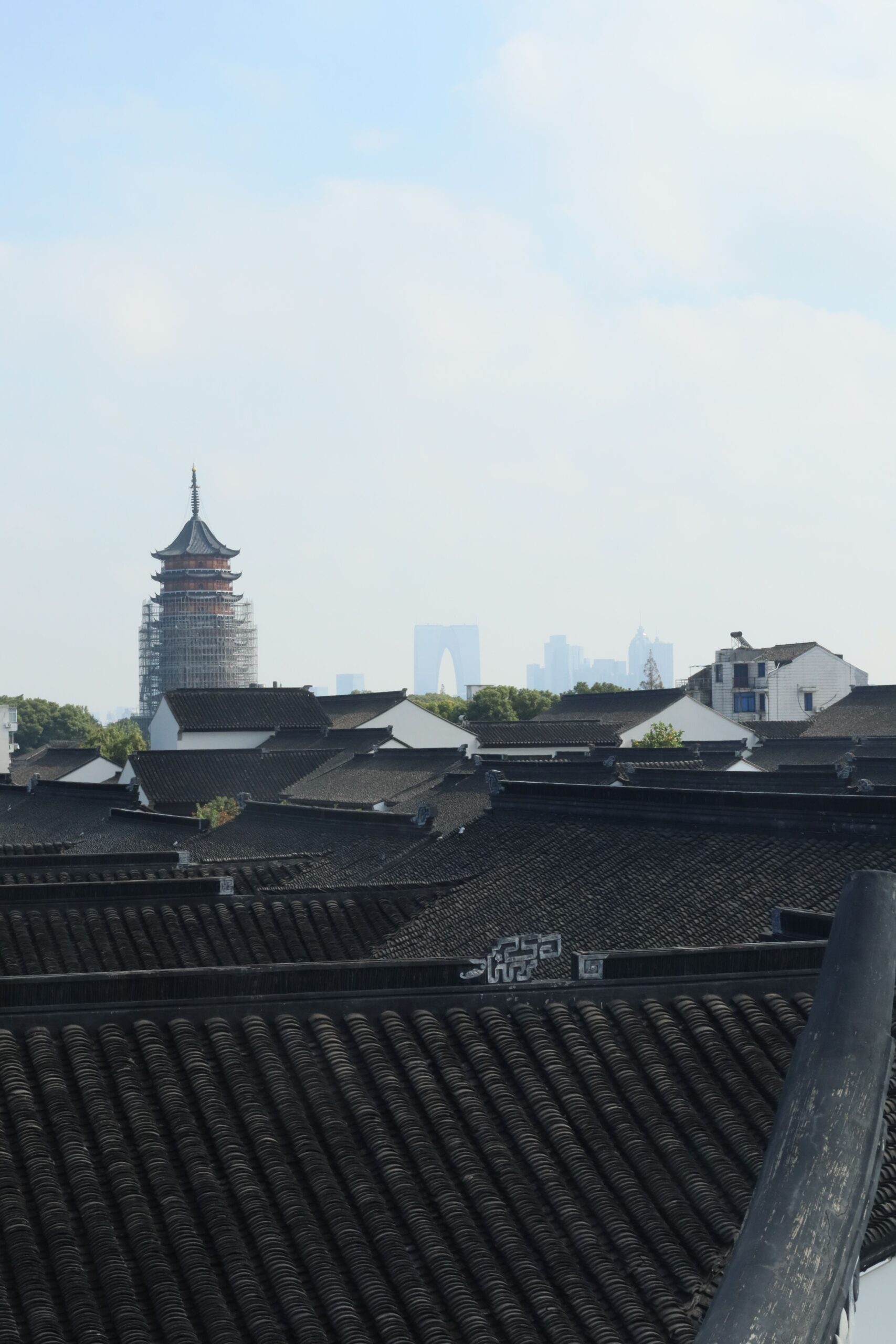
A low hill on the northern edge with the leaning Yunyan Pagoda, a millennium-old brick tower that has tilted for centuries. The gardens and rockeries around it are pleasant; the pagoda is the reason to come.
The Suzhou Museum
Designed by I. M. Pei, who grew up in the city, in a deliberately restrained modern idiom of white walls and grey lines that answers the old town rather than shouting at it. Free, and worth an hour even if you are gardened out.
Best Time to Visit Suzhou
April to June and September to November. Spring is the classic season for the gardens — the planting is the point — and autumn is comfortable. Summer is hot and humid, and the gardens are at their worst when they are crowded and steamy.
At a Glance
| Detail | Information |
|---|---|
| UNESCO gardens | 9 sites |
| From Shanghai | ~25 min rail |
| Must-see | Humble Administrator’s Garden |
| Local craft | silk, embroidery |
| Best season | Mar–May, Sep–Nov |
Getting to Suzhou
High-speed rail from Shanghai Hongqiao takes about 25 minutes and from Hangzhou roughly 1.5 hours, making Suzhou an easy day trip from either. The old town is a short metro or taxi ride from Suzhou station.
Getting Around Suzhou
Suzhou has a metro network, and the old town is walkable and flat. Canal boats run on the moat and through the old quarter — touristy but pleasant in the evening. The high-speed station puts Shanghai about thirty minutes away, which makes Suzhou an easy day trip or a two-night stay.
What to Eat in Suzhou
Suzhou noodle soup
The local breakfast: thin broth, springy noodles and a topping, ordered by the dozen local names for the same bowl. Shops open early and the city takes it seriously.
Squirrel-shaped mandarin fish
The showpiece Suzhou dish — a fish scored and fried so it opens into a ‘squirrel tail’, then sauced sweet and sour. It is theatrical and, done properly, genuinely good.
Crab roe and sweet Suzhou cooking
Suzhou cuisine is sweeter and lighter than most of China’s. In autumn, crab roe turns up in dumplings, tofu and noodles, and it is worth seeking out.
Where to Stay in Suzhou
Inside the old town
Small hotels and courtyard guesthouses near Pingjiang Road — walkable to the gardens and the best location by some distance.
Around the lake, east of the centre
Modern hotels and the new district; good value, but a metro ride from the old town.
Near Suzhou station
Practical for early trains to Shanghai, less atmospheric.
A 2-Day Suzhou Itinerary
This 2-day plan covers the core of Suzhou without rushing; if you have less time, take the first day and add the parts of the second that matter most to you.
Day 1 — the gardens
The Humble Administrator’s Garden at opening, the Suzhou Museum next door after booking, and the Master of the Nets Garden in the late afternoon. Evening on Pingjiang Road.
Day 2 — the old town and a canal town
Tiger Hill in the morning, the Lingering Garden after lunch, then a boat on the canal. If you have energy, Zhouzhuang or Tongli for the evening, when the tours have left.
Day Trips from Suzhou
Zhouzhuang
The most famous of the canal towns, about an hour away: stone bridges, boatmen and whitewashed houses. Very popular — go early or on a weekday.
Tongli
Similar to Zhouzhuang but slightly quieter, with the Tuisi Garden inside it. Easier to enjoy, and easy to combine with a half-day.
Shanghai
Thirty minutes by high-speed rail. Most itineraries treat Suzhou as the calm counterweight to Shanghai rather than a separate trip.
What a Trip to Suzhou Costs
| Item | Indicative cost |
|---|---|
| Humble Administrator’s Garden | ¥50–90 depending on season |
| Lingering Garden | ¥45–55 |
| Master of the Nets Garden | ¥30–40; evening programme around ¥100 |
| Tiger Hill | ¥60–80 |
| Suzhou Museum | Free — book online |
| Canal boat ride | ¥50–100 |
| Mid-range hotel | ¥300–700 per night |
Garden tickets are modest individually; the real cost is time, because each garden rewards an unhurried hour and they are not close together. Prices quoted are indicative and move with season.
Practical Tips for Suzhou
- Visit the gardens at opening time on a weekday. A crowded classical garden is a different and much worse experience.
- Do not try to do four gardens in a day. Two, properly, is better than four, quickly.
- Walk Pingjiang Road in the evening when the day-trippers have gone.
- Book the Suzhou Museum online — it is free and therefore booked out.
- Combine Suzhou with Shanghai rather than treating it as a standalone destination.
- The Master of the Nets Garden is small; do it last, and you will appreciate it more.
Mistakes to Avoid
- Turning up at the Humble Administrator’s Garden at eleven on a Saturday and judging Suzhou by the crush.
- Treating the gardens as parks and walking them in twenty minutes — they are designed to be read slowly and in order.
- Skipping the small gardens for the famous one; the small ones are often better.
- Buying silk from touts near the sights; the quality is unpredictable and the prices are not.
Is Suzhou Right for You?
Two days: one for the gardens, one for the old town, the museum and a canal town. Suzhou suits travellers interested in Chinese art and design, and anyone who wants a quieter counterpoint to Shanghai thirty minutes away.
Plan Your Trip
These official and reference sources help you verify opening hours and book ahead:
Frequently Asked Questions
How many days do you need in Suzhou?
Two. One day gets you two gardens and the old town; two gets you Tiger Hill, the museum and a canal town as well.
Which Suzhou garden is the best?
The Master of the Nets Garden for most people, because its small size makes the design legible. The Humble Administrator’s Garden is the grandest and the busiest; the Lingering Garden sits between them.
Can you visit Suzhou as a day trip from Shanghai?
Yes — about thirty minutes by high-speed rail. But the gardens are best early and emptiest on weekday mornings, so an overnight gives you a much better version of the same sights.
When is the best time to see the gardens?
Spring for the planting and autumn for the weather. Avoid summer weekends, when heat and crowds combine badly in a walled garden.