Guiyang Travel Guide: Top Sights, Food and a 3-Day Itinerary
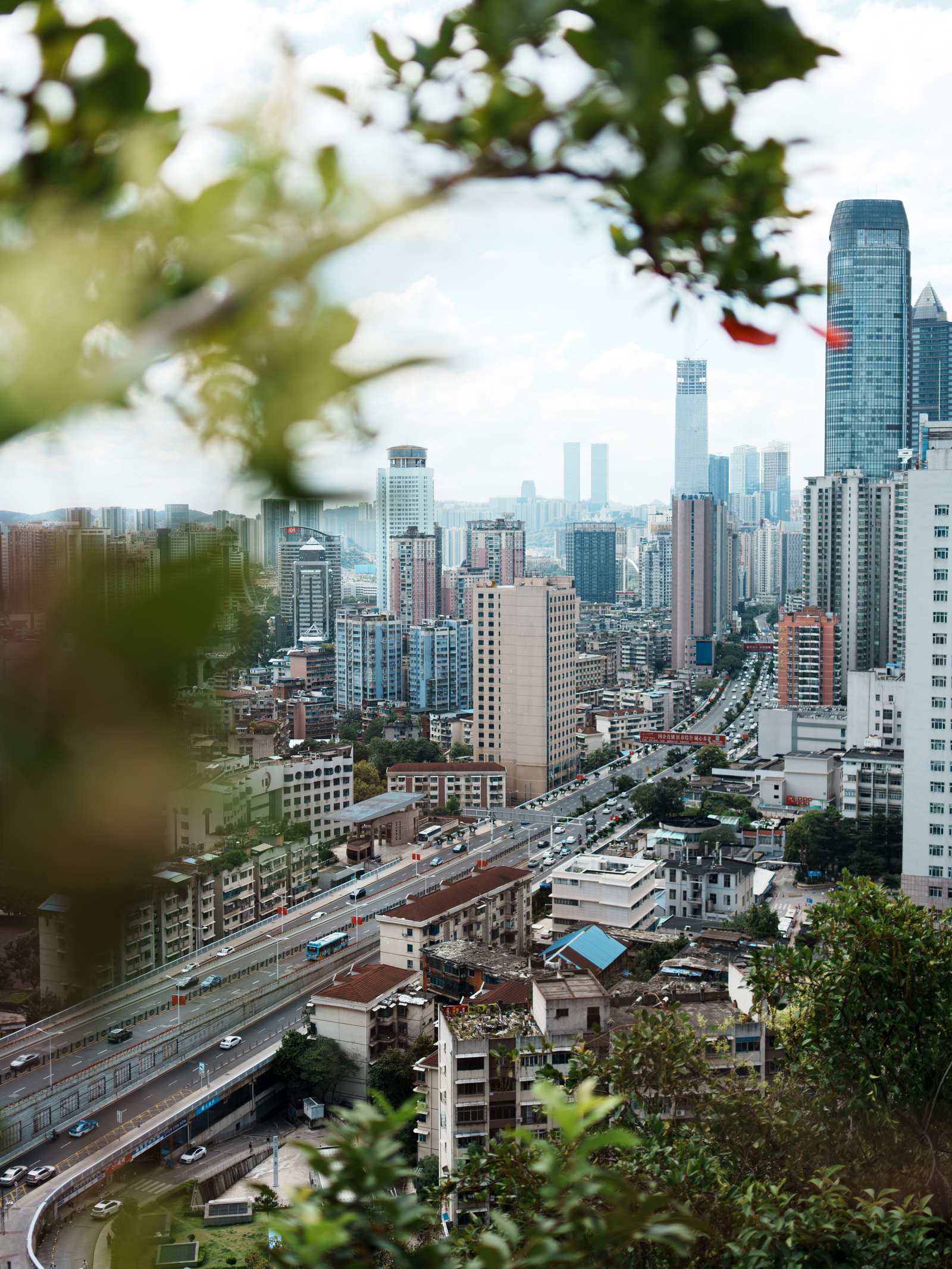
Guiyang sits at roughly 1,100 metres on the Guizhou karst plateau, cool enough in summer that the city advertises itself as ‘refreshing Guiyang’. It is a base rather than a spectacle: the reasons to come are Huangguoshu, the largest waterfall in China, the walled Ming town of Qingyan and the Miao villages to the east — all within a few hours, and none visible from the city itself.
Why Visit Guiyang
Guiyang (贵阳) earns its place among China’s essential stops because cool green capital of guizhou and the door to huangguoshu falls.
Guiyang sits at roughly 1,100 metres on a karst plateau, which gives it the cool summers the city markets as ‘refreshing Guiyang’ — markedly more bearable than Chongqing or Wuhan in July. The city is a base rather than a highlight; the waterfalls, caves and Miao villages around it are the reason to come.
The Story Behind Guiyang
Guiyang grew around a Ming-era garrison; Guizhou was made a province in the fifteenth century and the city has been its administrative centre since. Qingyan, thirty kilometres south, is a walled military town with a street plan that still reads Ming and Qing. The surrounding plateau is one of China’s most ethnically mixed regions — Miao, Buyi, Dong and Yi communities live alongside Han, and their festival calendar is a large part of why people travel here.
Top Things to Do in Guiyang
Huangguoshu Waterfall
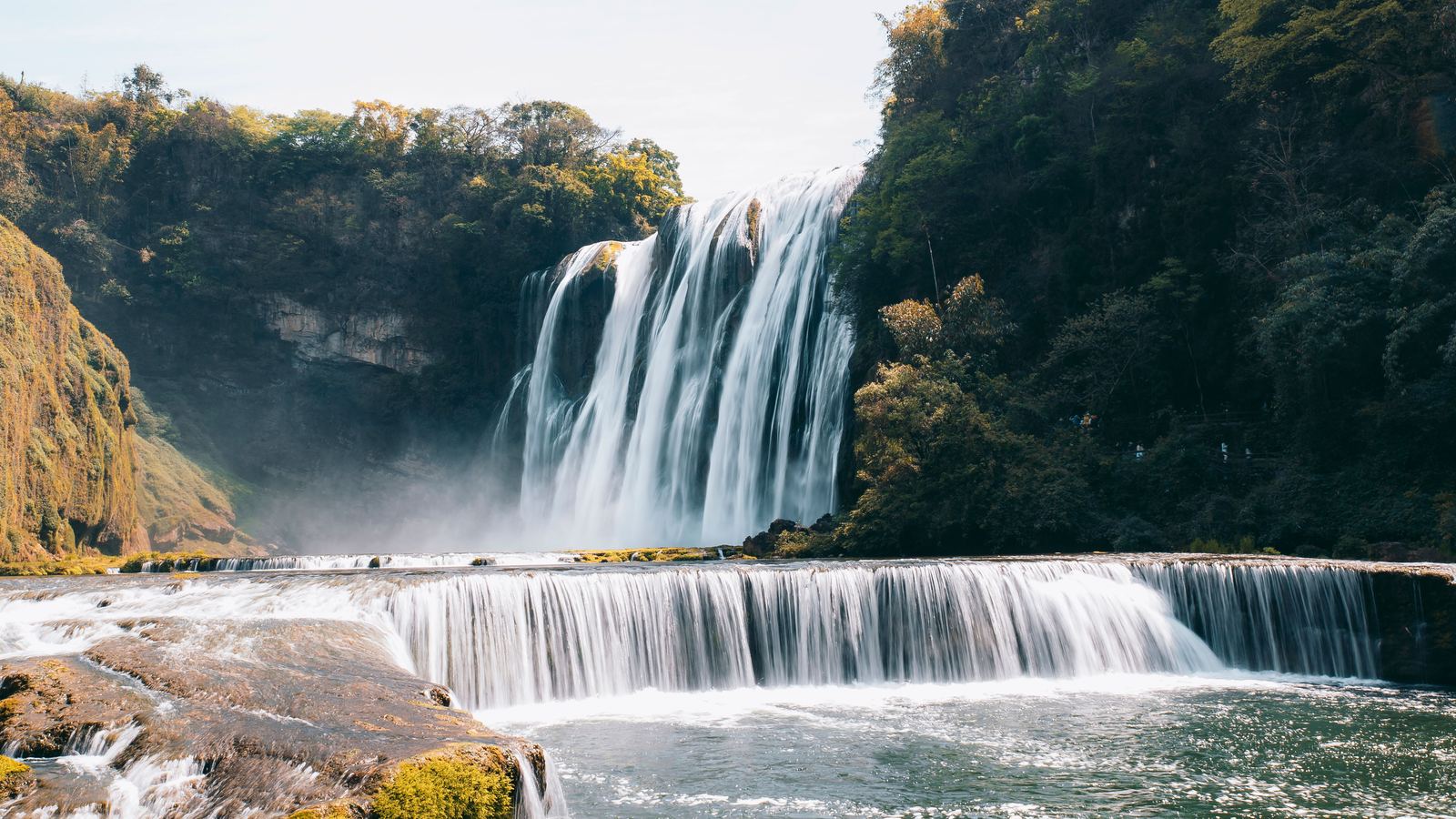
The largest waterfall in China and the reason most people come to Guizhou: a wide curtain of water dropping into a pool, with a path that runs behind the fall itself. The wider cluster includes the Doupotang and the Tianxingqiao karst section. Go after rain, when it thunders.
Qingyan Ancient Town
A walled military town thirty kilometres south, with a street plan that still reads Ming and Qing: stone lanes, a Confucian temple, a Buddhist monastery and city gates on the hillside. Half a day, and easy to combine with Huaxi.
Qianling Park
A wooded hill park on the northern edge of the city with a temple, a zoo and — the reason locals come — troops of wild macaques. It is the best cheap afternoon in Guiyang and a good place to watch the city at leisure.
Jiaxiu Tower
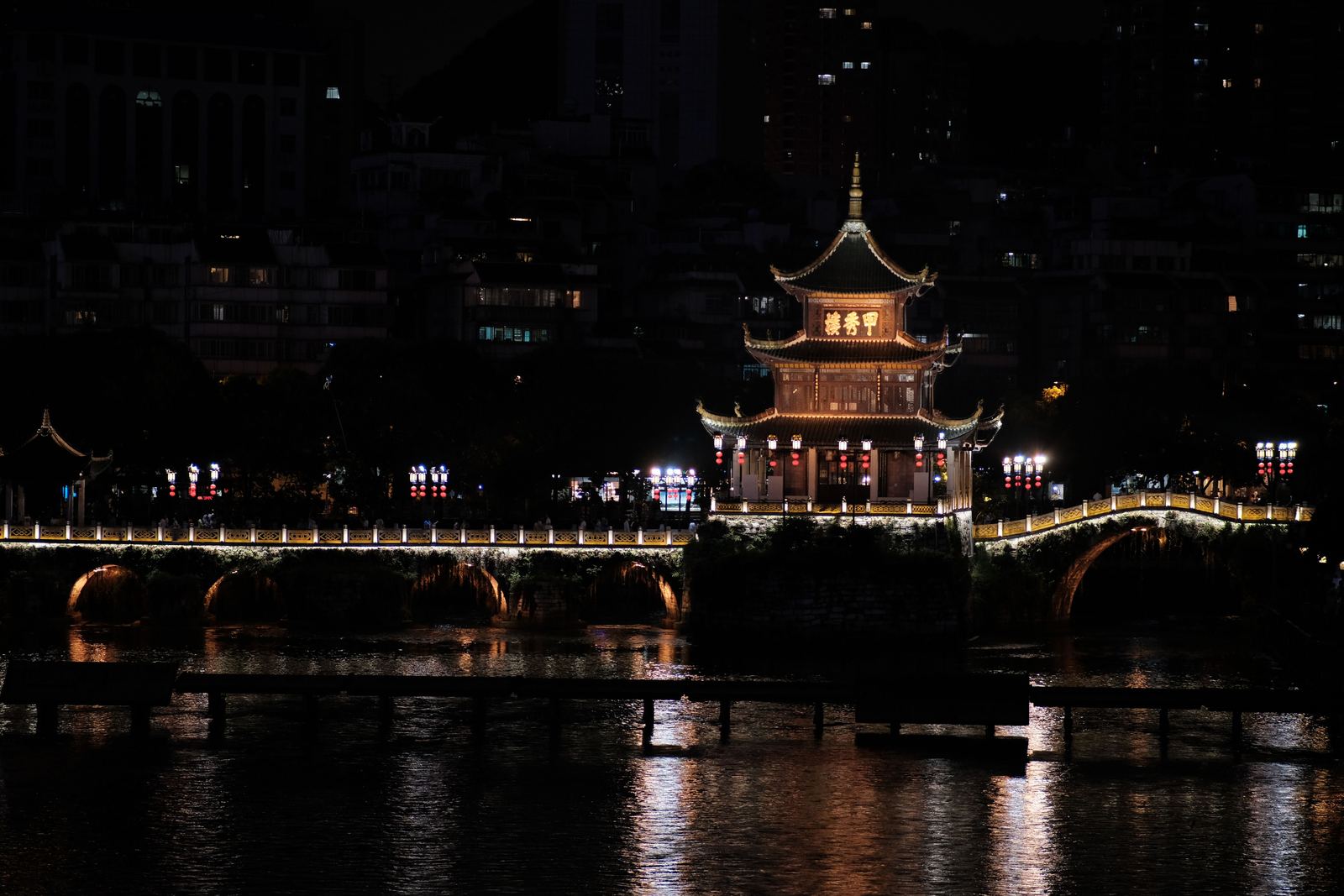
A Ming pavilion standing on a rock in the Nanming River, floodlit at night. Small, central and the city’s emblem; combine it with a walk along the river.
Guizhou Provincial Museum
Free and genuinely strong on the province’s ethnic cultures — Miao silverwork, batik, costume and stilt-house architecture — with a section on the karst landscape. Useful context before you head out to the villages.
Tianhetan
A karst park half an hour from the centre with caves, a gorge and waterfalls: a compressed version of Guizhou’s landscape if you cannot spare a full day for Huangguoshu.
Best Time to Visit Guiyang
May–October for full waterfalls; summers are cool (a rarity in southern China) and lush. Winters are grey.
At a Glance
| Detail | Information |
|---|---|
| Best season | May–Oct |
| Airport | KWE Guiyang |
| Must-see | Huangguoshu Falls |
| Local dish | Suan tang yu |
| From Chengdu | ~3 hrs rail |
Getting to Guiyang
Guiyang Longdongbao (KWE) has flights nationwide; high-speed rail reaches Chengdu, Chongqing, and Guangzhou in 3–5 hrs.
Getting Around Guiyang
Guiyang has metro lines plus cheap ride-hailing, but the real point is the road network: Huangguoshu, Qingyan and the Miao villages are reached by coach from the city’s long-distance bus stations or by hired car. Build in generous travel time — the terrain is mountainous and average speeds are low even on good roads.
What to Eat in Guiyang
Sour soup fish
Fish simmered in a fermented rice-and-tomato broth, red or white depending on the house. It is the signature Guizhou dish and tastes unlike anything else in China.
Si wa wa
‘Silk babies’: thin rice wrappers you fill with a dozen shredded cold vegetables and dip into a sour-spicy sauce. A Guiyang street classic and a good low-cost lunch.
Zhe’ergen
The region’s divisive herb, also called fish mint — sharp, metallic, somewhere past coriander. It turns up in salads and dipping sauces far more often than visitors expect.
Where to Stay in Guiyang
Nanming, the centre
Walkable to Jiaxiu Tower and the river, with the widest choice of mid-range hotels. The default for two or three nights.
Guanshanhu
Near the high-speed station north of the centre; practical for early departures, but a long way from the old town.
Huaxi
Quiet and green on the southern edge, and on the way to Qingyan — good if you have a car or plan to spend a day south of the city.
A 3-Day Guiyang Itinerary
This 3-day plan covers the core of Guiyang without rushing; if you have less time, take the first day and add the parts of the second that matter most to you.
Day 1 — the city
Qianling Park in the morning for the macaques and the temple, the Guizhou museum in the afternoon, and Jiaxiu Tower and the riverside in the evening. Eat sour soup fish for dinner.
Day 2 — Huangguoshu
Leave early: about two hours by road. The main fall first, then the Tianxingqiao karst section and Doupotang if you have the energy. Return in the evening; it is a full day.
Day 3 — Qingyan or a Miao village
Qingyan Ancient Town for a relaxed half-day, with Huaxi afterwards. If you have another day instead, take the road or rail east to Xijiang and stay one night — the hillside houses lit up after dark are worth it.
Day Trips from Guiyang
Huangguoshu Waterfall
About two hours by road: the largest waterfall in China, plus the Doupotang and Tianxingqiao karst sections in the same cluster. Go after rain, when it genuinely thunders.
Qingyan Ancient Town
Half a day, thirty kilometres south — Ming walls, a Confucian temple and stone lanes, easy to combine with Huaxi.
Xijiang Miao Village
The largest Miao settlement in China, terracing hundreds of wooden houses up a hillside. Roughly three hours via Kaili; worth an overnight for the evening lights.
What a Trip to Guiyang Costs
| Item | Indicative cost |
|---|---|
| Huangguoshu Waterfall, including shuttle | ¥160–200 |
| Qingyan Ancient Town | ¥10–80 depending on the combined ticket |
| Qianling Park | Under ¥10 |
| Guizhou Provincial Museum | Free |
| Mid-range hotel | ¥200–400 per night |
| Local meal | ¥25–60 |
Figures are indicative planning ranges and move with season, exchange rate and holiday demand — confirm on the official site or your booking app before you commit.
Practical Tips for Guiyang
- Underestimate nothing on time: distances look small on the map and take twice as long in the mountains.
- Visit the waterfalls between roughly May and October. In winter the flow drops to a trickle.
- Ask about the local herb before you order — it appears in more dishes than visitors expect and it is genuinely divisive.
- Guiyang’s summer is the point: while Chongqing and Wuhan bake, this is a pleasant 24 °C.
- Coaches for Huangguoshu and the Miao villages leave from the city’s long-distance bus stations; a hired car is worth it for three or more people.
- Carry a layer even in summer — the plateau evenings cool off quickly.
Mistakes to Avoid
- Underestimating travel times — distances look small on the map and take twice as long in the mountains.
- Visiting the waterfalls in winter, when the flow drops to a trickle.
- Ordering without asking about zhe’ergen, which appears in more dishes than you would guess.
Is Guiyang Right for You?
Three days minimum if you want the waterfalls and a Miao village. Guiyang suits travellers who like cool summers, sour-spicy food and karst scenery, and who are happy with a base-first, day-trip-out style of travel.
Plan Your Trip
These official and reference sources help you verify opening hours and book ahead:
Frequently Asked Questions
How many days do you need in Guiyang?
Three is realistic: one for the city, one for Huangguoshu, one for Qingyan or a Miao village. Four if you want Xijiang with an overnight.
When is the best time to visit?
May to October for full waterfalls and comfortable temperatures. July and August are the cool escape months; winter is grey, cold and bad for the falls.
Is Huangguoshu worth the trip?
Yes, in season. It is the largest waterfall in China and the behind-the-fall walkway is unusual. In winter it is a long drive for very little water.
How do you get to Xijiang Miao Village?
Roughly three hours via Kaili by rail or road, then a short transfer. Staying one night is strongly preferable to a day trip, because the village empties in the evening.