Fuzhou Travel Guide: Top Sights, Food and a 3-Day Itinerary
Fuzhou is the capital of Fujian and a low-key city with a surprisingly good old district: Three Lanes and Seven Alleys, a Ming and Qing quarter that produced an implausible number of modern China’s reformers, writers and officials. Add a mountain-top monastery, volcanic hot springs inside the city, and food built around soup and seafood, and it deserves more than the overnight most people give it.

Why Visit Fuzhou
Fuzhou (福州) earns its place among China’s essential stops because fujian’s banyan-shaded capital of lanes, hot springs, and sea access.
Fuzhou is leafy, hot and unhurried — a provincial capital with a banyan-tree nickname and a strong sense of its own food. It is not a city of big monuments; the old lanes, the temple on the hill and the hot springs are what you do, and the Fujian coast is an hour away.
The Story Behind Fuzhou
The city is more than two thousand years old, and the Minyue kingdom and later the Min river port shaped it. Its modern importance comes from the nineteenth century: Fuzhou was one of the treaty ports opened in 1844, and the men who came out of Three Lanes and Seven Alleys in that period — Lin Zexu, who confronted the opium trade, the translator Yan Fu, the reformers — did more to shape modern China than almost any equivalent group from a single street.
Top Things to Do in Fuzhou
Three Lanes and Seven Alleys
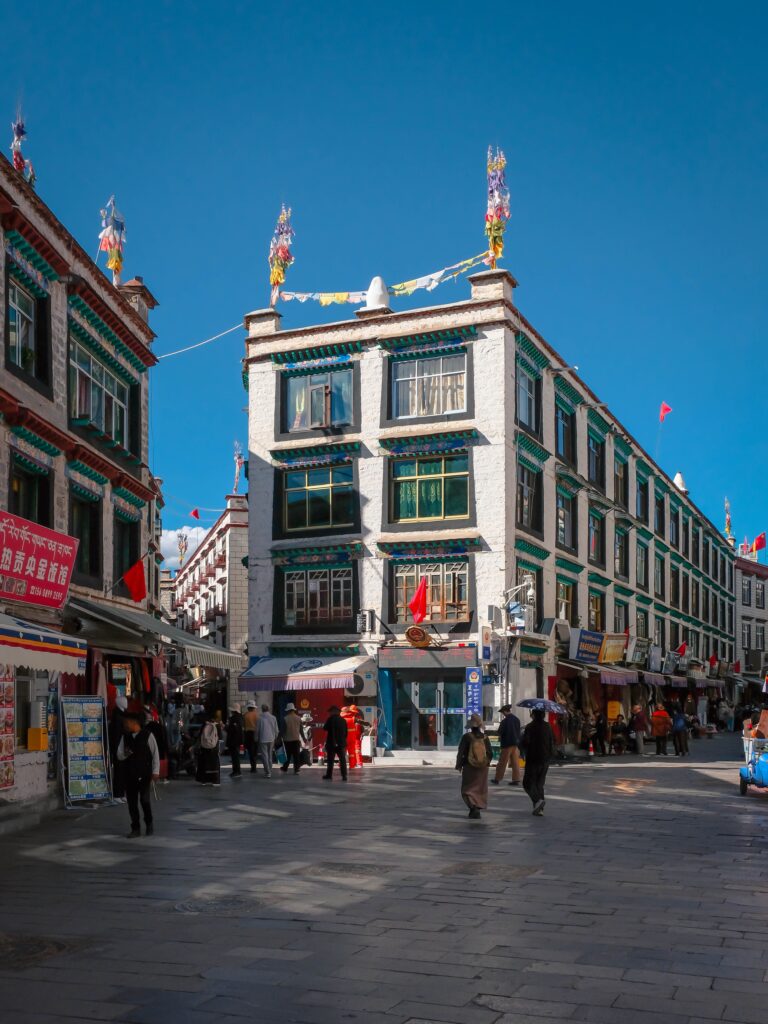
A preserved Ming and Qing district of lanes and courtyard houses, restored and partly commercial now, but still the reason to come. Several of the houses are museums to the people born in them, and the side lanes off the main route are quiet.
Gushan and Yongquan Temple
A mountain east of the city with a path up to a large monastery complex — halls, gardens, tea and a view over the Min River. Half a day, and cooler than the city in summer.
The hot springs
Fuzhou sits on geothermal water, and there are hot-spring parks and bathhouses within the city. After a long day on foot it is the most local thing you can do.
Yantai Hill and the old consulates
Across the river, the hill where the foreign consulates stood — a quiet district of old houses, a church and lanes, with a view over the water. Good in the late afternoon.
The Fujian Museum
Free and useful on the region: Minyue material, the maritime history and the minority cultures of Fujian. A good wet-weather morning.
West Lake and the park
A city park with a lake, pavilions and boat hire — ordinary by Chinese standards and pleasant in the evening, when the whole city seems to be there.
Best Time to Visit Fuzhou
October to April, when it is warm but not oppressive. Summer is hot, humid and typhoon-prone, and July and August are genuinely uncomfortable; June brings the plum rain.
At a Glance
| Detail | Information |
|---|---|
| Province | Fujian |
| From Xiamen | ~1 hr rail |
| Must-see | Sanfang Qixiang lanes |
| Local treat | Fuzhou fish balls |
| Best season | Mar–May, Oct–Dec |
Getting to Fuzhou
Fuzhou (FOC) flies widely; high-speed rail from Xiamen (~1 hr) and Wenzhou.
Getting Around Fuzhou
Fuzhou has a metro network reaching the old district and the main stations, and taxis are inexpensive. High-speed rail puts Xiamen about an hour and a half away and Quanzhou about an hour, so the coastal cities are easy additions.

What to Eat in Fuzhou
Buddha Jumps Over the Wall
The most famous dish in Fujian cuisine: a long-simmered soup of abalone, sea cucumber, shark fin and more, sealed and cooked in wine. Expensive and ceremonial — try it once.
Fish balls and yanpi wontons
Fuzhou fish balls are made from pounded fish paste and have a springy, irregular texture; the ‘yanpi’ wrappers are made with pounded pork, which is almost unique. Both are everyday food here.
Mixed noodles and bianrou
The standard cheap meal: noodles dressed with sesame and peanut sauce, with a bowl of small wontons. Sold everywhere, eaten at all hours.
Where to Stay in Fuzhou
Near Three Lanes and Seven Alleys
Walkable to the old district, the museum and the food streets — the obvious base.
Across the river at Yantai Hill
Quieter, with old consulate houses and river views; a short metro ride from the centre.
Near the hot springs
If bathing is the point, several hotels are built on the geothermal water.
A 2-Day Fuzhou Itinerary
This 2-day plan covers the core of Fuzhou without rushing; if you have less time, take the first day and add the parts of the second that matter most to you.
Day 1 — the old quarter
Three Lanes and Seven Alleys in the morning, including the house museums; the Fujian Museum in the afternoon; and Yantai Hill across the river at dusk. Fish balls for lunch.
Day 2 — mountain and water
Gushan and Yongquan Temple in the morning, lunch back in the city, and the hot springs in the late afternoon. Or take the day for Pingtan Island.
Day Trips from Fuzhou
Pingtan Island
About an hour and a half: beaches, stone fishing villages and, in season, the ‘blue tears’ bioluminescence at night. The best coastal escape from the city.
Quanzhou
An hour by rail to a much older maritime city of temples, mosques and museums — arguably the more interesting of the two.
Yongtai
Southwest of the city: mountain scenery, gorges and hot springs, for a day of countryside rather than lanes.
What a Trip to Fuzhou Costs
| Item | Indicative cost |
|---|---|
| Three Lanes and Seven Alleys | Free to walk; ¥20–60 for individual house museums |
| Yongquan Temple on Gushan | ¥40–60 |
| Hot springs | ¥80–200 depending on the venue |
| Fujian Museum | Free |
| High-speed rail to Xiamen | ¥70–100, about 1.5 hrs |
| Mid-range hotel | ¥250–550 per night |
Fuzhou is cheap. The famous banquet soup is the exception and should be treated as an occasion rather than a dinner; everything else is modest.
Practical Tips for Fuzhou
- Walk the side lanes off Three Lanes and Seven Alleys — the main route is a shopping street and the quiet ones are where the old quarter survives.
- Eat fish balls and yanpi wontons; both are specific to Fuzhou and unlike the versions elsewhere.
- Go up Gushan in the morning, before the heat.
- Use the hot springs after a long day — it is the city’s own answer to tiredness.
- Come between October and April; the summer humidity and the typhoon season are both real.
- Combine Fuzhou with Quanzhou and Xiamen rather than treating them as alternatives.
Mistakes to Avoid
- Expecting big monuments and missing what the city actually has.
- Visiting in July or August, when the heat and humidity are punishing.
- Only walking the main lane of the old district and concluding it is a tourist trap.
- Skipping the local food in favour of the famous banquet dish, which is one dish and very expensive.
Is Fuzhou Right for You?
One to two days. Fuzhou suits travellers who like old urban districts, regional food and a city that is not performing for visitors, and who will use it as part of a Fujian loop with Quanzhou and Xiamen.
Plan Your Trip
These official and reference sources help you verify opening hours and book ahead:
Frequently Asked Questions
How many days do you need in Fuzhou?
One full day for the old district and the museum; two if you add Gushan, the hot springs or a day on Pingtan.
What is Three Lanes and Seven Alleys?
A preserved Ming and Qing district of lanes and courtyard houses, and the childhood home of an extraordinary number of modern Chinese figures — Lin Zexu, Yan Fu and others. Restored, partly commercial, still worth walking.
What should I eat in Fuzhou?
Fish balls made from pounded fish paste, yanpi wontons whose wrappers contain pounded pork, mixed noodles, and if you want the occasion, the long-simmered banquet soup known as Buddha Jumps Over the Wall.
When is the best time to visit?
October to April. Summer is hot, humid and typhoon-prone, and June brings the plum rain.