Tianjin Travel Guide: What to See, Eat and Do in the City
Tianjin is thirty minutes from Beijing by high-speed train and it is not a smaller Beijing: it is a port city that nine foreign powers carved into concessions, which left an Italianate quarter, a villa district and a riverside of European banks. Add the funniest, warmest local accent in northern China and a street-food breakfast the city takes very seriously, and it is the best half-day or overnight you can add to a Beijing trip.

Why Visit Tianjin
Tianjin (天津) earns its place among China’s essential stops because beijing’s overlooked port cousin — concession villas, a river ferris wheel, and northern street food.
Tianjin feels lighter than Beijing: lower, more European in patches, oriented to a river rather than an axis, and famous locally for its dialect and its street humour. It is a port city with a working harbour out at Binhai and a compact, walkable old centre.
The Story Behind Tianjin
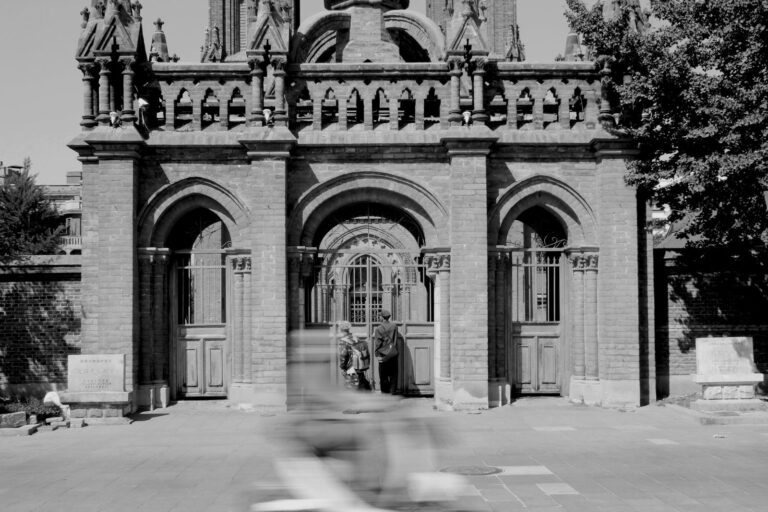
Tianjin was opened as a treaty port in 1860, and at its peak nine countries held concessions here — Britain, France, Japan, Italy, Germany, Russia, Austria-Hungary, Belgium and the United States — each building in its own style. That is why the city has an Italian town, a French cathedral and a grid of red-roofed villas. It was also where China’s first modern university and much of its early industry were established, because the concessions made it a laboratory.
Top Things to Do in Tianjin
The Italianate Town
The only complete Italian concession in China: a piazza, villas and the old consulate, now restaurants and shops. It is touristy, but the architecture is genuine and the walking is pleasant.
Five Avenues
A district of more than two thousand early twentieth-century houses in a dozen European styles, built by the British concession. Rent a bicycle and ride the grid — it is the biggest and best-preserved concession area in the city.
Ancient Culture Street
A rebuilt old street of shops selling clay figurines, calligraphy, kites and the local painted sculptures, with a temple at one end. Touristy, but it is where Tianjin’s folk crafts are actually sold.
The Haihe riverfront and the Tianjin Eye
The river cuts through the centre, crossed by European-style bridges and overlooked by the observation wheel. Walk it at dusk, when the bridges are lit.
The Porcelain House
A villa entirely encrusted with fragments of porcelain and pottery — bizarre, obsessive and genuinely worth fifteen minutes of anybody’s time.
The Great Wall at Huangyaguan
Two hours north, a real and dramatic section of the Ming wall on a steep ridge, with almost none of Badaling’s crowds. The best reason to stay an extra day.

Best Time to Visit Tianjin
April to June and September to October. Summer is hot and humid and winter is cold and dry; the concessions are pleasant in either shoulder season.
At a Glance
| Detail | Information |
|---|---|
| From Beijing | ~35 min rail |
| Airport | Binhai (TSN) |
| Must-see | Wudadao, Tianjin Eye |
| Local dish | jianbing / baozi |
| Best season | Apr–May, Sep–Oct |
Getting to Tianjin
High-speed rail from Beijing South reaches Tianjin in 30–40 minutes (use the Beijing–Tianjin intercity); Tianjin Binhai (TSN) also has flights if you arrive independently. Within the city, the metro is small but covers the core, and the sights cluster enough to walk or bike.
Getting Around Tianjin
Tianjin has a metro network and the centre is walkable; taxis are cheap. The high-speed trains from Beijing take about thirty minutes and run constantly. Huangyaguan needs a full day with a driver or a tour.

What to Eat in Tianjin
Jianbing guozi
Tianjin’s own version of the breakfast crêpe: mung-bean batter, egg, a crisp fried cracker inside, and a smear of sauce. Sold from carts and eaten walking.
Goubuli baozi — with caveats
The most famous name in Tianjin and now largely a tourist trap: expensive and, by local agreement, no longer the best. Try it once for the name, then eat where locals eat.
Ear-hole fried cakes and twisted dough
Two of the city’s three famous snacks, both sweet, both fried, both sold from small shops in the old streets.
Where to Stay in Tianjin
Hepping, near the Italianate Town
Central, walkable to the river and the concessions — the best base.
Five Avenues
Quieter, greener, full of old villas and small hotels.
Near the railway station
Practical for Beijing commuters, less atmospheric.
A 3-Day Tianjin Itinerary
This 3-day plan covers the core of Tianjin without rushing; if you have less time, take the first day and add the parts of the second that matter most to you.
Day 1 — the concessions
The Italianate Town in the morning, the Porcelain House next, and Five Avenues by bicycle in the afternoon. The riverfront and the Tianjin Eye at dusk.
Day 2 — the Great Wall
A full day north to Huangyaguan for a steep, quiet Ming section; back in the evening.
Half-day alternative
Ancient Culture Street for the crafts, a jianbing breakfast, and the riverfront — enough if you only have a few hours between trains.
Day Trips from Tianjin
Huangyaguan Great Wall
Two hours north: a steep, dramatic and largely empty Ming section. Much better than the crowded sections near Beijing if you have the day.
Beijing
Thirty minutes by train, which is why Tianjin works as a cheaper base with a different character.
Binhai and the port
An hour east: the modern port district, the library and the aircraft carrier park — a very different Tianjin.
What a Trip to Tianjin Costs
| Item | Indicative cost |
|---|---|
| Italianate Town and Five Avenues | Free |
| Tianjin Eye | ¥70 (approx.) |
| Porcelain House | ¥50 (approx.) |
| Huangyaguan Great Wall | ¥60–80 plus transport |
| High-speed rail from Beijing | ¥55–75, about 30 minutes |
| Mid-range hotel | ¥250–550 per night |
Tianjin is noticeably cheaper than Beijing for hotels, which is a real argument for staying here and commuting in. Prices quoted are indicative.
Practical Tips for Tianjin
- Come for the concessions, not the sights — the architecture is the content.
- Eat jianbing for breakfast from a street cart.
- Skip the famous dumpling house unless you want the name rather than the meal.
- Ride a bike around Five Avenues; it is the only way to cover it.
- Use Tianjin as a cheaper base for Beijing if you do not mind thirty minutes on a train.
- Add Huangyaguan if you want the Great Wall without crowds.
Mistakes to Avoid
- Treating it as a Beijing day trip and only seeing the Italianate Town.
- Paying premium prices at the famous tourist dumpling house.
- Missing Five Avenues, which is the largest and best part of the concession legacy.
- Assuming it is just a port — the old centre is genuinely interesting.
Is Tianjin Right for You?
One day minimum, two if you add Huangyaguan. Tianjin suits travellers who like architecture, cheap food and a city with a lighter touch than Beijing, and it is the easiest overnight add-on to a Beijing trip.
Plan Your Trip
These official and reference sources help you verify opening hours and book ahead:
Frequently Asked Questions
Is Tianjin worth a day trip from Beijing?
Yes — thirty minutes by high-speed train. But an overnight lets you add Huangyaguan, which is the better reason to come.
What is Tianjin known for?
The nine foreign concessions, which left the Italianate Town, Five Avenues and a riverside of European banks. Plus jianbing guozi for breakfast and a dialect famous across China.
How many days do you need?
One for the city, two if you add the Great Wall at Huangyaguan two hours north.
Should I stay in Tianjin or Beijing?
Stay in Tianjin if you want cheaper hotels and a quieter base — Beijing is thirty minutes away and the trains run constantly.