Southern Xinjiang Loop: Driving Kashgar to Tashkurgan on the G314
If you only self-drive one road in southern Xinjiang, make it the G314 south from Kashgar to Tashkurgan. This is the Chinese half of the Karakoram corridor, and it delivers more dramatic change per kilometer than almost anything else in the region: oasis city, then canyon, then a 3,600-meter glacial lake, then a high Tajik plateau town at the roof of the world. It’s also a route with rules — get the permit, respect the altitude, and it rewards you all the way.
This is a two-day drive done well, one day rushed.
The Route, Stop by Stop
Kashgar (1,280 m). Fuel up, get your border permit, and stock water. The Old Town is worth a night before you leave.
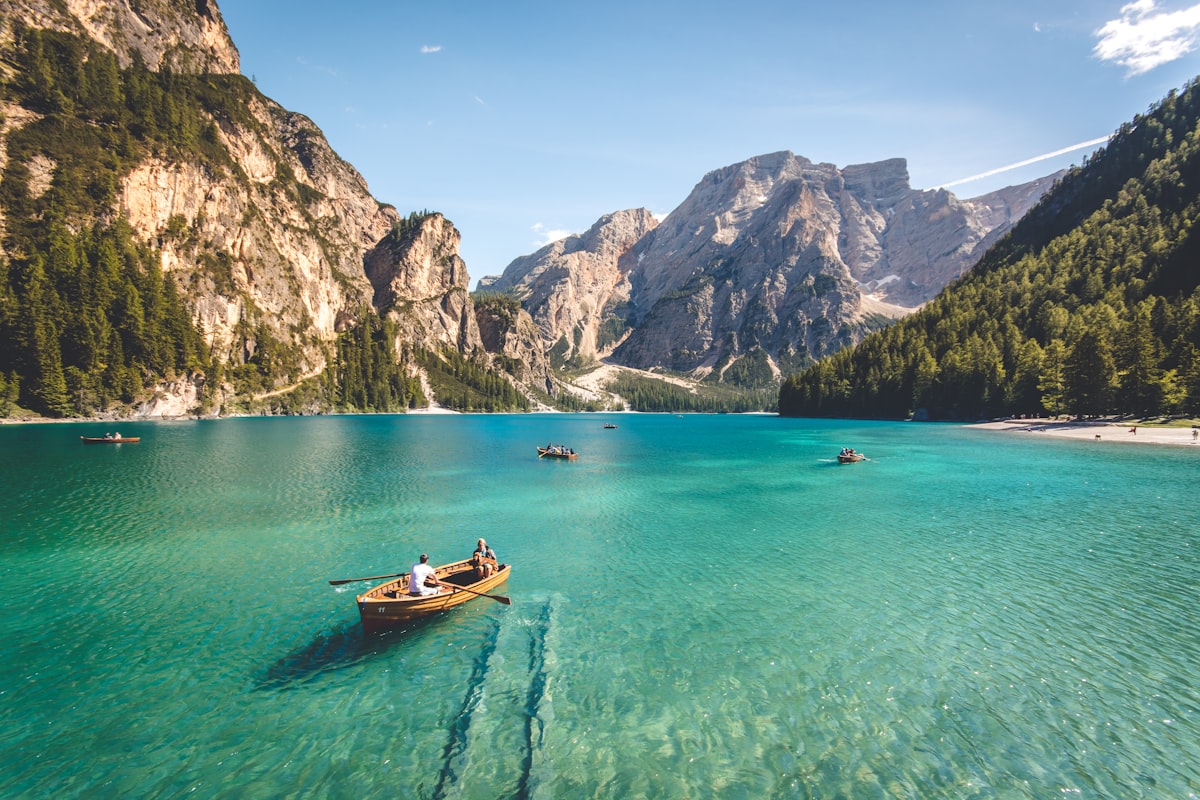
Baisha Lake & Bulunkou. About 150 km out, the road passes the ‘White Sand’ lake and a series of blue reservoirs — easy photo pulls.
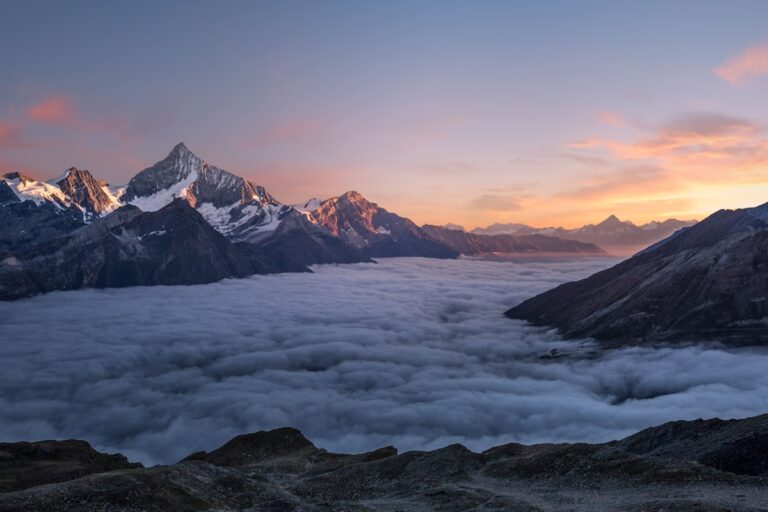
Karakul Lake (3,600 m). The star stop. Overnight at the lakeside yurt camp or hotel if you can; the morning reflection is the shot.
Tashkurgan (3,100 m). The Tajik county seat, base for the Stone City ruins and Khunjerab gateway. Overnight here.
Permits and Checkpoints
The Tashkurgan border permit is mandatory and checked at the Gez checkpoint. Have passport, visa, and permit ready; the stop is routine but firm. Foreign drivers should confirm their eligibility — some choose a local hired car precisely because the driver handles the paperwork and knows the posts.
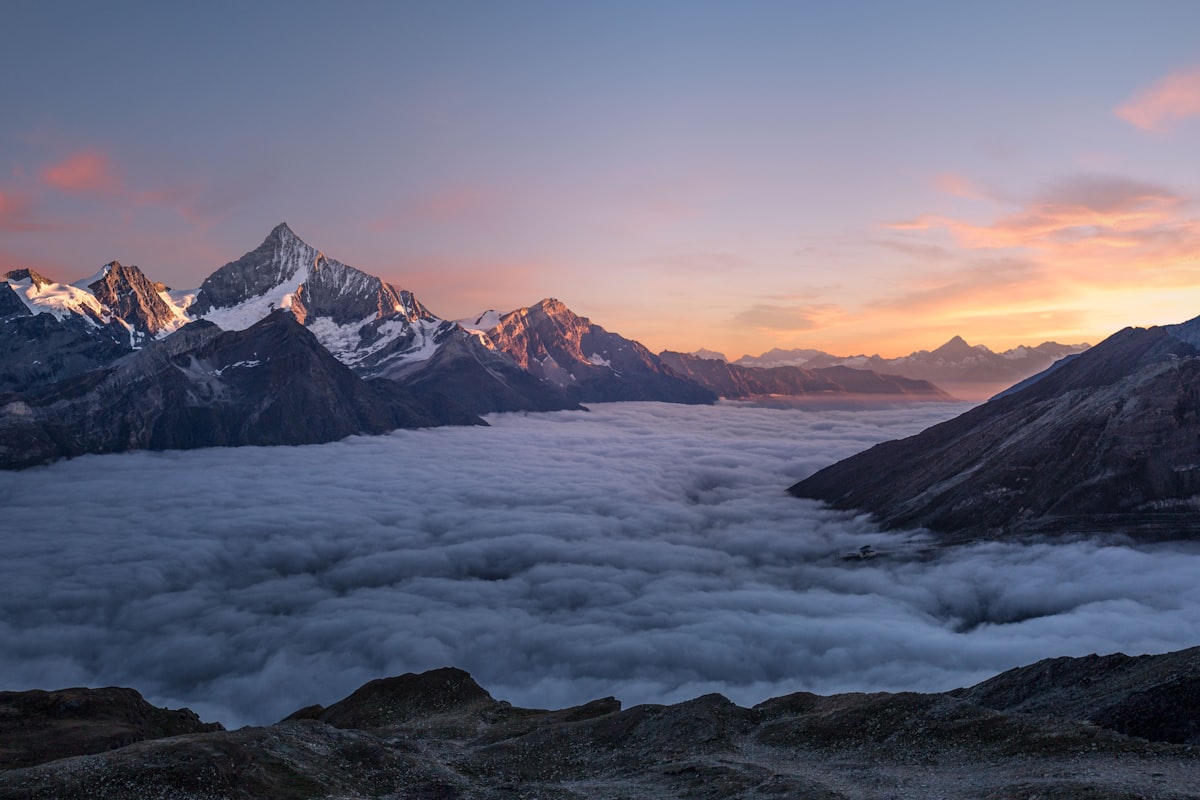
What a local driver would refuse to do
What they will happily do is leave at five in the morning to catch the light, and that is the version worth asking for. My host in Kashgar said the pass was two hours, meaning two hours driving without the stops, and that is the number to plan around, not the one the map shows. What they will refuse is a night drive over the high sections in winter, and they are right. A driver who knows this road gives you the honest distance. If the timing is the question, our [[south-xinjiang-cultural-tour-kashgar-tashkurgan-pamir|South Xinjiang Cultural Tour: Kashgar,…]] goes through it properly.
What winter does to this road
Snow chains help, warm layers in the cabin matter more, and a full tank matters more than both. The problem is that a pass at this height can shut for a day with no warning and reopen at dawn, and nobody announces it until somebody radioes it in. The surface is fine. Drive it in summer and none of this matters. Between November and March you are planning around a gate that moves. More on the other end of that day is in our [[pamir-highway-xinjiang-guide-kashgar-to-tashkurgan-on-the-karakoram-highway|Pamir Highway Xinjiang Guide: Kashgar to…]].
The checkpoints, honestly
They are tedious rather than dangerous, and the driver’s document pack is the only thing that makes them quick. Nobody has ever been rude to me at one of these. You will stop at checkpoints. They are short, they are not hostile, and the whole process for a foreign plate takes longer than for a local one because the officer has to make an entry. Keep passport and car documents in the glovebox rather than the boot so you are not unpacking in front of a queue. Write down the address of tonight’s accommodation, because that is the question they ask.
Where to sleep on the road and where to park
The county town on this route is where to overnight, not the scenic stop, because the scenic stops have no quiet parking and no kitchen open after eight. In Kashgar the hotels cluster along the through road and the value one is usually the second block back, five minutes from the misnamed central place and half the price. Ask for a room away from the yard, since the yard is where the trucks sleep. The evening version of that plan is in our [[xinjiang-night-driving|Night Driving in Xinjiang: When It Helps…]].
Fuel and Logistics
Fill in Kashgar; the next reliable fuel is in Tashkurgan. There are basic services at Karakul but don’t rely on them. The road is paved and in good condition, but it’s high and exposed — weather turns fast, and snow can close the upper pass outside summer. Carry water, food, and a warm layer even on a warm day, because a breakdown at altitude is no joke.
Why Drive It Yourself
A hired car is easier on permits, but self-driving lets you stop at Baisha at the exact light, linger at Karakul past the tour buses, and feel the plateau instead of being shuttled. If your paperwork is in order and your body tolerates altitude, it’s the best drive south of the Tian Shan.