Kashgar Old Town Rooftop Cafes and Where to Stay Inside the Walls
There is a particular pleasure in Kashgar that guidebooks under-sell: climbing three flights of a narrow stair to a rooftop, ordering a pot of milk tea, and watching the entire Old Town turn gold at sunset. I have now done it from a dozen roofs across four visits, and the view never gets old. This is what to look for in a rooftop cafe and where to actually lay your head inside the walls, based on nights I have personally paid for.
The Rooftop Cafe Circuit
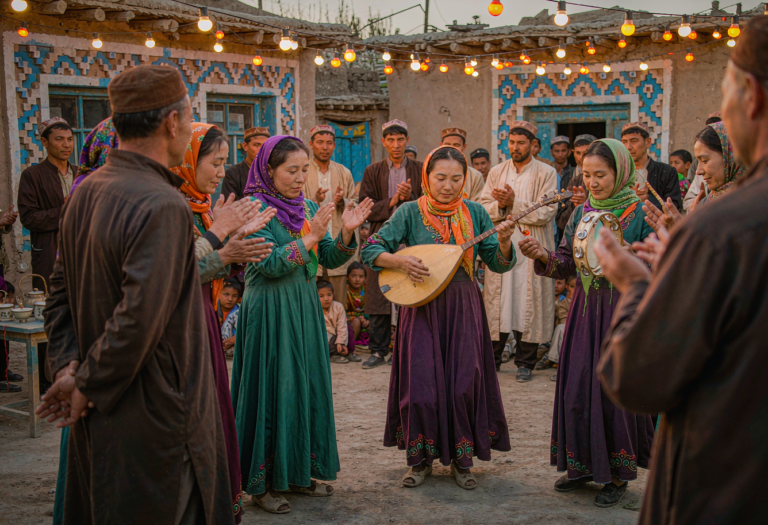
The Old Town has exploded with rooftop cafes in the last few years, most concentrated around the western core near the old tea house. They range from bare-bones family parlours to polished spots with espresso machines. All serve chai, milk tea, and sweet black tea; a few do coffee and lemonade. The oldest tea house is an experience, but the smaller family roofs a lane away are where I end up most often.
What to order
| Drink | Price (¥) | Best time |
|---|---|---|
| Milk tea (süt cha) | 8–15 | Any time, warming |
| Black tea with sugar | 5–10 | Afternoon |
| Lemonade (fresh) | 15–25 | Hot summer afternoon |
| Espresso / latte | 18–30 | Morning work session |
Where to Stay Inside the Old Town
Sleeping inside the walls means you step out at 08:00 into empty lanes and bakeries. The trade-off is thin walls and weak Wi-Fi in the oldest buildings. I rate stays on three things: a real rooftop, a quiet lane, and a host who speaks some Mandarin or English so you are not stranded when you need a taxi.
Types of lodging
Converted courtyard homes (the nicest, often 8–15 rooms), purpose-built boutique hotels on the edge of the core (better bathrooms, less atmosphere), and a few hostels (cheap, social, loud). The living-museum guide maps the districts so you can pick a lane that matches your tolerance for noise and your budget.

How much time the place really needs
My own rule now: if I have to choose between this and an extra evening in Kashgar, I keep the evening. Most first-timers plan two hours and then get stranded. Budget the full morning. The gates open early and the last entry tends to stop a couple of hours before closing, so the promise of coming back for sunset is not always possible. That covers the walk in, the slow look at the main feature, the side trails almost nobody does, and getting back to the car before the light goes flat.
Ninety minutes is enough to tick the box. Half a day is enough to understand it. A full day is what you want when the point of coming was Kashgar Rooftop Cafes And itself rather than a stop on the way. The first time I rushed it and spent the whole visit looking up at the same rock from one spot. The second I gave it a morning and a late-afternoon return and saw two completely different places, because the light moved across the surface and the crowds thinned to nothing.
The evening version of that plan is in our [[where-to-stay-kashgar-old-town|Where to Stay in Kashgar Old Town: Lanes,…]].
A few minutes of background change the visit
The history here is layered in a way the official signage compresses into names and dates. The place only makes sense once you know its shape. Kashgar Rooftop Cafes And was cut rather than built, which is why the walls are solid and the streets are the empty space between them, and why centuries of dust ended up acting as a roof. Read that the morning before rather than at the entrance, where the boards stand too far from the object to help. Knowing what you are standing on turns a pleasant walk into something you actually remember. Locals in Kashgar will give you the short version in about a minute if you ask, and it is usually better than the panel at the gate. The evening version of that plan is in our [[best-area-to-stay-in-kashgar-old-town-vs-new-city|Best Area to Stay in Kashgar: Old Town vs…]].
Noise, Booking, and Practicalities
Friday is prayer day; the area around Id Kah gets lively midday and quiet by evening. Book directly with the guesthouse on WeChat if you can, as platforms add fees and sometimes list phantom rooms. In peak summer (Jul–Aug) and during the annual holidays, the good courtyards sell out weeks ahead, and I have watched friends end up in a characterless tower block because they waited.
Getting your bags in
Cars cannot enter the core. Your driver will drop you at a gate; the guesthouse usually sends someone with a cart. Pack a soft bag, not a rigid suitcase, or you will hate the last 200 m of cobbles and stairs. I learned this with a 28-inch hard case and a very patient teenager pushing a rattling cart.

Timing it right
Spring and early summer
Mixed. The famous old tea house is busier and pricier; the smaller family roofs a lane away are cheaper and friendlier. Both are worth one visit each, and the view is the same from all of them.
Summer
Inside for atmosphere and early-morning photography; outside (near Id Kah or the modern centre) for quiet sleep and better hotels. First-timers should pick inside at least two nights to feel the rhythm of the place.
Autumn
Rarely. Bring cash (¥) and a Chinese payment app if possible; many small places are cash-only and the nearest ATM may be a ten-minute walk from the gate.
Winter
Most courtyards use radiators or AC units; confirm before booking in December–February, as some older rooms stay cold and the thick mud walls hold the chill.
4
Wi-Fi is patchy. The modern cafes near the gates have better signal; treat the roof as a place to slow down, not to send emails, and download anything you need beforehand.