Xinjiang Landscape Photography: Light, Seasons, and Shot Planning
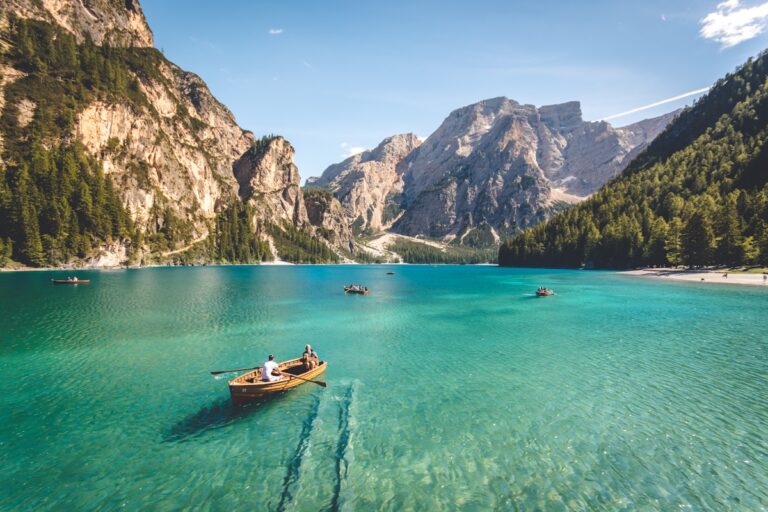
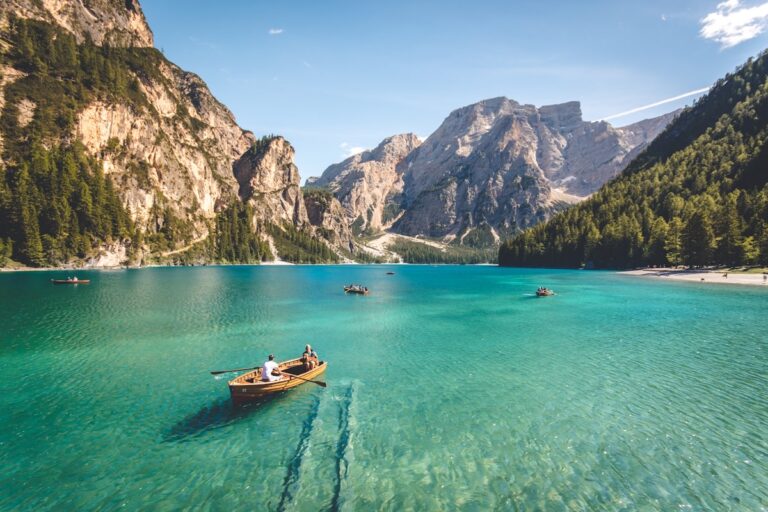
I set my alarm for 4:40 a.m. to catch Sayram Lake at first light, and what I got wasn’t the postcard blue — it was a silver mirror under a sky so wide it felt like standing inside a planetarium. Xinjiang is a photographer’s overload: 5,000-meter peaks, neon lakes, and dunes that shift color by the minute. But the scale is a trap — shoot carelessly and your hero shot becomes a postage stamp of nothing. Here’s how to actually bring it home.
Why Xinjiang Light Is Different
High altitude, bone-dry air, and vast unobstructed horizons mean contrast and saturation you don’t get at sea level. Skies are deeper, shadows harder, and the “golden hour” is shorter but more intense. Plan around it.
There’s a practical upside too: because the air is so clear, distant peaks stay sharp instead of washing into haze. A telephoto that would look milky elsewhere here resolves ridge after ridge, which is exactly why big landscape compositions work even when the subject is kilometers away.
Altitude and dryness
At 2,000+ meters the sun is stronger and the air thinner, so UV haze is low — great for clarity, rough on unprotected gear and skin. Expect bigger temperature swings between shoot and noon.
Best Seasons by Region
| Region | Best months | What you’ll shoot |
|---|---|---|
| Kanas & Hemu (north) | Sep–Oct | Golden birch, morning mist, cabins in fog |
| Sayram Lake & Ili | Jun–Jul | Wildflowers, turquoise water, Guozigou bridge |
| Taklamakan & Turpan | Oct–Apr | Dunes, cold blue dawns, fewer crowds |
| Pamir & Karakul | May–Sep | Snow peaks, reflections, star skies |
| Tianshan around Urumqi | Jul–Aug | Alpine lakes, red-rock canyons |
The Golden Hours — And the Cold Ones
Timing the light
Sunrise and the hour after are your money shots; in summer the north doesn’t get truly dark until 10 p.m., so late-evening “blue hour” at 9:30–10:00 is pure gold. Arrive 30 minutes early to scout foreground. In winter, the sun stays low all day, which is a gift for soft light — just protect your batteries.
Desert and high-plateau locations cool fast after sunset, so pack a layer even in July — your fingers will thank you during a long exposure. For reflections on lakes like Sayram, arrive before the wind picks up; the mirror effect vanishes within minutes of the first breeze.
Shot Planning for the Big Landscapes
Give the eye a place to land
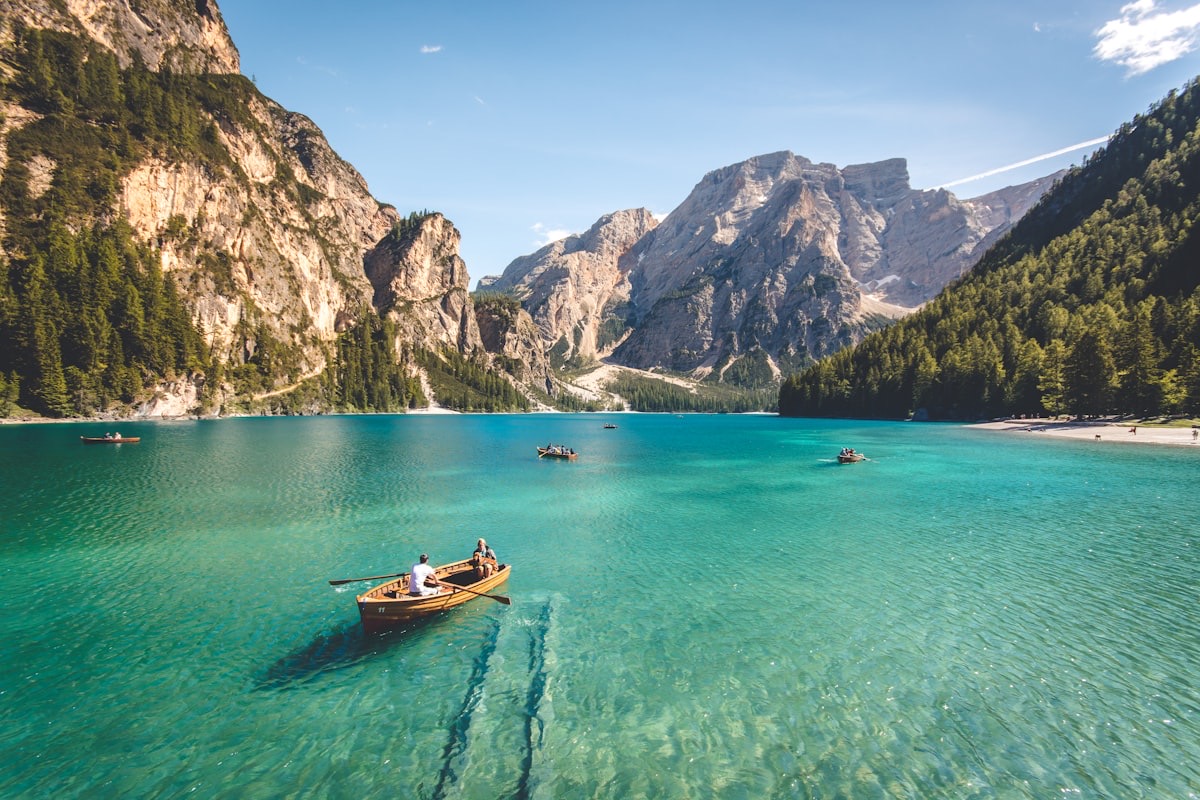
With so much space, scale is everything. Drop a fence, a horse, or a person into the foreground so the viewer feels the size. Layer your composition: near rock, mid lake, far peak. A polarizer deepens skies and cuts glare on water; a graduated ND balances bright sky against dark land.
For location-specific timing, our Sayram Lake and Kanas Lake guides map exactly when each lake’s light peaks through the season.
Don’t ignore the mundane in-between moments: a lone tree on a dune, steam off a morning kettle, the long shadow of a yurt at dusk. These quiet frames often outlast the postcard panorama because they show mood and scale rather than just scale, and they’re the ones friends actually stop scrolling for.
Gear That Earns Its Weight
Less is more at altitude
A solid tripod is non-negotiable for dawn long exposures and stars. Carry one versatile zoom (24–70mm equivalent) plus a light tele (70–200mm) for compressing those ridgelines. Spare batteries — cold kills them fast; keep one in an inside pocket. A blower brush beats a cloth for sensor dust on windy passes.
Drone Rules — Read Before You Fly
No-fly zones are real
Border areas (the whole Pamir frontier), military zones, and most airports are strictly off-limits, and Xinjiang enforces this. Always check the local app and never assume a pretty valley is clear. When in doubt, leave it on the ground — the fine and the hassle aren’t worth a reel.
If you do fly legally, keep it low and close, and land the moment anyone in uniform appears — even a friendly chat can end with the drone confiscated. Register the aircraft before you travel; unregistered flights draw far more attention than the flying itself, and ignorance won’t get you out of it.
Composing With People and Culture
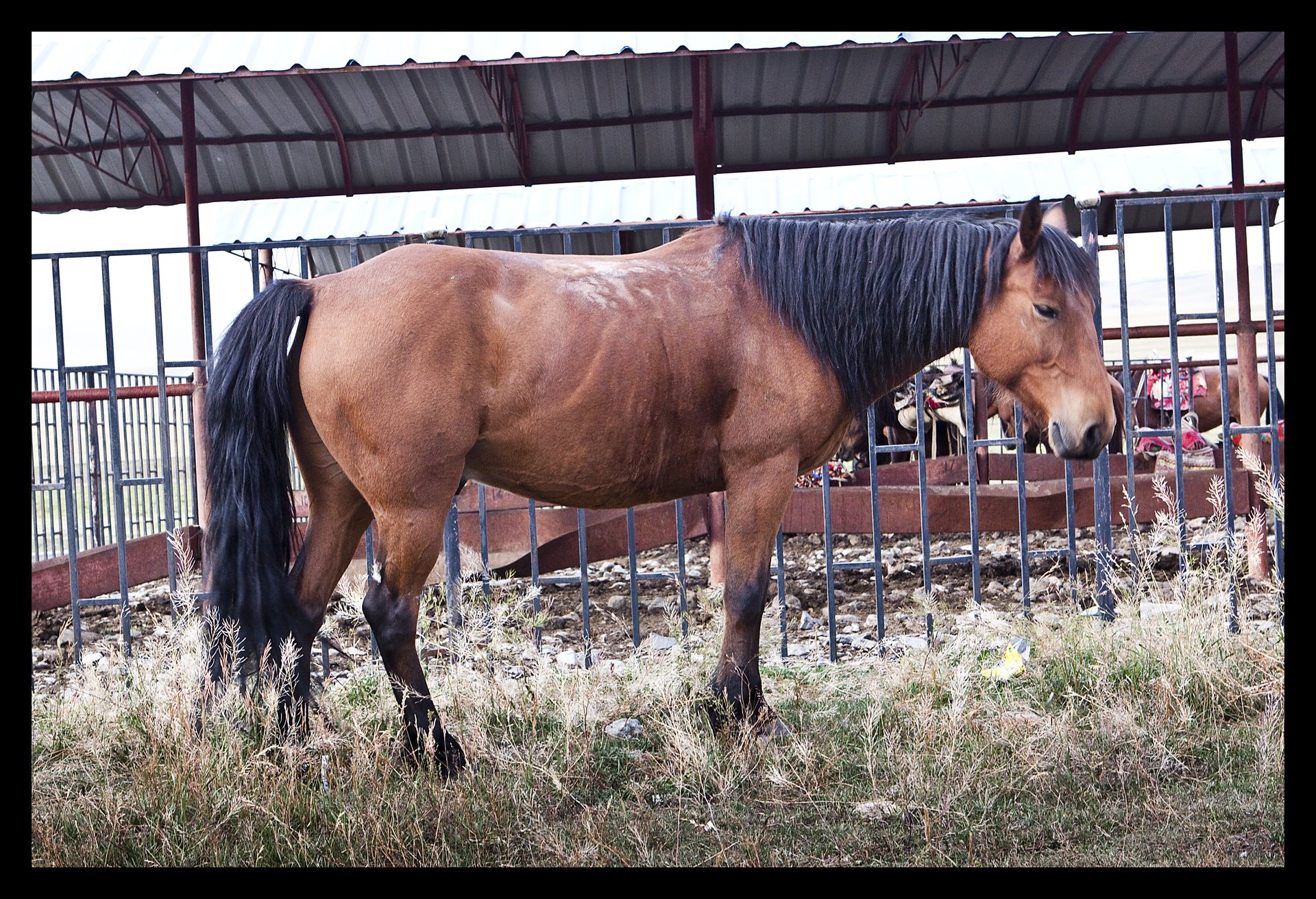
Landscapes get the glory, but the human frame is what makes a Xinjiang album sing. A herder and a horse on a ridge, a baker pulling naan from the tandoor, a grandmother at a spinning wheel — these anchor the place. Shoot at a respectful distance, drop to their eye level, and let the environment frame them rather than isolating them against a blank wall.
Editing lightly
The light is already dramatic; don’t crush it in post. Pull shadows just enough to recover detail, keep saturation near real, and resist over-sharpening the peaks into plastic. A light touch reads as honest and holds up for years.
Care in Wind, Dust, and Cold
Xinjiang’s passes are windy and its deserts dusty, both enemies of sensors. Swap lenses inside a car or a bag, never in the open, and keep a blower handy. Cold drains batteries fast — keep spares in an inside pocket and rotate them. And back up cards nightly; a failed card in the Pamir means a lost trip, not a redo.
Planning Shoots With Offline Maps
Signal vanishes on mountain passes and across the desert, so download offline maps (Gaode/Amap or Maps.me) before you leave the city. Mark sunrise viewpoints, pull-offs, and the nearest fuel the night before — you don’t want to find a locked gate at 5 a.m. Local photography groups on Chinese social apps often post exact spots; a translate app bridges the language gap and the cost of a wrong turn.
Respecting No-Photo Zones
Some sites — military-adjacent viewpoints, certain museum halls, and a few religious interiors — forbid photography outright. Signs are usually clear, and staff will tell you. Respecting them isn’t just polite; in border regions it’s taken seriously. When unsure, ask once and move on gracefully rather than arguing the point.
Memory cards and backups
Carry two smaller cards rather than one huge one, so a failure costs a day, not a trip. Copy to a phone or a portable SSD each evening; cloud uploads are unreliable on the road. Label cards so you don’t accidentally reformat the wrong one in a cold, dim guesthouse.
When to go, and when to stay home
Spring and early summer
Late September for the north (Kanas birch gold); June–July for Ili and Sayram wildflowers. Pick your region first, then the month follows.
Summer
No. Some of the best frames are ground-level with a foreground subject. If you fly, research no-fly zones obsessively — border regions are restricted.
Autumn
Shoot shade, detail, and interiors at noon; save landscapes for the ends of the day. A polarizer helps tame glare when you must shoot bright.
Winter
The Pamir and Taklamakan have jaw-dropping darkness. Use a wide fast lens, 15–25s exposures, high ISO, and a steady tripod — and dress warmer than you think.
4
Modern phones are shockingly good for social shots, especially with a clip-on polarizer and a small tripod. For prints or serious work, bring a camera — but don’t let gear stop you from clicking.