Kalajun Grassland: A Complete Guide to Xinjiang’s UNESCO World Heritage Alpine Meadow
Where a fact depends on a number that changes year to year, such as ticket prices or shuttle fares, the text flags it as a figure that should be re-checked before you book. The goal is a practical, sourced overview you can cross-reference with current official channels. Confirm shuttle routes, opening hours, and entry gates with the scenic area directly before committing to a schedule.
Kalajun Grassland: Overview & Key Facts
Kalajun, written in Chinese as 喀拉峻, sits in the Tianshan mountains of northwest Xinjiang, near Tekes County in the Ili (Yili) Kazakh Autonomous Prefecture. It forms part of the Xinjiang Tianshan UNESCO World Heritage Site, which was inscribed in 2013. The name is often translated along the lines of “dark ridge” or “black grassland” in the Kazakh language, a reference to the deep green and shadowed tones of its slopes.
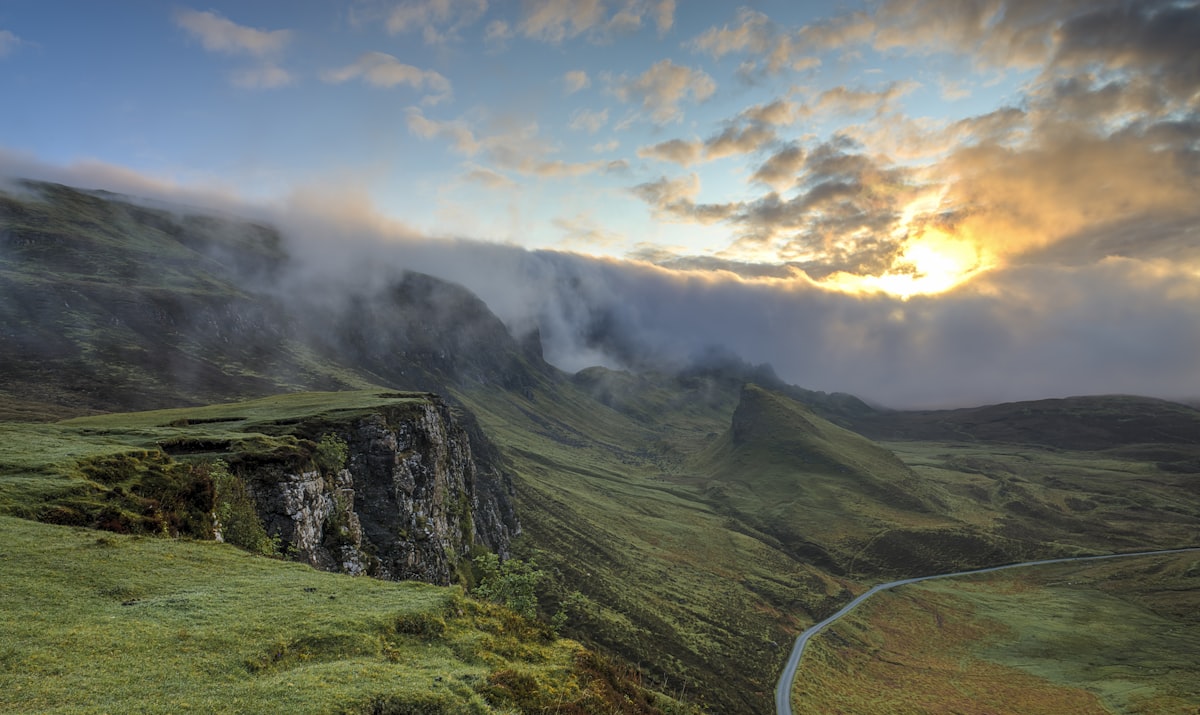
The terrain is the headline feature. Unlike flat steppe, Kalajun is built from gently curved, rolling ridges that fall away into broad valleys. The most photographed zone is the stretch visitors call the “human body grassland” or “colourful slope,” where the meadow undulates in body-like contours that shift with the angle of the sun. Official sources describe the meadow as a continuous carpet of grass and wildflowers through the warm months, with Kazakh herding families moving livestock across the high country in the traditional seasonal pattern.
Elevation across the scenic area ranges roughly from around 1,300 meters in the valley floors to above 2,800 meters on the higher ridgelines, according to figures quoted by regional tourism materials. That range matters for two reasons: it explains the cool nights even in summer, and it is why altitude is worth a mention in the practical section below. The scenic area is large, and internal movement is handled by mandatory shuttle buses rather than private vehicles, a point covered in the tickets and tips sections.

What the last stretch looks like
Most travelers approach Kalajun from the east. The standard chain is Urumqi, the regional capital, to Yining (also called Ghulja), the main city of the Ili region, then to Tekes County, and finally to the scenic-area entrance. Urumqi to Yining is covered by both flights and a high speed rail line; operator schedules list the flight at well under two hours and the train at roughly eight to eleven hours depending on the service. From Yining, the road continues south to Tekes, a drive that traveler reports place at around two hours under normal conditions.
Tekes itself is worth knowing before you go because it is the usual base for Kalajun visits. The town is famous for its Bagua layout, a circular street plan built on the eight trigrams, and many itineraries pair a Kalajun stay with a walk through the Tekes grid. From Tekes town to the Kalajun entrance, operator notes describe a drive of roughly one hour, though reported times vary with traffic and the specific gate used.
Choosing between driving and bus depends on your group and comfort with remote roads. Renting a car or hiring a driver gives flexibility for the Tekes to Kalajun leg and for side trips toward Kuerdening, but private vehicles cannot enter the core scenic area. Public options exist from Yining and Tekes, yet schedules are thinner outside peak season and travelers report that timing the last shuttle back out of the grassland can be tight. A common research-based compromise is to base in Tekes and join a local shuttle or small group for the internal loops.
Entry fees
Access to Kalajun works on a combined model. Published operator and scenic-area information describes a base entry ticket plus a mandatory internal shuttle bus fee, because private cars are not permitted on the meadow roads. As of 2025, traveler reports and operator quotes place the combined entry plus shuttle in a broad range often cited around 140 to 200 RMB per person, with separate or add-on charges possible for specific sub-zones, cable cars, or extended loops. Check the official scenic-area sales channel or a licensed operator for the current combined ticket, the valid shuttle routes, and whether your intended route (for example the eastern Kalajun loop versus the western Kuokesu canyon side) requires a different pass. Budget separately for transport from Yining or Urumqi, accommodation in Tekes, and meals, since none of those are included in the grassland ticket.
One more cost note from traveler reports: the internal distances are long, and the shuttle is not optional, so the ticket-plus-bus price is effectively the minimum spend to see the main viewpoints. If you want the famous grassland curves and a valley overlook in a single day, plan the shuttle timing carefully rather than assuming you can walk between them.
What each season brings
The warm season runs roughly June through August, and this is when Kalajun draws the most visitors. Official and traveler sources agree that June and July bring the densest wildflower display across the meadows, with the green ridges at their fullest before the late summer dry period. August stays pleasant but the flower peak thins, and by September the high country begins its shift toward autumn colour and cooler, less predictable weather.
Shoulder months can suit travelers who prefer quiet. Late May and early September are mentioned in reports as calmer windows with lower visitor numbers, though flower cover and some services may be reduced. Winter access is limited; multiple sources note that sections close or run reduced shuttle service in the cold months, and snow at altitude can make the roads impractical. For a wider seasonal picture across the region, our best time to visit Xinjiang guide lays out the trade-offs month by month.
The itinerary I would follow
The sample plan below assumes a Tekes base and two full days, pairing Kalajun with the nearby Kuerdening area and a Tekes orientation. Travelers who only have one day generally report focusing on the Kalajun ridge loop and skipping the second-day extension.
Where to sleep
Tekes town is the practical hub. Traveler reports describe a range of town hotels and guesthouses there, from larger mid range properties near the main roads to smaller family run guesthouses closer to the Bagua centre. Booking ahead is repeatedly advised for July, when regional domestic travel peaks and rooms near the grassland fill first.
Inside or near the scenic area, yurt stays with local Kazakh families are mentioned by visitors as an option for those who want to wake up on the meadow. These are described inconsistently in reports: some are basic with shared facilities, others more developed with enclosed beds and generators. Treat any stay inside the scenic area as rustic, confirm what is included, and verify whether it affects your shuttle timing the next morning.
What & Where to Eat Nearby
Dining clusters around Tekes and the larger Ili city of Yining rather than on the open meadow. Traveler reports point to Kazakh and broader Xinjiang fare: hand-pulled noodles, laghman, roasted lamb, manty (steamed dumplings), naan, and dairy products such as kurt and fresh yogurt. The Ili region is also known for its apples and for vine-based products, and Yining markets are frequently cited as the best place to sample a spread in one stop.
On the grassland itself, food options are limited and priced for a captive location according to multiple accounts, so carrying your own water and some snacks is the common recommendation. If you eat with a herder family, travelers suggest asking about price and portion first, since informal settings may not post menus. Those with dietary restrictions should plan ahead, as remote kitchens may have little beyond mutton, wheat, and dairy.

Ground truth
Even in summer the altitude and open exposure make conditions change fast. Traveler reports consistently warn about strong sun, cool nights, and sudden rain or wind on the ridges. A light warm layer, a sun hat, and sunscreen are repeated as essentials, and the higher viewpoints can be sharply colder than Tekes town in the same hour.
Shuttle logistics deserve real attention. Because private cars stay out, your whole visit is paced by the bus loops, and missing the last departure can leave you stranded at the gate. Confirm the current route, the first and last departure times, and which stops are included before you enter. Connectivity is patchy on the meadows; do not assume maps or messaging will work once you are inside, so settle meeting points and return times in advance.
Cash is still useful in remote spots where card or phone payment may fail, so carry some small notes. When photographing herders, their animals, or yurt camps, ask permission first; several traveler accounts note that not every family welcomes close-up portraits, and a polite request goes a long way. Finally, the meadow is fragile. Pack out everything you bring, stay on marked paths where they exist, and follow Leave No Trace habits so the grassland stays intact for the next visitor.
For travelers comparing regions, the difference between grasslands matters. Travelers report that Kalajun is known for its curved open ridges while Kuerdening offers more forest and canyon scenery. The two-day sample above combines them with a Tekes base, though you should confirm whether a single ticket covers both or whether each requires its own entry.
Do I really need the shuttle bus, or can I drive in myself?
According to official and operator information, private vehicles are not permitted on the internal meadow roads, so the shuttle is mandatory. This is not a suggestion for convenience; it is the access model. Plan your day around the shuttle timetable rather than your own schedule.
How high is Kalajun, and will the altitude affect me?
Published figures place the area from roughly 1,300 meters in the valleys to above 2,800 meters on the high ridgelines. Most healthy visitors feel fine, but the combination of altitude, sun, and walking means slower pacing, more water, and a warm layer help. Those sensitive to elevation should watch for headache or fatigue.
When are the wildflowers at their best?
Traveler reports and scenic-area notes point to June and July as the peak flowering window, with August still green but past the densest bloom. Confirm facilities, price, and how the stay fits your shuttle timing before committing. Tekes town remains the more reliable base for most travelers.
Is Kalajun suitable for children or older travelers?
The shuttle reduces walking load, and the viewpoints are the main draw, so many families go. However, the altitude, weather swings, and limited food and toilet options on the meadow mean parents and companions should prepare supplies and pace the day. The long shuttle rides themselves can be tiring for small children.
How does Kalajun connect to a wider Ili trip?
Tekes links easily to Yining, and from there travelers often add Sayram Lake and the Ili ring road. Kalajun works as one stop in a multi day Ili itinerary rather than a standalone destination for most visitors coming from Urumqi.
Are the ticket prices on this page guaranteed?
No. Every price here is reported as a planning estimate with year framing and should be re-checked with the official scenic area or a licensed operator before you travel.