Hemu Village: Birch Forests, Timber Cabins, and the Golden Hour on the Altai
Hemu is the village most travelers remember longest from a Xinjiang trip. Tucked in the Altai Mountains inside the Kanas Geopark, it is a settlement of Tuvan herders — a Turkic-speaking people whose timber cabins, smoke at dawn, and birch-forest backdrop have made Hemu the single most photographed village in the region, and for good reason. Arrive for the first light and you understand why people call it a ‘fairy-tale village.’
Hemu is usually visited as an extension of Kanas Lake (the two are linked by shuttle inside the park), but it deserves its own night. The lake is the headline; Hemu is the soul.
The Setting
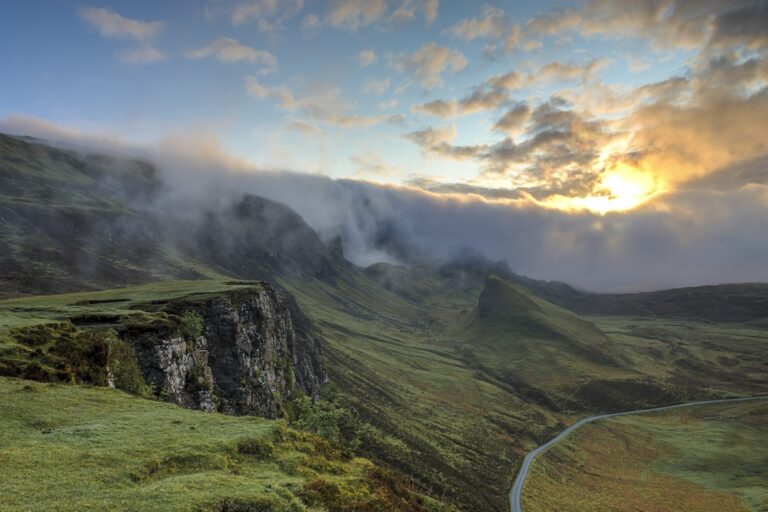
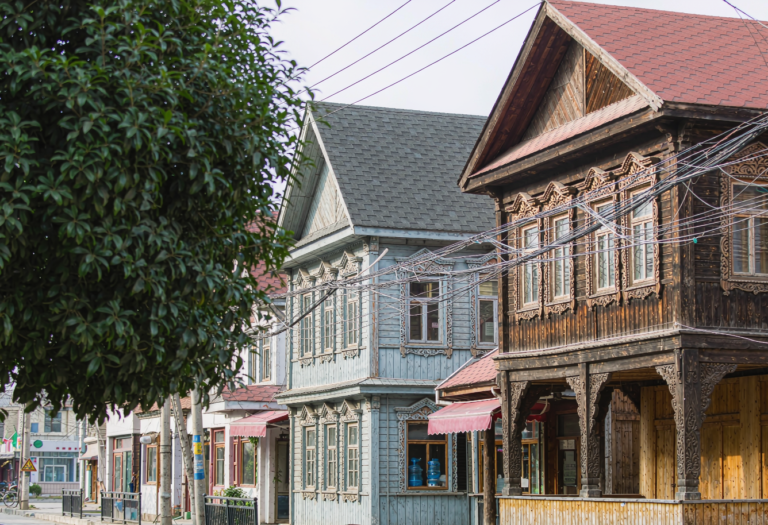
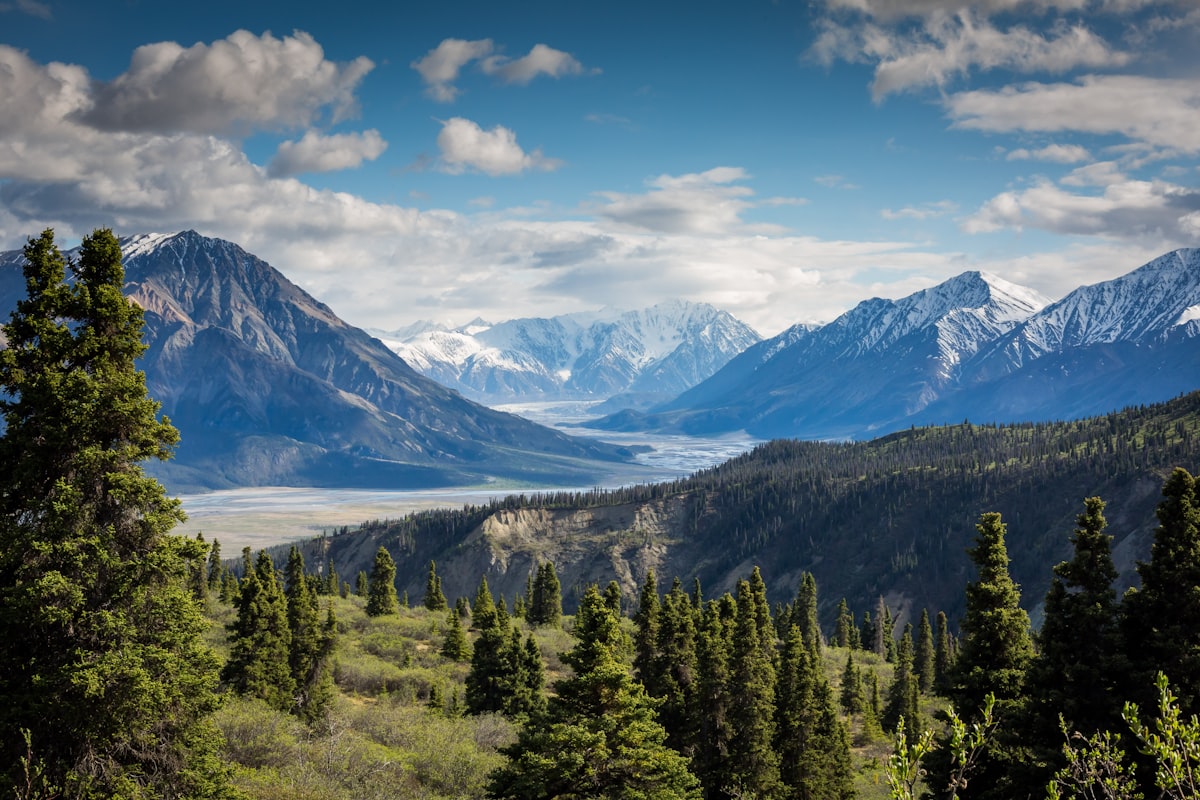
The village sits in a river valley where the Hemu River meets the Kanas, ringed by spruce and birch and low mountains. The houses are built from whole logs stacked corner-to-corner — a cold-climate carpentry that looks like something from a northern folk tale. Wooden fences, haystacks, and freely roaming horses complete the picture. In autumn the birch turn acid yellow and the whole valley looks lit from within.
The Tuvan residents are the draw as much as the scenery. Their throat-singing, their small museums, and their quiet pastoral rhythm are what separate Hemu from a staged ‘ethnic village’ — this is a working community, not a set.

Reaching {P} on buses, taxis and shared rides
The first time we chartered a car for the round trip and it was worth every yuan. The second a driver on a return leg dropped us at the entrance and waited in the car park, which is the cheap way to do it if you do not mind setting your own clock. The trick is finding the vehicle rather than the timetable. In Xinjiang the drivers wait where drivers always wait, in the little offices a few hundred metres off the main terminal, and they will put together a half-day for a price the meter would never quote.
Leave two hours of slack on the return. The last vehicles back leave in the early evening, and after dark on a mountain road the local buses stop running entirely. Hemu Village Birch Forests sits an hour or two from the nearest town, which sounds close until you work out there is no reliable public bus to the gate. We came twice.
What does exist is an intercity coach leaving the Xinjiang long-distance station early, a taxi share at the stand that costs a few tens of yuan a head if you are patient, and the tour vans that pick up at hotels.
A second look on day two
The second time you can skip the obligatory viewpoint and walk along the base of the ridge where the light comes in sideways, and that is the photograph you keep. If your itinerary has a spare morning, spend it here again rather than at the bigger name on the far side of town. Almost nobody does Hemu Village Birch Forests twice. I did, and the second visit was better, because the first had been spent working out where to stand.
What goes in the day pack
A wind shell. The temperature drops fast once you stop moving and the drop is not hypothetical on an exposed pass. A fleece covers most of the year, a real jacket covers shoulder season. Water, more than you think, a power bank and some cash. Cards work at the gate and in the shops, but the stalls on the approach road and the drivers waiting at the turnoff want cash, and coming up short at the moment you want a lift is the classic way to lose an hour. Sunscreen and a brim. The light here is serious and the shade is intermittent, so the sunscreen goes on before you leave the hotel, not at the gate.
How much time the place really needs
My own rule now: if I have to choose between this and an extra evening in Xinjiang, I keep the evening. Most first-timers plan two hours and then get stranded. The gates open early and the last entry tends to stop a couple of hours before closing, so the promise of coming back for sunset is not always possible. Budget the full morning. Ninety minutes is enough to tick the box.
That covers the walk in, the slow look at the main feature, the side trails almost nobody does, and getting back to the car before the light goes flat. Half a day is enough to understand it. The first time I rushed it and spent the whole visit looking up at the same rock from one spot. A full day is what you want when the point of coming was Hemu Village Birch Forests itself rather than a stop on the way. The second I gave it a morning and a late-afternoon return and saw two completely different places, because the light moved across the surface and the crowds thinned to nothing.
What to Do
Sunrise from the viewpoint. A short climb (or horse ride) above the village gives the classic shot: cabins under mist, river bending through gold forest. Go before the light, every morning.
Walk the valley. Flat trails follow the river and weave through birch stands. Even 30 minutes on foot leaves the tourist center behind.
Horse riding. Local herders rent horses for valley loops — the best way to reach the quieter meadows.
Throat-singing and home visits. Some households offer an evening of music and milk tea. Ask through your guesthouse; pay or buy something in return.

When and Where to Stay
Autumn (late September–early October) is the headline season — gold birch, low sun, still water. It is also the most crowded and priciest; book lodging weeks ahead. Summer is green and cool; winter is a frozen, silent version with limited access.
Stay inside the village (guesthouses and cabins) to catch sunrise without the shuttle commute. Conditions are basic and prices high in peak season, but waking to mist over the roofs is worth it. The park shuttle connects Hemu with Kanas Lake and the Baihaba border village.
For the nature-and-culture half of a Xinjiang Travel Guide, Hemu is the place to slow down. Pair it with Kanas Lake (one day each) and give the morning mist the time it deserves — that is the photo everyone comes home with, and the one no published shot quite captures.