Horse Riding in Xinjiang: Where to Saddle Up on the Silk Road
No animal defines the Xinjiang steppe like the horse. I spent a morning on a Kazakh ranch outside Nalati watching a ten-year-old girl circle a freckled mare bareback, and it clicked: this is not a tourist gimmick, it is a living culture. The region’s nomads — Kazakh, Kyrgyz, Mongolian, and Tuvan — measure land in hoofbeats. For travelers, that means you can genuinely ride where locals have ridden for a thousand years, not just pose for a photo. Here is how to do it well.
A Riding Culture Older Than the Silk Road
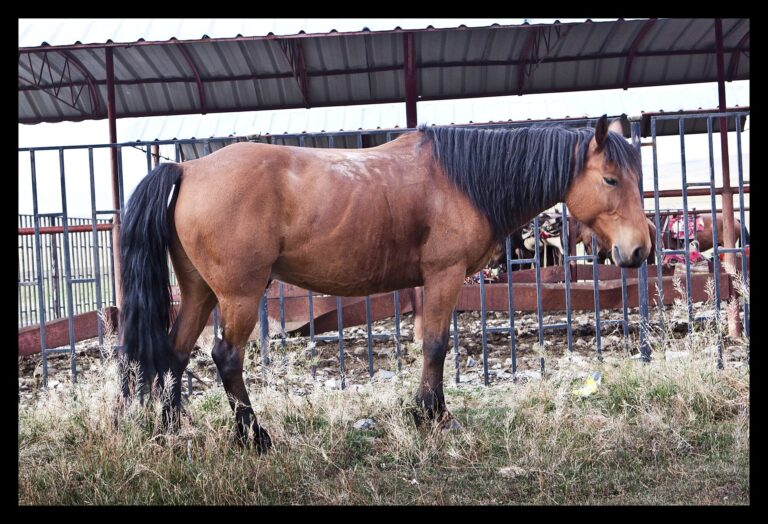
The Heavenly Horses of the Tian Shan were famous enough that Han-dynasty envoys traded silk for them two thousand years ago. Today the same bloodlines power the Yili and Kazakh horses you will meet on ranches. Riding here is practical: herding, moving camp, racing at festivals. When a family offers you a stirrup, they are extending real hospitality, so treat the animal and the host with care. I have never been charged for a spontaneous ride offered over a cup of tea — that is the difference between a transaction and a tradition.
The Best Places to Ride
| Area | Best Season | Typical Ride | Experience Level |
|---|---|---|---|
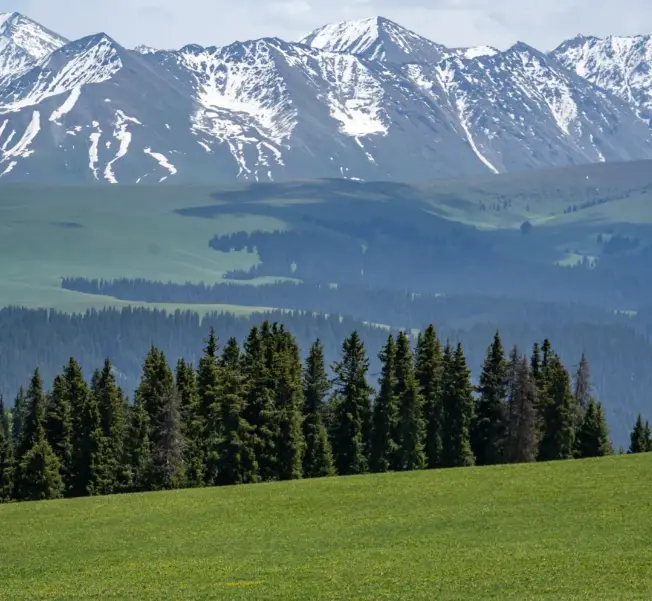
| Nalati Grassland (Ili) | Jun – Sep | 1–3 hr ranch loop, optional overnight camp | Beginner friendly |
| Kazanqi / Yining outskirts (Ili) | May – Oct | Village and riverside rides | Beginner |
| Hemu & Kanas (Altay) | Jul – Sep | Forest and river valley trails, Tuvan hosts | Beginner–Intermediate |
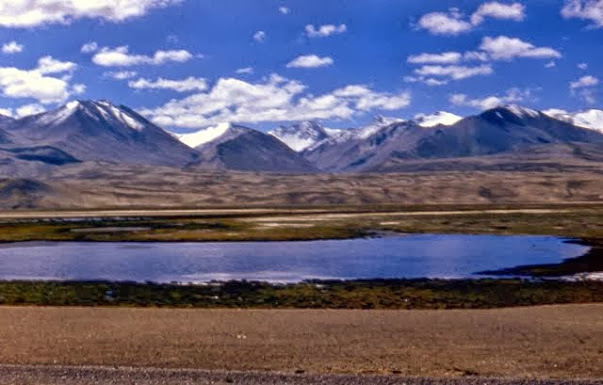
| Karakul Lake (Pamir) | Jun – Sep | High-plateau rides with Muztagh Ata views | Intermediate (altitude) |
| Qiaojia / Bayinbuluk | Jun – Aug | Open wetland rides, swan reserves nearby | Beginner–Intermediate |
Nalati is the easiest entry point and pairs perfectly with our Nalati Grassland guide. For a wilder, forest-and-river feel, the Tuvan villages around Hemu are unforgettable — I rode a quiet trail there at golden hour and saw not another soul.
Prices you can expect
Ranch loops typically run ¥80–200 per hour on a settled horse with a handler; multi-day treks with tents and a guide run ¥600–1,200 per day all-in. Pamir and Altay premium stays sit at the top of that range. Always agree the price, duration, and route before you mount.

What to Expect on a Trail Ride
Most visitor rides are on calm, experienced horses led by a wrangler on foot or horseback. You will learn the basics — posting, reins, stopping — in five minutes. The trail itself is the reward: knee-high grass, distant yurts, and the sound of hooves on dirt. Longer treks include a packed lunch and a stop at a herder’s yurt for milk tea.
The pace is a relaxed walk with the occasional gentle jog on open stretches; nobody expects you to canter on day one. Build in time for photo stops — your handler knows the ridgelines that light up at golden hour and will happily halt while you shoot. On multi-day treks the camp moves with pack horses, so you ride unburdened and arrive to a tent already pitched and a kettle already singing. That unhurried rhythm is the whole point: you cover ground the way the land was meant to be crossed.
Safety and what to wear
- Wear long trousers and closed shoes with a small heel; sneakers slip in stirrups.
- Ask for a helmet at ranches that offer them, especially for kids.
- Mount and dismount only where the handler tells you; a spooked horse on a cliff edge is no joke.
- At altitude (Karakul, Bayinbuluk), take the first day easy and hydrate — riding is more tiring than it looks.
Booking and Avoiding the Tour-Bus Version
Big scenic areas sell short “photo rides” near the car park that feel staged. For the real thing, book through a guesthouse or a Kazakh family ranch a few kilometers out, where the horse is part of daily life. In Nalati and Hemu, ask your homestay host — the best rides never appear on booking apps. Go early (before 10 a.m.) for cool temperatures and good light.

Horse Festivals Worth Timing Your Trip Around
If you want to see riding at its most electric, aim for a festival. Kazakh and Kyrgyz communities hold horse races, kokpar (a rough goat-carcass polo game), and bareback skills contests during Nauryz (Persian New Year, around March 21) and at local summer grassland fairs. I caught a Nauryz race near Yining, and the speed, dust, and whooping crowd were the highlight of my month in the region. These are not staged tourist shows — they are community sport, and visitors are welcome to watch from the sidelines and cheer.
Combining a Ride with a Yurt Stay
The best riding days end at a yurt. Many Ili and Altay ranches offer an overnight package: ride out in the afternoon, help with the evening milking, sleep in a felt yurt, and ride back at dawn when the light is soft and the grass is silver with dew. It is the closest I have come to the nomadic routine without actually being a nomad. Book these as a package through your homestay; they fill in July and August, so reserve two weeks ahead in peak season.
Etiquette with your host family
Accept the offered milk tea and bread — refusing reads as rude. Ask before photographing elders or children. If you are invited onto a prized horse, handle it gently and follow the handler’s word exactly. A small gift (fruit bought in a town, or sweets for the kids) goes a long way and is remembered.
Choosing a Ranch: Red Flags and Green Flags
| Green flag | Red flag |
|---|---|
| Horses calm, well-fed, hooves trimmed | Ribs showing, limping, or listless animals |
| Handler explains safety before mounting | Rushes you on with no briefing |
| Clear price and route agreed upfront | Vague cost, demands more after the ride |
| Family lives on-site, invites you in | Middleman-only, no visible ranch |
Your booking choice is a quiet welfare signal. Ranches that treat animals well also tend to give you the better, safer ride — the two go together.
A season by season read
Spring and early summer
No. The standard ranch loop is walk-paced on a bombproof horse with a handler. Tell them you are a beginner and they will pair you accordingly.
Summer
Yes, with a lead-line handler and a helmet. Many Kazakh ranches specialize in gentle ponies for kids. Avoid the open high-plateau rides for very young children.
Yes, around Nalati, Hemu, and the Pamir. These need booking ahead (a week or two in summer) and a reasonable fitness base. Pack for cold nights even in July.
Autumn
Bring sunscreen, a wind layer, and cash (small bills). A tip of ¥20–50 for a wrangler who gave you a great ride is appreciated but not expected.
Winter
Most family ranches treat their horses as family assets and working partners. If a stable looks neglected or an animal is clearly lame, choose another. Your booking choice is a quiet welfare signal.
The high Pamir and Altay rides close first (late September) as snow returns; Ili valleys ride latest into October. Winter riding exists only at dedicated ranches.