Xinjiang’s Tea Houses: Where the Day Actually Happens
The cha-kanas of Xinjiang are where men talk, trade, and rest. What is poured, how it differs from a cafe, and the etiquette of being served.

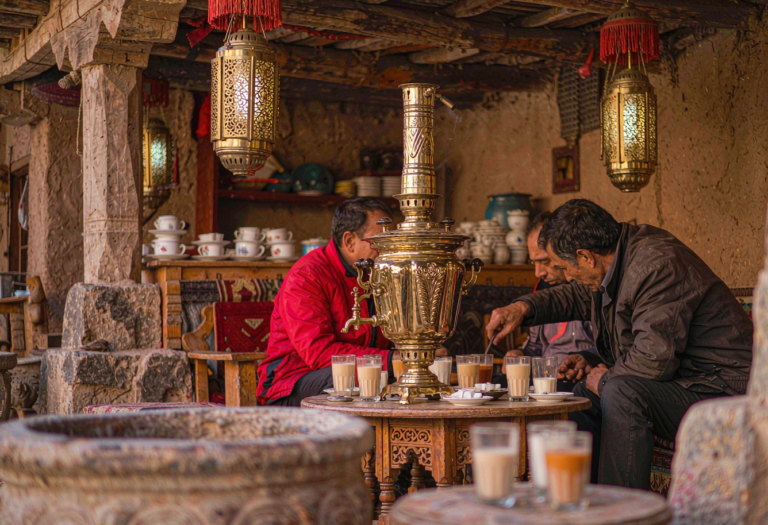
The cha-kanas of Xinjiang are where men talk, trade, and rest. What is poured, how it differs from a cafe, and the etiquette of being served.
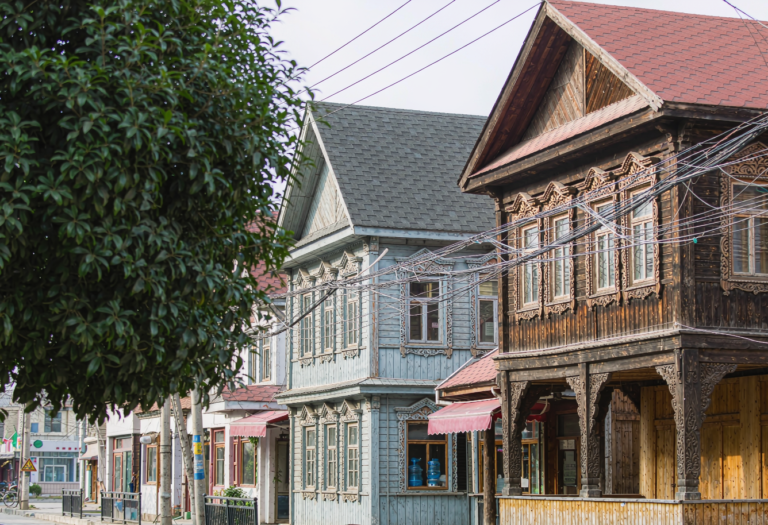
Yining has weathered wooden houses from a Russian past most travelers miss. Where they are, why they survive, and how they fit the city’s mix.
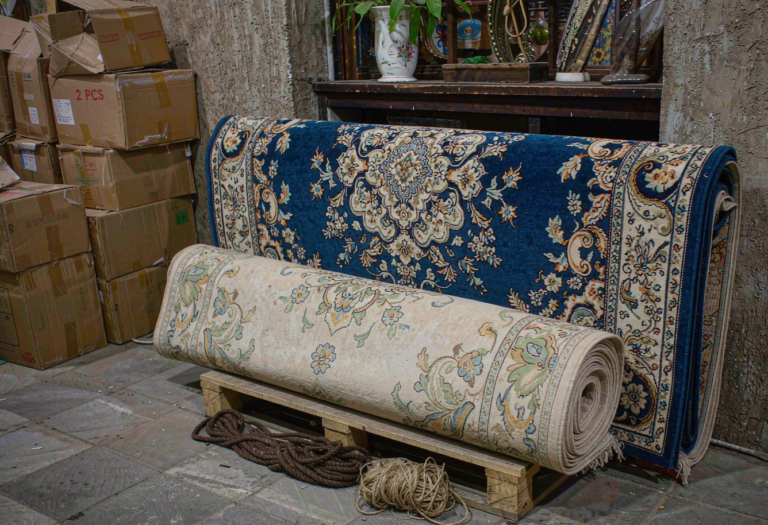
Buying in Xinjiang is easy; getting it home is the hard part. What ships well, what breaks, customs notes, and how I pack a carpet.
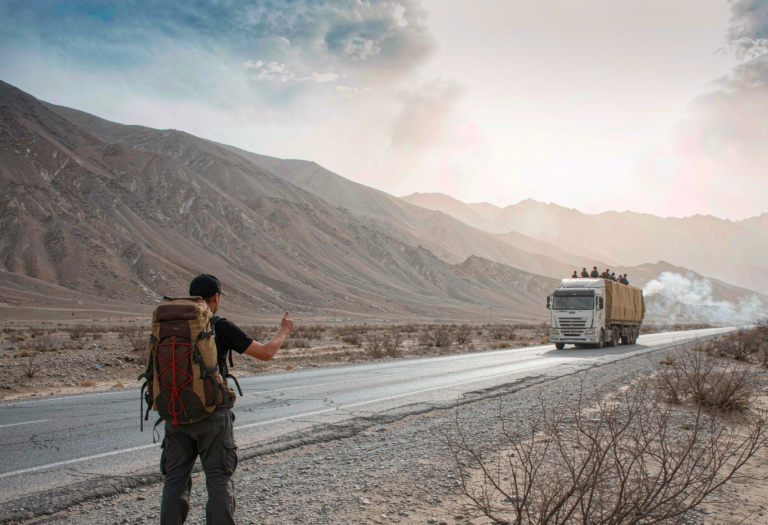
Hitching rides in Xinjiang is slower than driving yourself but full of moments. What I learned riding with strangers, and when to just rent the car.
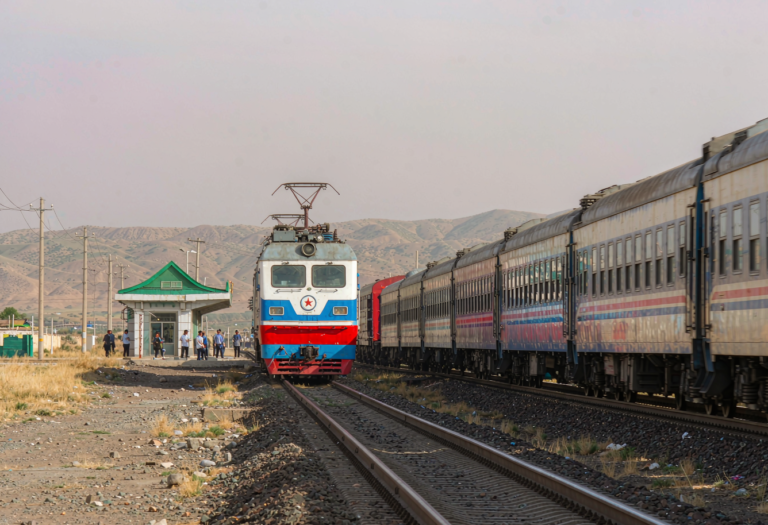
The international train from Urumqi to Almaty is a real border crossing by rail. What the trip is like, what papers you need, and how it compares to flying.
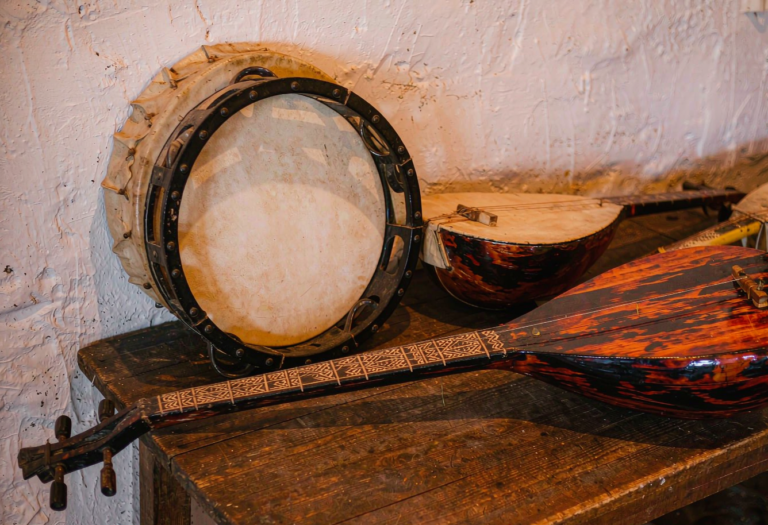
Xinjiang’s music runs on a handful of string instruments. What the dutar, rawap, and satar are, how they sound, and where to hear and buy them.
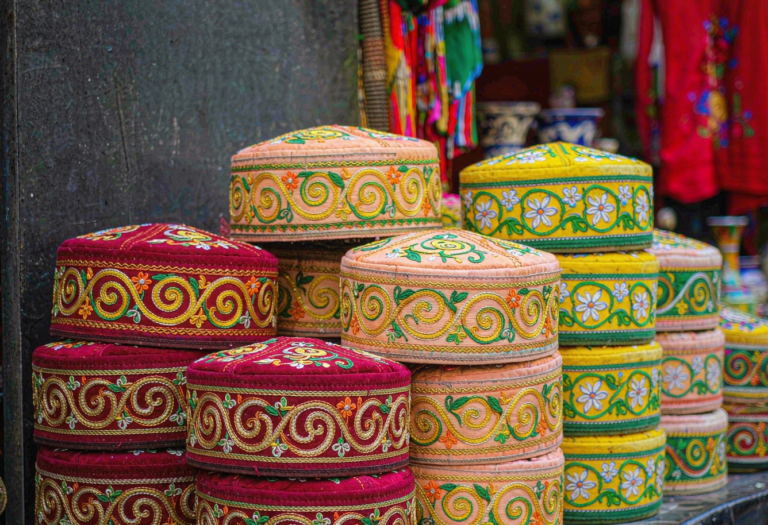
The doppa skullcap is everywhere in Xinjiang. What the embroidery means, how regional styles differ, and how to buy one that is actually made there.
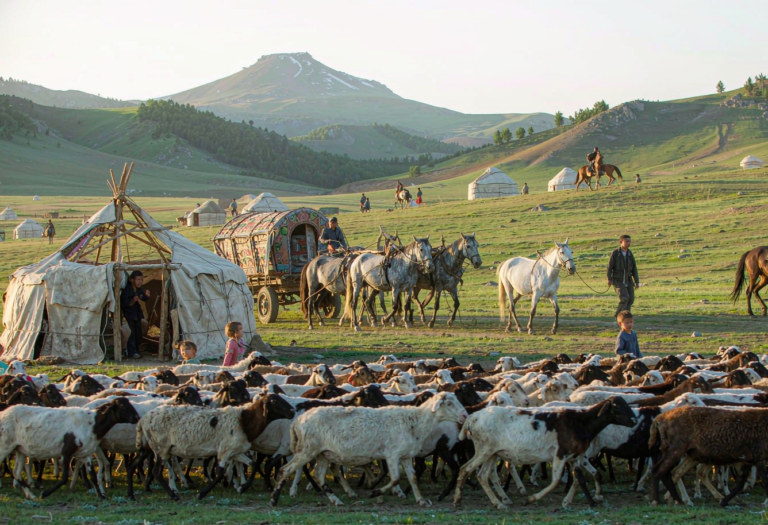
Kazakh and Kyrgyz herders still move with the seasons in Xinjiang. Where and when you can respectfully see the migration without getting in the way.

The hammam in Xinjiang is part bath, part cafe, part meeting place. What to expect, what to bring, and how not to embarrass yourself.
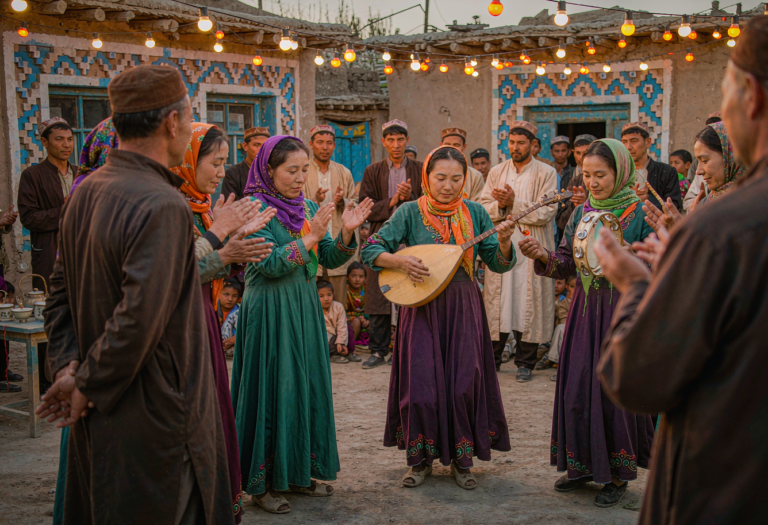
Meshrep is the Uyghur gathering where music, food, and mediation happen at once. Here is what it is, and how a visitor can respectfully see one.