Xinjiang Walnut and Nut Snacks: A Road-Trip Buyer’s Guide
From Hotan walnuts to Ili almonds, nuts are Xinjiang’s best road snack. Where to buy, what to pay, and how locals actually eat them.

From Hotan walnuts to Ili almonds, nuts are Xinjiang’s best road snack. Where to buy, what to pay, and how locals actually eat them.
Xinjiang winter activities: skiing in Altay, hot springs, frozen lakes, snow festivals, and clear-night stargazing. What stays open and how to prep.

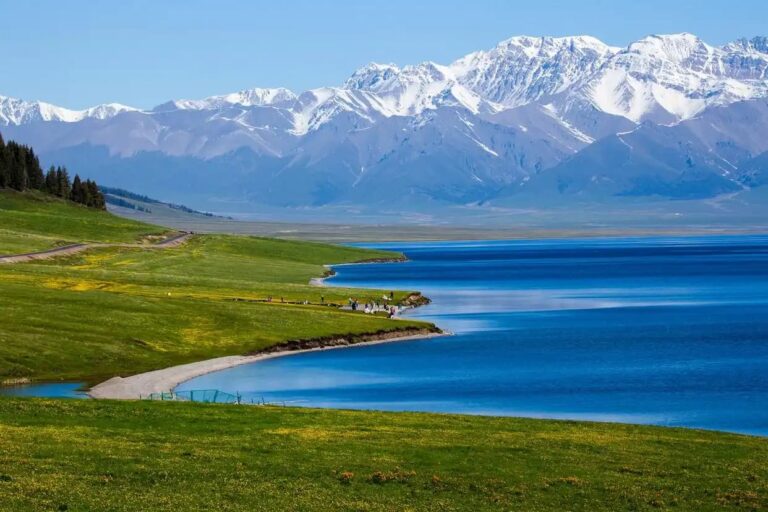
Xinjiang mountain biking pairs empty plateau highways with alpine Tianshan climbs. Best regions, gear list, and a sample Sayram Lake loop for riders.
Xinjiang kiwi from the Tianshan foothills is sweet, local, and cheap in autumn. Where to buy it, when it ripens, and how to eat it on the road.

Xinjiang pottery: a 3,000-year Silk Road craft, how it’s made, regional styles, where to watch it formed, and how to buy genuine pieces.

Inside Xinjiang’s railway stations: hubs, security, food, luggage storage, and how to transfer to the city without losing an hour.

Xinjiang camel milk (chaan): where to drink it, fresh vs powdered, nutrition, and how to buy and carry it home from the desert.
Kalamaili Nature Reserve shelters the world’s last wild horses — Przewalski’s horse (takhi). How to visit, when to see them, and the comeback story.

From Kanas lake trout to Tarim river carp, Xinjiang grilled fish (balik kawap) is a coal-charred staple. Where to eat it, how it’s spiced, and what to order.

In Turpan and Hami, locals swear by sha liaofa: burying aching joints in hot desert sand. Here’s how it works, where to try it, and who should skip it.