Nowruz in Xinjiang: The Silk Road Spring Festival You’ve Never Heard Of
Nowruz, the Persian New Year, lives in Xinjiang’s Uyghur, Tajik and Kazakh communities. When it falls, how it is celebrated, and where to experience it.


Nowruz, the Persian New Year, lives in Xinjiang’s Uyghur, Tajik and Kazakh communities. When it falls, how it is celebrated, and where to experience it.
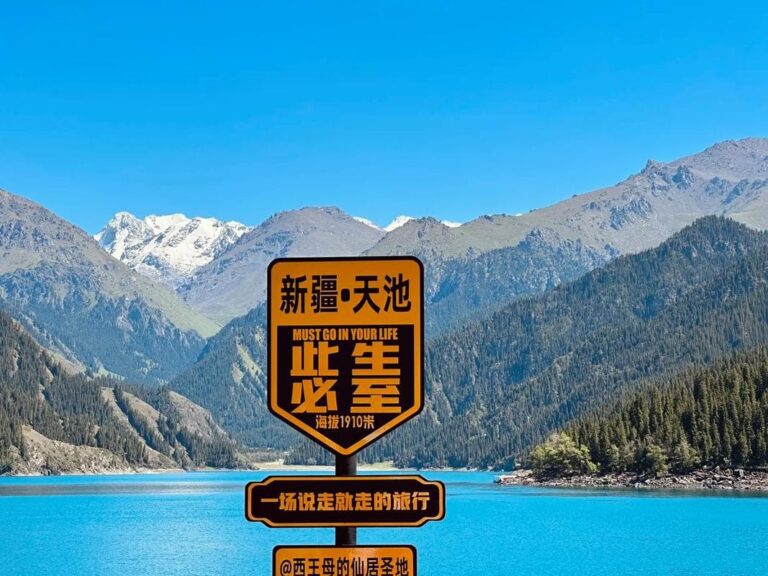
Xinjiang pilaf (polo) is the region’s comfort-food staple — oil-cooked rice with lamb, carrot and raisin. What it is, how it’s made, and where to eat it.
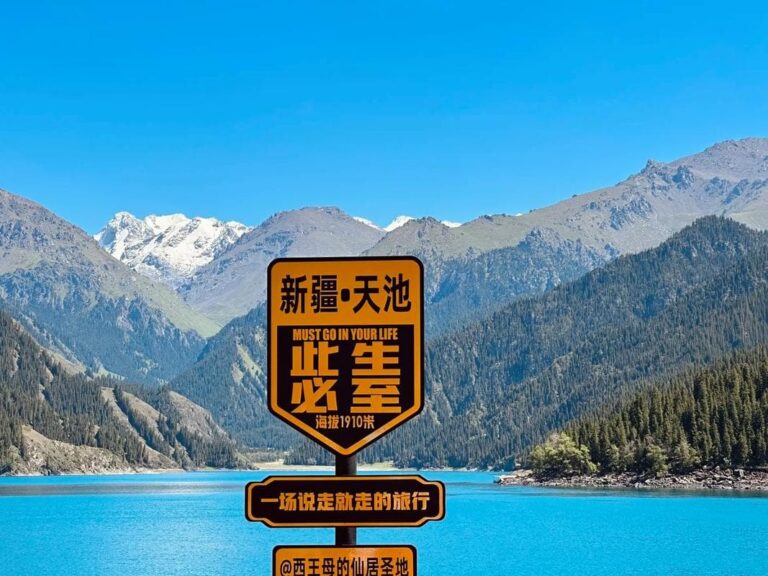
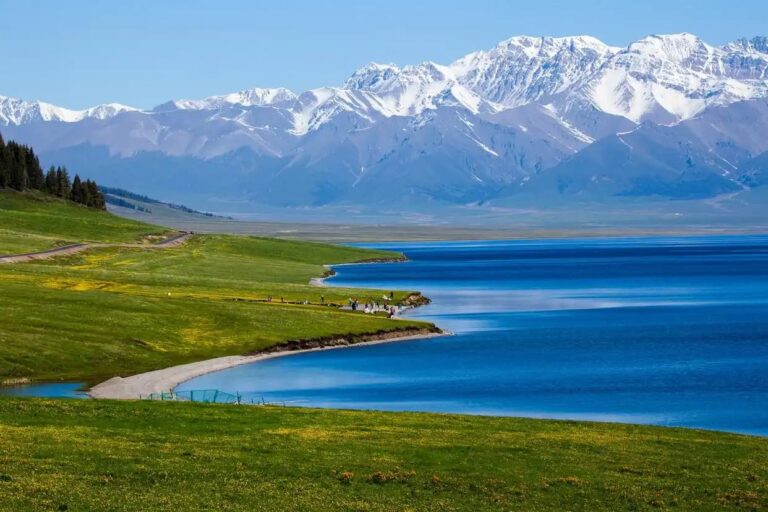
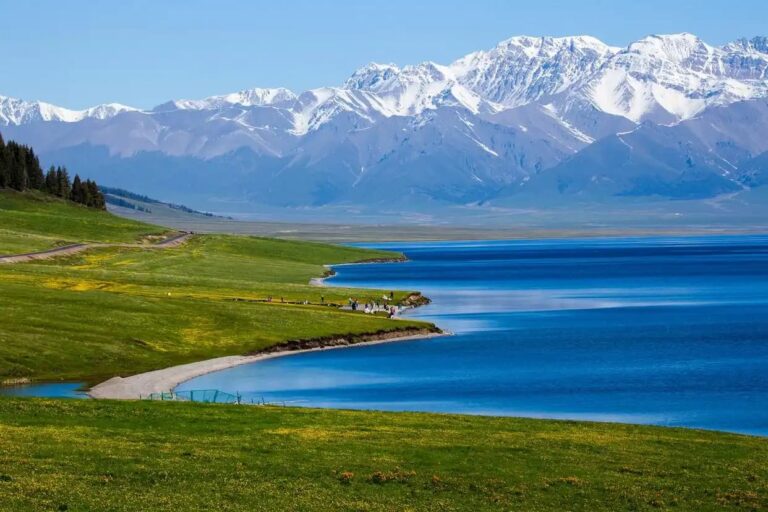
Where to point the camera in Xinjiang: Kanas fog, Sayram reflections, Tianshan ridgelines and the golden-hour timing that turns a good frame into a great one.
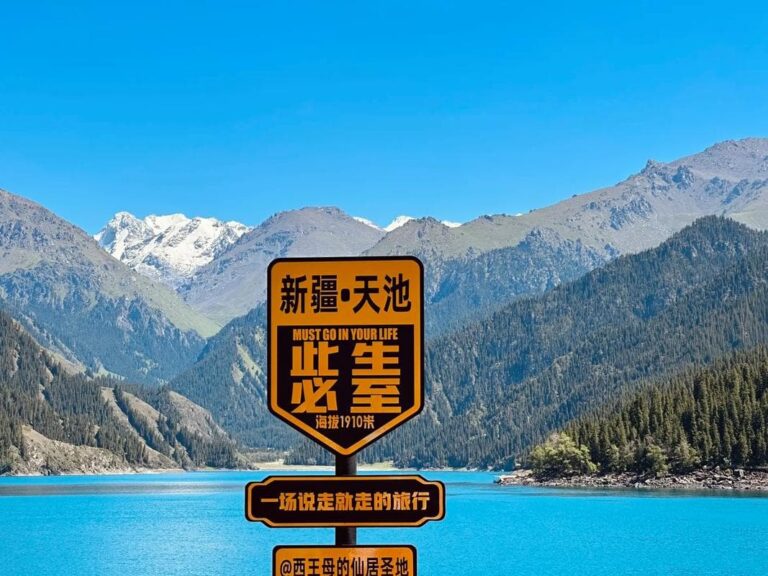
How vegetarians eat well in Xinjiang: which dishes are meat-free, how halal differs from vegetarian, and the phrases that get you a veg plate at any stall.
How tourists pay in Xinjiang in 2026: set up Alipay and WeChat Pay, link a foreign card, find cash when you need it, and avoid the stalls that only take QR.

Where and when to point your camera in Xinjiang — from Kanas mist to Kashgar dust — plus the lightweight gear and light strategy that actually work out here.

How to accept tea, shoes, and generosity the right way in Xinjiang — the unspoken rules of Uyghur, Kazakh, and Han hospitality that make or break a visit.
How to choose, price, and pack Xinjiang’s famous dried fruits and nuts — from Turpan raisins to Hotan walnuts — without getting fooled at the bazaar.

The Bezeklik Thousand Buddha Caves east of Turpan hold 1,000-year-old Uyghur Buddhist murals. How to visit, tickets, and what to combine.

You don’t need fluent Uyghur to travel Xinjiang, but a dozen phrases change how people treat you. Greetings, market talk, and getting unlost.