Xinjiang Camel Milk: The Desert Superfood You Should Try
The first time I was handed a bowl of camel milk in Turpan, I expected something harsh and gamey. What arrived was pale, faintly salty, and surprisingly soft — closer to warm almond milk than the cow’s milk I grew up with. Across Xinjiang, camel milk (chaan in Uyghur) is having a quiet moment: sold chilled at wet markets, frothed into tea by herders, and increasingly packaged as a “desert superfood” in Urumqi supermarkets. Here is the honest traveler’s guide to trying it, buying it, and not wasting your money.
What Is Xinjiang Camel Milk?
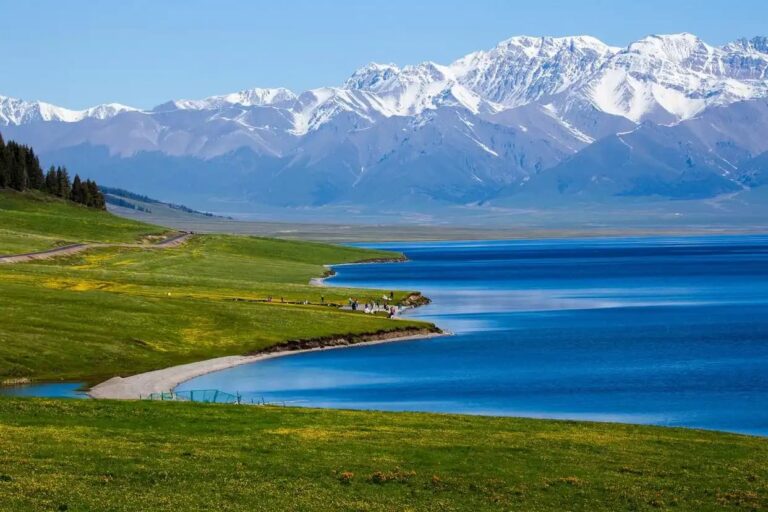
Xinjiang is home to the Bactrian (two-humped) camel, the same animal that carried cargo along the Silk Road for two thousand years. The herds grazing the fringes of the Taklamakan and the juniper slopes of the Pamir produce a small but steady supply of milk. A single camel gives far less than a cow — roughly two to three litres a day versus a cow’s twenty — which is why camel milk has always been a herder’s drink first and a commercial product only recently.
The Two-Humped Source
Most Xinjiang camel dairy comes from household herds in the Turpan Basin, the Kumul (Hami) hinterland, and the Hotan desert edge. The animals eat salty desert shrubs, and that diet shows up in the milk’s mineral, faintly brackish edge. Don’t mistake it for spoilage — that savour is the signature.
Why Travelers Are Drinking It
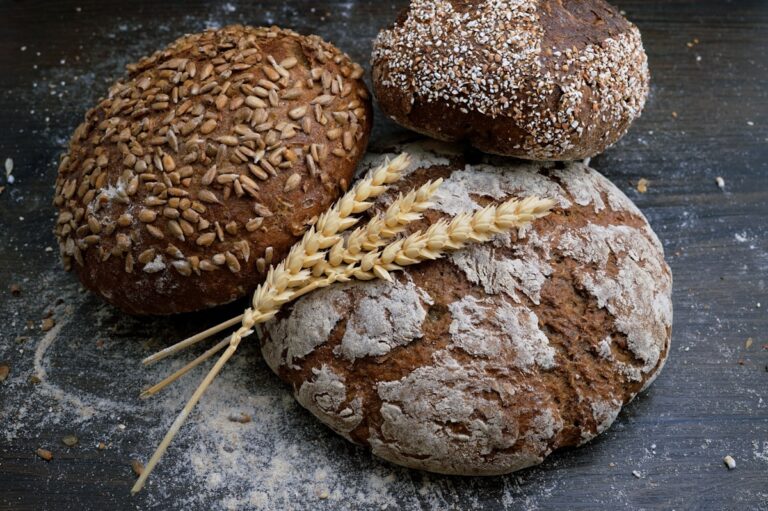
Camel milk is genuinely nutrient-dense: lower in fat than cow’s milk, higher in vitamin C and iron, and rich in unsaturated fats. Nomads have long credited it with steadying digestion and energy on long rides. Whether or not the wellness claims hold up, it is a real, local alternative to the usual bottled drinks, and it pairs beautifully with the region’s flatbreads.
| Nutrient (per 100 ml, rough) | Camel milk | Cow’s milk |
|---|---|---|
| Energy | ~70 kcal | ~60 kcal |
| Fat | ~3 g | ~3.3 g |
| Vitamin C | Present, notable | Trace |
| Lactose | Slightly lower | Standard |
| Iron | Higher | Low |
Where to Find Camel Milk
Fresh milk is seasonal and local — you’ll find it at morning wet markets in Turpan, Kumul, and Hotan, often sold by the litre in recycled bottles. In bigger cities, look for the branded UHT and powdered versions in the dairy aisle of large supermarkets; these travel well and keep for months. Our guide to Xinjiang’s Milk Tea & Yogurt covers the wider dairy family if you want the full picture.
| Form | Best found | Keeps for |
|---|---|---|
| Fresh (raw, chilled) | Turpan / Hotan morning markets | 1-2 days, refrigerated |
| UHT carton | Urumqi / Korla supermarkets | 6-9 months |
| Powder | Souvenir shops, airports | 1-2 years |
| Fermented (kumys-style) | Herder households, rare in shops | Drink same day |
Fresh vs. Powdered vs. Fermented
Fresh milk tastes the most “alive” — grassy, light, a little salty. Powdered camel milk loses some of that character but is the only form you can take home without a cooler. Fermented camel milk (rare outside herder camps) is tangy and fizzy, closer to koumiss than to yogurt. If a vendor offers you the fermented version, say yes — it is the most authentic sip in the region and you may never get it again.
How to Drink It (and Not Wince)
Chill it and drink it plain first, so you learn the baseline flavour. Then try it the local way: warmed with a pinch of salt, or stirred into black tea as a desert latte. I found a splash in strong brick-tea cut the bitterness better than sugar ever did. Avoid boiling it hard — camel milk scorches and turns grainy faster than cow’s milk.
My First Cup in Turpan
A herder outside the grape valleys poured me a bowl straight from a steel jug at sunrise. It was cool, faintly metallic, and strangely comforting after a cold night in the desert. He laughed when I hesitated, then added a date and told me his grandfather drank it before every long crossing. That small ritual — milk, date, silence, the dunes going gold — is the version of Xinjiang I remember best, and it cost less than a coffee.

Buying and Carrying It Home
Powder is your friend for the trip home: sealed tins pass through airport security without fuss and survive the flight. Fresh milk will not — skip it unless you have a cooler and a same-day plan. Check the label for added sugar; the good brands list only camel milk. For a broader edible shopping list, our Xinjiang food guide maps the snacks, fruits, and teas worth the luggage weight.
Pairing Camel Milk With Local Food
Camel milk is not a standalone curiosity — it is a team player. Dribbled over a bowl of hot oatmeal-like sabu (a northern millet porridge) it turns a plain breakfast into something comforting. Splashed into lentil or chickpea soup it adds body without the heaviness of cream. And alongside a plate of dates and walnuts it becomes the closest thing Xinjiang has to a desert cheeseboard. The trick is to treat it like a savoury cream, not a sweet drink, and let the salt in the milk do the seasoning.
Breakfast the Desert Way
In herder households the morning routine is simple: a flatbread torn into a bowl, warm camel milk poured over it, and a date or two for sweetness. It is filling, cheap, and exactly the fuel a cold dawn in the Pamir demands. You can recreate a version in any city hotel room with supermarket powder, a travel kettle, and a nan from the corner bakery — a small ritual that connects you to the landscape even on a layover.
A Note on Price and Fakes
As camel milk’s reputation grew, so did the fakes. Some “camel milk” powders are mostly cow’s milk with a splash of camel and a lot of sugar. Read the ingredient list: the good tins say pure camel milk (骆驼奶) and nothing else. Price is a clue too — genuine camel milk costs noticeably more than cow’s milk because the yield is so low, so a suspiciously cheap “camel” product is almost certainly padded. Buy from a proper supermarket or a recognised brand rather than a market stall pushing unlabelled bags.
Who Should Skip It
Camel milk is not for everyone. Anyone with a confirmed dairy allergy should avoid it — it is still milk, and the proteins can trigger the same reaction. People on strict low-sodium diets should note the natural salt content, and the unpasteurised fresh version is a poor choice for pregnant travellers or anyone immunocompromised. For the rest of us, in moderation, it is a safe, genuinely local experience worth one adventurous morning.
The money side of it
| Item | What it costs | Note |
|---|---|---|
| cheapest | varies | Direct from desert-edge markets in Turpan or Hotan, where a litre of fresh milk can cost less than a bottled water in a tourist cafe. Supermarket powder is mid-priced; airport tins are the priciest. |
The numbers above are what I paid on my own trips; add roughly a fifth for a private car and driver if you are travelling with someone else. Anything marked roughly is a bazaar price in high season, and it moves with demand.