Nowruz in Xinjiang: The Silk Road Spring Festival You’ve Never Heard Of
The first day of spring on the Silk Road does not arrive quietly. In the bazaars of Kashgar and the orchards of the Ili Valley, tables fill with sprouted wheat, sweet porridge, and the sound of the dutar. This is Nowruz — the Persian New Year that Central Asia carried east for more than two thousand years, and that Xinjiang’s Uyghur, Tajik, and Kazakh communities still celebrate with real warmth.
What Is Nowruz, and Why Does Xinjiang Celebrate It?
Nowruz (نەۋرۇز, “new day”) marks the spring equinox, usually around March 21. It predates Islam and comes from Zoroastrian and Persian traditions that spread across the Silk Road. In Xinjiang it survived as a secular, agricultural festival — a moment to welcome the thaw, bless the fields, and visit family. For travelers, it is one of the most genuinely local events you can stumble into.
What I love about Nowruz in Xinjiang is that it is not staged for tourists. The celebrations are domestic and neighborhood-based: families clean their homes, cook special foods, and open their doors. If you are invited to join, it is a real gift.
When Is Nowruz Celebrated in Xinjiang?
The core date is the equinox, but festivities stretch for several days and sometimes a week, especially in the Ili Valley where the weather turns first. Here is the rough calendar of what you might catch.
| Event | Typical date | Where it is strongest |
|---|---|---|
| Nowruz Eve family meal | March 20 | Everywhere with Uyghur/Tajik homes |
| Equinox day gatherings | March 21 | Kashgar, Yining, Tashkurgan |
| Sumalak cooking night | 1–2 days before | Ili Valley, Uyghur neighborhoods |
| Outdoor horse games | Weekend nearest the 21st | Kyzil-su, Ili grasslands |
How Uyghur, Tajik, and Kazakh Communities Mark the Day
Each group brings its own flavor. Uyghur families focus on the home and the table; Tajiks of the Pamir add music and communal outdoor events; Kazakhs tie it to the wider spring round of pasture life. The through-line is renewal — cleaning, gifting, and eating together.
Sumalak and the Women’s Gathering
The most distinctive ritual is sumalak, a sweet paste made only from sprouted wheat, water, and patience. Women gather the night before Nowruz to stir a giant cauldron for hours until it thickens into a dark, malty porridge. Men are usually banned from tasting until it is done — it is a celebration of collective, patient work, and the result is unlike anything else you will eat in the region.
Horse Games and Outdoor Feasts
Around the Pamir and the western grasslands, Nowruz spills outdoors. You may see buzkashi-style horse games, wrestling, and impromptu concerts of the rawap and dutar. Families lay out picnics of polo, naan, and dried fruit on the first warm grass of the year.

Nowruz Foods You Should Try
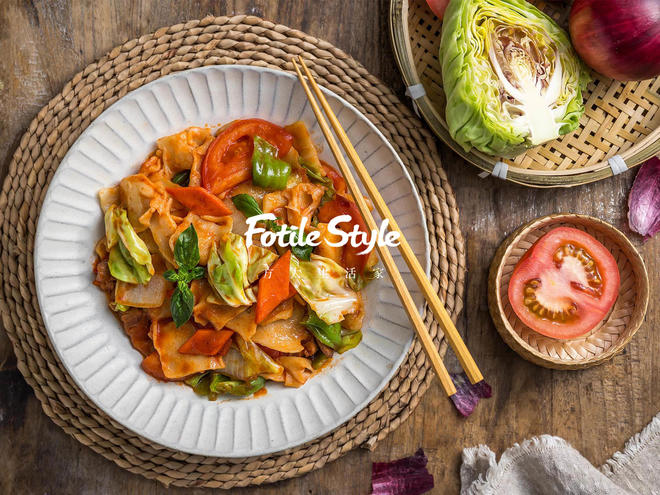
Beyond sumalak, the Nowruz table is a showcase of spring ingredients. These dishes are worth seeking out if your visit overlaps the festival.
| Dish | What it is | Why it matters at Nowruz |
|---|---|---|
| Sumalak | Sprouted-wheat sweet paste | The signature ritual food |
| Samanu / wheat pudding | Slow-cooked wheat sweet | Symbol of abundance |
| Polo (pilaf) | Oil-cooked rice with lamb | Shared family centerpiece |
| Fresh herbs & greens | Wild onion, sprouts | First taste of spring |
Where to Experience Nowruz
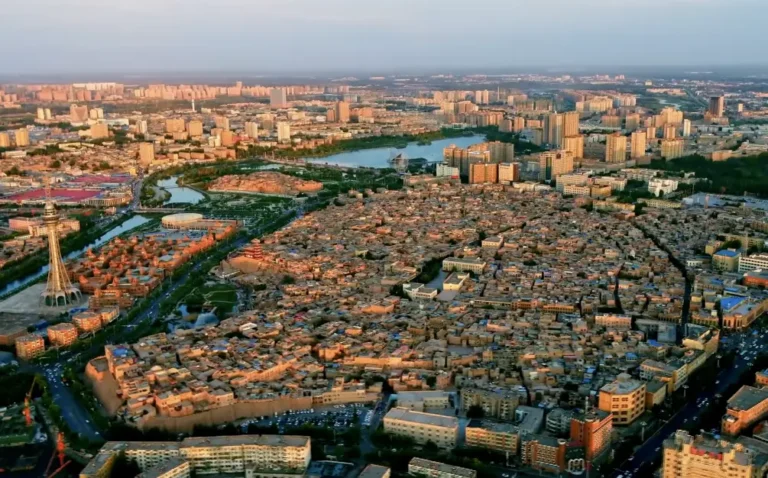
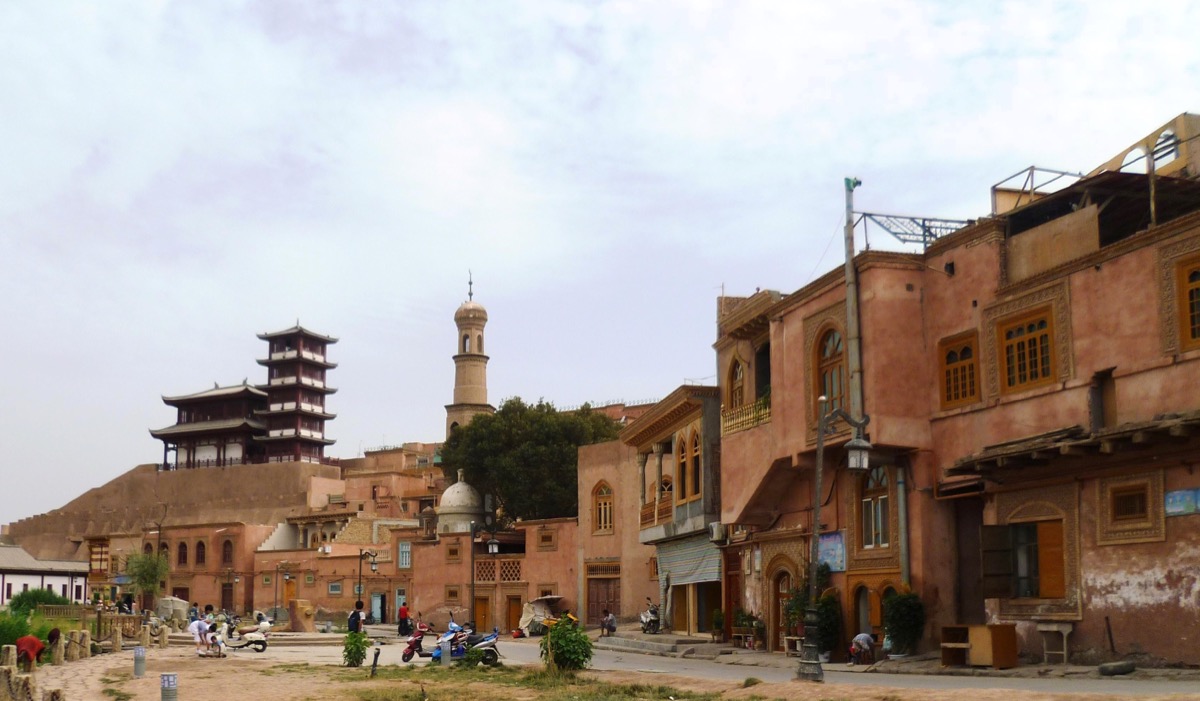
If you want to feel the festival rather than just read about it, two areas are your best bets. The old city of Kashgar comes alive with door decorations and food, while the Ili Valley (Yining and the surrounding counties) has the deepest spring-equinox traditions and the most visible sumalak nights.
Kashgar and the Ili Valley
In Kashgar, wander the side streets off Id Kah Square in the evening; you will smell sumalak cooking and hear music from open doors. In Yining, ask at your guesthouse about neighborhood gatherings — locals are often happy to point you toward a real one, and the maze of lanes around the old city is where most of it happens.
Travel Tips for Visiting During Nowruz
Nowruz is a public-holiday period, so transport and hotels get busy for a few days around the 21st. Book beds and train tickets early, and remember that some shops close while families celebrate — but restaurants and food stalls stay busy. Dress for variable March weather: warm days, cold nights, and occasional snow in the north and Pamir.
Nowruz vs. Other Xinjiang Holidays
Travelers sometimes confuse Nowruz with the region’s Islamic holidays, but the tone is different. Eid al-Fitr and Eid al-Adha (Corban) are religious, marked by prayers and family meals; the Turpan Grape Festival is a later-summer tourism event. Nowruz falls earlier, is secular and agricultural, and is more about neighborhood cooking than public spectacle. Knowing the difference helps you read the calendar and decide what to show up for.
Symbols You Will Notice
Look for a few recurring motifs during the days around the equinox: bowls of sprouted wheat on windowsills, freshly cleaned and decorated doorways, and shared platters of the season’s first greens. In the Ili Valley you may also see decorated horses and small woven gifts exchanged between families. None of it is heavy with ritual — it reads more like a collective spring cleaning of the spirit than a formal ceremony, which is exactly why it feels welcoming to outsiders who stumble in.
What to Pack for a Nowruz Visit
March in Xinjiang is fickle. Bring a warm layer for cold nights, comfortable shoes for walking the old-city lanes, and a small gift of fruit or sweets if you are invited into a home — reciprocity is appreciated and rarely refused. A translation app helps, since much of the celebration happens in Uyghur rather than Mandarin. Most importantly, bring patience and curiosity: the best moments are unplanned, and the door that opens to you is the real prize.
For timing the rest of your trip around local events, our Xinjiang festivals calendar and our best-time-to-visit guide lay out the full year of celebrations and shoulder seasons.
Straight answers to what visitors ask
Is Nowruz a religious holiday in Xinjiang?
Largely no. It is a pre-Islamic spring festival rooted in Persian and Central Asian culture. Communities of different backgrounds celebrate it as a cultural and seasonal event rather than a strictly religious one.
Will I be able to see sumalak being made?
Often, yes, if you are in the Ili Valley or a Uyghur neighborhood around March 19–21. It is usually a neighborhood, not commercial, event — friendliness and a little Mandarin or Uyghur goes a long way toward an invitation to watch or taste.
Is it a good time to travel to Xinjiang?
For culture, yes; for weather, it is a transition month. Roads in the north can still be closed by snow, and it is chilly at night. If festivals are your goal, the trade-off is worth it. Otherwise, late spring is more comfortable for scenery.
Are shops and attractions open during Nowruz?
Major attractions generally stay open. Small family shops may close for a day or two as owners celebrate, but food stalls, bazaars, and restaurants remain active — this is, after all, a food-forward holiday.
How is Xinjiang Nowruz different from Iranian Nowruz?
The equinox date and the spirit of renewal are shared, but Xinjiang’s version blends Uyghur, Tajik, and Kazakh customs, features sumalak and horse games, and is celebrated as a local cultural festival rather than the national holiday it is in Iran.