Xinjiang in Winter: 12 Things to Do When the Snow Comes
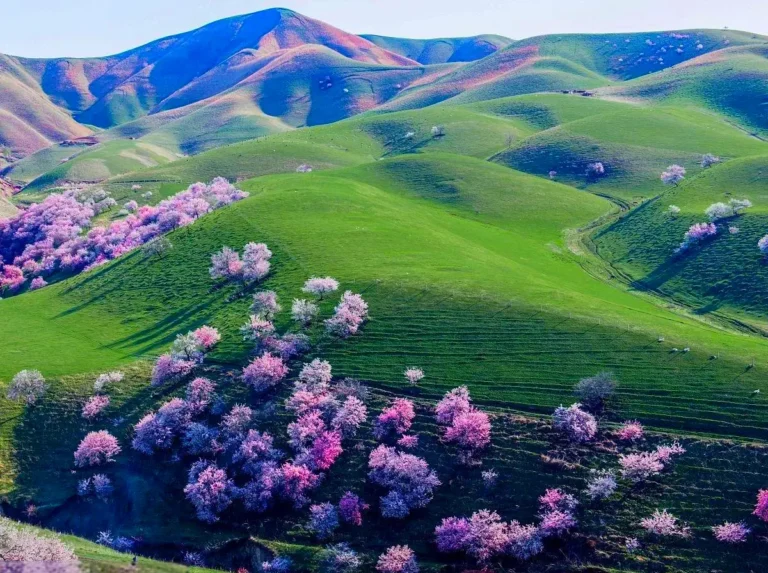
Most people picture Xinjiang in summer — green pastures, open highways, fruit stalls. I went in January instead, and it turned out to be one of my favorite trips. The crowds vanish, prices drop, and the same mountains become a quiet snow playground. Xinjiang winter activities range from serious skiing to slow, cozy experiences you simply cannot have in peak season, and with the right clothing the cold is manageable.
Why Visit in Winter
Winter means empty roads, cheap hotels, and clear, dramatic light on the snow ridges. The trade-off is that some high passes and a few scenic areas close, and you need real cold-weather gear. For travelers who dislike crowds, it is the best-kept secret in the region. Our best time to visit guide breaks down what stays open month by month.
What the cold actually feels like
In the north (Urumqi, Altay, Ili) expect -15C to -25C, sometimes colder in Altay. The south (Kashgar, Turpan) is milder but Turpan’s wind cuts sharp. Dress in layers, cover extremities, and you will be fine walking for hours.
Top Things to Do
| Activity | Where | Best for |
|---|---|---|
| Downhill & backcountry skiing | Altay (General Mountain), Urumqi (Baiyanggou) | Skiers |
| Hot springs | Wenquan, Tianshan foot | Relaxation |
| Ice skating & frozen lakes | Sayram, Ulungur | Families |
| Snow festivals & ice lanterns | Urumqi, Altay | Photography |
| Winter bazaars & food | Kashgar, Urumqi | Food lovers |
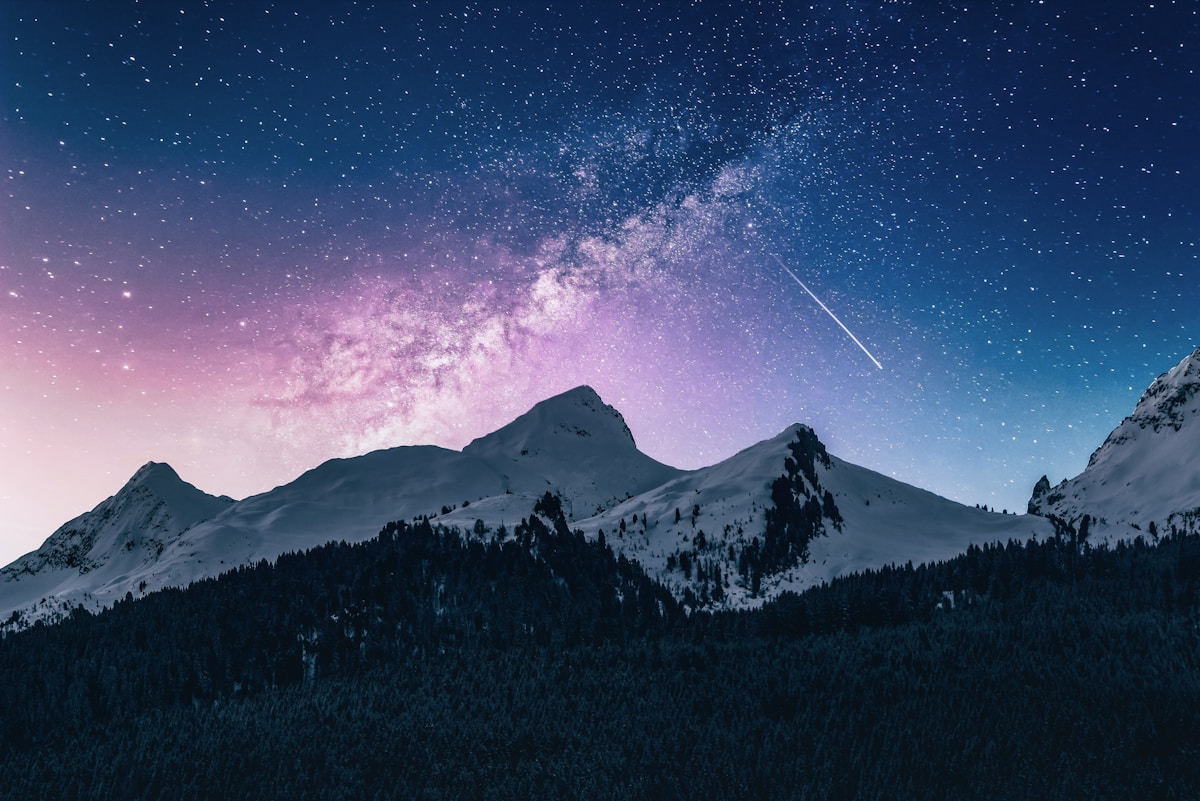
| Stargazing on clear nights | Pamir, desert fringe | Astrophotography |
Skiing and Snow Sports
Altay is promoted as a birthplace of skiing, and the powder is dry and deep. Resorts are smaller than Europe’s but uncrowded and cheap. Urumqi has the most accessible slopes for a quick day trip. Bring your own gear if you are picky; rentals are basic but usable. Most resorts offer half-day lessons in Mandarin, and English instruction is hit or miss, so book through your hotel concierge if you need a translator. Lift lines are short even on weekends, which is the real luxury compared with crowded destinations elsewhere.
Hot springs under the snow
After a cold day, a geothermal soak is the move. The Wenquan area and several Tianshan-foot resorts pipe naturally warm mineral water into outdoor pools surrounded by snow — a genuinely restorative experience and a staple of local winter life.
Festivals and Markets
Winter is also the season of indoor warmth: tea houses, nan bakeries, and heated bazaars. Around the Lunar New Year you may catch ice-lantern displays and local performances. The food shifts heavier — think lamb stew, hand-pulled noodles, and the hot, filling dishes covered in our winter foods guide.
Photography in the Cold
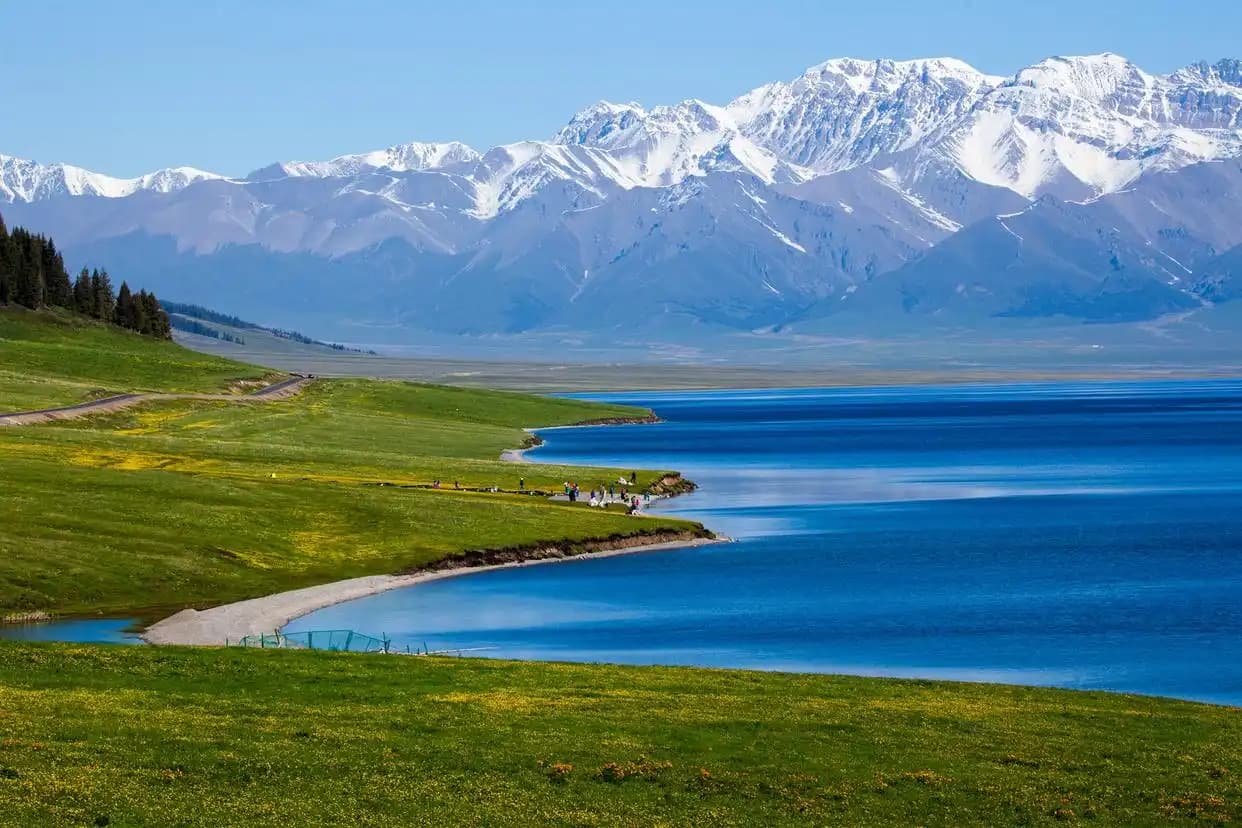
Snow amplifies light but drains batteries fast. Keep a spare battery in an inside pocket, and shoot in the soft blue hour after sunset when the ridges glow. The Pamir and open desert offer some of the clearest night skies of the year — bring a sturdy tripod. Lens fog is the quiet enemy: when you move from cold outside to a warm teahouse, seal the camera in your bag for twenty minutes before opening it so condensation forms on the bag, not the glass.
Practical Winter Prep
| Gear | Notes |
|---|---|
| Insulated boots + crampons | Ice on stairs and trails |
| Down jacket + wind shell | Layering is non-negotiable |
| Hand/foot warmers | Cheap insurance for long days out |
| Snow tires if driving | Required on passes; see winter driving guide |
Hot Springs: The Winter Ritual
If you do only one winter activity, make it a hot-spring soak. The Wenquan area and several Tianshan-foot resorts pipe naturally warm mineral water into outdoor pools ringed by snow. After a day of cold walking or skiing, sinking into 38C water while your shoulders meet winter air is the single most restorative thing I did on the trip. Go midweek to avoid local weekend crowds, and bring flip-flops and a robe — the walk between indoor changing rooms and the outdoor pool is brisk. Most resorts have simple food halls and tea, so you can linger for hours.
Etiquette at the springs
Shower before entering, keep voices low, and do not treat the pool as a swimming pool. Mixed and single-sex areas vary by venue; follow the signs. Photography is usually discouraged, so enjoy the moment rather than the feed.
Winter Food and Drink to Warm Up
The regional table turns hearty in cold months. Lamb stew with carrots and potato, hand-pulled laghman noodles, and the savory nan dipped in broth are daily fuel. Wash it down with milk tea (salty suutei-style or sweet chai) and finish with dried fruit and nuts. Street vendors sell roasted seeds and sweet potatoes that smell like the season itself. If you want the full cold-weather menu, our winter foods guide maps the dishes worth chasing.
Getting Around in Winter
Trains run normally and are the most reliable way between cities. Buses operate but thin out on mountain routes. Self-driving is rewarding if you have snow tires and chain awareness; some passes close overnight, so check the morning road report and never let the fuel drop below half a tank in remote areas. In cities, ride-hailing apps work, but expect slower pickup in the cold small hours.
Flight and road notes
Winter flights are cheaper and less delayed than holiday peaks, but a snowstorm can ground them for half a day. Build buffer into any tight connection, especially if you have an international departure from Urumqi.
Winter Costs and Crowds
This is the budget season. Hotel rates in many cities fall 30 to 50 percent versus summer, and attraction tickets are often discounted or include off-season perks. The trade is fewer open services in mountain areas. If you want empty sites and low prices and do not mind the cold, January and February are the sweet spot; December and March straddle the shoulder with slightly more open but still quiet conditions.
Family and Solo Travel Notes
Families do well with hot springs, frozen-lake skating, and indoor bazaars — easy, warm, and photogenic. Solo travelers get the best of the quiet, but should tell someone the day’s route, carry a power bank, and avoid unplowed back roads alone. Winter is forgiving in the cities and demanding in the backcountry; match your ambition to your gear and experience.
Common questions
Is Xinjiang worth visiting in winter?
For skiers, photographers, and crowd-averse travelers, absolutely. You get lower prices, empty sites, and dramatic snow scenery that summer cannot match.
Which areas stay open?
Cities, major resorts, and southern sites like Kashgar stay open. Some high passes and a few alpine scenic areas close with snow — check ahead.
How cold does it get?
North can hit -25C, especially in Altay. The south is milder. Proper layering makes both comfortable for daytime exploring.
Can I still see the famous lakes?
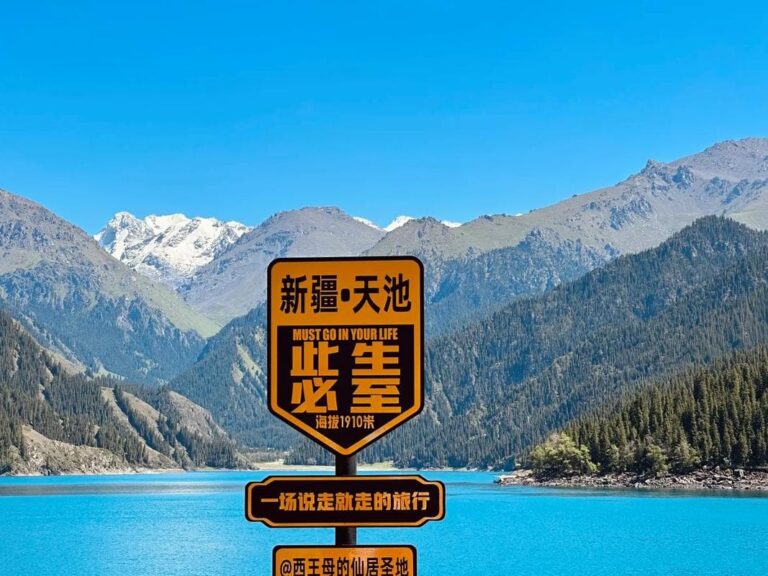
Yes, frozen. Sayram and Ulungur freeze into vast ice plains great for skating and photos, though boat tours stop for the season.
Is winter driving safe?
With snow tires and chain awareness, main routes are fine. High passes can close overnight; carry food, water, and a full tank.
What should I pack for winter travel?
Insulated boots, a real down jacket, wind shell, warm gloves, and battery warmers for devices. Layers beat one heavy coat.