Xinjiang Dinosaur Fossils: A Guide to the Region’s Jurassic Basins and Where to See Them
Long before Silk Road caravans crossed Xinjiang, dinosaurs walked its basins. As a traveler who has stood on cracked Jurassic mudflat staring at a three-toed footprint the size of a dinner plate, I can tell you the region’s deep-time story is as dramatic as its human history. This guide covers where Xinjiang’s dinosaurs were found, where you can see the bones today, and how to build a fossil-themed side trip into a normal itinerary. Few regions on Earth pack so much geologic time into drives you can actually make by car.
Xinjiang’s Jurassic Past
During the Jurassic and Cretaceous periods, much of what is now Xinjiang was a warm, lake-studded floodplain — perfect dinosaur habitat. Over millions of years, sediments buried their remains, and the region’s dry climate helped preserve them. Today the Junggar and Tarim basins are among China’s richest dinosaur territories.
Major Dinosaur Sites in Xinjiang
| Site / Basin | Region | Notable finds |
|---|---|---|
| Jiangjunmiao (Junggar) | Changji / Fukang area | Mamenchisaurus, sauropod giants |
| Wucaiwan “Red Bed” | Jimsar, east Junggar | Wucaiwanosaurus, early Cretaceous |
| Turpan Basin | Turpan Prefecture | Turpanosaurus, Xinjiangtitan |
| Tiertan / Hokan | East Junggar | Paraceratherium relatives, early mammals |
Several of these yielded specimens now housed in Urumqi and Beijing, but the landscapes themselves are open and visitable. Many sites sit within a half-day drive of a major city, which makes Xinjiang unusually friendly for casual fossil interest rather than hardcore expeditioneering.
The Junggar Basin Discoveries
The Junggar Basin is the headline act. Expeditions here in the 20th and 21st centuries uncovered some of the longest-necked sauropods on record. Driving the desert highways northeast of Urumqi, you pass within striking distance of the very badlands where crews still dig. I joined a guided geology day out of Fukang and was shown trackways preserved in what was once lake shore.
Turpan and the Turpanosaurus
The Turpan area — better known for the Flaming Mountains and grape valleys — also sits atop dinosaur-bearing rock. The genus Turpanosaurus was named from here, and the surrounding red cliffs are the same “red beds” that yield fossils across the basin. Pair a Turpan cultural trip with a stop at the local geology exhibits.
Where to See Fossils Today
| Place | What you’ll see | Good for |
|---|---|---|
| Xinjiang Museum (Urumqi) | Mounted sauropod skeletons, exhibits | Easy, air-conditioned, central |
| Jimsar / Wucaiwan field sites | Guided badland tours, trackways | Serious enthusiasts |
| Turpan museums | Regional fossil displays | Combine with Silk Road sights |
First-Person: Standing in the Junggar Basin
What surprised me most was the silence. With the wind gone, the red-brown mudstone stretches to a shimmering horizon and you realize the “rocks” underfoot are layered time. Our guide pointed out a ripple-mark slab — the floor of a 160-million-year-old lake. That tangible connection beat any museum glass case.
Planning a Fossil-Themed Trip
| Season | Suitability | Tip |
|---|---|---|
| May–Jun | Excellent | Mild, long daylight |
| Jul–Aug | Hot but doable | Go early morning; carry water |
| Sep–Oct | Excellent | Cool, clear skies |
| Nov–Apr | Poor | Cold, some sites inaccessible |
For timing across the wider region, the best-time-to-visit guide helps you slot a basin day into a shoulder-season route.
Ethical Fossil Hunting: Leave No Trace
It is tempting to pocket a “cool rock,” but removing fossils is both illegal and destructive to science. Photograph, don’t collect. If you find something clearly significant, note the GPS and report it to the nearest museum or ranger. Responsible curiosity keeps these sites open.
Combining Fossils With Other Attractions
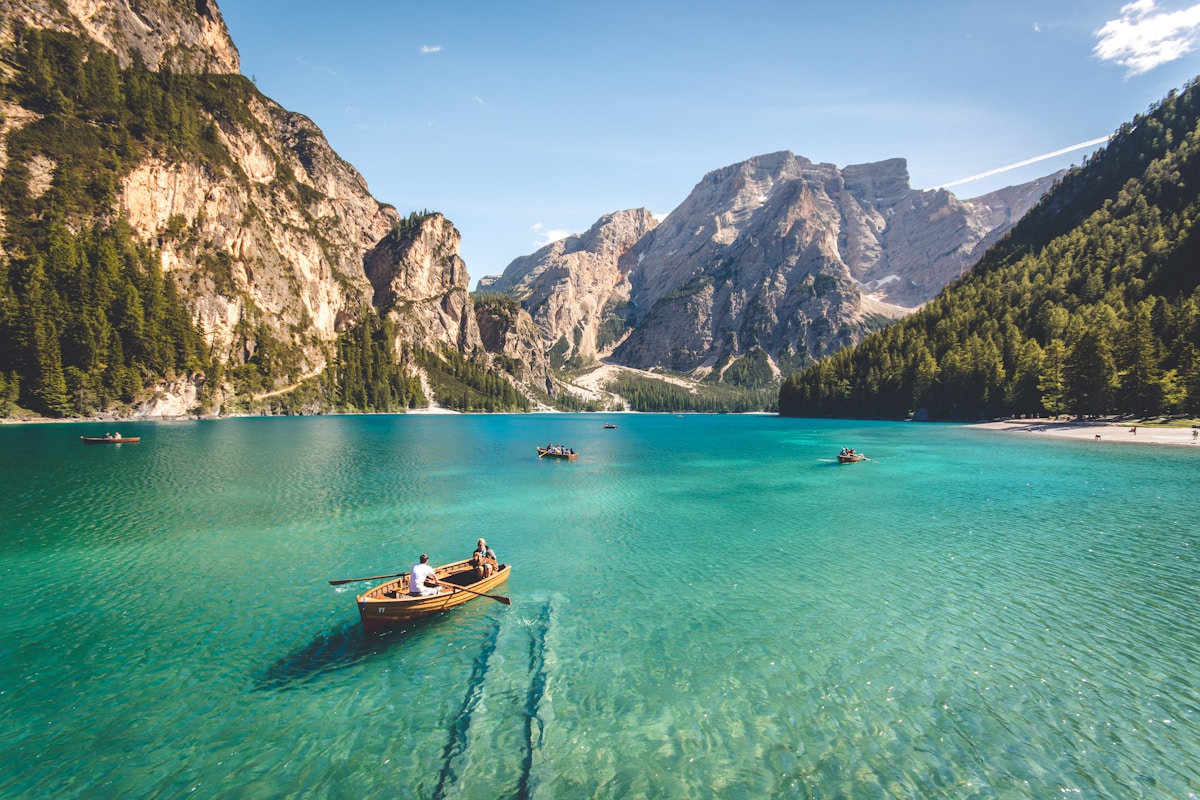
The Junggar sites lie on natural loops between Urumqi, Fukang (Heavenly Lake), and the Turpan corridor. A realistic plan: two days Urumqi museums and Heavenly Lake, one day guided geology east of Fukang, then south to Turpan. You get dinosaurs and Silk Road in a single week.
What You Won’t Find
Despite the hype, you will not see dinosaurs “in the wild” — only bones, tracks, and casts. And no, the Flaming Mountains are red sandstone, not fossil beds, though they share the same dramatic redness that makes the basin so photogenic.
What the Fossils Actually Tell Us
Dinosaur bones are not just curiosities; they are data. The mix of giant sauropods and smaller predators in the Junggar Basin points to a lush, well-watered ecosystem, while the same layers’ pollen records trace how it slowly dried out over millions of years. Standing on that mudflat, you are reading a climate diary written in stone.
How the Dinosaurs Disappeared Here
Like everywhere else, Xinjiang’s dinosaurs ended with the end-Cretaceous extinction roughly 66 million years ago. The red beds that hold their bones also preserve the environmental shift that preceded it — a useful reminder that these basins are textbooks, not graveyards, and that the story continues long after the last dinosaur.
Museum or Field Site: Which Should You Choose?
If your time is short or the heat is extreme, the Urumqi museum delivers the wow-factor with mounted skeletons and air conditioning. If you want the pilgrimage feeling of standing where the bones were found, budget a guided basin day and accept the discomfort as part of the reward. Many travelers do both: museum context first, then the landscape itself.
A Basin Day-Trip Packing List
If you join a guided geology outing: bring more water than feels necessary, a brimmed hat, sturdy closed shoes for loose scree, and a fully charged phone (signal is patchy). A notebook for rubbings of ripple marks and a zoom lens make the experience richer. Leave the rock hammer at home — collecting is prohibited.
Best Bases for a Fossil Trip
Urumqi is the natural hub: flights, the regional museum, and easy road access to Fukang and the Heavenly Lake loop. From there, Turpan to the south adds a second fossil-bearing basin and a completely different cultural layer. A realistic five-day skeleton of a trip is two nights Urumqi, one guided basin day, then two nights Turpan.
Guided vs Independent
The museums are fully independent. The field sites, however, reward a guide: local geology students or tour operators know which outcrops are open, where trackways are visible, and how to read the terrain. I found that a half-day guide turned a confusing hillside into a clear story of ancient lake and floodplain, and answered questions no placard could.
Questions people keep asking me
Can I dig for dinosaurs in Xinjiang?
Not independently. Only permitted research teams excavate. Travelers can join guided interpretive tours that visit exposed trackways and viewing areas.
Is there a dinosaur museum in Urumqi?
The Xinjiang Museum in Urumqi displays regional dinosaur skeletons and is the easiest place to see real specimens without leaving the city.
Are the sites family-friendly?
Guided badland tours can suit older children, but the remote sites involve heat and rough ground. The Urumqi museum is the best bet with young kids.
Do I need a 4×4 to reach the basins?
The main viewing areas are reachable by normal car on paved roads; deep field sites require a guide with appropriate vehicles.
When is the best weather for a fossil trip?
Late spring and early autumn offer the most comfortable conditions and avoid the basin’s brutal summer heat.
Are fossils protected by law?
Yes. Removing or selling paleontological specimens is prohibited; always photograph rather than collect.