Chasing Xinjiang’s Waterfalls: Alpine Cascades, Seasonal Flows and Where to Find Them
I had read about Xinjiang’s lakes and deserts for years before I learned it also has waterfalls — not the thundering tropical kind, but thin, silver ribbons that spill off the Tianshan and Pamir snowfields for a few weeks each summer. They are easy to miss if you visit in the wrong month, and unforgettable if you time it right. Here is how to find them.
Why Xinjiang’s Waterfalls Are Seasonal
Almost every waterfall here is snowmelt-fed. The “source” is not a spring but the winter snowpack on the high ranges, released as temperatures climb. That means the flows peak in late May through July and can shrink to a trickle or vanish by September. A cascade that roars in June may be a dry rock face in October. Plan around the melt, not the calendar.
The Cascades Worth the Detour
| Waterfall / Area | Range | Best Month | Access |
|---|---|---|---|
| Sayram Lake outlet streams | Tianshan (west) | Jun-Jul | Drive the ring road |
| Heavenly Lake (Tianchi) falls | Bogda, Tianshan | May-Jul | Cable car + walk |
| Kanas side streams | Altai | Jun-Aug | Park shuttle |
| Guozigou ravine drops | West Tianshan | Jun-Jul | Viewpoint pull-off |
Around Sayram Lake and the Guozigou
The alpine gem of Sayram sits in a bowl fed by melt, and the small streams that leave it drop through the surrounding ravines in early summer. More dramatic are the falls in the Guozigou gorge on the road from Yining — a chain of roadside cascades you can see from the highway bridge, best photographed in the soft light of a June morning before the wind picks up. Pair this with our Sayram Lake guide for a full day loop.
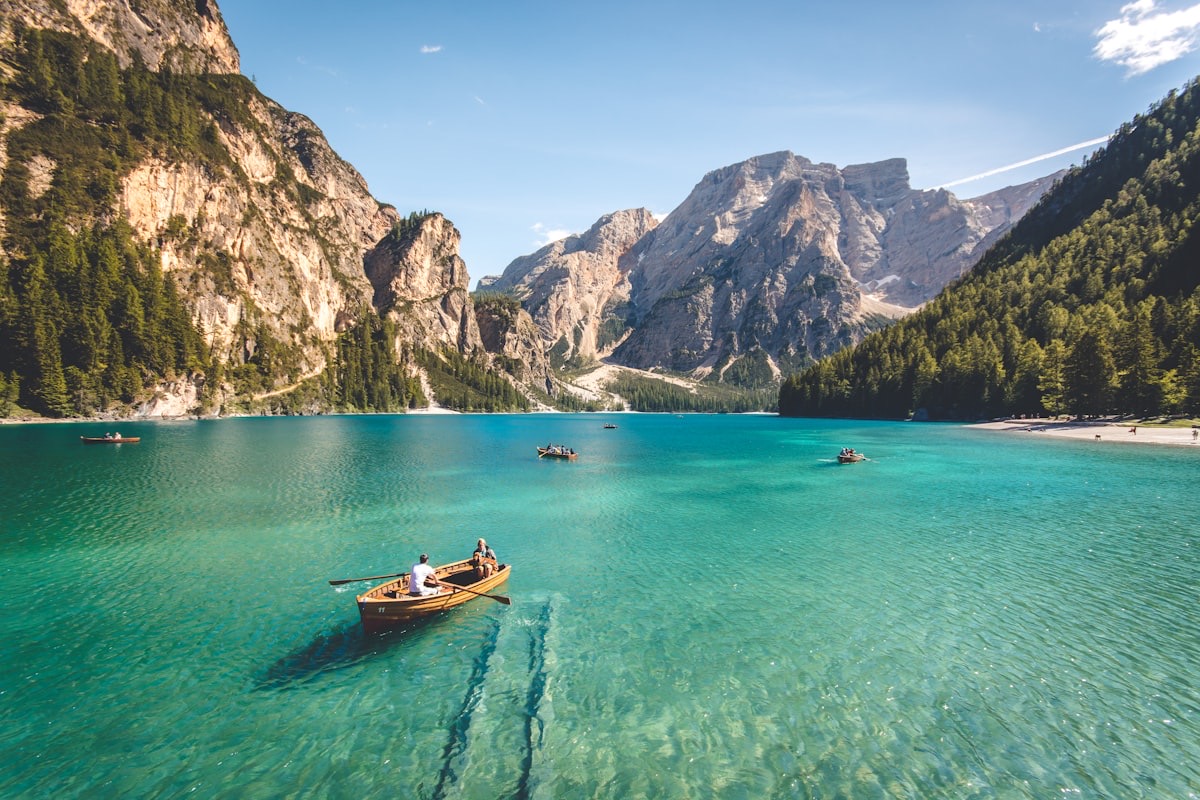
Heavenly Lake (Tianchi)
Above Urumqi, Tianchi is fed by a glacier and the inlet streams are at their fullest in early summer. The walk from the upper cable-car station to the lakeshore passes several small falls. They are not tall, but the setting — blue water, spruce, and the Bogda snow peak behind — makes them the most photographed in the region.
Up in the Altai: Kanas
The Kanas reserve is laced with meltwater streams that become temporary waterfalls after a warm spell. They are best reached on the park shuttle with a short hike, and they change year to year depending on snow. Go in July, after the spring thaw but before the late-summer dry, and ask rangers which drops are running that week. The broader Tianshan overview explains why these ranges hold the water in the first place.
A practical tip for Kanas: the famous lake itself gets the crowds, but the side streams above the village are where the falls hide, and they are quieter precisely because they are unnamed on most maps. Budget a half day of wandering rather than a fixed viewpoint, and you will likely have a cascade to yourself while the tour buses circle the shore below.
Photography and Safety
Snowmelt water is ice-cold and the rocks beside these falls are slick with spray — wear grippy shoes and do not wade for a shot. Light is best in the first two hours after sunrise, when the spray catches the low sun and the crowds have not arrived. A polarizing filter cuts the glare on the white water; a slow shutter (1/15s or longer) gives the silky look most people expect from a “waterfall photo.”
Permits and Access
The marquee falls sit inside managed parks (Sayram, Kanas, Tianchi), so your entrance ticket covers them — no separate permit. The free roadside drops in the Guozigou are pull-offs, but park only where a shoulder exists; the highway curves are fast.
Lesser-Known Drops Worth a Hike
Beyond the famous parks, a handful of smaller cascades reward a short walk and almost no crowd. Near Nalati and Kuerdening in the Ili valleys, meltwater threads off the spruce-clad slopes and forms thigh-high falls you can have entirely to yourself in June. Above the Urumqi Tianshan Grand Canyon, a series of seasonal drops appear after rain and vanish within days — local hikers track them on community apps. None are signed or staffed, so treat them as wild: no railings, no ticket office, and no rescue nearby. Go with a friend, tell your guesthouse where you are headed, and turn back if the spray has made the approach unsafe.
Combining Waterfalls With a Road Trip
The smart way to see several in one trip is to chain them along a melt-fed corridor. In early July, for example, you can pair the Guozigou roadside falls with Sayram Lake in a single loop from Yining, then push north toward the Kanas streams over the following days as the Altai snow releases. Build the plan around the ranges, not the individual drops, and let the weather decide which ones are running. A warm week opens the high ones; a cool, wet spell keeps the lower ones alive into August.
What to Pack for Waterfall Hunting
The gear is light but specific. Waterproof trail shoes with real grip are non-negotiable — the rock at these falls stays wet and mossy all season. A wind shell handles the cold spray and the altitude, and a small dry bag keeps your camera safe when you crouch at the base for the shot. Carry more water than you think you need; the snowmelt looks drinkable and is not. And bring layers even in July: a sunny 28°C parking lot can sit above a 12°C, wind-whipped viewing ledge.
Reading the Flow: Is It Worth the Drive?
Because the falls are seasonal, a quick local check saves a wasted afternoon. At park entrances, rangers will tell you plainly which drops are running that week — ask before you buy the ticket if the waterfall is your main goal. On the open road, watch the snow line: if the high peaks are still white and the valleys are green, the streams are flowing; if a dry, hot spell has stripped the high slopes, wait a week after the next rain. Timing, more than any map, is the whole skill of chasing Xinjiang’s waterfalls.
Questions people keep asking me
When is the best month to see Xinjiang waterfalls?
Late May through July, right after the snowmelt peaks. June is the safest bet across most ranges. By September many have dried to a stain on the rock.
Are they easy to reach without a car?
The park waterfalls (Tianchi, Kanas, Sayram) are reachable by shuttle and cable car once you are inside. The Guozigou roadside drops need a car or a tour, since there is no station nearby.
Are they big enough to be worth a trip?
Manage expectations: these are alpine trickles, not Niagara. Their appeal is the setting — snow peaks, spruce, and glacier water — not raw volume. If you love mountain scenery, they are a bonus, not a destination alone.
Can I drink the water?
Technically it is snowmelt, but livestock and trail use make it unsafe to drink untreated. Carry your own water; do not refill from the falls.
Is there an entrance fee?
Inside the named parks, yes — but the waterfall viewing is included in the standard ticket. The highway pull-offs are free.
What should I wear?
Layers and grippy shoes. Even in July the spray and altitude make the viewing spots cold and slippery; a wind shell and proper soles prevent the two common injuries up there.