The Xinjiang Hammam: A Public Bath That Is Also a Social Club
The first hammam I went to, I brought nothing and nearly froze in the changing room. A man handed me a pair of rubber sandals and a bowl and waved me toward the steam like I was late for something. That is the hammam: nobody explains it, you just fall into the rhythm.
It is not a spa. It is a public bath with the social weight of a town square. In the one near the old mosques of Kashgar, men sat in the warm room drinking tea between rounds of scrubbing, talking about melon prices and their kids. The bath is the excuse. The sitting is the point.
If you are staying in a Uyghur home, your host may well take you to one. Do not refuse. It is the fastest way to be treated as a person instead of a customer. Bring a towel, sandals, and whatever modesty you can spare. The etiquette is simple: men’s and women’s sides are separate, tipping the attendant who scrubs you is normal, and you do not stride around like you own the place.
What I did not expect was the tea. After an hour of heat I came out wobbly, and the same man who lent me sandals pressed a glass of milk tea into my hand and asked where I was from. We did not share a language well, but the hammam did the introducing. It fits the wider culture of the region better than any monument: strangers become neighbors for the price of a scrub.
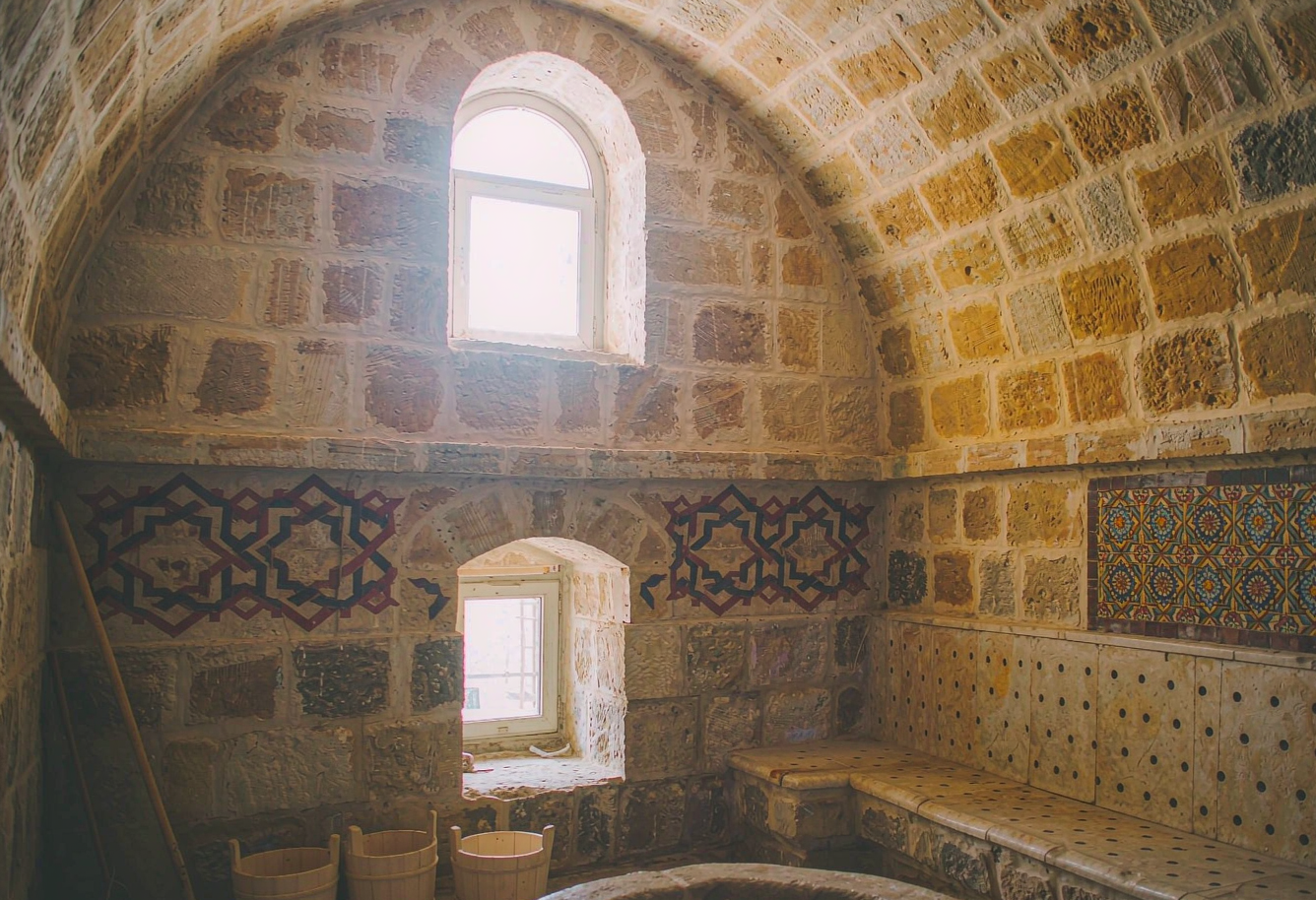
A practical note: the really old hammams are disappearing, replaced by tiled ones that feel like swimming pools. The worn, tiled-dome ones are the ones worth finding. Ask at a teahouse, not at a hotel desk.
The second time I went, I brought everything and still got it wrong by arriving at noon, when the regulars were at lunch and the place was cold and empty. The attendant, back from his own meal, shook his head and told me the morning is the only honest hour. He was right. By midday the steam had thinned and the talk had gone home, and I sat alone in a tiled room that an hour later would be full of laughter I was not part of. The hammam runs on a clock I kept ignoring. Now I go when it opens, share the scrub with the regulars, and leave before the crowd. The etiquette is the same; the timing is the part nobody writes down. A hammam is a social club with plumbing, and clubs have hours.
Practical: bring two towels, sandals with a grip, and a little cash for the scrub and the tea, because the old ones do not take cards. The etiquette page covers the separation of sides; respect it without fuss. The scrubber will be rough, that is the point, and you will come out the color of the tile. I go once per trip now, not for the clean but for the hour of not being a tourist. The newer tiled hammams are cleaner and less interesting; the worn dome ones are the ones to find. Ask at a teahouse where the locals go, and accept that the answer may be a direction, not a name, because the best ones do not advertise and do not need to.
The hour I go back for
The whole face of Xinjiang Hammam Bathhouse turns a colour that does not exist at any other time, and the site is empty enough that you can stand still and hear nothing. By ten the coaches are here, and by one it is an hour of people shuffling past. I have come to like the last forty minutes before the gate shuts, when the groups have gone and the staff are sweeping, because that is when you can look up properly instead of squeezing a shoulder past strangers. Whatever the guidebook says about golden hour, go on a weekday. The light is only free of company on a Tuesday.
Midday is the hour to avoid, not the hour to schedule. Everything goes flat, the shade disappears, and the temperature on an open plateau rises in a way that stops you caring about photographs. Go early or go late and the same ground gives you two different subjects. Sunrise is the one worth an alarm for. Between the two I would pick the later one, mostly because the early version costs you the rest of the day.
For the part people underestimate, see our [[how-to-go-to-xinjiang|How to Get to Xinjiang: Entry Requirements…]].
How much time the place really needs
The gates open early and the last entry tends to stop a couple of hours before closing, so the promise of coming back for sunset is not always possible. That covers the walk in, the slow look at the main feature, the side trails almost nobody does, and getting back to the car before the light goes flat. Budget the full morning. Ninety minutes is enough to tick the box. Half a day is enough to understand it.
A full day is what you want when the point of coming was Xinjiang Hammam Bathhouse itself rather than a stop on the way. The first time I rushed it and spent the whole visit looking up at the same rock from one spot. The second I gave it a morning and a late-afternoon return and saw two completely different places, because the light moved across the surface and the crowds thinned to nothing. My own rule now: if I have to choose between this and an extra evening in Xinjiang, I keep the evening. Most first-timers plan two hours and then get stranded.
I wrote the driving side up in our [[xinjiang-shakarap|Xinjiang Shakarap: The Tomato, Onion, and…]] as well.