Xinjiang Sandboarding & Dune Sports: Sliding the Singing Dunes of Kumtag
Most travelers treat the Turpan region as a list of ruins and vineyards. They miss the easiest adrenaline hit in Xinjiang: walking straight out of a sleepy oasis town and up a wall of sand. At Kumtag, the desert literally touches Shanshan, so you can board a local bus, rent a waxed board for the price of a coffee, and be sliding down a 200-metre dune face within the hour. I have done it on a May afternoon when the sand was warm but the wind was soft, and it remains one of the most unexpectedly joyful things I have done in the region.
Why Kumtag Is Xinjiang’s Sandboarding Capital
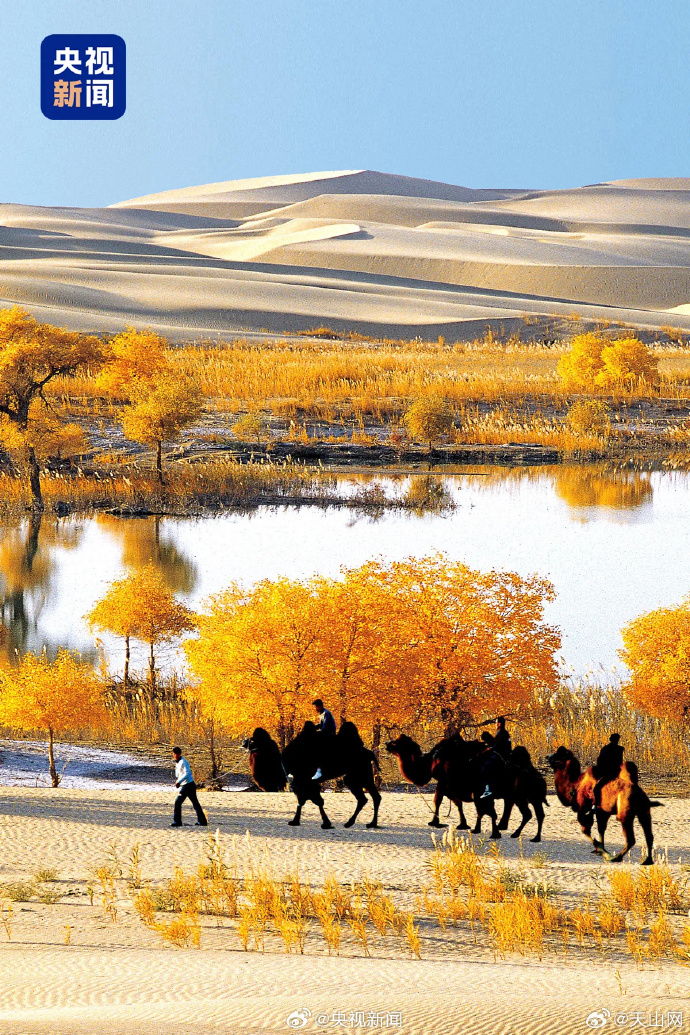
Kumtag means “sand mountain” in Uyghur, and the park lives up to the name. Unlike the Taklamakan, which sits hundreds of kilometres from anything, Kumtag’s dune field folds right up against Shanshan town (also spelled Piqan). That proximity is the whole point: no long transfer, no permit, no expedition. You arrive, you climb, you slide, you repeat.
The Singing Dunes
Locals call the largest ridges the “singing sands” because a hard wind or a fast board sets the grains humming. The sound is real and a little uncanny the first time you hear it. The park has fenced the main recreation zone, so beginners are not sharing the slope with off-road tours.
Where to Rent a Board (and What It Costs)
At the Kumtag Desert Park entrance there is a row of rental huts. Most rent a basic sandboard (a short snowboard-style deck with a slick base) for a flat fee that covers the whole day. Wax is usually included; if your board feels draggy, ask the attendant to rub on more. Prices shift year to year, but the table below reflects what I paid and what fellow travelers reported across recent seasons.
| Item | Typical price (RMB) | Notes |
|---|---|---|
| Park entrance | 30-45 | Covers the dune recreation zone |
| Sandboard rental (full day) | 40-60 | Wax included, refundable deposit common |
| Sledge / toboggan (per ride) | 20-30 | Good for kids and nervous first-timers |
| Camel ride to far dunes | 80-120 | Optional; saves a hot walk to bigger faces |
| Shoe sand gaiters | 10 | Worth it; sand gets everywhere |
The Best Dune Faces for Beginners vs Thrill-Seekers
The beginner slope inside the fenced zone is a gentle 30-degree face with a flat run-out. You will eat sand on your first run; everyone does. The trick is to keep your weight forward and let the board run instead of carving hard.
Beginner Face
Stick to the groomed ridge near the rental huts for your first five runs. The sand is packed and the drop is short. Confidence builds fast.
Advanced Faces
Once you are comfortable, walk fifteen minutes to the larger un-fenced ridges where the face steepens to near 40 degrees and the run-out is longer. This is where the “singing” really kicks in. Go early or late in the day; at noon the sand radiates heat you feel through your shoes.
Safety: Heat, Glass, and the Drop
Sandboarding hurts far less than snowboarding because the landing is soft, but the desert adds its own risks. Heat is the big one: carry two litres of water per person and never slide between noon and 3 pm in summer. Watch for broken glass near the entrance track; boots beat sandals. And tell someone where you are hiking if you leave the fenced zone, because the dunes all look the same from the top and it is easy to walk the wrong way.
Pairing Sandboarding with a Turpan Loop
Kumtag sits an hour or two from the rest of the Turpan highlights, so it slots neatly into a two-day Turpan plan. Board in the cool morning, then drive to the Flaming Mountains for the late afternoon light, and finish at a vineyard. Doing the dunes first means you beat both the heat and the tour buses.
Best Season to Slide
Spring (April-May) and autumn (September-October) are ideal: warm enough to wear a t-shirt on the sand, cool enough to climb without wilting. Summer is doable but ruthless mid-day. Winter is quiet and crisp, though the wind can shut the board rental. The table summarizes the clock.
| Season | Conditions | Verdict |
|---|---|---|
| Spring (Apr-May) | Mild, some wind | Best overall |
| Summer (Jun-Aug) | Very hot mid-day | Mornings only |
| Autumn (Sep-Oct) | Clear, cool | Excellent |
| Winter (Nov-Mar) | Cold, gusty | Quiet, wind-dependent |
Getting the Most From Your First Session
Most people quit after two runs because the climb back up is the real workout, not the slide. Pace it: three solid runs, then a water break in the shade of the rental hut, then three more. The sand is steepest right at the lip, so pop up early and let the board accelerate before you lean into the face. If you feel the tail wash out, straighten your front foot rather than fighting it; the soft sand forgives almost everything.
Photographing the Dunes
The dunes read best in the low, raking light of early morning and late afternoon, when the ripple shadows turn the surface into texture. Shoot your boardmate from the side as they drop, then turn around for the oasis-and-town backdrop behind you. A phone is fine; just wipe the lens, because a film of dust ruins every shot, and keep a bandana handy for the lens between runs.
Other Xinjiang Deserts Worth a Board
Kumtag is the easiest, but the Taklamakan and the Gurbantunggut dune belt reward the effort if you have a vehicle. The Taklamakan‘s sea of death is the holy grail for serious dune sports, usually reached on a self-drive or a guided camel-and-board expedition from Hotan or Aksu. The Gurbantunggut, north of Urumqi, has firmer, wind-shaped ridges and far fewer people. Neither rents boards at the door, so bring your own and treat them as backcountry trips, not afternoon fun.
What to Bring
Light long sleeves (sun and sand burn), closed shoes, a bandana for your face on windy days, two litres of water, and a small backpack for the climb. Sunglasses are not optional; the glare off pale sand is intense. A phone lanyard saves you from burying your camera in the dune, and a small brush keeps the board base clean between runs so it keeps sliding.
Questions people keep asking me
Do I need experience to try sandboarding in Xinjiang?
No. The beginner face is forgiving and most first-timers are linking runs within half an hour. Think of it as a faster, warmer version of a gentle sledding hill.
Is Kumtag the only place to sandboard in Xinjiang?
It is the most accessible. The Taklamakan and Gurbantunggut dunes are bigger but remote and usually require a self-drive or tour. For a half-day of dune sports off public transport, Kumtag near Shanshan is unbeatable.
Can children sandboard?
Yes. The sledge option and the short beginner face are popular with families. Keep under-tens on the groomed slope and watch them in the heat.
How do I get to Kumtag from Turpan?
Local buses and shared taxis run from Turpan to Shanshan; from Shanshan town the desert park is a short taxi or e-bike ride. Some Turpan tours include Kumtag as a stop.
What should I wear on the dunes?
Closed shoes, light long sleeves, sunglasses, and a scarf for windy days. Avoid sandals; the sand gets hot and finds every gap.
Is it safe to leave the fenced dune zone?
Only with a buddy, water, and a clear sense of direction. The un-fenced ridges are better for steep faces but easier to get lost on. Tell your rental hut where you are headed.
Closing Thought
Xinjiang sandboarding will not make your highlight reel the way Kanas or the Karakoram will, but it might be the most fun you have per yuan. It is spontaneous, physical, and over in an afternoon, leaving the rest of your Turpan loop intact. If you are already in the region and the wind is soft, go slide.