Kayaking and Water Sports on Xinjiang’s Lakes and Rivers
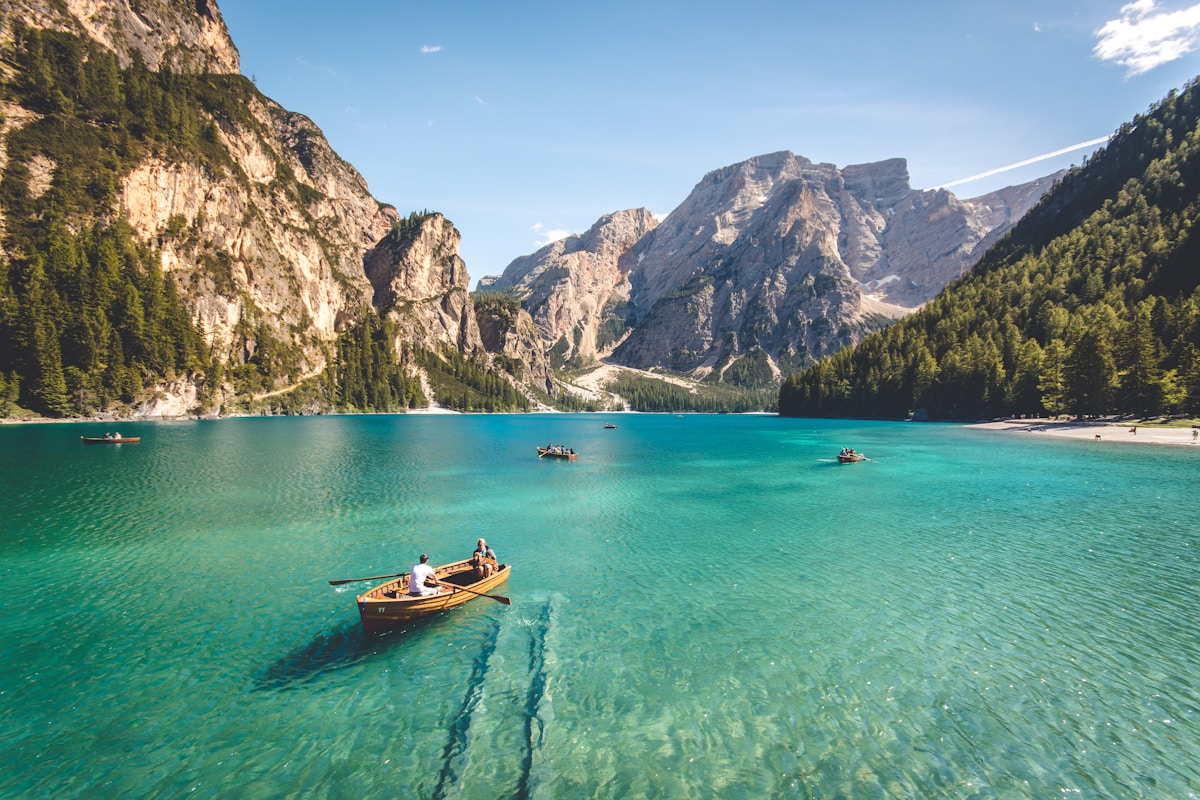
I had always imagined Xinjiang as pure desert and snow peaks — until I paddled a rented kayak across Sayram Lake at dawn and watched the water turn from steel grey to molten gold. Xinjiang is, in fact, a land of serious water: glacial lakes, alpine rivers, and even warm southern reservoirs. For travelers who want more than sightseeing, the region offers kayaking, canoeing, paddleboarding, and seasonal boating that rivals anywhere in Asia. Here is how to get on the water safely and legally.
Why Xinjiang Surprises Paddlers
The Tian Shan and Pamir hold thousands of glacial lakes fed by snowmelt, and several have been developed for recreation. Because the water is cold, clean, and often ringed by dramatic mountains, a calm paddle here feels like floating inside a postcard. The season is short — roughly June to September at altitude — so plan accordingly.
Top Lakes for Kayaking and Boating
| Lake / River | Best for | Season | Notes |
|---|---|---|---|
| Sayram Lake | Kayak, SUP, scenic cruise | Jun–Sep | Ring road gives many launch spots; wind picks up after noon |
| Kanas Lake | Electric boat tours, canoe | Jun–Oct | Motorized craft restricted; guided only in core zone |
| Bosten Lake | Sailing, fishing boats, SUP | May–Oct | Largest inland freshwater lake; warmer, family-friendly |
| Karakul Lake | Photography paddles | Jun–Sep | Very high altitude; bring windproof gear |
| Ulungur Lake | Fishing, slow boating | Jun–Sep | Northern, colder; fewer crowds |
Kayaking on Sayram: A First-Hand Account
Sayram is the easiest place to self-paddle. Rental operators along the east shore offer sit-on-top kayaks and stand-up paddleboards by the hour. I launched at 7 a.m. when the surface was glass; by 11 the famous “lake wind” (湖风) had built whitecaps that would challenge a beginner. Rule one: paddle early, be off by midday. The full Sayram Lake guide covers launch points and the ring road that circles it.
Kanas: Boats, Not Whitewater
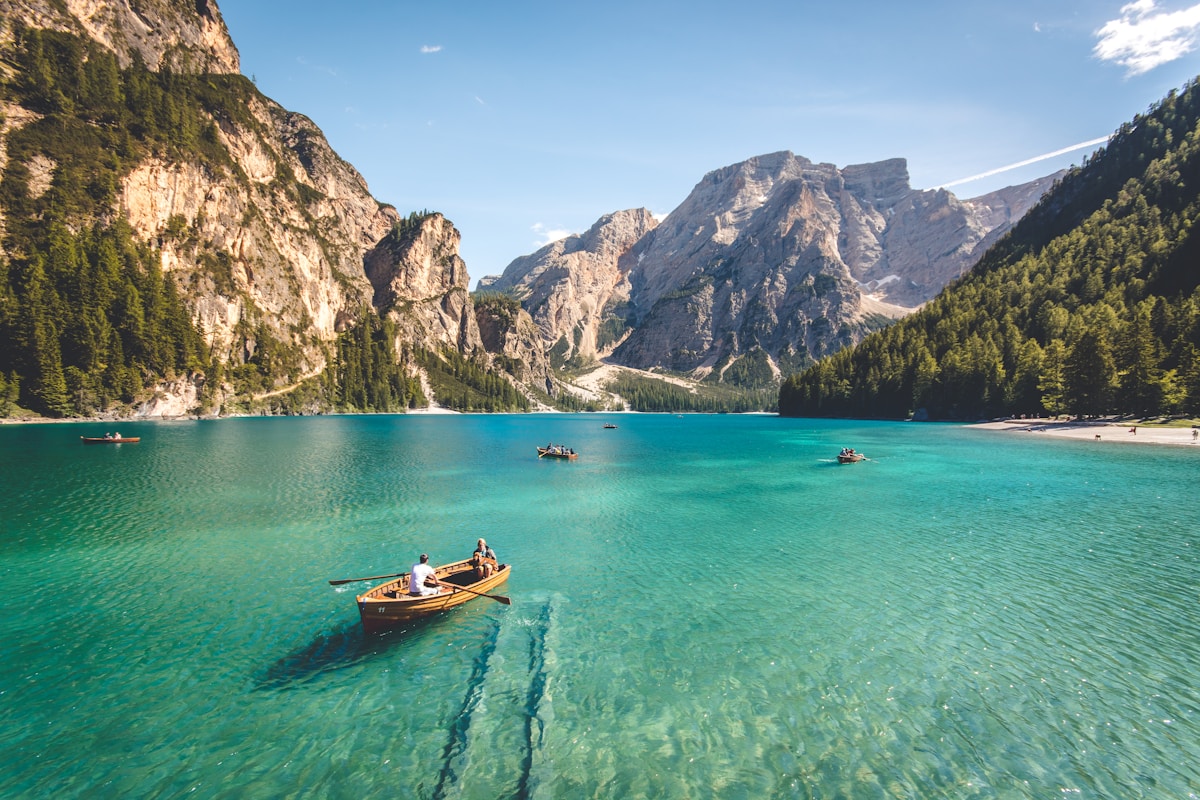
The famous Kanas Lake is strictly managed to protect its ecosystem, so private kayaks are not allowed in the core scenic zone. Instead, book the electric sightseeing boat that runs the length of the lake — quiet, emission-free, and the best way to see the Three Bays from the water. Canoe trips are possible on side streams with a licensed guide outside the protected area.
Safety on Cold Alpine Water
The Cold-Water Rule
Glacial lakes sit at 1,000–2,000 meters and stay near 10°C even in August. A capsize without a wetsuit is dangerous within minutes. Always wear the provided life jacket, never paddle alone, and tell your guesthouse your route and return time.
Wind and Altitude
- Wind: Sayram and Karakul build strong afternoon gusts. Check the forecast; abort if gusts exceed 20 km/h for a beginner.
- Altitude: Karakul is at 3,600 m. Exertion on water can trigger altitude symptoms — acclimatize first.
- Permits: Border lakes near Tashkurgan may need your permit handy.
Rentals, Costs, and What to Bring
| Item | Typical cost | Bring yourself |
|---|---|---|
| Kayak, 1 hr | ¥80–150 | Quick-dry clothes, sunscreen |
| SUP, 1 hr | ¥60–120 | Water shoes, windbreaker |
| Scenic boat tour | ¥100–180 | Camera, hat |
| Guide + canoe | ¥300–500 | Dry bag, layers |
Beyond Lakes: Rivers and Reservoirs
While the headline spots are lakes, don’t overlook Xinjiang’s slower waters. Bosten Lake, fed by the Kaidu River, is warm enough for sailing and even casual swimming in late summer, and its southern bays are ideal for a first SUP session with kids. The Ulungur system in the north is a fishing destination first, but local operators run gentle motorboat loops that are perfect for travelers who want to be on the water without paddling. True whitewater rafting is limited — most rivers are either too cold, too shallow, or inside protected canyons — so treat “rafting” as a guided, seasonal exception rather than a default activity.
Photography From the Water
A low angle from a kayak or SUP transforms familiar scenery. On Sayram I shot the snow line at first light by keeping the camera at deck level and using a polarizer to cut glare. Bring a dry bag rated to IPX6, a microfiber cloth (spray is constant), and a wrist tether — a dropped phone in 10°C water is gone for good. Drones are restricted over most scenic lakes, so the paddle itself is your best elevated platform.
Leave No Trace on Fragile Alpine Water
These lakes are drinking-water sources for nearby towns and breeding grounds for migratory birds. Pack out every wrapper, never soap up in the lake, and keep distance from bird nesting islands — paddling within 50 meters can flush a colony. The quietest, most respectful visit is also the most rewarding one. If every paddler follows these basics, these waters will stay clean for the next traveler who launches at dawn.
Questions people keep asking me
Can I bring my own kayak to Xinjiang?
Transporting a hard-shell kayak is awkward but possible by roof rack or checked cargo. Soft inflatables are easier. Note that many scenic lakes ban private craft to protect water quality, so research each lake before hauling gear across the country.
Is the water warm enough to swim?
For most people, no. Glacial lakes are shockingly cold year-round. A thin wetsuit helps for brief dips; without one, limit immersion to seconds and watch for cramps.
Are there paddleboard rentals for beginners?
Yes at Sayram and Bosten in season. Operators give a five-minute lesson. If you have never stood on a board, start on a calm morning and stay close to shore.
What about fishing from a boat?
Bosten and Ulungur are the fishing lakes, with bait and boat hire available. A recreational fishing permit may be required — ask locally. Catch-and-release is encouraged for native species.
Is it safe for children?
On calm, supervised stretches like Bosten’s southern bay, yes, with life jackets mandatory. Avoid high-altitude windy lakes with young kids; the cold and gusts are unforgiving.
When is the boating season shortest?
Karakul and Kanas close earliest (October) due to cold and ice. Sayram runs latest into early October on calm days. Southern Bosten can stretch toward late October in warm years.