Koktokay (Keketuohai): Xinjiang’s Granite Peaks and the ‘Crying’ River
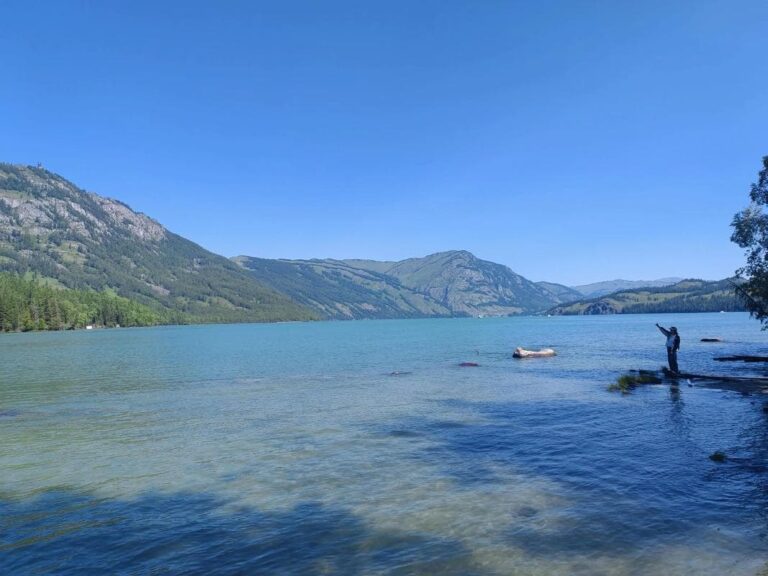
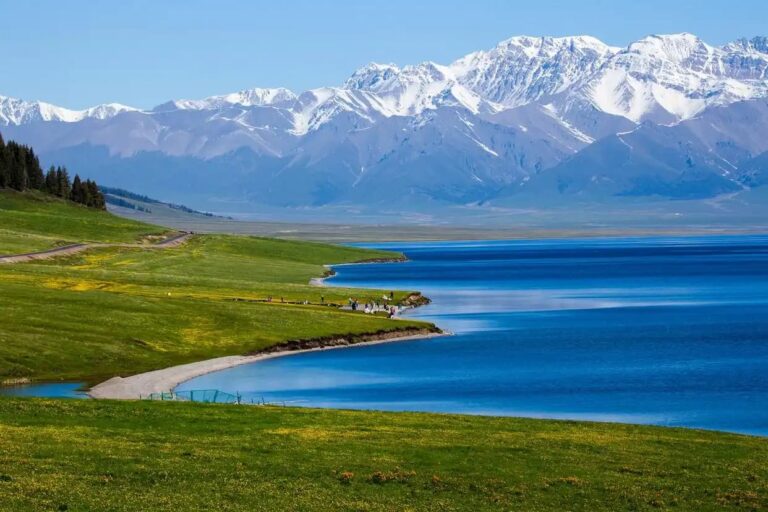
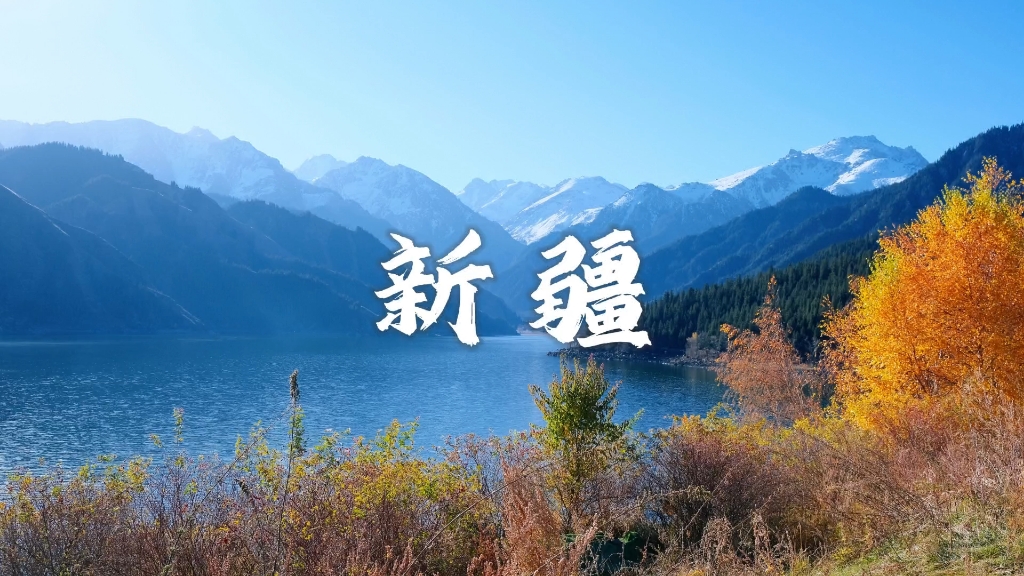
Koktokay (可可托海, also spelled Keketuohai) is the Altai’s other geopark — less famous than Kanas but, to geologists and quiet-seekers, just as striking. A UNESCO Global Geopark, it pairs a deep granite canyon with the headwaters of the Irtysh River (one of the few Chinese rivers that flows west, to the Arctic Ocean). The name means ‘blue-green river bend’ in Kazakh, and the place lives up to it: raw rock, cold water, and almost no crowds.
It sits in the far north, nearer the Kazakhstan and Mongolia borders than most visitors expect — a detour worth building into an Altai loop.
The Granite and the Canyon
The park’s signature is its giant granite formations — weathered peaks and pillars that locals have named after things they resemble (a ‘wolf’, a ‘sacred bell’). The Irtysh has cut a narrow canyon through them, with walkways along the rim and down to the water. It’s more ‘geology as sculpture’ than ‘lake as mirror’ — a different, harder beauty than Kanas.
The River That Runs Away
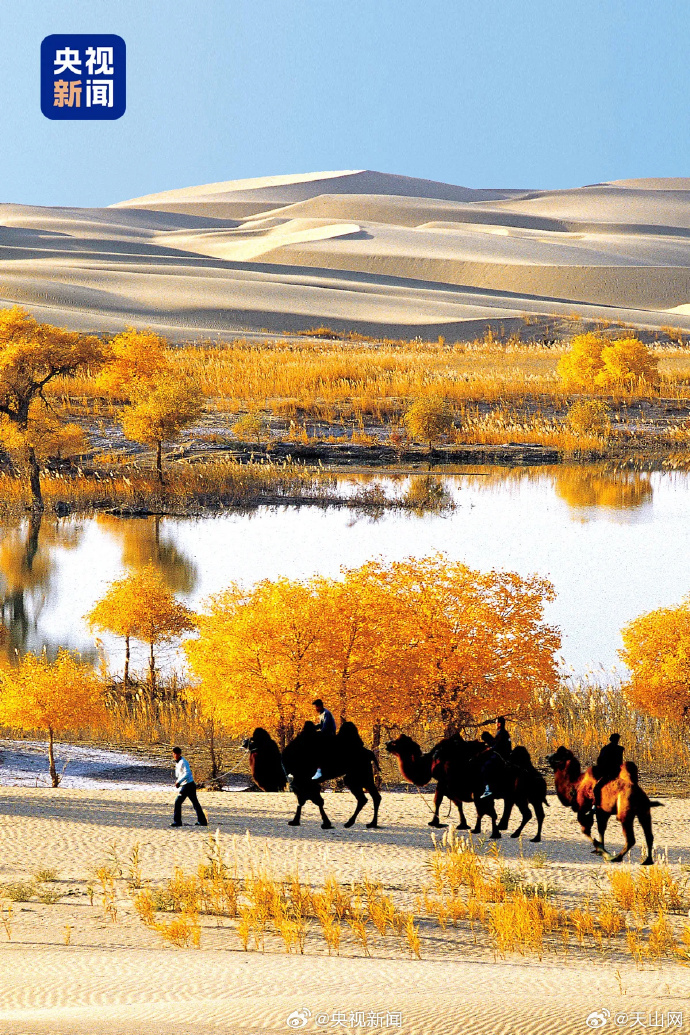
The Irtysh here is the start of a 4,000 km journey to the Arctic. Standing at its source, you’re at the head of a drainage that ends in the Kara Sea — a fact that makes Koktokay feel geographically special. In autumn the riverside birch turn gold; in summer the water is cold and clear and the canyon is lush.
What goes in the day pack
A wind shell. The temperature drops fast once you stop moving and the drop is not hypothetical on an exposed pass. A fleece covers most of the year, a real jacket covers shoulder season. Water, more than you think, a power bank and some cash. Cards work at the gate and in the shops, but the stalls on the approach road and the drivers waiting at the turnoff want cash, and coming up short at the moment you want a lift is the classic way to lose an hour. Sunscreen and a brim. The light here is serious and the shade is intermittent, so the sunscreen goes on before you leave the hotel, not at the gate.
The mistake I made the first time
I assumed two hours would be plenty. What I would tell the version of me who planned it: put the slow hours in, not the fast ones. It was, in the sense that I saw everything, and it was ruined in the sense that I saw everything at the same hour with the same crowd, and I spent the drive home meaning to come back and never did. The whole point of coming this far is to have the place to yourself for a while, and that only happens if you are willing to be there when it opens or when it is nearly shut. I did come back the following trip, at seven in the morning, and it was a different site.
The other mistake is about distance on the map. The gate is not the site. There is a shuttle, a walk, sometimes another shuttle, and the stretch everybody underestimates is between the second gate and the thing you crossed the country to see. So: work out how far it is from where the vehicle drops you to the feature, then double it. That is the number of hours the visit needs.
Worth pairing with
The stops most people miss are the small ones between the big names. Ask at the hotel desk the evening before what opened this week, because several of these places shift their hours with the season and the leaflet in the lobby is a year out of date. With a car the combination that worked for us was the site in the morning, a long lunch somewhere with shade, and the other place in the late afternoon, so two half-days covered a full one. Koktokay Keketuohai Xinjiangs Granite sits naturally into a longer Xinjiang day.
What the ticket and the extras actually add up to
On top of it comes a shuttle or sightseeing bus inside the site, and if you want a far viewpoint rather than the main one that is another leg. On your own the same afternoon comes out at maybe half again as much. Parking, a printed map, and a guide are the other three places the number moves. Two of us covered the whole thing for well under what a single hotel night in Xinjiang costs, but only because we shared the car and shared the entry between us.
Prices at the gate are reasonable by European standards, which is exactly why they are easy to underestimate. The admission is cheap, the internal transport is what adds up, and a family of four in one car turns a small ticket into a real line in the budget. Ask once at the ticket office what the full circuit costs before you commit. Staff there are used to it, and the answer takes ten seconds.
The headline entrance ticket is only the first line.
How to Get There
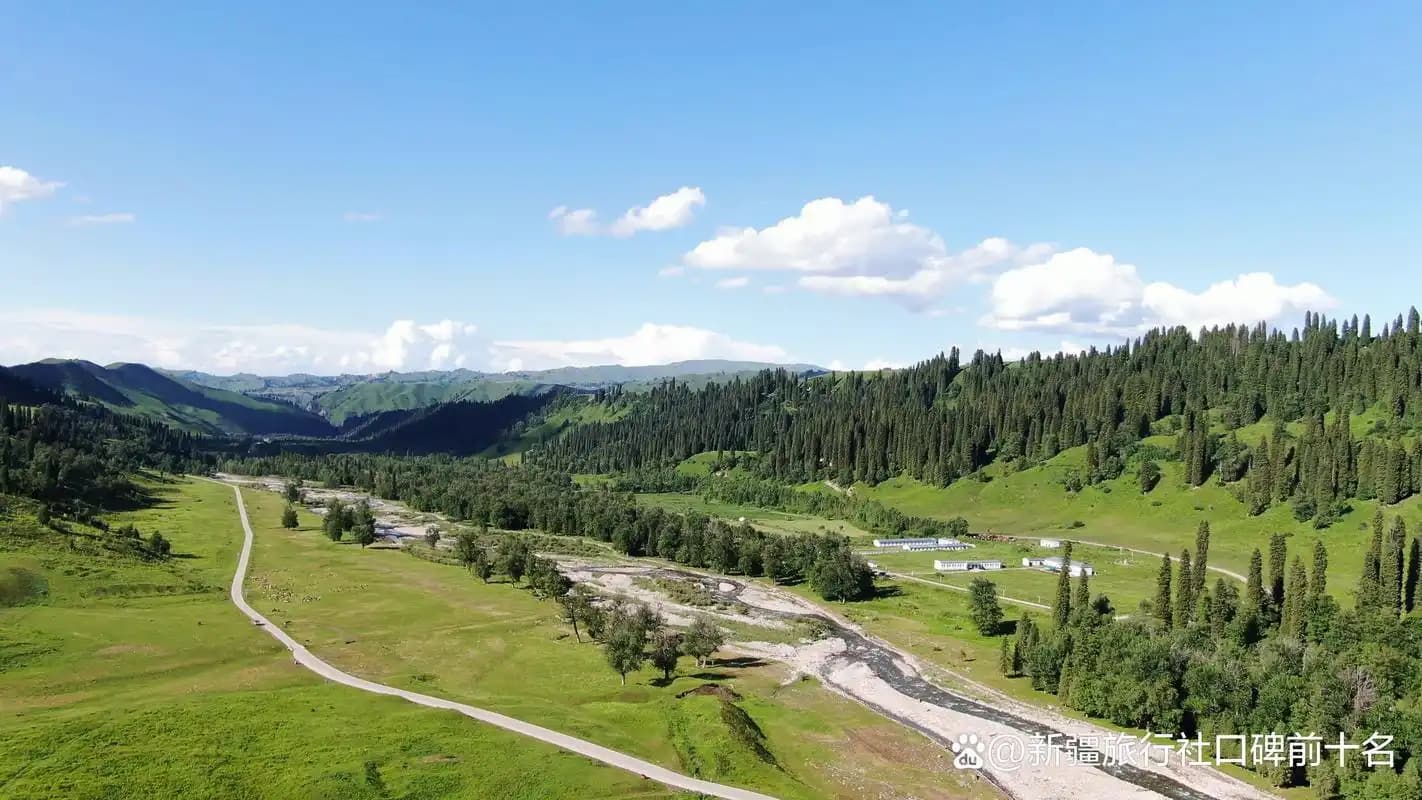
Koktokay is reached via Altay city or Burqin, then a scenic drive south into the mountains. It pairs naturally with Kanas and Hemu as a three-part Altai trip, though the roads are long and the season is short (roughly June–October for full access). Lodging is basic in the nearby town; the park itself is day-visit.
Why It’s Overlooked
Kanas hogs the Altai’s spotlight, so Koktokay stays calm — fewer shuttles, fewer gates, more walking. If you’ve done Kanas and want the region’s quieter granite-and-river face, this is it. Bring a layer; even in summer the canyon holds a chill, and the light on the rock at evening is the photo.